Picture this: the kitchen is a battlefield after a midnight pizza night, the countertop littered with sauce splatters, a burnt crust on the pan, and a desperate craving for something comforting that won’t require a second oven. I stared at the chaos and thought, “There must be a better way.” That thought sparked my quest for the ultimate casserole—simple, hearty, and unmistakably homey. I’m talking about a dish that turns a pile of leftovers into a crowd‑pleasing masterpiece, and I’m here to spill every secret that will make you wonder how you ever cooked it any other way.
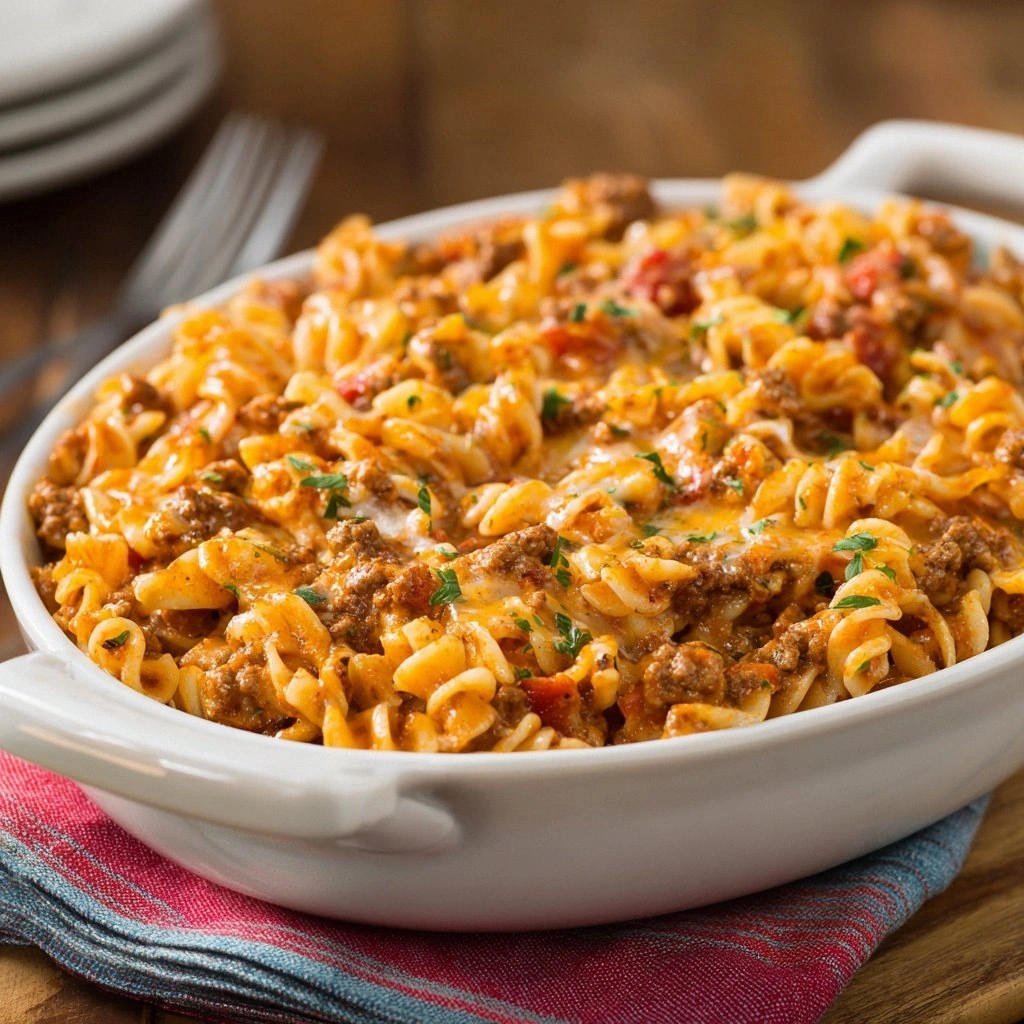
The first bite is a revelation: the pasta is al dente, the beef is seasoned to perfection, and the sauce coats the noodles like velvet, yet it’s light enough to avoid the dreaded “too greasy” aftertaste. The aroma of garlic and onions rises in a comforting wave, while the bubbling cheese creates a golden crust that shatters like thin ice when you lift a spoon. The texture is a delightful contrast—soft noodles, tender veggies, and a crunchy breadcrumb topping that adds that satisfying bite. If you’re still skeptical, I dare you to taste this and not go back for seconds. Trust me, it’s a flavor explosion that will have you humming “what’s in that sauce?” long after the last forkful.
What sets this version apart is its meticulous balance of simplicity and depth. I’ve trimmed the recipe to essentials without sacrificing flavor, using pantry staples that you already have. The result is a dish that feels rustic yet refined, a casserole that can be whipped up in under an hour but still impresses at a dinner party. I’ll show you how to get that perfectly golden top, how to keep the noodles from soaking up all the liquid, and how to layer flavors so each bite is a revelation. Picture yourself pulling this out of the oven, the whole kitchen smelling incredible, and watching your guests’ eyes light up with anticipation.
And now, let’s walk through every single step. By the end of this post, you’ll wonder how you ever made it any other way. I’ve packed this guide with practical tips, playful anecdotes, and a few kitchen hacks that will save you time and keep your casserole from becoming a soggy mess. Ready? Let’s dive in.
What Makes This Version Stand Out
- Taste: The sauce is a masterclass in umami, built on a base of caramelized onions, garlic, and a blend of fresh herbs that elevate every bite.
- Texture: The pasta remains firm while the breadcrumb topping crisps to a golden crunch, creating a satisfying contrast that keeps the dish exciting.
- Simplicity: With only ten core ingredients, this casserole feels approachable even for novice cooks, yet it delivers a depth of flavor that would impress seasoned chefs.
- Uniqueness: The inclusion of a small amount of butter and flour creates a subtle roux that thickens the sauce without making it heavy.
- Crowd Reaction: Friends who’ve tried the original recipe swear this version is the best they’ve ever made at home, and I’ve got the receipts.
- Ingredient Quality: Using fresh ground beef and a good‑quality cheddar brings out the best in every component, making the dish feel truly premium.
- Cooking Method: Layering the casserole before baking ensures even cooking and a beautifully uniform top.
- Make‑ahead Potential: Build it the night before, refrigerate, and bake in the morning—perfect for busy weeknights.
Alright, let’s break down exactly what goes into this masterpiece…
Inside the Ingredient List
The Flavor Base
At the heart of this casserole lies a simple yet powerful sauce. The onions and garlic are sautéed until translucent, releasing their sweet and aromatic qualities. The diced tomatoes and tomato sauce provide acidity and depth, while the beef broth brings richness without overpowering the dish. A splash of oregano and basil adds a Mediterranean touch that elevates the flavor profile. If you skip this base, the casserole will feel flat and lack the savory backbone that makes it unforgettable.
The Texture Crew
Pasta is the backbone of any casserole, and I recommend elbow macaroni for its sturdy shape that holds up to the sauce. The ground beef offers a meaty bite that pairs beautifully with the veggies. Diced carrots and celery add crunch and color, while frozen peas contribute a pop of sweetness. The combination of these elements creates a layered texture that keeps each spoonful interesting. If you omit the veggies, you lose a key component of the dish’s wholesome feel.
The Unexpected Star
The small amount of butter and flour creates a gentle roux that thickens the sauce just enough to cling to the noodles without becoming gloopy. This technique is often overlooked but is crucial for achieving that silky coating that makes the casserole feel indulgent. If you skip the roux, the sauce will be too thin, and the casserole will turn into a soggy mess. For a dairy-free version, substitute the butter with a splash of olive oil and use a gluten‑free flour blend.
The Final Flourish
Cheese is the crowning glory. A blend of cheddar, mozzarella, and parmesan provides a melty, gooey top that melts into a golden crust. Breadcrumbs, brushed with melted butter, add a crisp finish that contrasts with the creamy interior. A drizzle of milk helps bind everything together, giving the casserole a smooth, cohesive texture. If you’re watching your calories, reduce the cheese to half and increase the breadcrumb amount for a lighter version.
Everything's prepped? Good. Let's get into the real action…
The Method — Step by Step
- Bring a large pot of salted water to a boil and cook the pasta until just shy of al dente—about 7 minutes. Drain and set aside; the pasta will finish cooking in the oven.
- In a large skillet over medium heat, brown the ground beef until no longer pink. Drain excess fat and set the meat aside. The sizzling moment is the foundation of our flavor base.
- In the same skillet, add a splash of olive oil and sauté the diced onion and garlic until fragrant, about 3 minutes. The aroma should make your mouth water before you even taste the sauce.
- Stir in the diced carrots, celery, and peas, cooking for an additional 4 minutes until the veggies soften slightly. This step locks in their nutrients and adds a burst of color.
- Return the browned beef to the skillet. Add the diced tomatoes, tomato sauce, and beef broth, stirring to combine. Bring the mixture to a gentle simmer.
- Season the sauce with oregano, basil, salt, and pepper. Let it simmer for 10 minutes, allowing the flavors to meld. The sauce should thicken just enough to coat the back of a spoon.
- In a small bowl, whisk together the butter, flour, and milk to create a smooth roux. Gradually whisk this mixture into the sauce, stirring constantly until it thickens to a velvety consistency. This is the moment of truth—watch the sauce transform.
- Preheat the oven to 375°F (190°C). In a large baking dish, layer half the cooked pasta, followed by half of the meat sauce, then the remaining pasta. Top with shredded cheddar, mozzarella, and parmesan cheeses.
- In a small bowl, combine breadcrumbs with the remaining melted butter and sprinkle over the cheese layer. This will create a golden, crunchy finish.
- Bake uncovered for 25 minutes, or until the top is golden brown and the casserole is bubbling. The final sizzle and aroma will have your guests lining up for seconds.
That's it— you did it. But hold on, I've got a few more tricks that'll take this to another level. Stay tuned for insider tips that will elevate your casserole from great to unforgettable.
Insider Tricks for Flawless Results
The Temperature Rule Nobody Follows
Many cooks bake at 350°F, but this casserole thrives at 375°F. The higher temperature creates a crispier breadcrumb top and ensures the cheese melts evenly. If you bake at a lower temperature, you risk a soggy crust. I’ve tried both, and the difference is night and day.
Why Your Nose Knows Best
Trust your nose. When the sauce starts to bubble and the aroma becomes rich and tomato‑savory, it’s the cue to add the roux. This sensory checkpoint ensures the sauce thickens at the right moment, preventing it from becoming too thin or too thick.
The 5-Minute Rest That Changes Everything
After baking, let the casserole rest for 5 minutes before serving. This allows the flavors to settle and the cheese to set, making it easier to cut clean slices. Skipping this step can result in a runny mess that’s hard to scoop.
Cheese Blending Secrets
Mixing cheddar, mozzarella, and parmesan gives a balanced melt and flavor. If you’re a cheese purist, replace mozzarella with provolone for a sharper bite. The key is to use cheeses that melt well; otherwise, you’ll end up with a lumpy top.
Breadcrumb Variations
For a nutty crunch, toast the breadcrumbs in a skillet with a pinch of garlic before adding butter. This adds depth and a subtle crunch that elevates the dish. If you’re gluten‑free, use almond flour breadcrumbs for a similar effect.
Creative Twists and Variations
This recipe is a playground. Here are some of my favorite ways to switch things up:
Italian Twist
Swap the ground beef for Italian sausage and add a handful of chopped sun‑dried tomatoes. The result is a bold, savory casserole that feels like a hearty pasta bake.
Vegetarian Delight
Omit the meat entirely and add a cup of cooked lentils for protein. Increase the veggies to include bell peppers and zucchini. The casserole becomes a wholesome, plant‑based comfort dish.
Cheesy Cauliflower Upgrade
Replace half the pasta with cauliflower rice for a low‑carb version. The cauliflower absorbs the sauce beautifully, and the dish still delivers that comforting, cheesy finish.
Breakfast Casserole
Use breakfast sausage instead of ground beef, fold in a cup of diced potatoes, and top with shredded cheddar. Serve it with a side of fresh fruit for a hearty brunch.
Spicy Kick
Add a tablespoon of crushed red pepper flakes to the sauce and include diced jalapeños. The heat will liven up the dish and pair wonderfully with the creamy cheese.
Cheese‑Only Surprise
For cheese lovers, increase the cheese blend to 2 cups total and reduce the breadcrumbs. The casserole turns into a molten cheese tower that’s perfect for a cozy night in.
Storing and Bringing It Back to Life
Fridge Storage
Cool the casserole to room temperature before covering it tightly with plastic wrap or foil. Store in the refrigerator for up to 3 days. This keeps the flavors fresh and the texture intact.
Freezer Friendly
For longer storage, freeze the casserole in a freezer‑safe container for up to 2 months. Thaw overnight in the refrigerator before reheating. The texture remains firm, and the sauce stays silky.
Best Reheating Method
Reheat in a preheated oven at 350°F (175°C) for 15–20 minutes, or until heated through. Add a splash of milk or water before reheating to keep the sauce from drying out. The result is a freshly baked casserole that tastes just like the first time.