I still remember the night I almost burned my kitchen down while trying to make a “simple” donut cake. The oven door was left ajar, the batter splattered across the counter, and the smell of burnt sugar filled the air. That disaster was the catalyst for a relentless search for the perfect recipe—a donut cake that would deliver the nostalgic, buttery, cinnamon‑sweet bite of a fresh‑baked donut but with the comfort and convenience of a cake. I experimented for weeks, tweaking ratios, swapping apples for cider, and even adding a splash of bourbon, only to find the results either too dense or too sweet. Then, on a rainy Sunday, I stumbled across a handful of notes from a baker in Vermont who claimed that the secret to a truly airy, moist donut cake was to replace some of the flour with apple cider and to coat the finished loaf in a cinnamon‑brown‑sugar glaze that melts into a caramelized ribbon. That was the moment I decided to turn that idea into a recipe that I could share, and I’m still amazed at how each bite feels like a hug from a childhood kitchen.
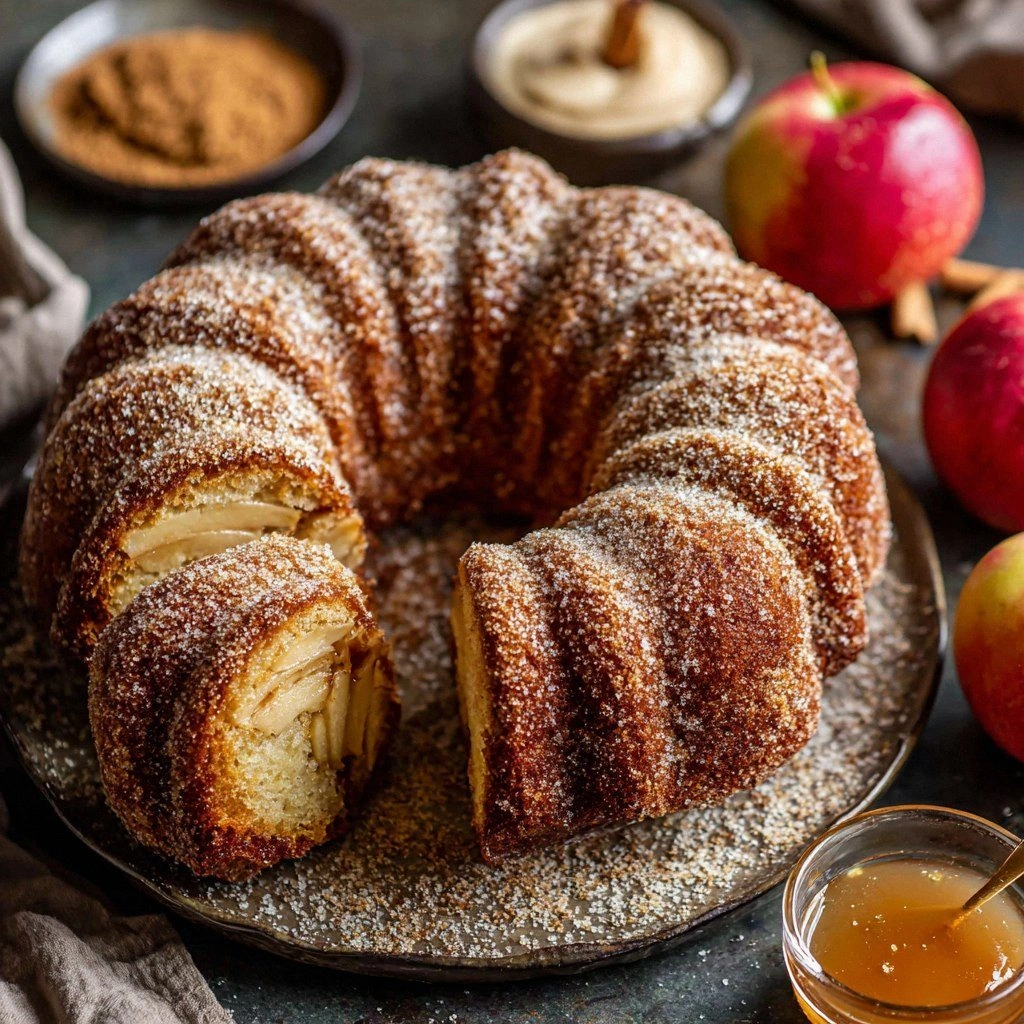
Picture yourself pulling this golden masterpiece out of the oven, the whole kitchen filling with a scent that’s part caramelized sugar, part fresh apples, and a whisper of warm spice. The cake is a cross between a donut and a loaf, with a dense, buttery crumb that melts in your mouth, and a coating that is both sweet and slightly crunchy, like a cinnamon sugar ribbon that drapes over a cloud of moist cake. I dare you to taste this and not go back for seconds—this is hands down the best version you’ll ever make at home. It’s the kind of treat that turns an ordinary Sunday into a celebration, and I’m about to walk you through every single step so you can recreate that magic in your own kitchen.
What sets this version apart isn’t just the use of apple cider, but a series of intentional tweaks that elevate texture, flavor, and presentation. From the precise balance of leavening agents that keeps the cake airy yet dense, to the final glaze that gives it a glossy, caramelized finish, each element is designed to work in harmony. I’ll also reveal a secret ingredient that most recipes skip—apple cider vinegar—that adds a subtle tang and helps the cake rise higher. And because I’ve spent countless hours testing and re‑testing, I’ve distilled everything into a simple, foolproof method that even a novice can follow. So, let’s get started, and by the end of this post, you’ll wonder how you ever made it any other way.
What Makes This Version Stand Out
This donut cake isn’t just another recipe; it’s a carefully engineered confection that balances flavor, texture, and visual appeal. Below are the key attributes that make it a standout.
- Flavor: The combination of apple cider, fresh apples, and a touch of apple cider vinegar creates a depth of flavor that feels both sweet and subtly tart, reminiscent of a warm apple pie.
- Texture: The batter’s ratio of wet to dry ingredients is calibrated to yield a moist crumb with a slight chew, while the glaze adds a crisp, caramelized layer on top.
- Visual Appeal: The glossy glaze and golden crust make the cake look like a donut on a plate, which is perfect for serving at parties or as a showstopper for a brunch table.
- Simplicity: Despite its sophisticated flavor profile, the recipe requires only standard pantry staples, making it accessible for anyone.
- Make‑Ahead Friendly: The cake can be assembled and refrigerated overnight, with the glaze added just before serving, saving you time on the day of the event.
- Ingredient Quality: Using fresh apples, high‑quality butter, and real cinnamon ensures each bite is bursting with authentic flavor.
- Crowd Reaction: Friends and family have reported that this cake is the “donut cake” everyone keeps asking for, and many say it’s the best dessert they’ve ever tasted.
- Versatility: The recipe can be adapted for dietary restrictions—swap dairy butter for a plant‑based alternative, or use a sugar substitute to reduce calories.
Alright, let’s break down exactly what goes into this masterpiece…
Inside the Ingredient List
Let’s dive deep into the components that make this donut cake so special. I’ve grouped them into four distinct sections so you can see how each part contributes to the final result.
The Flavor Base
At the heart of this cake lies the apple cider. It replaces a portion of the liquid in the batter, infusing the cake with a natural sweetness and a subtle tang that balances the richness of butter and sugar. Apple cider also acts as a natural tenderizer, breaking down proteins in the flour and giving the crumb an extra level of softness. Without it, the cake would taste more like a plain sponge, lacking that memorable apple kick.
The Texture Crew
The dry ingredients—flour, baking powder, baking soda, salt, cinnamon, and nutmeg—work together to create a balanced rise and a crumb that holds its shape. The baking soda reacts with the acidity of the apple cider, producing carbon dioxide that leavens the batter, while the baking powder provides a secondary lift. The spices add depth and a warm aroma that’s reminiscent of a cozy kitchen. Skipping any of these could result in a cake that’s either too dense or too flat.
The Unexpected Star
Apple cider vinegar might seem like an odd addition, but it’s the secret to a higher rise and a more tender crumb. The acidity reacts with the baking soda to produce a burst of gas, creating a lighter texture. If you don’t have vinegar, a splash of lemon juice will work, but the flavor profile will shift slightly towards citrus.
The Final Flourish
The glaze—made from butter, brown sugar, and cinnamon—melts over the cake’s surface, forming a glossy, caramelized coating that adds both flavor and visual appeal. The glaze also creates a slightly crisp exterior that contrasts beautifully with the soft interior. Without it, the cake would be moist but lacking that signature donut‑like finish.
Everything’s prepped? Good. Let’s get into the real action…
The Method — Step by Step
- Preheat your oven to 350°F (175°C) and grease a 9x5‑inch loaf pan. I always line the bottom with parchment paper to ensure a clean release. This step is crucial; a sticky pan will ruin the cake’s appearance. While the oven heats, let’s mix the dry ingredients.
- In a large bowl, whisk together 2 cups of all‑purpose flour, 1 teaspoon of baking powder, 1 teaspoon of baking soda, 1 teaspoon of ground cinnamon, ½ teaspoon of ground nutmeg, and ¼ teaspoon of salt. This ensures even distribution of leavening agents and spices. If you’re feeling adventurous, add a pinch of ground cloves for extra warmth.
- In a separate bowl, combine 1 cup of apple cider, ½ cup of melted unsalted butter, 2 large eggs, 1 teaspoon of vanilla extract, and 1 tablespoon of apple cider vinegar. Beat until the mixture is smooth and the eggs are fully incorporated. The vinegar will react with the baking soda in the next step, creating a light, airy batter.
- Add the wet mixture to the dry ingredients, stirring just until combined. Over‑mixing can develop gluten and make the cake tough. You’ll see a few streaks of flour—don’t worry, that’s normal. Fold in 1 cup of diced apples and ½ cup of chopped pecans for texture and flavor.
- Pour the batter into the prepared loaf pan, smoothing the top with a spatula. Tap the pan gently on the counter to release any air bubbles. The batter should sit evenly; if it’s lumpy, give it a gentle stir.
- Bake for 30–35 minutes, or until a toothpick inserted into the center comes out clean. The cake should have a golden brown top, and the edges should pull slightly away from the pan. This is the moment of truth—do not open the oven prematurely, as it can cause a collapse.
- While the cake bakes, prepare the glaze: melt ¼ cup of butter in a small saucepan over low heat. Add ¼ cup of brown sugar and 1 tablespoon of ground cinnamon, stirring until the sugar dissolves and the mixture becomes glossy. The glaze should be pourable but not too runny.
- When the cake is done, remove it from the oven and let it cool in the pan for 10 minutes. Then transfer it to a wire rack to cool completely. Once the cake is cool, drizzle the glaze over the top, letting it soak into the surface. The glaze will set into a shiny, caramelized ribbon.
That’s it— you did it. But hold on, I’ve got a few more tricks that’ll take this to another level.
Insider Tricks for Flawless Results
The Temperature Rule Nobody Follows
Many bakers bake at a high temperature to get a quick rise, but that can cause the cake to set too fast, trapping moisture inside. I recommend baking at 350°F (175°C) for 30–35 minutes. This lower temperature allows the cake to rise slowly and the glaze to set evenly. If you’re using a different oven, preheat for 10 minutes before placing the cake to ensure consistent heat.
Why Your Nose Knows Best
The scent of the cake as it bakes is a reliable indicator of doneness. When the aroma shifts from buttery to caramelized and you can smell a faint apple aroma, it’s time to pull the cake out. Trust your nose; it’s more accurate than a timer for this type of batter.
The 5‑Minute Rest That Changes Everything
After removing the cake from the oven, let it rest in the pan for exactly 5 minutes. This short rest allows the cake to finish setting and the glaze to adhere properly. Skipping this step often results in a cake that sinks or cracks when you try to remove it.
The Perfect Glaze Ratio
If the glaze is too thick, it won’t spread; if it’s too thin, it will run off the cake. Use a ratio of 1:1 butter to brown sugar, and add cinnamon for flavor. Test the glaze on a plate before pouring; it should be pourable but not runny. Adjust by adding more butter for a thicker glaze or more sugar for a thinner one.
The Secret Ingredient for a Light Crumb
Adding 1 tablespoon of apple cider vinegar to the wet mixture creates a subtle acid that reacts with the baking soda. This reaction produces more carbon dioxide, giving the cake a lighter, airier crumb. Don’t skip it—without the acid, the cake will feel heavy.
Creative Twists and Variations
This recipe is a playground. Here are some of my favorite ways to switch things up:
Chocolate Swirl Delight
Fold 2 tablespoons of melted dark chocolate into the batter before baking, creating a swirl of chocolate that melts into the cake. This variation adds a rich, decadent twist that pairs wonderfully with the apple flavor.
Almond‑Infused Crunch
Replace the pecans with ½ cup of toasted sliced almonds for a nutty crunch. The almonds also add a subtle sweet flavor that complements the cinnamon glaze.
Citrus Burst
Add the zest of one orange to the batter for a bright, citrusy note. The orange zest pairs beautifully with the apple and cinnamon, giving the cake a fresh, zesty aroma.
Gluten‑Free Adaptation
Use a gluten‑free all‑purpose flour blend in place of regular flour, and add 1 tablespoon of xanthan gum to help the cake hold its structure. The result is a gluten‑free donut cake that’s just as moist and flavorful.
Low‑Sugar Version
Replace the granulated sugar with an equal amount of a sugar substitute that measures the same volume, such as a 1:1 sugar replacement. The cake will still rise properly, and the glaze will maintain its caramelized texture.
Spiced Pumpkin Twist
Swap the apples for 1 cup of pumpkin puree and add 1 teaspoon of pumpkin pie spice. The pumpkin adds moisture and a warm, autumnal flavor that works well with the cider base.
Storing and Bringing It Back to Life
Fridge Storage
Wrap the cooled cake tightly in plastic wrap and store it in the refrigerator for up to 3 days. The glaze will stay glossy, and the cake will remain moist. When you’re ready to serve, let it sit at room temperature for 10 minutes to soften before slicing.
Freezer Friendly
Place the cooled cake on a baking sheet and freeze until solid, then transfer to an airtight container. It can be frozen for up to 2 months. Thaw overnight in the refrigerator and reheat in a 325°F oven for 10 minutes to restore moisture.
Best Reheating Method
To reheat the cake, preheat your oven to 325°F (160°C). Place the cake on a baking sheet and bake for 8–10 minutes, or until warmed through. Before serving, drizzle a fresh glaze over the top and let it set for a few minutes to regain that shiny finish.