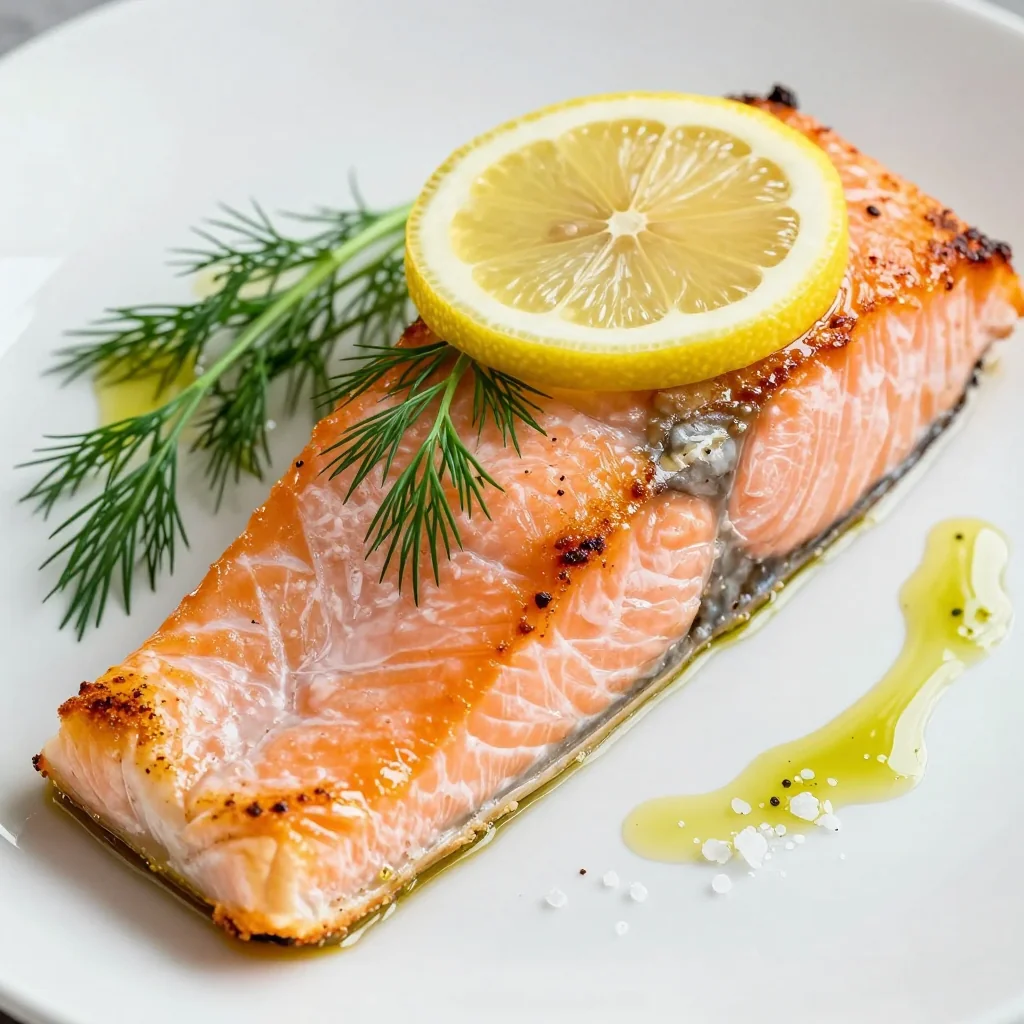
Love this? Pin it for later! 📌
There’s a moment—just after the lemon hits the hot pan, when the zest meets the sizzling salmon skin—when my kitchen smells like a seaside cottage in Maine and every deadline-driven stress of the week melts away. I developed this Baked Salmon with Dill and Lemon for the nights I want something that feels restaurant-worthy but secretly takes less effort than ordering take-out. It’s the recipe I text to friends who swear they “can’t cook fish,” the one I tuck into bridal-shower recipe cards, and the sheet-pan miracle that let me serve dinner to twelve guests while still enjoying the party. If you’re looking for a healthy, 30-minute meal that delivers omega-3s, vibrant flavor, and basically zero dishes, you just found your new forever favorite.
Why This Recipe Works
- One-Pan Wonder: Everything bakes on a single sheet of parchment—no fishy pans to scrub.
- Fail-Proof Timing: 12 minutes at 400 °F guarantees moist, flaky fillets every time.
- Flavor Layering: We season before, during, and after baking so each bite pops with citrus and dill.
- Meal-Prep Champion: Flakes beautifully over salads, rice bowls, or whole-grain pasta all week.
- Diabetes-Friendly: Zero added sugar, low saturated fat, and naturally gluten-free.
- Eco-Smart: Choose wild-caught Alaskan salmon for a sustainable, planet-happy dinner.
Ingredients You'll Need
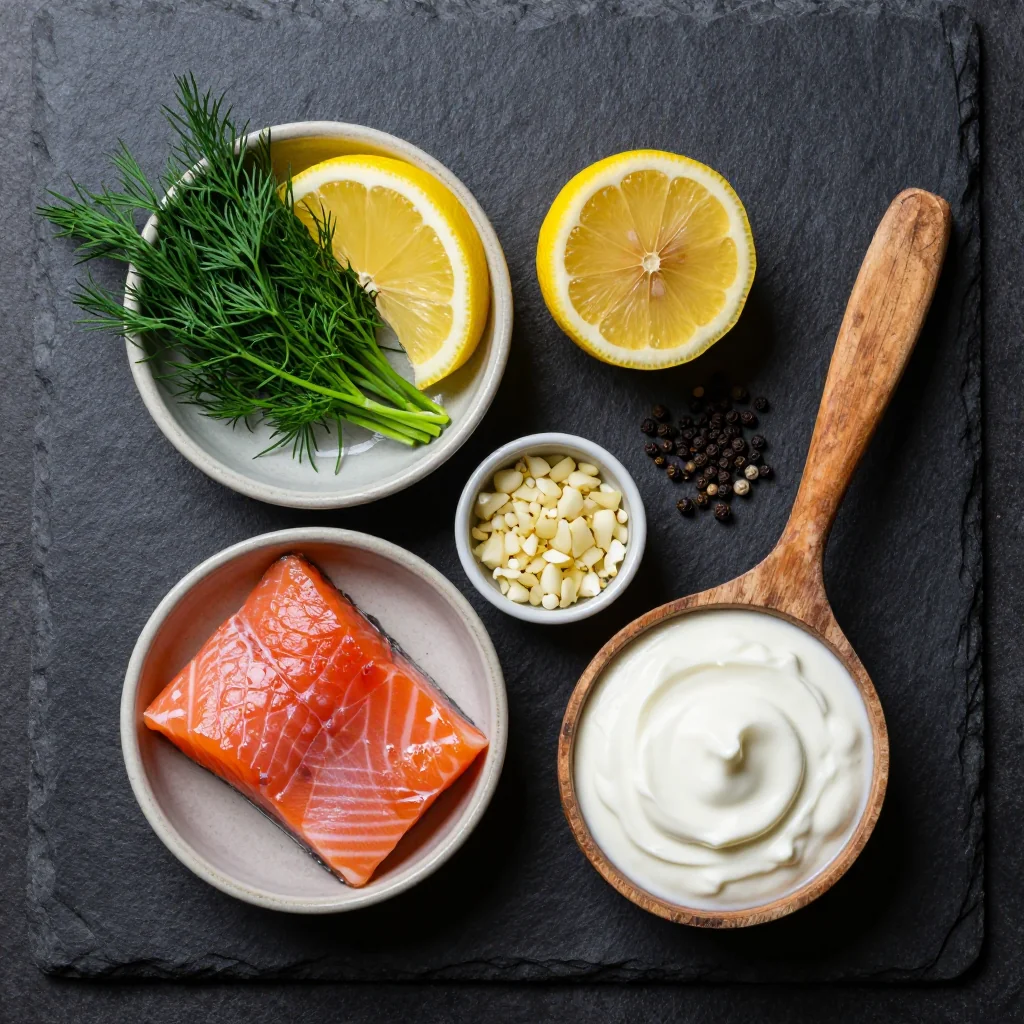
Great salmon needs very little, but each component here pulls its weight. Below are my non-negotiables plus the best substitutions if your pantry (or budget) demands flexibility.
Salmon Fillets: Look for center-cut pieces, skin-on or skin-off—your call. Skin-on protects the flesh from the heat and crisps up like a chip if you give it a quick broil at the end. I aim for 5–6 oz portions, 1 to 1¼ inches thick; they cook evenly and stay juicy. Wild-caught Coho or King is my splurge, but responsibly farmed Atlantic works on a Tuesday night. Give the fillets a quick rinse, then pat absolutely dry; moisture is the enemy of that gorgeous caramelized exterior.
Fresh Dill: Dried dill can’t hold a candle to the grassy, anise-kissed perfume of fresh fronds. Buy a big bunch, rinse, spin dry, and store upright in a jar of water like flowers—it’ll last a week. If you must sub, use 1 tsp dried dill weed per tablespoon fresh, but add it to the oil so the heat rehydrates the leaves.
Lemon—Zest & Juice: Organic lemons give you pesticide-free zest. I zest first, then halve and juice. One large lemon usually yields 1 Tbsp zest and 3 Tbsp juice, exactly what we need. Lime works in a pinch; reduce the juice to 2 Tbsp so the brighter acid doesn’t overpower the fish.
Extra-Virgin Olive Oil: A fruit-forward, buttery oil (think Ligurian or Californian) complements salmon’s richness. Melted ghee or avocado oil are high-heat alternatives.
Garlic: One small clove, micro-planed so it dissolves into the marinade and doesn’t scorch. Garlic powder is acceptable—use ½ tsp.
Sea Salt & Fresh Black Pepper: I season in three stages: a light cure before marinating, a medium sprinkle before baking, and a final pinch at the table. Diamond Crystal kosher salt measures differently than table salt; if using the latter, halve the quantity.
Optional but Awesome: A drizzle of honey (½ tsp) balances acid and encourages browning; crushed red-pepper flakes (¼ tsp) add subtle heat; and capers baked for the final 2 minutes burst into salty little bombs of joy.
How to Make Baked Salmon with Dill and Lemon for a Healthy Meal
Preheat & Prep Parchment
Set oven rack to middle position and preheat to 400 °F (204 °C). Tear a sheet of parchment large enough to overhang your baking sheet by 2 inches on all sides—this prevents scorched edges and makes cleanup a two-second crumple job. If your baking sheet is dark, the fish cooks 1 minute faster; light aluminum reflects heat and buys you extra wiggle room against overcooking.
Whisk the Marinade
In a small bowl, combine 2 Tbsp olive oil, 1 Tbsp lemon zest, 2 Tbsp lemon juice, micro-planed garlic, ½ tsp salt, ¼ tsp pepper, and optional honey. Stir until the salt dissolves and the mixture looks glossy. Dill isn’t added yet; its volatile oils survive better when sprinkled on top right before baking.
Pat & Place the Salmon
Place fillets skin-side down on the parchment. Blot again with paper towels—seriously, the drier the surface, the better the glaze adheres. If any pin bones remain, tug them out with tweezers, wiping the tool between pulls to keep the flesh pristine.
Brush & Marinate
Using a silicone brush, paint the tops and sides of each fillet with the marinade. Let rest 10 minutes at room temp—long enough for the acid to start tenderizing proteins but short enough to stay food-safe. Meanwhile, chop your side veggies; asparagus, broccolini, or sugar-snap peas all roast in the same 12-minute window.
Add Dill & Arrange Veggies
Sprinkle 1 Tbsp chopped fresh dill evenly over fillets. Scatter veggies around (not under) the fish; drizzle them with the remaining marinade and a pinch of salt. Leaving space between pieces ensures hot air circulates and everything browns instead of steams.
Bake & Probe
Slide the sheet into the oven and bake 8 minutes. At the 8-minute mark, insert an instant-read thermometer horizontally through the thickest portion; you’re looking for 125 °F for medium-rare (translucent coral center) or 130 °F for medium (opaque but still moist). Carry-over heat will raise the temp another 2–3 degrees while resting.
Optional Broil for Skin Crisp
If you left the skin on and crave crackling, switch oven to broil on high for 1–2 minutes. Keep the door ajar and watch like a hawk; parchment can ignite under intense heat, so have a foil shield ready to tent any over-brown spots.
Rest, Squeeze & Serve
Transfer salmon to warm plates, tent loosely with foil, and rest 3 minutes. This allows juices to redistribute so the first forkful isn’t dry. Right before serving, squeeze the remaining 1 Tbsp lemon juice across fillets and shower with the last pinch of dill. Plate alongside the roasted veggies and maybe a crusty slice of whole-grain sourdough to mop up the citrusy pan drippings.
Expert Tips
Use a Thermometer
Color alone is unreliable; once the thickest part hits 130 °F, you’re in the sweet spot between silky and chalky.
Dry = Crust
Water on the surface turns to steam and poaches rather than sears. Pat aggressively, even between marinade coats.
Room-Temp Rest
Cold fillets straight from the fridge extend cook time and can dry edges before the center is done. Ten minutes on the counter equals even heat.
Reuse the Parchment
If you’re roasting multiple batches, simply slide the used parchment onto a cooling rack, rinse quickly, and air-dry—it’s sturdy enough for two rounds.
Brighten After Heat
Fresh lemon juice added post-bake keeps its zing; if it’s cooked too long, the acid dulls and can taste bitter.
Freeze for Later
You can freeze marinated, uncooked fillets: lay flat on parchment, freeze solid, then stack in a zip bag. Bake from frozen, adding 4–5 minutes.
Variations to Try
- Mediterranean: Swap dill for 1 tsp each oregano and basil, add ¼ cup halved cherry tomatoes and olives to the sheet pan.
- Asian Twist: Replace lemon juice with lime, stir 1 tsp soy sauce and 1 tsp sesame oil into the marinade, and top with toasted sesame seeds and scallions.
- Smoky Maple: Omit honey, brush fillets with 1 tsp pure maple syrup and ¼ tsp smoked paprika before baking.
- Spicy Cajun: Add ½ tsp Cajun seasoning and ⅛ tsp cayenne; serve over dirty rice.
- Keto Herb Crust: Press 2 Tbsp finely grated Parmesan mixed with 1 Tbsp almond flour on top before broiling.
- Packed Parchment (en papillote): Fold fillets, dill, lemon, and a splash of white wine inside parchment packets; bake 11 minutes for built-in sauce.
Storage Tips
Refrigerate: Cool leftover salmon completely, then store in an airtight glass container up to 3 days. Place a lemon slice on top to help retain moisture and prevent the dreaded “fish fridge” smell.
Freeze: Flake into 1-cup portions, press into silicone muffin trays, drizzle with a little olive oil, and freeze. Once solid, pop out and store in a freezer bag up to 2 months. Add frozen flakes directly to pasta or chowder; they thaw within a minute over medium heat.
Reheat: Gently warm in a covered skillet with a splash of water or broth over low heat for 4 minutes. Microwave at 50 % power, 30-second bursts, with a damp paper towel on top to prevent rubbery edges.
Frequently Asked Questions
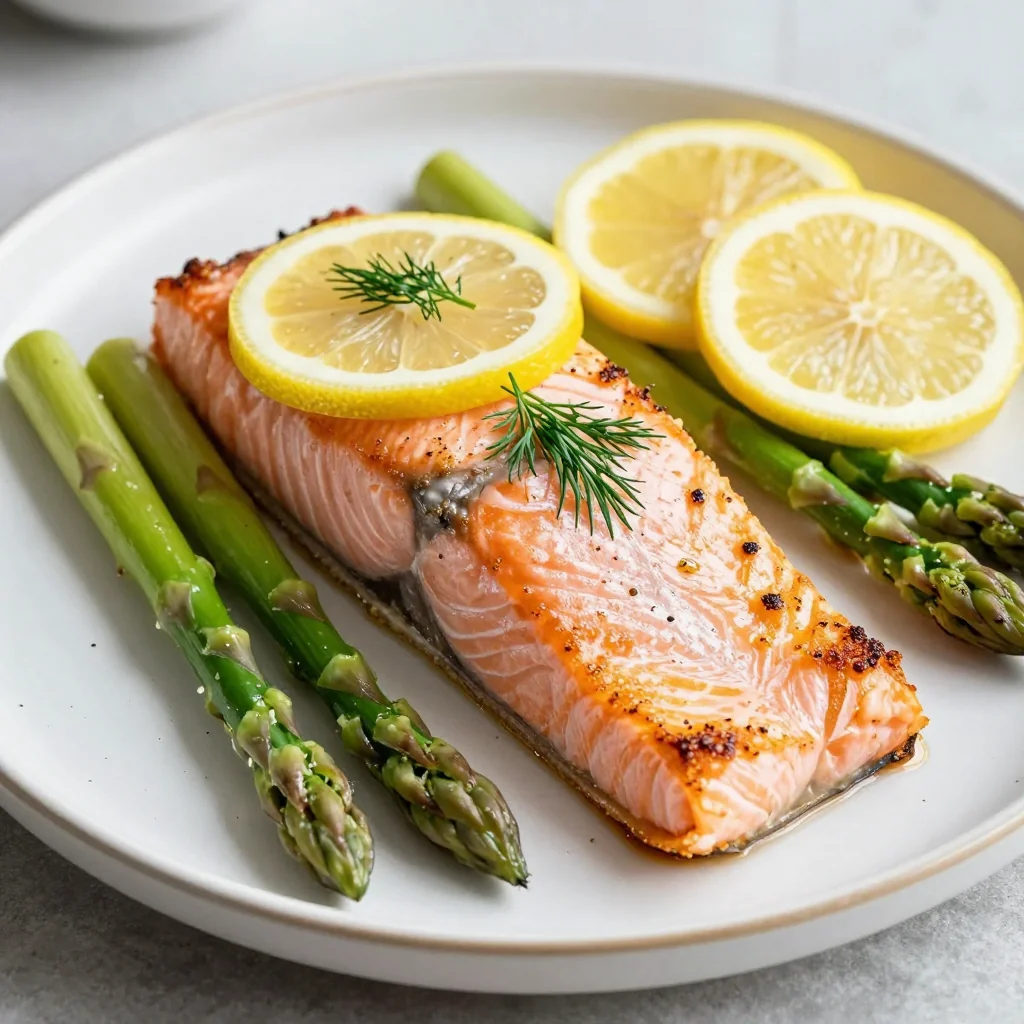
Baked Salmon with Dill and Lemon for a Healthy Meal
Ingredients
Instructions
- Preheat & Prep: Preheat oven to 400 °F. Line a rimmed baking sheet with parchment.
- Make Marinade: Whisk oil, zest, 2 Tbsp juice, garlic, ½ tsp salt, ¼ tsp pepper, and optional honey.
- Season Salmon: Pat fillets dry, set on parchment, brush tops & sides with marinade; rest 10 min.
- Add Herbs: Sprinkle 2 tsp dill and optional pepper flakes over fish. Arrange veggies if using.
- Bake: Bake 8 min, then begin checking internal temp; remove at 130 °F for medium.
- Broil (optional): Broil 1–2 min to crisp skin. Rest 3 min, drizzle remaining juice, sprinkle remaining dill & capers.
Recipe Notes
For ultra-crispy skin, broil the last 60 seconds and serve immediately. Leftovers keep 3 days refrigerated or 2 months frozen.