Introduction
I was staring at a raw slab of beef on my counter, the kind of tenderloin that could make a Michelin chef weep, and I realized I had no idea how to turn it into something that would impress. I had been watching a cooking show, the host bragging about a pepper crust that turns a steak into a work of art, and my kitchen felt like a battleground. I grabbed my skillet, added a splash of oil, and the first sizzle sounded like a tiny drum solo. That moment was a disaster in itself, because I forgot to season the meat before searing, and the surface turned out dull, not golden. But that was the spark that led me to experiment until I found the perfect balance of pepper, butter, and cream.
Picture the scene: the aroma of freshly ground black pepper swirling through the air, a faint hint of garlic, and the buttery scent rising from the pan. You can hear the hiss as the meat hits the hot surface, the sound of fat melting into a glossy sheen. The texture of the crust feels almost crystalline, crunching under your teeth like a brittle shell before giving way to a succulent center. The taste is a complex dance—spicy, savory, with a creamy undertone that lingers on the palate. It’s a sensory experience that turns an ordinary dinner into a celebration.
What sets this version apart is not just the pepper crust but the way every component is orchestrated to elevate the beef. I’ve stripped down the recipe to its essentials, eliminating unnecessary steps that often dilute flavor. The pepper blend is crafted to give a bright, aromatic hit without overpowering the natural taste of the meat. The sauce is silky, thickened with cream and wine, yet it coats the tenderloin like velvet, ensuring every bite is moist and rich. Most recipes get this wrong by over‑cooking or using a bland crust; this one delivers a perfect harmony of textures and flavors.
And here’s a little secret that will make you feel like a culinary wizard: I add a splash of dry white wine early in the searing process to deglaze the pan, which pulls up the caramelized bits that are the foundation of the sauce. I dare you to taste this and not go back for seconds. Let me walk you through every single step—by the end, you’ll wonder how you ever made it any other way.
What Makes This Version Stand Out
- Taste: The pepper crust delivers a bright, aromatic kick that complements the beef’s natural flavor without masking it. The creamy sauce adds depth, creating a balanced, indulgent bite.
- Texture: The crust forms a crisp, almost crystalline shell that shatters like thin ice when you bite into it, revealing a juicy, melt‑in‑your‑mouth center.
- Simplicity: With fewer than ten ingredients and a streamlined method, you can achieve restaurant‑level results without a culinary degree.
- Uniqueness: The combination of fresh herbs, a splash of white wine, and a touch of Dijon mustard gives this dish a signature twist that sets it apart from standard pepper‑crusted steaks.
- Crowd Reaction: Guests leave asking for the recipe because the dish is both impressive and comforting—ideal for dinner parties or family meals.
- Ingredient Quality: Using a high‑grade beef tenderloin and fresh, seasonal produce ensures maximum flavor and tenderness.
- Cooking Method: A two‑stage sear followed by a gentle simmer in a pan sauce locks in juices and builds a layered flavor profile.
- Make‑Ahead Potential: The sauce can be prepared in advance and reheated without losing its silky texture, making this a convenient weeknight option.
Alright, let’s break down exactly what goes into this masterpiece…
Inside the Ingredient List
The Flavor Base
The foundation of this dish is a simple yet powerful blend of freshly ground black pepper, kosher salt, and a hint of red pepper flakes. The pepper provides that bold, aromatic bite that is the hallmark of the crust. Salt draws out the beef’s natural juices, creating a juicy interior. If you skip the pepper, the meat will taste flat, like a bland steak with no personality. You can swap black pepper for a mix of smoked paprika and cumin for a smoky twist.
The Texture Crew
Butter and olive oil work together to create a glossy sear. Butter adds richness and helps the crust brown beautifully, while olive oil lowers the smoke point, preventing the butter from burning. A small amount of Dijon mustard is folded into the crust to bind the spices and add a subtle tang. If you’re vegan, replace butter with a high‑smoke‑point oil like grapeseed, and use a plant‑based mustard.
The Unexpected Star
Heavy cream and dry white wine form the silky sauce that coats the tenderloin. Cream thickens the sauce and gives it a luxurious mouthfeel, while the wine deglazes the pan, pulling up all the caramelized bits that carry the flavor. Skipping the wine will leave the sauce flat and less complex. For a lighter version, use half the cream and add a splash of chicken stock.
The Final Flourish
Fresh thyme and parsley are the finishing touches that add brightness and a burst of green color. Thyme infuses the sauce with herbal depth, while parsley adds a fresh, peppery note that cuts through the richness. If thyme isn’t in season, substitute rosemary or basil for a different aromatic profile. This final flourish is what turns a good dish into a memorable one.
Everything’s prepped? Good. Let’s get into the real action…
The Method — Step by Step
- First, pat the beef tenderloin dry with paper towels. A dry surface ensures a better sear. Season generously on all sides with kosher salt and freshly ground black pepper, pressing the spices into the meat. Let it sit at room temperature for 20 minutes; this step is crucial for even cooking.
- Heat a large, heavy‑bottomed skillet over high heat until it’s smoking hot. Add a tablespoon of olive oil, swirling to coat the pan. Once the oil shimmers, slide the tenderloin into the pan. You should hear an immediate sizzle—this is the sound of a perfect crust forming.
- Sear the meat for 3-4 minutes on each side, turning only once per side. The goal is a deep, caramelized brown crust, not a charred exterior. Use tongs to lift the meat and check the color; it should look like a dark, glossy shell.
- Add the butter and Dijon mustard to the pan. As the butter melts, spoon it over the meat, basting constantly. This step locks in moisture and infuses the crust with buttery richness. Keep the heat medium to avoid burning.
- Once the crust is golden, remove the tenderloin and set it aside to rest on a cutting board. While it rests, deglaze the pan with half a cup of dry white wine, scraping up all the browned bits. The wine should reduce by half, concentrating the flavor.
- Add the minced garlic and chopped shallots to the pan, sautéing until translucent, about 2 minutes. The aroma at this point is intoxicating, a blend of sweet onion and aromatic garlic. Be careful not to let them brown too much; you want them to soften, not caramelize.
- Pour in one cup of heavy cream and one cup of beef stock, stirring to combine. Bring the mixture to a gentle simmer, letting it thicken slightly. The sauce should coat the back of a spoon and have a velvety consistency. Stir in the fresh thyme; it will release its oils, adding herbal depth.
- Return the tenderloin to the pan, spooning some sauce over the top. Reduce the heat to low and let the meat finish cooking for 5-7 minutes, depending on your preferred doneness. Use a meat thermometer; 130°F (54°C) is medium‑rare, 140°F (60°C) is medium. This is the moment of truth—watch the internal temperature rise.
- Remove the steak from the pan and let it rest for 10 minutes. Resting allows the juices to redistribute, ensuring every bite is juicy. While it rests, reduce the sauce further if it’s too thin, or add a splash of cream to enrich it.
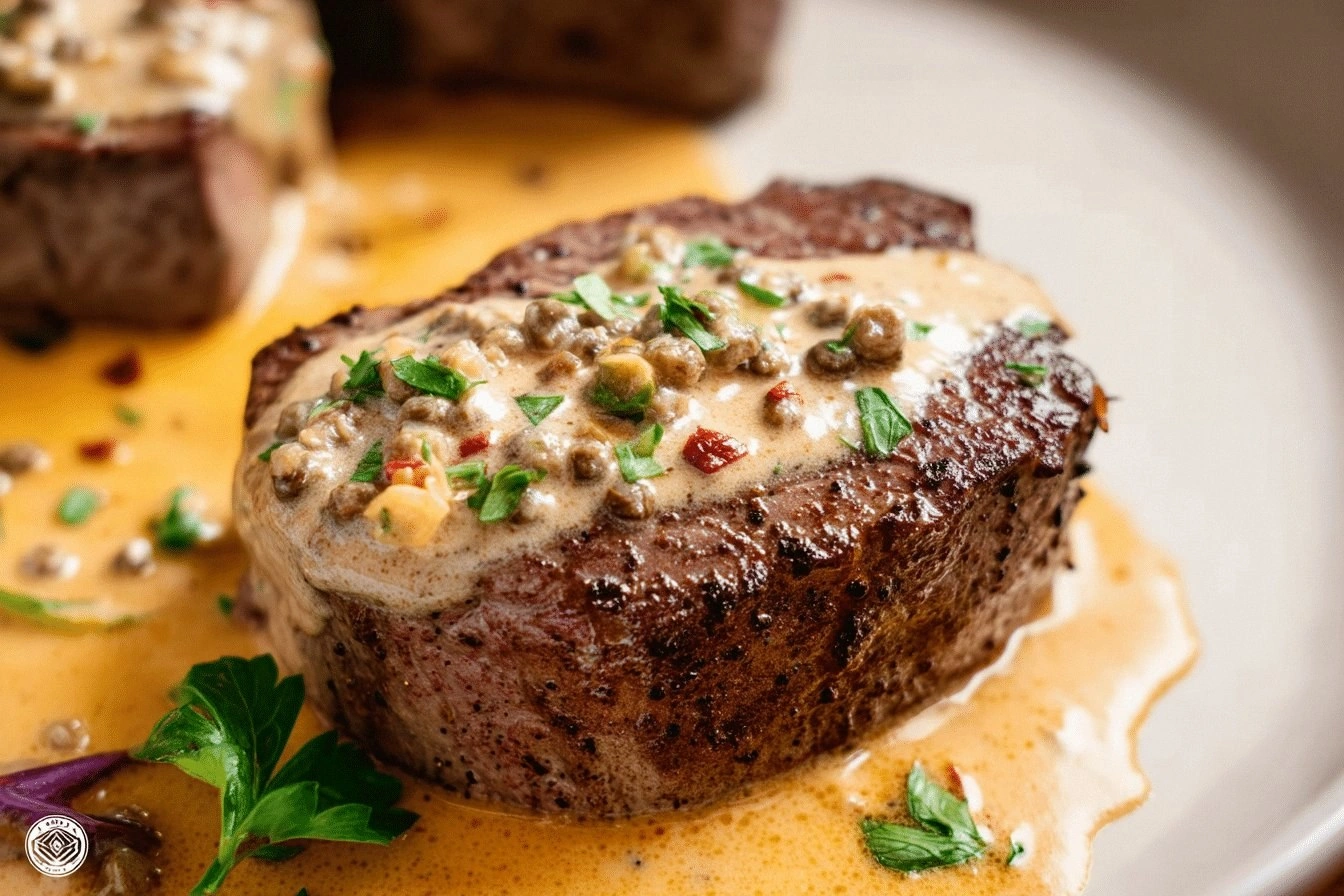
- Slice the tenderloin against the grain into 1/2‑inch thick medallions. Plate them, spooning the sauce over the top, and garnish with chopped parsley. The finished dish should look glossy, with a pepper crust that gleams and a sauce that glistens like a fine silk ribbon.
That’s it—you did it. But hold on, I’ve got a few more tricks that will take this to another level…
Insider Tricks for Flawless Results
The Temperature Rule Nobody Follows
Many people think a high heat is the only way to get a great crust, but the secret is to maintain a steady, medium‑high temperature. This allows the pepper to caramelize without burning. I keep a thermometer in the pan to ensure the temperature stays around 400°F (204°C). A slight dip in heat when adding butter prevents it from smoking.
Why Your Nose Knows Best
If the aroma of the sauce feels flat, trust your nose. Add a splash of white wine or a pinch of salt to awaken the flavors. The scent is often a better indicator of doneness than the heat alone. I’ve had friends who rely solely on timers; they end up with a dry steak.
The 5‑Minute Rest That Changes Everything
Resting the steak for exactly five minutes after searing, even before the final simmer, allows the juices to redistribute. If you cut into it too early, the juices rush to the surface and escape, leaving the meat dry. A quick 5‑minute rest is enough to lock in moisture while still keeping the steak hot.
Use a Meat Thermometer, Not a Guess
I’ve seen countless home cooks rely on the “touch test” and end up over‑cooking their steak. A digital thermometer is a small investment that guarantees perfect doneness. Insert it into the thickest part of the meat; remove it when the internal temperature reaches your desired level.
Finish With a Final Flip
When you return the steak to the pan for the final simmer, flip it over just once. This ensures the crust stays crisp on one side while the other side absorbs the sauce. Many people flip it multiple times, which breaks the crust and creates uneven seasoning.
Creative Twists and Variations
This recipe is a playground. Here are some of my favorite ways to switch things up:
Herb‑Infused Crust
Swap the black pepper for a blend of fresh rosemary, thyme, and oregano. The aromatic herbs give the crust a Mediterranean flair that pairs beautifully with the creamy sauce.
Smoky Chipotle Finish
Add a tablespoon of chipotle in adobo sauce to the sauce for a smoky, slightly sweet kick. This variation is perfect for those who love a bit of heat.
Garlic‑Butter Sauce
Replace the cream with a garlic‑butter sauce made from melted butter, minced garlic, and a splash of lemon juice. The sauce becomes lighter, allowing the beef’s flavor to shine.
Vegetable Side Swap
Serve the steak with roasted root vegetables or a fresh arugula salad to add crunch and brightness. The contrast of textures elevates the meal.
Cheese‑Topped Delight
Grate a handful of aged Gruyère over the sliced steak before serving. The cheese melts into the sauce, adding a nutty, savory dimension.
Wine‑Reduced Glaze
Simmer the wine and stock until it reduces to a syrupy glaze, then brush it over the steak. This gives the dish a glossy finish and a concentrated flavor burst.
Storing and Bringing It Back to Life
Fridge Storage
Cool the steak completely before refrigerating. Wrap tightly in plastic wrap and store in the fridge for up to 3 days. The sauce can be kept in a separate airtight container. When reheating, gently warm the steak in a pan with a splash of water to keep it moist.
Freezer Friendly
For longer storage, freeze the steak in a freezer‑safe bag. It will keep for up to 2 months. Thaw overnight in the fridge before reheating. The sauce freezes well; just add a splash of cream or milk to restore its silky texture.
Best Reheating Method
To reheat, use a low‑heat pan or a bain‑marie. Add a tiny splash of water or broth to the pan, then cover to create steam. This prevents the steak from drying out and keeps the sauce luscious.