Love this? Pin it for later! 📌
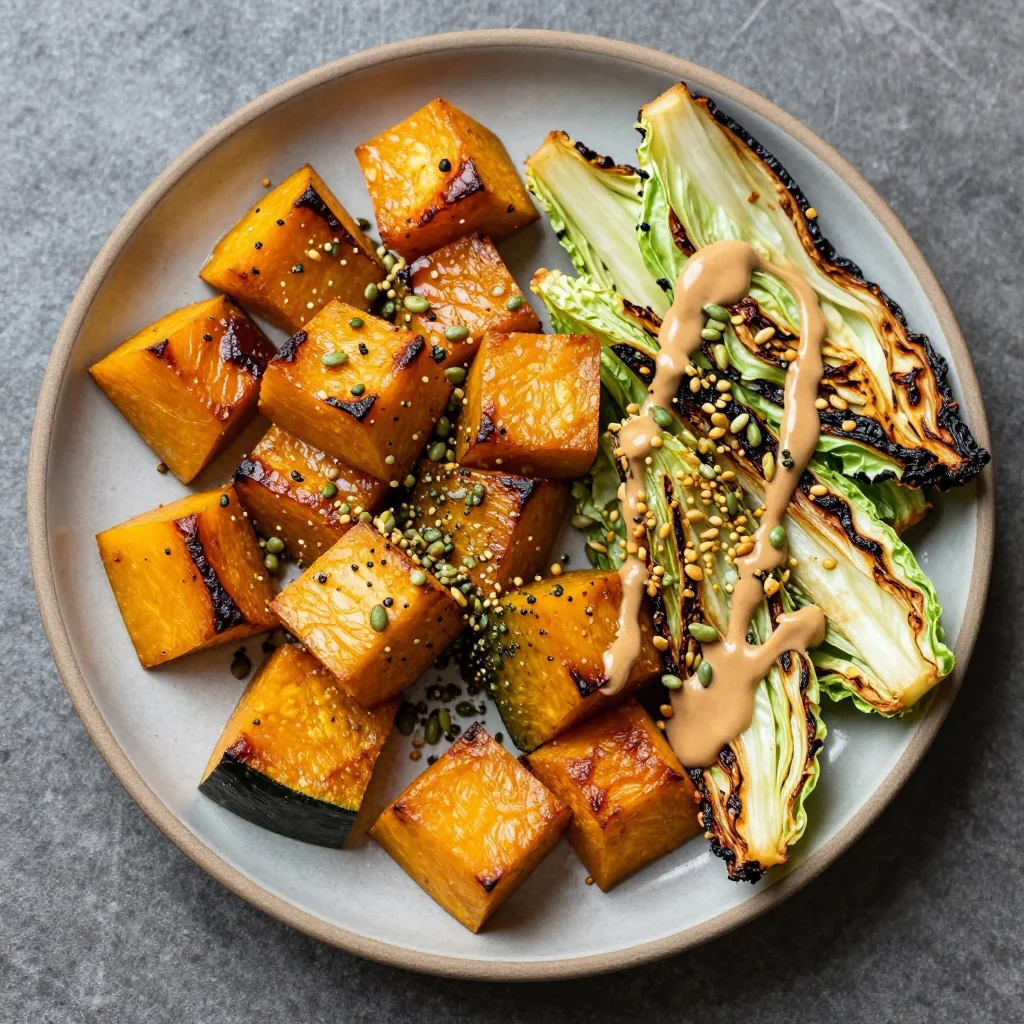
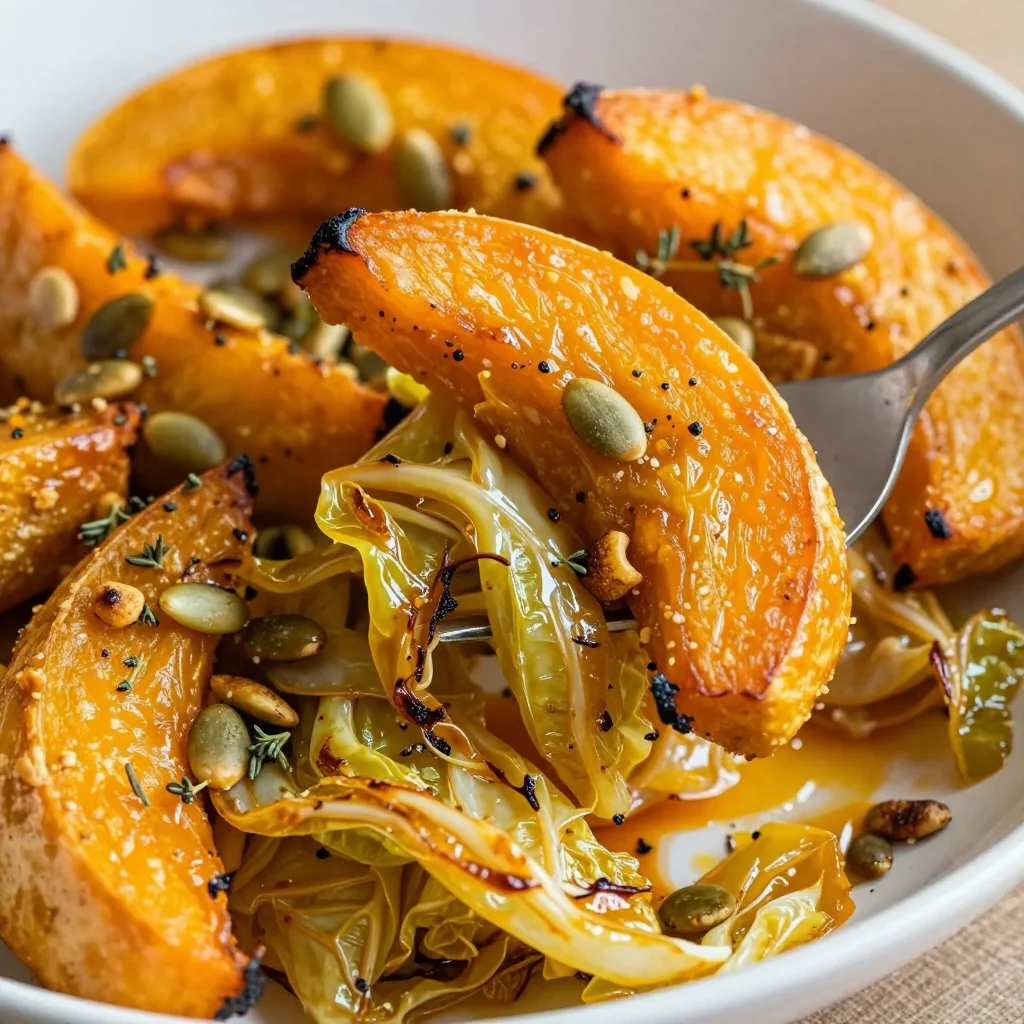
I still remember the first Tuesday in November when my grocery budget was down to its last fifteen dollars and the farmers’ market was practically giving away “ugly” squash and late-season cabbage for pocket change. I had a hungry household to feed, a roast chicken already in the oven, and zero desire to serve the same-old rice. What came out of that thrift-driven scramble became the side dish we now request by name: caramel-edged cubes of winter squash, whisper-sweet cabbage ribbons that crisp like kale chips on the edges, and a smoky-sweet glaze that tastes far more extravagant than its price tag. Over the years I’ve served this beside everything from holiday turkey to weeknight sausage, tucked leftovers into omelets, and even turned it into a vegetarian main by stirring in a can of chickpeas and a shower of feta. Whether you’re feeding a crowd on the cheap or simply craving something cozy that won’t wreck your January resolutions, this roasted winter squash and cabbage side dish is about to become your new back-pocket miracle.
Why This Recipe Works
- One-pan wonder: squash and cabbage share the same sheet tray, saving dishes and electricity.
- Cost-per-serving hovers around $0.75 thanks to humble produce and pantry staples.
- High-heat roast + light glaze create lacquered edges without burning, delivering restaurant-level flavor.
- Vegetarian, gluten-free, and dairy-free, yet substantial enough to double as a main.
- Make-ahead friendly: roast early, re-warm in skillet for bonus crispy bits.
- Customizable with any winter squash and whatever dried herbs live in your drawer.
Ingredients You'll Need
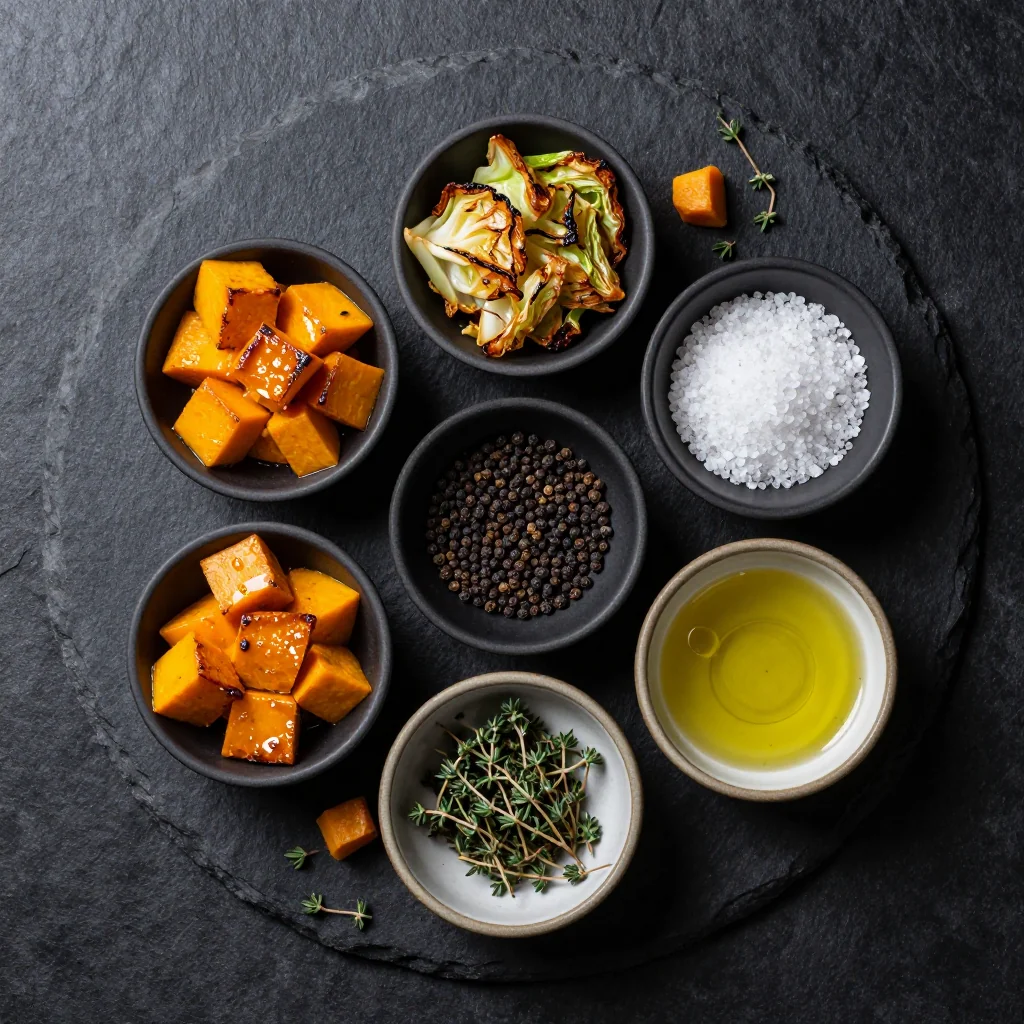
Before we talk technique, let’s talk produce. The beauty of this dish is its flexibility—any orange-fleshed winter squash will roast into candy-sweet cubes, while sturdy green or red cabbage transforms into feathery, char-kissed strips.
Winter Squash: Butternut is classic and easy to peel, but if your store has kabocha or red kuri on sale, grab those; their edible skin means less prep and extra fiber. A 2 ½–3 lb squash yields roughly 6 cups of ¾-inch cubes—enough to feed six as a side without breaking the bank. Look for specimens with matte, unblemished skin and a hefty feel; avoid any with soft spots or green streaks.
Cabbage: Green cabbage is cheapest, but a small savoy or even halved Brussels sprouts work. You want 8 loosely packed cups once sliced—about ½ medium head. Remove the core, then slice through the layers so the pieces are thin enough to crisp but wide enough to stay intact when tossed.
Fat: Two tablespoons of oil may seem stingy, but the indirect heat of a parchment-lined sheet and the natural sugars in the vegetables mean you can get away with less. I use light olive oil for its high smoke point, but melted coconut oil or even leftover bacon drippings add nuance.
Sweet & Sour Glaze: A teaspoon of maple syrup (or brown sugar) balances the squash’s earthiness, while a quick spritz of apple-cider vinegar brightens the cabbage. Soy sauce adds umami depth; tamari keeps it gluten-free. If you’re out of maple, honey works, but reduce the quantity slightly so it doesn’t scorch.
Spice: Smoked paprika is the secret handshake—just ½ teaspoon perfumes the entire tray. If heat is your love language, a pinch of cayenne or chipotle powder plays nicely. Don’t skip the salt; kosher flakes stick to the vegetables and draw out moisture, encouraging browning.
Optional Crunch: Toasted pepitas (pumpkin seeds) cost pennies when bought in bulk and add protein. If allergies are a concern, roasted sunflower seeds or even crushed ramen noodles (tossed on for the last 5 minutes) deliver snap.
How to Make Budget-Friendly Roasted Winter Squash and Cabbage Side Dish
Heat the oven and prep the pans
Position racks in the upper-middle and lower-third of your oven; preheat to 425 °F (220 °C). Line two rimmed sheet pans with parchment for easy release and minimal scrubbing later. If you only own one pan, roast the squash first, then the cabbage in the same hot pan so the frilly edges still char.
Cube the squash evenly
Peel (or don’t, if using kabocha), halve, and scoop seeds—save them for roasting later if you’re feeling thrifty. Cut into ¾-inch cubes; uniformity ensures each piece cooks in the same 25-minute window. Transfer to a large bowl.
Season the squash
Drizzle with 1 Tbsp olive oil, ½ tsp kosher salt, ¼ tsp black pepper, and ¼ tsp smoked paprika. Toss until every cube gleams, then spread on one sheet pan with breathing room—crowding equals steam, and we want caramelization.
Start the squash first
Slide the pan onto the upper rack and roast 10 minutes. Meanwhile, prep the cabbage.
Slice and season the cabbage
Cut the cabbage half into thin ¼-inch ribbons; you want volume that wilts dramatically. In the same bowl (no need to rinse), whisk together the remaining 1 Tbsp oil, 1 tsp maple syrup, 1 tsp soy sauce, 1 tsp apple-cider vinegar, and a pinch of salt. Add cabbage and toss with tongs until every strand is lacquered.
Combine and finish roasting
After the squash has roasted 10 minutes, scatter the cabbage over the second sheet pan (or directly on top of the squash if using one pan). Return both pans to the oven, rotating positions for even heat. Roast 12–15 minutes more, until squash edges bronze and cabbage frills darken like seaweed.
Toss and taste
Using a thin spatula, flip and combine vegetables on the pan so the maple-soy glaze coats everything. Taste a cube of squash; it should be tender-firm, not mushy. If you prefer deeper color, broil 2 minutes, watching like a hawk.
Garnish and serve hot
Transfer to a warm serving platter, shower with toasted pepitas and optional fresh thyme leaves. The residual heat will bloom the herbs. Serve immediately for peak crispness, or hold in a 200 °F oven up to 30 minutes.
Expert Tips
Screaming-hot oven
Don’t drop the temp to save energy—425 °F is the sweet spot where squash sugars caramelize in under 30 minutes without drying the interior.
Batch-peel squash
Microwave the whole squash 2 minutes; the skin softens enough for a Y-peeler to glide, saving knuckles and time.
Don’t drown in oil
Excess oil pools and causes sticking. Start conservative; you can always mist with more midway if vegetables look parched.
Rotate halfway
Even calibrated ovens have hot zones. Swapping pan positions prevents one tray from browning too fast.
Overnight flavor boost
Toss vegetables with glaze the night before; the salt lightly pickles the cabbage and infuses the squash for deeper flavor.
Stretch with stems
Save cabbage cores, dice small, and add to the pan—they roast into sweet, chewy nuggets that read almost like chestnuts.
Variations to Try
- Moroccan twist: swap smoked paprika for ½ tsp each ground cumin and coriander, finish with lemon zest and raisins.
- Asian fusion: replace maple with 1 tsp hoisin and a dash of sesame oil; garnish sesame seeds and scallions.
- Protein-packed main: fold in 1 can drained chickpeas during the last 8 minutes of roasting, then top with crumbled feta.
- Root-veg medley: substitute half the squash with parsnips or carrots for color contrast and natural sweetness.
- Keto-friendly: use olive oil only, replace maple with powdered erythritrol, and serve alongside grilled steak.
- Creamy finish: drizzle with 2 Tbsp tahini thinned with warm water and a squeeze of lime for a Middle-Eastern vibe.
Storage Tips
Cool completely, then refrigerate in a lidded container up to 4 days. The flavors meld beautifully, though the cabbage softens. To revive, spread on a hot skillet with a whisper of oil; the direct heat restores some crunch. Freeze portions in silicone bags up to 2 months; thaw overnight in the fridge and reheat at 400 °F for 10 minutes. Note: texture suffers slightly, so frozen leftovers are best pureed into soup with broth and a splash of coconut milk.
Frequently Asked Questions
Budget-Friendly Roasted Winter Squash and Cabbage Side Dish
Ingredients
Instructions
- Preheat & prep: Heat oven to 425 °F. Line two sheet pans with parchment.
- Season squash: Toss cubes with 1 Tbsp oil, paprika, ½ tsp salt, and pepper. Spread on first pan.
- Roast squash: Place on upper rack 10 minutes.
- Season cabbage: Whisk remaining oil, maple, soy, vinegar, and ¼ tsp salt in bowl; add cabbage and coat.
- Combine: Scatter cabbage onto second pan (or atop squash). Roast 12–15 minutes more, swapping racks halfway.
- Finish: Toss vegetables together on hot pan to glaze. Garnish and serve hot.
Recipe Notes
For extra crunch, add seeds during the last 2 minutes of roasting so they toast but don’t scorch.