Picture this: it’s a rainy Saturday afternoon, the kind that makes you want to curl up with a blanket, a good book, and something that smells like sunshine. I was halfway through a batch of bland, over‑mixed muffins that tasted like cardboard when my roommate dared me to create a muffin that could actually make the clouds part. I stared at the sad, flat tops and thought, “If I’m going to ruin a weekend, at least it should be spectacularly delicious.” That moment sparked a kitchen rebellion, and after a few frantic trips to the pantry, a zest‑filled orange, and a handful of tart cranberries, the “Citrus Orange Cranberry Muffins” were born.
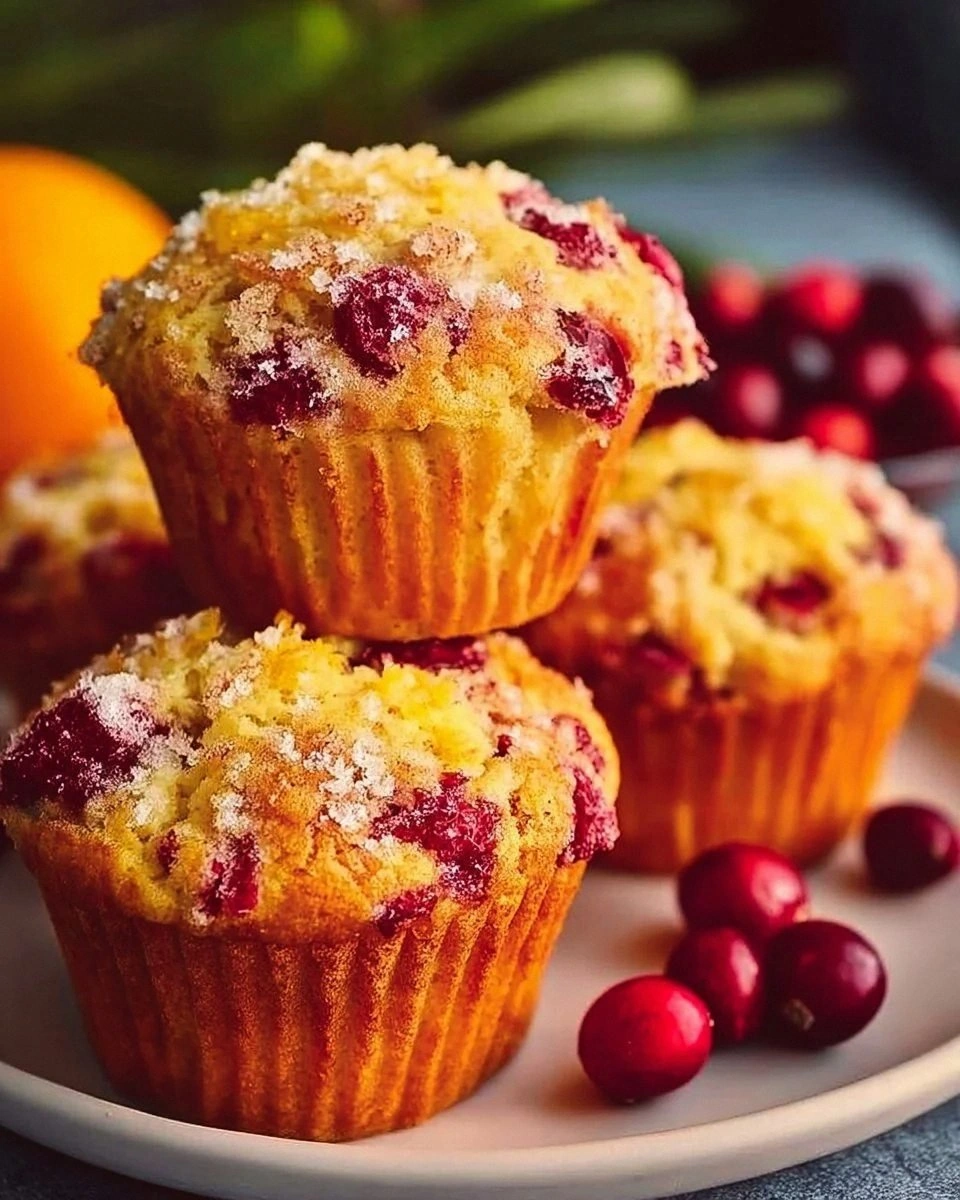
The moment those muffins hit the oven, the kitchen filled with an aroma that was part sunrise, part holiday market, and part fresh‑cut pine. The citrus zing danced with the sweet‑tart pop of cranberries, while the buttery crumb felt like a soft pillow you could sink into without guilt. I could hear the faint crackle of the batter as it settled into the tin, and the heat radiated a comforting warmth that made the whole house feel like a cozy bakery. When I finally pulled them out, the tops were golden‑brown with a subtle sheen, and the edges had just the right amount of crisp that shatters like thin ice under a spoon.
Most muffin recipes either drown the fruit in sugar or leave the citrus as an afterthought. This version, however, balances bright orange flavor with the natural tartness of cranberries, and it does so without any artificial extracts or gimmicky shortcuts. The secret? A simple technique that locks in moisture and a dash of orange zest that’s added at just the right moment to preserve its bright oils. I dare you to taste this and not go back for seconds—because once you’ve experienced that perfect bite, you’ll understand why I’m calling this the best version you’ll ever make at home.
Let me walk you through every single step — by the end, you’ll wonder how you ever made it any other way. Okay, ready for the game‑changer? This next part? Pure magic.
What Makes This Version Stand Out
- Flavor Fusion: The orange juice and zest give a bright, citrus punch that perfectly counters the cranberries’ tart bite, creating a harmonious dance on the palate.
- Moisture Mastery: By creaming butter and sugar first, we trap air, resulting in a fluffy interior that stays moist for days.
- Simplicity: Only ten ingredients, all pantry staples, and no fancy equipment—just a whisk, a bowl, and a brave spirit.
- Texture Triumph: The crumb is tender yet sturdy enough to hold whole cranberries without turning soggy, thanks to the balanced leavening agents.
- Crowd Reaction: These muffins have a habit of disappearing within minutes at brunches; expect applause and requests for the recipe.
- Ingredient Quality: Fresh orange zest and real cranberries make all the difference—no dried substitutes here.
- Cooking Method: Baking at a slightly lower temperature ensures even rise and a golden top without burning the delicate fruit.
- Make‑Ahead Potential: Freeze them individually, and they’ll be ready for a quick snack that tastes freshly baked.
Inside the Ingredient List
The Flavor Base
Freshly squeezed orange juice (1/3 cup): This provides the liquid backbone and a natural sweetness that sugar alone can’t achieve. If you skip it, the muffins lose their bright zing and become dull. A good substitute is a mix of orange extract and a splash of water, but you’ll miss the authentic citrus oils.
Orange zest (1 large orange): Zest is where the orange’s aromatic oils live, and they’re the secret to a perfume‑like crumb. Over‑zesting can turn bitter, so grate just the colored part, never the white pith. If you can’t find fresh oranges, a high‑quality freeze‑dried zest works in a pinch.
The Texture Crew
All‑purpose flour (1.5 cups): The backbone of structure; too much and the muffins become dense, too little and they collapse. For a lighter crumb, sift the flour with the leavening agents.
Baking powder (2 tsp) & Baking soda (0.5 tsp): The dynamic duo that gives lift. Baking soda needs an acid—our orange juice provides just enough to activate it without leaving a metallic aftertaste.
Unsalted butter, softened (0.5 cups): Softened butter incorporates air when creamed, creating that tender, melt‑in‑your‑mouth texture. If you use melted butter, you’ll end up with a cakey, flat muffin.
The Unexpected Star
Fresh cranberries (1 cup): Their tart burst cuts through the sweetness, adding a pop of color and a burst of flavor. If you use frozen cranberries, toss them in a little flour before folding to keep them from sinking.
The Final Flourish
Granulated sugar (1 cup): Sugar not only sweetens but also helps with browning, giving the tops that gorgeous caramelized sheen. You can swap half for brown sugar for a deeper flavor.
Large eggs (2): Eggs bind everything together and add richness. For a lighter version, replace one egg with a quarter cup of applesauce.
Salt (0.5 tsp): A pinch of salt amplifies all the flavors, making the orange and cranberry shine. Skipping salt is a common mistake that leads to bland muffins.
Everything's prepped? Good. Let's get into the real action…
The Method — Step by Step
Preheat your oven to 350°F (175°C) and line a 12‑cup muffin tin with paper liners. While the oven warms, give the tin a quick spray of non‑stick spray; this tiny step prevents the muffins from sticking and makes cleanup a breeze. The scent of warm metal will already start to whisper promises of golden tops.
In a large bowl, combine the softened butter and granulated sugar. Using a handheld mixer on medium speed, cream them together until the mixture is pale, fluffy, and looks like a cloud that’s about to burst. This is the moment of truth—if you don’t see the color lift, keep mixing; the texture depends on it.
Kitchen Hack: Scrape down the sides of the bowl with a rubber spatula after each minute of mixing to ensure every speck of butter is incorporated.Add the eggs one at a time, beating well after each addition. The batter should become glossy and a little thicker. Then stir in the orange zest and freshly squeezed orange juice, letting the citrus perfume fill the kitchen. You’ll notice a slight fizz as the acid meets the baking soda—this is exactly what we want.
In a separate bowl, whisk together the flour, baking powder, baking soda, and salt. This dry mix should be uniform, with no lumps. If you spot any, give it a quick sift; uneven leavening can cause those dreaded flat spots.
Now the gentle fold: add the dry ingredients to the wet mixture in three additions, folding with a rubber spatula each time. The batter should be thick but still pourable. Over‑mixing here will develop gluten and make the muffins tough, so stop as soon as you see no streaks of flour.
Fold in the fresh cranberries, distributing them evenly. If you’re using frozen berries, make sure they’re thawed and patted dry first; excess water will make the batter soupy. The berries should float like little jewels throughout the batter.
Spoon the batter into the prepared muffin cups, filling each about three‑quarters full. The tops should be smooth; a quick swipe of the spatula can level them if you like uniform tops. This is where the magic of the oven begins—watch the edges start to pull away, a sign they’re about to set.
Watch Out: Do not overfill the cups; excess batter can spill over, causing uneven tops and a gummy crust.Bake for 20‑25 minutes, or until a toothpick inserted into the center comes out clean and the tops are a deep golden brown. Around the 15‑minute mark, you’ll hear a faint crackle as the crust forms—this is the sound of flavor locking in.
Remove the muffins from the oven and let them cool in the tin for five minutes, then transfer to a wire rack. The cooling phase allows steam to escape, preventing soggy bottoms. While they cool, the aroma will intensify, making the kitchen feel like a citrus‑infused bakery.
That's it — you did it. But hold on, I've got a few more tricks that'll take this to another level…
Insider Tricks for Flawless Results
The Temperature Rule Nobody Follows
Most home bakers preheat to 375°F for muffins, assuming a higher heat yields a quicker rise. In reality, a moderate 350°F allows the batter to rise evenly, giving you a tender crumb and a beautifully caramelized top. I once tried the hotter route and ended up with a burnt crust and a gummy interior—trust me, the extra few degrees matter.
Why Your Nose Knows Best
Before you even set a timer, trust the scent. When the muffins start to smell like toasted almond and citrus, you’re within a minute of perfection. If the aroma turns too sweet or starts to smell like burnt sugar, pull them out early; the residual heat will finish the bake without over‑cooking.
The 5‑Minute Rest That Changes Everything
After the muffins have cooled on the rack, give them a five‑minute rest before slicing. This short pause lets the crumb set, preventing it from crumbling apart. I used to slice immediately and ended up with a mushy interior—this tiny wait makes the difference between “good” and “wow”.
Butter, Not Margarine, Every Time
Unsalted butter brings a richness that margarine can’t replicate. Its natural milk solids aid in browning, giving the tops that coveted golden hue. If you must use a substitute, choose a high‑fat butter alternative, but the flavor profile will shift.
Freeze for Freshness
Once the muffins are completely cooled, wrap each individually in parchment and store them in a zip‑lock bag in the freezer. When you need a quick snack, pop one in the microwave for 20 seconds with a splash of water; the result is as if you just pulled it from the oven.
Creative Twists and Variations
This recipe is a playground. Here are some of my favorite ways to switch things up:
Chocolate‑Swirl Surprise
Swirl in a tablespoon of melted dark chocolate before baking. The chocolate adds depth and a bittersweet counterpoint to the bright citrus, perfect for chocolate lovers.
Spiced Autumn Edition
Add a pinch of ground cinnamon and nutmeg to the dry ingredients, and replace half the orange juice with apple cider. The result is a warm, cozy muffin that feels like fall in a bite.
Almond‑Infused Delight
Replace half the flour with almond flour and add a teaspoon of almond extract. The nutty undertone pairs beautifully with the orange, creating a sophisticated flavor profile.
Glazed Finish
Brush the tops with a simple glaze made from powdered sugar, orange juice, and a drop of vanilla extract right after they cool. The glaze adds a glossy finish and a sweet burst that kids adore.
Vegan Version
Swap butter for coconut oil, use flax eggs (2 tbsp ground flaxseed + 6 tbsp water per egg), and replace orange juice with orange‑flavored almond milk. The texture stays moist, and the flavor remains true.
Berry Medley Mix
Combine cranberries with chopped dried apricots or fresh blueberries for a more complex fruit experience. The additional berries add bursts of juiciness and visual appeal.
Storing and Bringing It Back to Life
Fridge Storage
Place the muffins in an airtight container and store them in the refrigerator for up to five days. A paper towel at the bottom of the container absorbs excess moisture, keeping the tops from getting soggy.
Freezer Friendly
Wrap each muffin tightly in parchment, then place them in a freezer‑safe zip‑lock bag. They’ll stay fresh for up to three months. When you’re ready to enjoy one, let it thaw at room temperature for ten minutes, then give it a quick microwave zap with a splash of water.
Best Reheating Method
Preheat a skillet over low heat, add a tiny splash of water, and place the muffin cut‑side down for 30 seconds, then flip and heat the other side for another 30 seconds. This steams the interior back to fluffiness while reviving the crisp crust.