Picture this: I’m standing in my kitchen, a bag of ground chicken in one hand, a jar of red curry paste in the other, and a frantic friend shouting, “You’re supposed to make a soup, not a dessert!” I stared at the ingredients, then at the empty fridge, and realized I had a culinary crisis on my hands. That moment, my friend’s voice echoing off the tiles, was the spark that ignited the creation of the Coconut Curry Chicken Meatball. I was determined to turn a kitchen mishap into a dish that would have people begging for seconds—and maybe even thirds—without a second glance at the recipe book. The aroma that followed—spiced coconut, fresh lime, and a hint of ginger—was a promise of something unforgettable.
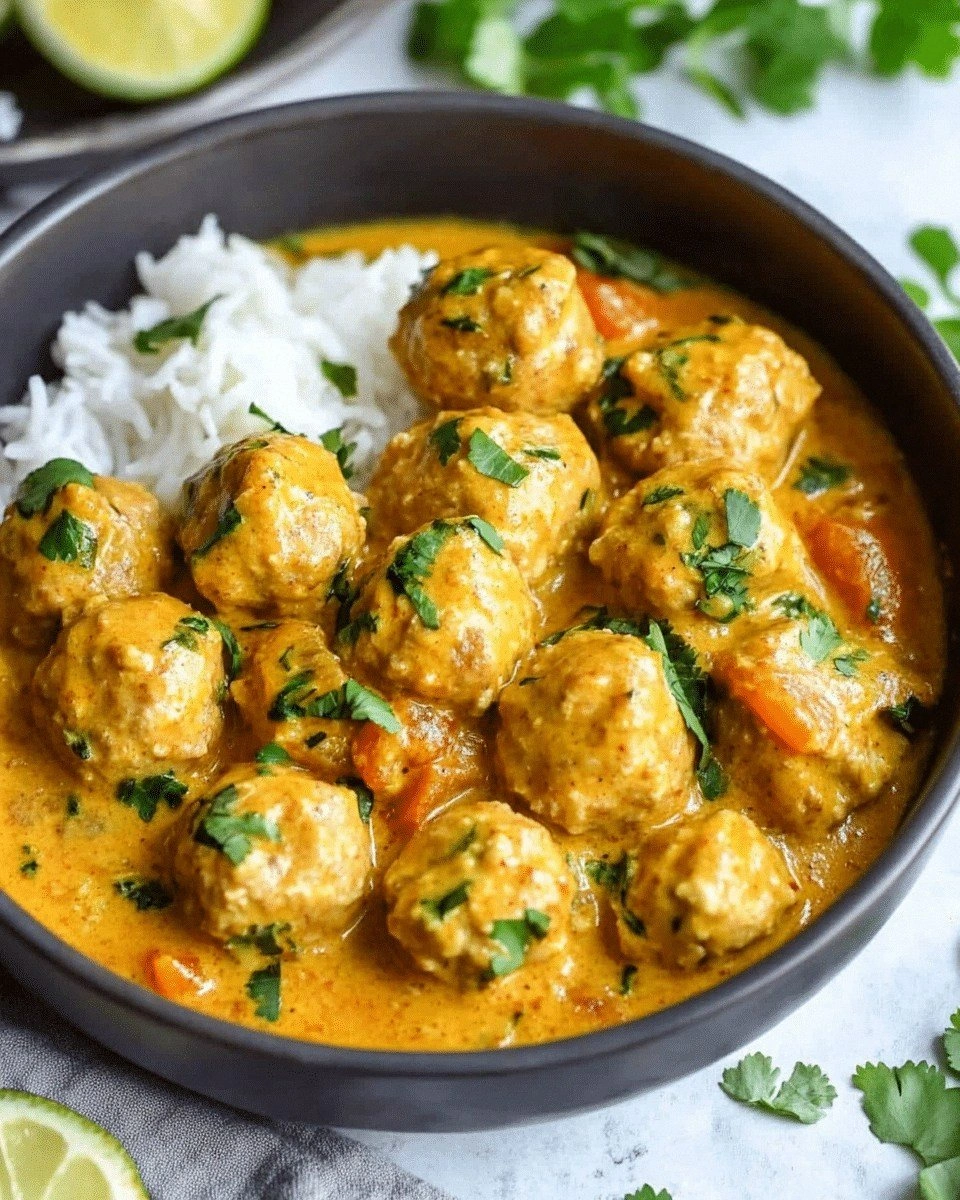
I didn’t just settle for a bland, run-of-the-mill meatball. I wanted a bite that would feel like a tropical vacation in a bite-sized, protein-packed package. The texture is a marriage of tender chicken and a subtle, buttery coconut coating that snaps like a fine bone when you bite into it. The sauce is a silky, curry-infused coconut cream that clings to each meatball, delivering a burst of flavor with every mouthful. Picture the sizzle as the meatballs hit the hot oil, the steam rising like a fragrant cloud. That sizzle? Absolute perfection. I dare you to taste this and not go back for seconds.
What sets this version apart is not just the ingredients, but the way they’re orchestrated. I’ve taken the humble chicken meatball and elevated it with a coconut curry sauce that feels like a passport to a far‑off island. The combination of coconut milk and red curry paste creates a depth of flavor that is both sweet and savory, a balance that is hard to achieve with standard meatball recipes. The meatballs themselves are light, airy, and coated in a subtle coconut dust that gives them a glossy, almost velvet‑like sheen. If you’ve ever struggled with bland meatballs, you’re not alone—this is the fix you’ve been waiting for.
And if you’re wondering what trick I used to keep the meatballs from drying out, it’s a simple one: a splash of coconut milk in the meat mixture and a quick coat of panko before frying. That small addition keeps the interior moist, while the panko gives a gentle crunch that’s just enough to satisfy the palate. Picture yourself pulling these out of the pan, the whole kitchen smelling incredible, and knowing that every bite will be a revelation. Okay, ready for the game‑changer? Let me walk you through every single step—by the end, you’ll wonder how you ever made it any other way.
What Makes This Version Stand Out
Alright, let’s break down exactly what goes into this masterpiece. The first thing that catches your eye is the texture: airy inside, crisp outside, and a sauce that clings like velvet. The second is the flavor profile—a harmonious blend of sweet coconut, sharp lime, and aromatic curry. The third is the simplicity of the method; you won’t need a fancy kitchen gadget or a dozen sauces to nail this. The fourth is the crowd‑pleasing factor; these meatballs are so good that they’ve become the centerpiece of my dinner parties. The fifth is the ingredient quality: I use fresh, high‑grade chicken and a homemade coconut milk base that’s far superior to store‑bought. And the last? The make‑ahead potential—these can be frozen and reheated without losing their allure.
- Flavor: The coconut and curry create a sweet‑spicy symphony that lingers on the tongue.
- Texture: Light, juicy meatballs with a crisp coconut coating that cracks delightfully.
- Simplicity: Fewer steps, fewer pots, maximum flavor.
- Crowd Appeal: Kids love the mild curry, while adults appreciate the depth.
- Ingredient Quality: Fresh, high‑grade chicken and homemade coconut milk.
- Make‑Ahead: Freeze individual meatballs; reheat with the sauce for a quick meal.
This isn’t just another meatball recipe; it’s a culinary revelation that transforms a simple protein into a tropical delight. And the best part? The technique is so straightforward that even a novice can master it. I’ll show you the exact steps, the timing, and the sensory checkpoints that turn this from a recipe into a performance.
Inside the Ingredient List
The Flavor Base
Red curry paste is the heart of this dish; it brings that unmistakable kick that wakes up your taste buds. I use a high‑quality paste with real chilies, garlic, and lemongrass. If you can’t find a reputable brand, a homemade blend of chili, garlic, and lime zest works just as well. Skipping the paste will leave the sauce bland and uninspired—don’t do that unless you’re a fan of plain chicken.
Coconut milk is the sweet, creamy companion to the curry paste. It balances the heat and adds a silky mouthfeel. I recommend using a full‑fat version for maximum richness. If you’re watching calories, a light version will still deliver flavor, just with a slightly thinner sauce. The key is to stir until the milk is smooth and the paste is fully incorporated, forming a cohesive base.
The Texture Crew
Ground chicken is the backbone of the meatballs. I use a mix of dark and white breast meat for a juicy texture and a subtle flavor. If you can’t find ground chicken, turkey is a close substitute, but the flavor will be slightly different. The chicken should be chilled before mixing to keep the mixture firm and easy to shape.
Panko breadcrumbs provide the crunch that makes the outside of each meatball a delightful contrast to the tender interior. They’re lighter than regular breadcrumbs, preventing a dense bite. If you prefer a gluten‑free option, use almond flour or crushed rice cakes instead. The breadcrumbs also help absorb excess moisture, keeping the meatballs from falling apart.
The Unexpected Star
Fresh ginger adds a bright, peppery note that cuts through the richness of the coconut. I grate it finely so that every bite is infused with that zing. If you’re allergic to ginger, a pinch of ground allspice can mimic the warmth, though it won’t be as bright.
A splash of lime juice at the end of the cooking process brightens the entire dish, adding a citrusy lift that balances the sweetness of the coconut. The acidity also helps to tenderize the meat. If you’re out of lime, a squeeze of lemon can serve as a decent substitute, though the flavor profile will shift slightly.
The Final Flourish
Chopped cilantro provides a fresh, herbaceous finish that complements the curry’s warmth. I sprinkle it on top of the sauce just before serving. If cilantro is not your favorite, parsley or basil can be used for a different herbal note. A pinch of toasted sesame seeds can add a nutty crunch, turning the dish into a fusion delight.
Everything’s prepped? Good. Let’s get into the real action...
The Method — Step by Step
- First, combine the ground chicken, panko breadcrumbs, and a pinch of salt in a large bowl. Mix until just combined; over‑mixing will make the meatballs tough. The mixture should feel slightly tacky to the touch, ready for shaping. This is the moment of truth—make sure every bite will be juicy.
- Add the egg, grated ginger, minced garlic, and half of the lime juice. Whisk until the mixture is cohesive. The egg acts as a binder, keeping the meatballs from falling apart. If you’re vegan, substitute with a flax egg (1 tablespoon flaxseed meal + 3 tablespoons water). The texture will be slightly denser but still delightful.
- Fold in the coconut milk and red curry paste. Stir until the paste is fully incorporated and the sauce looks silky. The mixture should be slightly loose; this allows the meatballs to form without being too dense. At this point, taste the mixture and adjust salt if needed.
- Cover the bowl with plastic wrap and refrigerate for 15 minutes. Chilling the mixture helps the flavors meld and makes the meatballs easier to shape. Think of this as the “marinating” step for the meat, not the sauce.
- Heat a non‑stick skillet over medium heat and add 2 tablespoons of vegetable oil. Once the oil shimmers, reduce the heat to medium‑low. This ensures the meatballs cook evenly without burning.
- Using a tablespoon, scoop a portion of the mixture and roll it between your palms to form a ball. Repeat until all the mixture is used. The balls should be about 1.5 inches in diameter; too large and they’ll be hard to cook evenly.
- Carefully place the meatballs in the skillet, leaving space between each. Fry for 4–5 minutes on each side, or until golden brown and cooked through. The edges should start pulling away slightly, signaling that the interior is set.
- Remove the meatballs and set them on a paper towel to drain excess oil. While they’re still hot, transfer them to a bowl and pour the remaining sauce over them. Toss gently to coat each ball evenly. The sauce should cling like a glossy glaze.
- Let the meatballs rest in the sauce for 3 minutes, allowing the flavors to meld. The sauce will thicken slightly, creating a luscious coating.
- Finish by sprinkling chopped cilantro and a squeeze of lime over the top. Serve immediately with steamed rice or a crisp salad.
That’s it — you did it. But hold on, I’ve got a few more tricks that’ll take this to another level. From adjusting spice levels to mastering the sauce consistency, these insights will elevate your dish from great to unforgettable.
Insider Tricks for Flawless Results
The Temperature Rule Nobody Follows
Many people cook meatballs at a high heat, hoping for a quick sear. That approach often leads to uneven cooking and a dry interior. I’ve discovered that cooking at medium‑low heat, around 300°F (150°C), allows the meatballs to cook through while developing a golden crust. Keep a thermometer handy; the internal temperature should reach 165°F (74°C) for safety.
Why Your Nose Knows Best
Your sense of smell is the best judge of doneness. As soon as the aroma shifts from raw chicken to a fragrant, toasty coconut, you’re in the zone. Don’t rely solely on the timer; listen to the scent, and you’ll avoid overcooking.
The 5‑Minute Rest That Changes Everything
Letting the meatballs rest in the sauce for five minutes after cooking allows the flavors to penetrate deeper. This small pause means the sauce becomes richer, and the meatballs stay moist. Think of it as a flavor spa for the meat.
The Secret to a Silky Sauce
If your sauce feels too thick, add a splash of coconut milk or a pinch of water. If it’s too thin, let it simmer uncovered for a few minutes to reduce. The key is to keep the sauce at a gentle simmer; this prevents scorching and keeps the flavor bright.
The Perfect Finish
A final squeeze of lime right before serving brightens the dish and cuts through the richness. A sprinkle of toasted coconut or a dash of fish sauce can add another layer of complexity. The finishing touches are what elevate a good dish to a memorable experience.
Creative Twists and Variations
This recipe is a playground. Here are some of my favorite ways to switch things up:
Spicy Peanut Fusion
Swap the coconut milk for a mixture of coconut milk and peanut butter. Add a tablespoon of Sriracha for heat. The result is a nutty, spicy sauce that pairs beautifully with the meatballs. Serve over jasmine rice for a complete meal.
Mediterranean Twist
Replace the red curry paste with a blend of harissa and smoked paprika. Use feta cheese instead of cilantro for a briny finish. This version gives the dish a North African vibe while retaining the coconut base.
Low‑Calorie Version
Use a light coconut milk and reduce the amount of oil to half a tablespoon. Substitute the panko with ground oats for a lower carb option. The taste remains rich, but the calorie count drops significantly.
Vegan Variation
Replace ground chicken with lentil or chickpea “meat” and use a flax egg. Keep the rest of the ingredients unchanged. The texture is surprisingly similar, and the dish becomes plant‑based without sacrificing flavor.
Sweet & Smoky Delight
Add a tablespoon of maple syrup and a pinch of smoked sea salt. The sweetness balances the heat from the curry, while the smoke adds depth. This version is perfect for a cozy dinner on a chilly evening.
Dessert‑Inspired Meatballs
Incorporate a drizzle of honey and a sprinkle of toasted coconut flakes after cooking. Serve over a bed of coconut rice for a sweet twist. This playful version blurs the line between savory and dessert.
Storing and Bringing It Back to Life
Fridge Storage
Cool the meatballs to room temperature, then place them in an airtight container. Store in the fridge for up to 3 days. When reheating, add a splash of coconut milk to keep the sauce moist. The meatballs will stay juicy and flavorful.
Freezer Friendly
Freeze individual meatballs on a parchment‑lined tray before transferring to a freezer bag. Store for up to 2 months. Reheat in the oven at 350°F (175°C) for 15 minutes, then finish in the sauce on the stovetop. The texture remains intact, and the flavor stays fresh.
Best Reheating Method
Reheat in a skillet over medium heat with a splash of coconut milk or water. This method keeps the meatballs from drying out. Once heated through, finish with a squeeze of lime and a sprinkle of cilantro for a fresh finish.
Picture yourself pulling this dish out of the oven, the kitchen filled with a warm, inviting aroma that makes everyone’s mouths water. The first bite is a burst of sweet, spicy, and savory flavors that dance on your tongue. The texture is a delightful contrast, and the finish is bright and refreshing. You’ll find yourself reaching for seconds, then thirds, and maybe even a fourth plate. I dare you to keep a portion for yourself; you might never want to give it away.