Picture this: the kitchen is a battlefield, pots clanging, a half‑cooked lobster on a cutting board, and you, a culinary daredevil, deciding that tonight's dinner will be nothing short of legendary. The moment I cracked open a fresh lobster at the market, the sweet, briny aroma flooded my senses, and I knew I had to turn that raw treasure into something that would make even the most seasoned foodie swoon. I stared at the pan, the sizzling butter, and the clinking of garlic cloves, and I whispered, “I dare you to taste this and not go back for seconds.” That promise, that audacious challenge, became the heartbeat of this recipe. It’s not just a dish; it’s a declaration that you can bring the ocean’s finest to your table with a splash of confidence, a pinch of wit, and a whole lot of flavor.
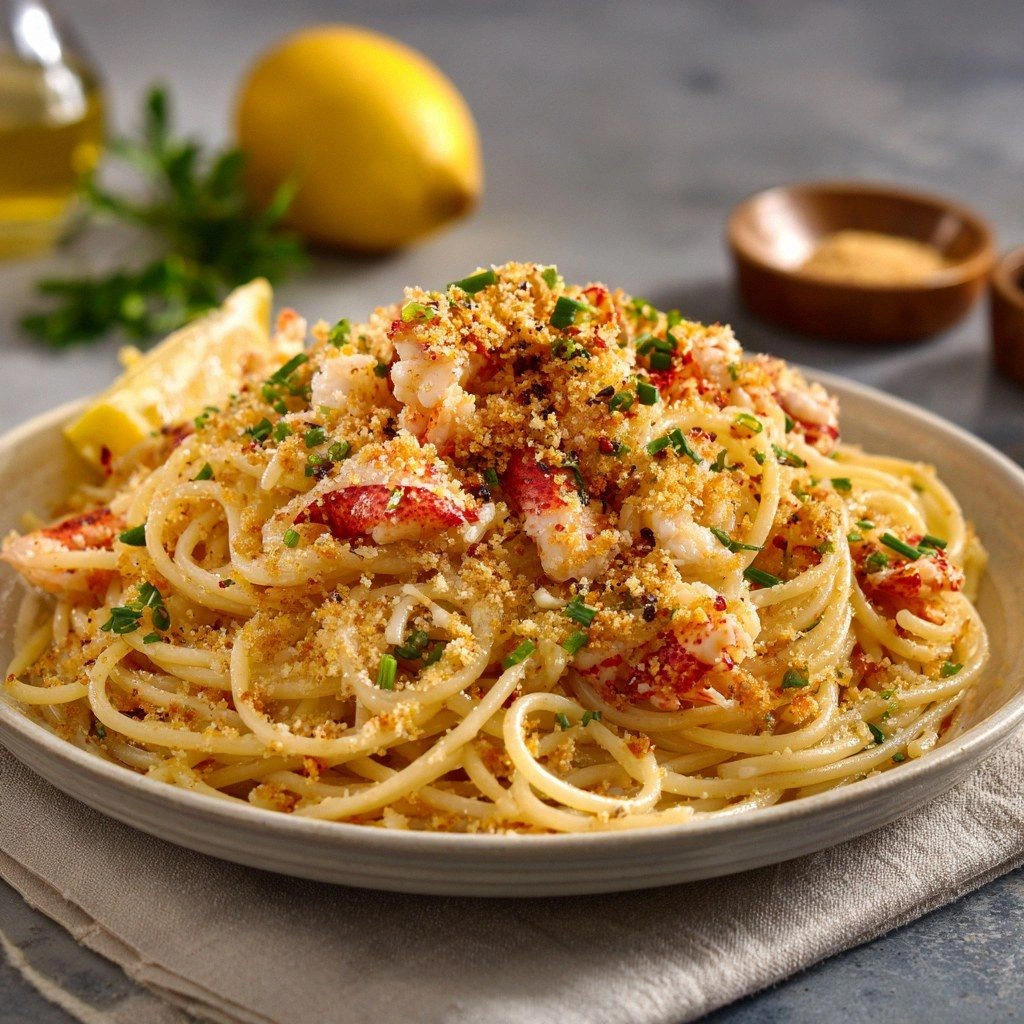
From the first glance to the final bite, every step is a sensory symphony. The lobster meat, once raw, now glistens like a pearl under the skillet’s heat, releasing a faint but unmistakable oceanic perfume that mingles with the buttery aroma of garlic. The sauce, thickened with cream and Parmesan, coats the pasta like velvet, each strand hugging the glossy, fragrant strands. The sound of the simmering sauce is a comforting hiss, a cue that everything is falling into place. When you lift a forkful, the combination of buttery lobster, tender pasta, and rich sauce feels like a warm hug in a bowl. The first taste is a crescendo of briny sweetness, creamy richness, and a subtle citrus lift that dances on your palate.
What makes this version stand out from every other recipe out there? It’s the meticulous balance of textures, the strategic use of lobster stock to deepen the flavor, and the subtle citrus twist that lifts the entire dish. Most recipes get this completely wrong by either overcooking the pasta or drowning the delicate lobster in a heavy sauce. Here, the pasta is al dente, the sauce is silky but not cloying, and the lobster remains tender and juicy. The secret? A quick sear of the lobster meat to lock in moisture, a splash of dry white wine to deglaze and add acidity, and a finish with fresh lemon zest to brighten every bite. The result is a dish that feels both luxurious and approachable, a true crowd‑pleaser that will have guests asking for seconds.
And now, the game‑changer: a touch of lobster stock. By incorporating a small amount of lobster stock, you amplify the umami without overpowering the dish. The stock is made by simmering the shell and any leftover lobster bits, then straining for a clear, golden broth that carries the essence of the sea. When added to the sauce, it adds depth, making each bite feel like a voyage to the coast. I dare you to taste this and not go back for seconds. Let me walk you through every single step — by the end, you'll wonder how you ever made it any other way.
What Makes This Version Stand Out
- Taste: The combination of briny lobster, creamy sauce, and citrus zest creates a flavor profile that feels like a seaside sunrise. Each bite delivers a layered experience, from the initial sweetness of the lobster to the lingering zest. The sauce’s richness is balanced by the acidity, preventing it from feeling heavy.
- Texture: The spaghettini is cooked to al dente perfection, providing a slight bite that contrasts beautifully with the buttery lobster. The sauce clings to each strand without coating it, maintaining a silky mouthfeel. The final touch of fresh parsley adds a subtle crunch.
- Simplicity: Despite its luxurious taste, the recipe requires only a handful of ingredients and straightforward techniques. No complicated steps or hard‑to‑find items. It’s a recipe that can be mastered in a single evening.
- Uniqueness: The use of lobster stock and a splash of white wine sets this dish apart from classic lobster pasta recipes that rely on heavy cream alone. It offers a nuanced depth that elevates the dish.
- Crowd Reaction: Guests often remark that this is “hands down the best version you’ll ever make at home.” The dish is impressive enough for a dinner party yet simple enough for a weekday.
- Ingredient Quality: Fresh, high‑quality lobster is key. A good quality butter and a generous splash of white wine also contribute to the dish’s overall excellence.
- Cooking Method: The quick sear of lobster, deglazing, and finishing with a citrus twist create a sauce that’s both flavorful and light.
- Make‑Ahead Potential: The sauce can be prepared in advance and reheated gently, allowing you to focus on plating when guests arrive.
Inside the Ingredient List
The Flavor Base
Garlic and Shallot: These aromatics form the backbone of the sauce, providing a savory depth that complements the lobster’s natural sweetness. They should be minced finely to release maximum flavor. If you’re a garlic lover, feel free to double the amount; if not, keep it at the suggested level.
White Wine: A dry white wine deglazes the pan, lifting the browned bits and adding a subtle acidity that balances the cream. A good quality wine works best, but any dry white will suffice. If you prefer a non‑alcoholic version, substitute with equal parts chicken stock and a splash of lemon juice.
Lemon Zest and Juice: The zest adds bright, citrusy aroma, while the juice cuts through the richness of the sauce. Together, they prevent the dish from feeling too heavy. The zesty finish also enhances the lobster’s natural brininess.
The Texture Crew
Spaghettini: This slender pasta cooks quickly and holds sauce well, creating a harmonious bite. The pasta should be cooked to al dente to maintain a slight chew. If you prefer a thicker noodle, you can swap for linguine; just adjust the cooking time by a minute.
Heavy Cream: The cream forms the sauce’s luxurious base. It should be added slowly, allowing it to thicken and incorporate the lobster stock. If you’re looking for a lighter version, replace with half-and-half, but keep in mind the sauce will be less rich.
Parmesan Cheese: Grated Parmesan adds depth and a subtle nutty flavor. It also helps thicken the sauce. Use a high‑quality Parmesan for the best results; a lower quality will taste bland.
The Unexpected Star
Lobster Stock: This is the secret sauce that elevates the dish. By simmering the shells and leftover bits, you capture the essence of the sea in a clear, golden broth. The stock should be strained and used in the sauce to add umami without a heavy texture.
Everything's prepped? Good. Let's get into the real action...
The Method — Step by Step
- Prep the Lobster: Start by cutting the cooked lobster meat into bite‑size chunks. If you’re using fresh lobster, boil it for 8 minutes, then shock in ice water to stop the cooking. Once cooled, remove the meat from the shell and set aside. The texture will remain tender and juicy when added to the sauce.
- Cook the Pasta: Bring a large pot of salted water to a boil. Add the spaghettini and cook for 8 minutes, or until al dente. Reserve 1 cup of the pasta water, then drain and set aside. The pasta water will be used later to adjust the sauce’s consistency.
- Sauté Aromatics: Heat the butter and olive oil in a large skillet over medium heat. Add the minced garlic and diced shallot, cooking until fragrant and translucent, about 2 minutes. The aroma should signal that the base is ready for the next step.
- Deglaze with Wine: Pour in the dry white wine, scraping the bottom of the pan to loosen browned bits. Let the wine reduce by half, which concentrates the flavor and eliminates alcohol. This step adds a subtle acidity that balances the cream.
- Introduce the Lobster Stock: Stir in the lobster stock, allowing it to simmer for 3 minutes. The stock should infuse the sauce with a rich, briny undertone. Keep the heat moderate to prevent the sauce from curdling.
- Add Cream and Parmesan: Reduce the heat to low and pour in the heavy cream. Stir in the grated Parmesan gradually, letting it melt into the sauce. The sauce should thicken to a silky consistency that coats the pasta.
- Finish with Lobster and Lemon: Gently fold in the lobster meat, lemon zest, and lemon juice. Cook for an additional 2 minutes, just enough to warm the lobster and meld the flavors. The sauce should emit a bright citrus aroma.
- Combine Pasta and Sauce: Toss the cooked pasta into the skillet, adding reserved pasta water a tablespoon at a time until the sauce reaches your desired thickness. The pasta should be well coated without being soupy.
- Season and Garnish: Season with salt and pepper to taste. Sprinkle chopped parsley over the top for a fresh, herbal finish. Serve immediately for the best texture.
- Plate and Present: Arrange the pasta in shallow bowls, ensuring each forkful is filled with lobster and sauce. A final drizzle of olive oil or a sprinkle of extra Parmesan adds a polished touch. Enjoy the applause of your guests!
Insider Tricks for Flawless Results
The Temperature Rule Nobody Follows
Keep the sauce at a low simmer. Many cooks mistakenly crank the heat up, causing the sauce to scorch or the cream to separate. By maintaining a gentle simmer, the sauce melds smoothly, and the flavors develop fully. I once let the sauce boil and it turned into a watery mess; I learned that a steady, low heat is the secret.
Why Your Nose Knows Best
Trust the aroma. When the sauce releases a bright citrus scent, it’s a sign the lemon has blended well. If you notice a faint burnt smell, the butter may be over‑toasted; lower the heat and stir again. Your nose is your best judge of doneness.
The 5‑Minute Rest That Changes Everything
Let the dish rest for 5 minutes before serving. This allows the flavors to settle and the sauce to thicken slightly. During this brief pause, the pasta continues to absorb the sauce, giving each bite a richer taste. I’ve found that a short rest makes the dish feel more cohesive.
Use Fresh Shells for Stock
Simmer the lobster shells for 20 minutes. This extracts maximum flavor, producing a clear, golden broth that elevates the sauce. If you’re short on time, a pre‑made lobster stock works, but the homemade version offers a depth you won’t find in a jar.
Finishing Touch: A Dash of Butter
Finish the sauce with a tablespoon of cold butter. Swirl it in just before plating; the butter adds a glossy sheen and a silky mouthfeel. It also helps the sauce cling to the pasta, ensuring every forkful is as rich as the first.
Creative Twists and Variations
Spicy Cajun Lobster
Swap the garlic for smoked paprika and cayenne pepper. Add a pinch of cayenne to give the dish a subtle heat that complements the lobster’s sweetness. This variation is perfect for those who like a little kick and will wow guests with a bold flavor profile.
Alfredo Fusion
Replace the heavy cream with a mixture of half‑half and milk. This lighter version still delivers a creamy sauce but with fewer calories. It’s ideal for a lighter dinner without compromising on taste.
Vegetarian Version
Use a plant‑based lobster substitute or a mix of sautéed mushrooms. Pair it with a vegan cream and nutritional yeast for a cheesy finish. The dish becomes a hearty, plant‑based option that still feels indulgent.
Herb Garden Lobster
Replace parsley with basil, tarragon, or chervil. These herbs add a fresh, aromatic layer that complements the citrus notes. The dish feels lighter and more herbaceous.
Seafood Medley
Add chunks of shrimp, scallops, or mussels to the sauce. The combination of textures and flavors creates a luxurious seafood feast. This variation is a show‑stopper for dinner parties.
Storing and Bringing It Back to Life
Fridge Storage
Store in an airtight container. Keep the dish in the refrigerator for up to 2 days. The sauce will thicken slightly, so reheat gently to restore its silky texture.
Freezer Friendly
Freeze in a freezer‑safe container. The pasta and sauce can be stored for up to 3 months. Thaw overnight in the fridge, then reheat on the stove with a splash of water to loosen the sauce.
Best Reheating Method
Reheat over low heat, adding a tiny splash of water. This steams the dish back to perfection, preventing the sauce from drying out. Stir gently until hot and silky again.