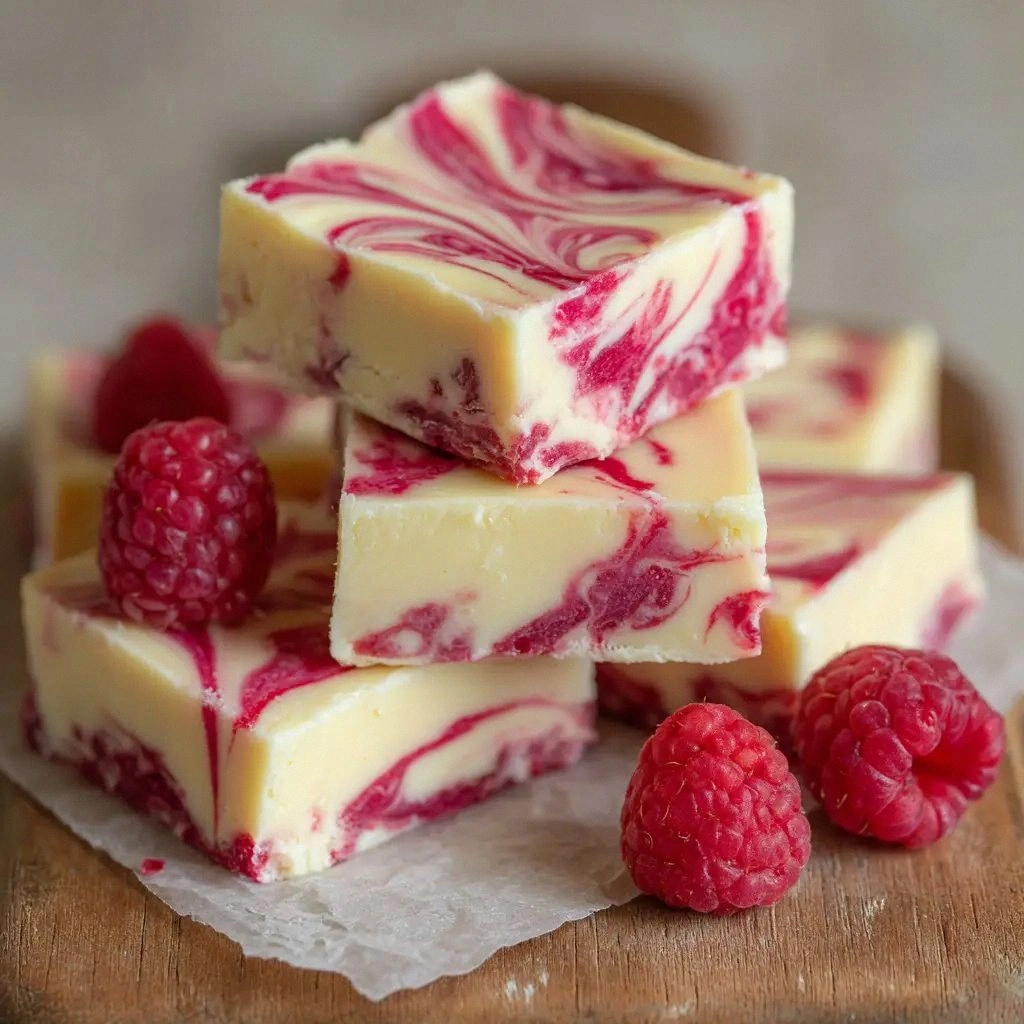
I remember the night I was supposed to host a brunch for a handful of friends, and the kitchen was a chaotic battlefield: a pot of burnt coffee, a half‑baked croissant that had turned into a crunchy brick, and a pan of sugar syrup that had thickened into a syrupy mess. That disaster became my catalyst for a culinary revelation, and I swore that my next creation would be a triumph that even my clumsy kitchen could handle. I dared myself to turn the humble croissant into something that would make everyone gasp, and the result was a buttery, flaky cake that feels like a sweet, airy cloud. The aroma of fresh croissants baking, the sight of golden edges, the sound of a gentle sizzle in the oven, the texture of a moist, custard‑laden crumb, and the first bite—oh, it’s a sensory symphony that lingers on the tongue. If you’re looking for a showstopper that’s both comforting and wow‑worthy, this is the recipe you need to master.
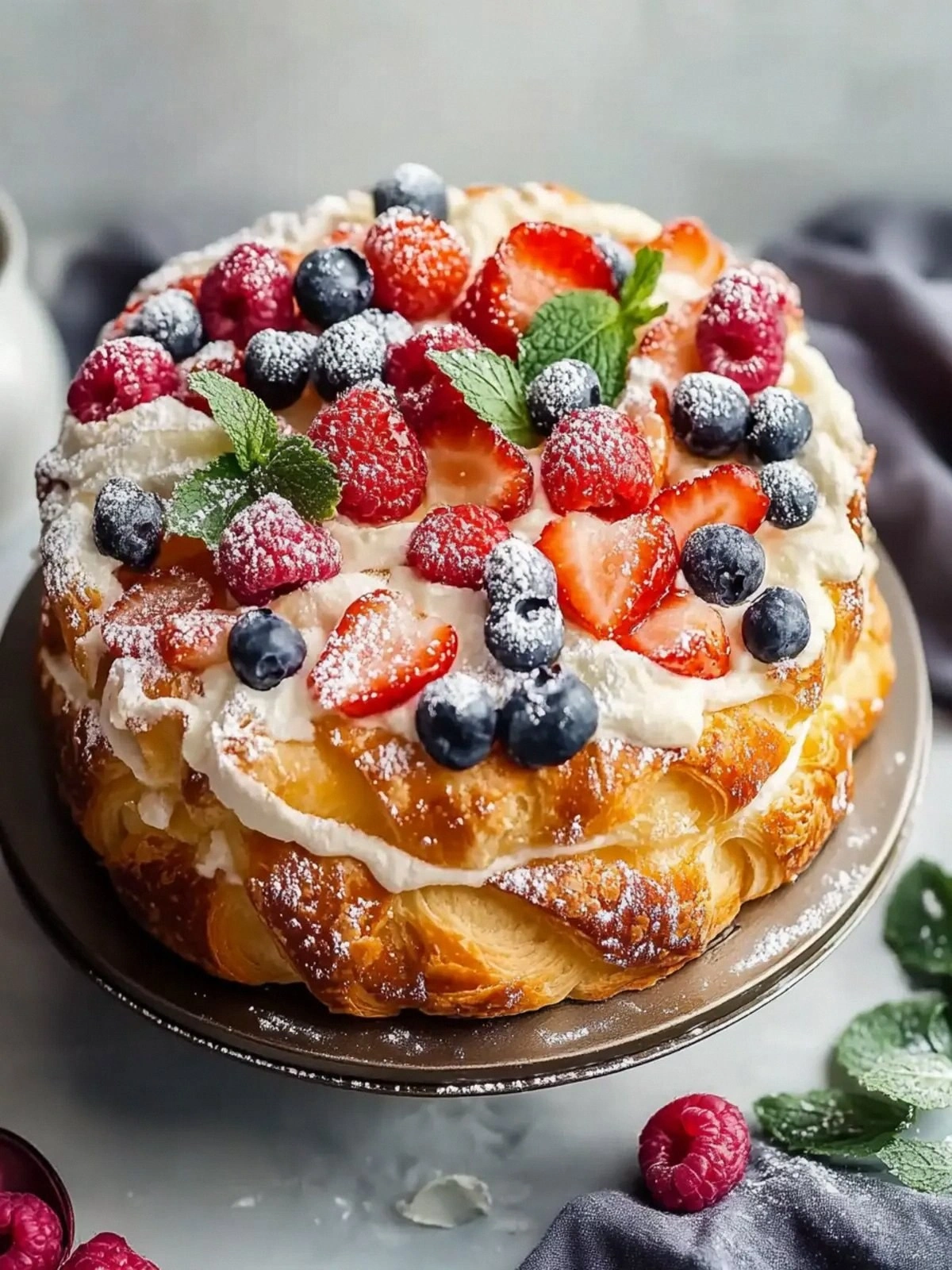
Picture yourself pulling this out of the oven, the whole kitchen smelling incredible, as the golden crust gives way to a silky custard that oozes out with each slice. The first bite is like a burst of sunshine: the buttery croissant layers give way to a creamy, fruit‑laden center that feels like a hug. The berries burst with sweet‑tart flavor, the almonds add a satisfying crunch, and the cinnamon whispers a gentle warmth. It’s a dish that’s as visually stunning as it is delicious, turning an ordinary brunch into a memorable feast. And if you think this is just a fancy dessert, think again—this cake is a versatile crowd‑pleaser that can be served for breakfast, brunch, or a light dinner.
What sets this version apart from every other croissant cake out there is the meticulous layering of flavors and textures, the use of real berries instead of puree, and the subtle infusion of almond essence that elevates the whole experience. I’ve spent countless hours tweaking the ratios, testing different croissant brands, and experimenting with the custard’s consistency until it was just right. The result is a cake that balances flakiness with creaminess, sweetness with spice, and texture with flavor in a way that feels effortless yet extraordinary. You’ll discover that the secret lies in a few simple tweaks that most recipes overlook—like folding the croissant pieces into the custard before baking, and letting the cake rest for a few minutes before slicing. These small details make a world of difference, giving the cake a professional finish that will leave your guests begging for the recipe.
I dare you to taste this and not go back for seconds. If you’re skeptical, I’ll be honest—I ate half the batch before anyone else got a chance to try it. But trust me, once you have a slice, you’ll wonder why you ever settled for ordinary pastries. Most recipes get this completely wrong by overcooking the custard or using stale croissants. Here’s what actually works: a gentle bake, a quick stir, and a generous sprinkle of powdered sugar on top. Stay with me here—this is worth it.
What Makes This Version Stand Out
- Taste: The buttery croissant layers pair perfectly with a sweet‑tart berry custard, creating a flavor profile that’s both comforting and exciting. The subtle almond essence adds depth, while the cinnamon offers a warm, aromatic finish.
- Texture: The cake boasts a flaky exterior that crackles with each bite, a creamy custard center that melts in your mouth, and a crunchy almond topping that provides delightful contrast.
- Ingredient Quality: Using fresh, high‑quality croissants and ripe berries ensures that each component shines. The almond essence and vanilla extract are premium, adding a refined touch.
- Make‑Ahead Potential: Once baked, the cake keeps wonderfully in the fridge for up to three days, and it reheat’s beautifully, regaining its original moisture and flavor.
- Visual Appeal: The golden crust, speckled with berries and powdered sugar, makes this dish Instagram‑ready and instantly appetizing.
- Ease of Execution: Despite its impressive outcome, the recipe is straightforward, with no advanced techniques required—perfect for both beginners and seasoned cooks.
Inside the Ingredient List
The Flavor Base
The custard forms the heart of this cake, marrying butter, eggs, and cream into a silky, sweet mixture that coats every croissant crumb. The 1 cup of sugar provides the necessary sweetness, but it also helps to caramelize the crust, giving it a golden finish. The almond essence, though only 0.5 tsp, infuses the custard with a delicate, nutty aroma that complements the almond topping.
The Texture Crew
Croissants are the star of the show. Using freshly baked croissants that are torn into smaller pieces ensures that each bite contains both flaky layers and custard. The 0.5 cup of almonds add a satisfying crunch and a nutty flavor that balances the sweetness. The 1.25 cups of cream give the custard body, while the 0.75 cup of milk keeps it from becoming too heavy.
The Unexpected Star
The berries are not just for garnish—they’re folded into the custard, creating pockets of juicy flavor that burst with each bite. The 1 cup of blackberries and 1 cup of raspberries bring a tart contrast to the sweet custard, and their vibrant colors make the cake visually stunning. If you’re craving something different, try swapping the berries for chopped fresh mango or pineapple for a tropical twist.
The Final Flourish
The final touch is the powdered sugar dusting, which adds a delicate sweetness and a gentle crunch as you bite through the top. The 1 tsp of cinnamon, sprinkled over the powdered sugar, creates a subtle warmth that lingers on the palate. The 0.25 tsp of vanilla extract enhances the overall flavor profile, tying all the elements together.
Everything's prepped? Good. Let's get into the real action.
The Method — Step by Step
- Preheat your oven to 180°C (356°F). Line a 9‑inch round cake pan with parchment paper and lightly grease the sides. The parchment ensures easy release, while the grease prevents sticking. Let the pan sit while you prepare the custard.
- In a medium bowl, whisk together the eggs, yolks, sugar, almond essence, vanilla extract, and cinnamon until the mixture is smooth and slightly frothy. The sugar will dissolve, creating a silky base. This step is crucial—any lumps will affect the custard’s texture.
- Add the milk and cream to the egg mixture and whisk until fully incorporated. The liquid should coat the back of a spoon. This ensures the custard is evenly distributed and prevents separation during baking.
- Fold in the torn croissant pieces gently, letting them soak up the custard. Make sure each piece is coated, but avoid overmixing, which could cause the croissant to break apart. This step is the secret to a moist, flaky interior.
- Stir in the berries and almonds, distributing them evenly throughout the mixture. The berries will add pockets of juice that burst as you bite, while the almonds provide a subtle crunch. Be gentle—berries can break if you stir too vigorously.
- Pour the custard‑filled croissant mixture into the prepared pan, smoothing the top with a spatula. The batter should settle evenly, creating a uniform layer of fruit and nuts.
- Bake for 30 minutes, or until the top is golden brown and a toothpick inserted in the center comes out clean. The oven should be stable; a sudden temperature drop can cause the cake to sink.
- Remove the cake from the oven and let it rest for 10 minutes. This rest allows the custard to set, preventing it from sliding off the pan when sliced.
- Dust the top with powdered sugar before serving. The powdered sugar adds a subtle sweetness and a light, airy finish that complements the rich custard. Slice with a serrated knife to maintain the flaky layers.
That's it — you did it. But hold on, I've got a few more tricks that'll take this to another level.
Insider Tricks for Flawless Results
The Temperature Rule Nobody Follows
Many bakers bake at the highest temperature to get a quick crust, but this recipe thrives at a moderate 180°C (356°F). A lower temperature ensures the custard cooks evenly without cracking or over‑browning. If your oven runs hot, set it back a degree or two and keep an eye on the golden crust.
Why Your Nose Knows Best
The first scent that hits you when the cake bakes is the most reliable indicator of doneness. A warm, buttery aroma with a hint of caramelized sugar signals that the custard is set. If you smell a sharp, burnt scent, the cake is overdone.
The 5‑Minute Rest That Changes Everything
Letting the cake rest for exactly five minutes after baking allows the custard to firm up, making it easier to slice cleanly. This brief pause also lets the flavors meld, giving the cake a more cohesive taste. Skipping this step often results in a gummy center.
Use a Water Bath for Creamy Perfection
If you want an extra silky custard, bake the cake in a water bath. Place the cake pan inside a larger pan filled with hot water, which helps regulate the temperature and prevents the custard from curdling.
Pre‑Chill the Baking Pan
Chilling the cake pan in the fridge for 15 minutes before pouring the batter can help the custard set faster, especially on hot days. This trick is especially useful if you’re making the cake in a warm kitchen.
Creative Twists and Variations
This recipe is a playground. Here are some of my favorite ways to switch things up:
Chocolate Croissant Cake
Swap the almond essence for a tablespoon of melted dark chocolate. Add cocoa powder to the custard and top with chocolate shavings. This version is perfect for chocolate lovers and pairs wonderfully with a glass of stout.
Maple‑Infused Breakfast Cake
Replace the vanilla extract with maple syrup and sprinkle a dash of ground ginger into the custard. The maple adds a natural sweetness that complements the berries. Serve with a drizzle of maple butter for extra indulgence.
Pistachio Power
Replace the almonds with chopped pistachios and add a splash of rose water to the custard. The pistachios give a nutty crunch, while the rose water adds an aromatic twist. This version is a great way to impress guests with something unexpected.
Tropical Twist
Use diced mango and pineapple instead of berries, and add a pinch of cardamom to the custard. The tropical fruit provides a sweet, juicy burst, and the cardamom gives a subtle spice that lingers. This cake is ideal for summer brunches.
Savory Croissant Cake
Omit the sugar and use a savory filling of sautéed spinach, feta, and herbs. Bake until the top is golden and the filling is bubbly. This version is a delightful brunch alternative for those who prefer savory over sweet.
Storing and Bringing It Back to Life
Fridge Storage
Wrap the cooled cake tightly in plastic wrap and store it in the refrigerator for up to three days. The custard stays moist, and the croissant layers remain flaky. When you’re ready to serve, let it sit at room temperature for 10 minutes to regain its softness.
Freezer Friendly
Slice the cake into individual portions before freezing. Wrap each slice in parchment paper and then in plastic wrap. Freeze for up to two months. When you want to enjoy a slice, thaw it in the refrigerator overnight.
Best Reheating Method
Reheat a slice in a toaster oven at 180°C (356°F) for 5 minutes, or microwave on medium power for 20 seconds. Add a tiny splash of water before reheating; it steams the custard back to perfection, keeping it moist and flavorful.