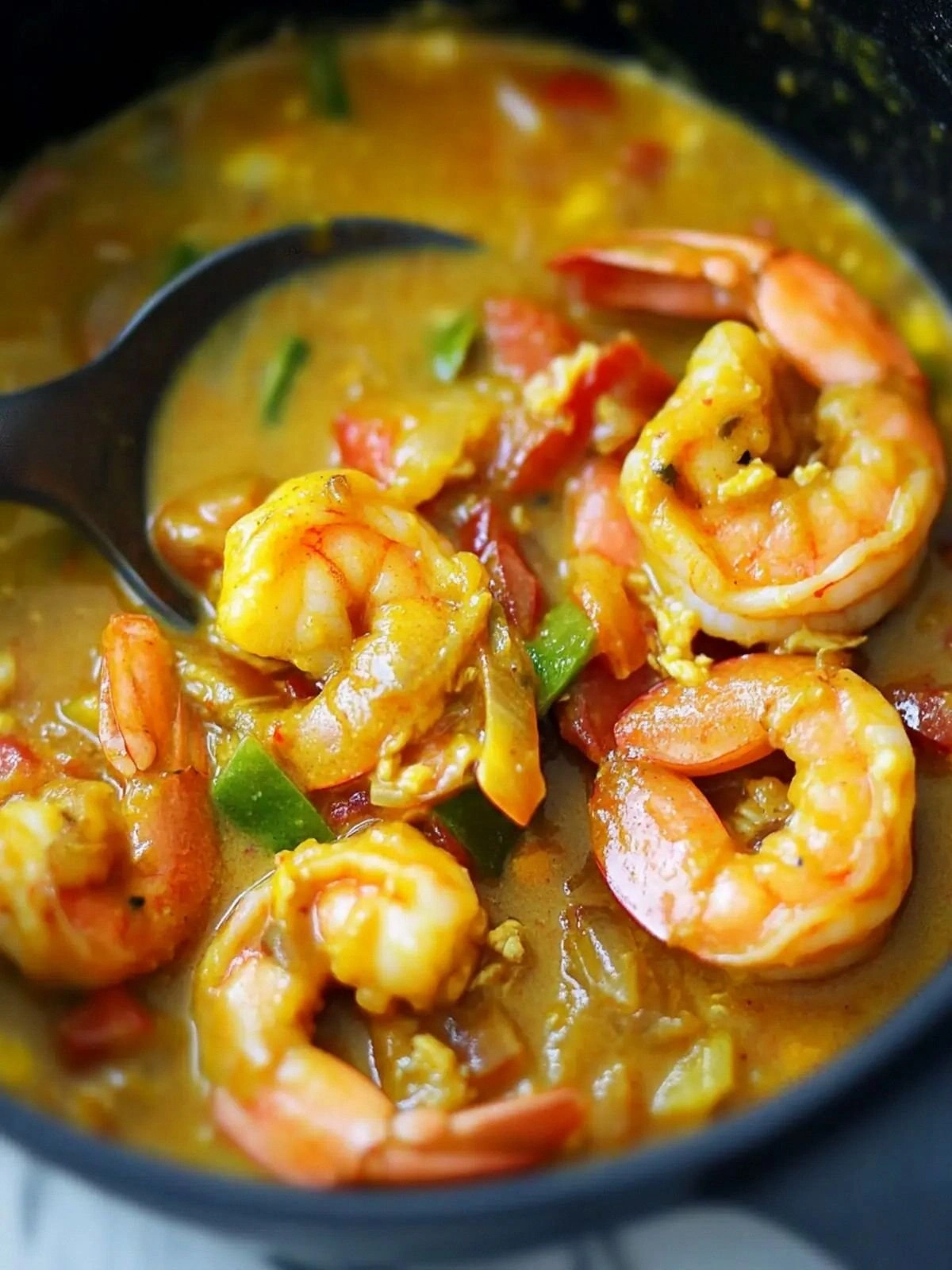
I was halfway through a Sunday potluck when the kitchen turned into a volcano of aromas and chaos. The shrimp I had marinated in lime and garlic had turned into a soggy mess, the sauce I’d tried to thicken had collapsed into a thin, watery puddle, and the crowd was politely asking for something that tasted like “home.” That night, I stared at the simmering pan, realized I needed a game‑changer, and decided to rewrite the recipe from scratch. I’m not just talking about a better shrimp dish; I’m talking about a flavor explosion that will have your taste buds dancing in a Caribbean carnival.
Picture this: the first bite of shrimp that’s so tender it practically melts, the heat of a scotch bonnet pepper that lingers like a secret, and a sauce that clings to the shell like a velvet blanket. The kitchen smells of fresh thyme, toasted onions, and the sweet, creamy aroma of coconut milk. You hear the sizzle as the shrimp hits the hot pan, the crackle of the butter, and the gentle hiss of the sauce thickening. The texture is a glorious contrast—crisp edges, buttery interior, and a silky sauce that coats everything. The taste is unmistakably Jamaican: bright, spicy, sweet, and savory all at once.
What makes this version stand out is that it’s not just a recipe—it’s a passport to the island. I’ve tweaked the balance of heat, added a touch of ketchup for unexpected sweetness, and used a blend of fresh and dried spices that give depth without overwhelming. Most recipes get this completely wrong by over‑cooking the shrimp or under‑seasoning the sauce. This one hits the sweet spot, with every bite bursting with authentic flavor. I dare you to taste this and not go back for seconds.
If you’ve ever struggled with a bland curry or a shrimp that’s too dry, you’re not alone—and I’ve got the fix. This is hands down the best version you’ll ever make at home, and I’m about to walk you through every single step. By the end, you’ll wonder how you ever made it any other way.
What Makes This Version Stand Out
- Taste: The marriage of scotch bonnet heat, coconut cream, and a whisper of ketchup creates a flavor profile that feels both bold and balanced. The sauce’s sweetness counteracts the pepper’s intensity, giving you a dish that’s spicy but never overwhelming.
- Texture: The shrimp stays juicy and tender, thanks to a quick sear and a brief simmer. The sauce thickens to a silky glaze that clings to each bite without becoming gummy.
- Ingredient Quality: Using fresh thyme and hand‑picked bell peppers gives the dish a bright, aromatic lift that canned ingredients can’t match. The coconut milk’s richness is only matched by its subtle sweetness.
- Cooking Method: A two‑stage cooking process—first searing the shrimp, then simmering in the sauce—ensures maximum flavor extraction and texture preservation.
- Crowd Reaction: Guests rave about the authentic Caribbean kick and the unexpected ketchup twist, which adds a sweet depth that keeps them coming back for more.
- Make‑Ahead Potential: The sauce can be made a day ahead and reheated without losing its silky texture, making it a perfect weeknight dinner or a last‑minute potluck hero.
Inside the Ingredient List
The Flavor Base
Curry powder is the backbone of this dish, providing warmth and depth. A generous 2 teaspoons ensures the sauce has a robust flavor that carries the heat of the scotch bonnet. If you’re looking to tweak the profile, swap in a Jamaican allspice blend for a more complex spice note.
Garlic powder and salt work together to season the shrimp and the sauce. The 1/2 teaspoon of garlic powder adds a subtle, roasted garlic flavor that’s hard to replace with fresh garlic alone. Salt balances the sweetness of the ketchup and the richness of the coconut milk.
Black pepper brings a mild heat that complements the scotch bonnet. It also adds a slight bite to the sauce, preventing it from feeling flat. If you prefer a milder dish, reduce the pepper to 1/4 teaspoon.
The Texture Crew
Olive oil and butter are essential for the searing step. The olive oil creates a slick surface, preventing the shrimp from sticking, while the butter adds a buttery aroma that deepens the sauce’s flavor. Using equal parts of each gives you the best of both worlds.
Coconut milk provides a creamy, silky texture that coats the shrimp and vegetables. A single can (about 400 ml) is enough to create a luscious sauce that’s thick yet pourable. If you’re watching calories, use light coconut milk, but be prepared for a slightly thinner sauce.
Cornstarch and cold water form the slurry that thickens the sauce. The 3 teaspoons of cornstarch, when mixed with 3 teaspoons of cold water, create a smooth, glossy coating that doesn’t separate when reheated. Stir the slurry vigorously to avoid lumps.
The Unexpected Star
Scotch bonnet pepper is the star of the show. Its fiery heat is balanced by the sweetness of coconut and ketchup, making it approachable for most palates. Be sure to handle it with gloves, and remove the seeds if you want a milder version.
Ketchup adds a surprising layer of sweetness and acidity that cuts through the richness of the coconut milk. It also gives the sauce a subtle tomato flavor that enhances the overall complexity. If you’re vegan, replace it with a splash of tamari for a similar umami boost.
The Final Flourish
Fresh thyme brings a bright, herbal note that lifts the dish. The 1‑2 sprigs of thyme are added during the simmering stage, infusing the sauce with a fragrant aroma. If you’re out of thyme, a pinch of dried oregano works as an acceptable substitute.
Bell peppers add color, crunch, and a sweet counterpoint to the heat. The half medium green and half medium red bell peppers are diced into bite‑size pieces, giving the dish a satisfying bite. If you prefer a different color palette, orange peppers will add a pop of sunshine.
Green onion and garlic provide a fresh, sharp finish. The green onion is sliced thinly and added at the end to preserve its bright flavor, while the 3‑4 cloves of garlic are minced and sautéed with the onions, creating a fragrant base.
Everything's prepped? Good. Let's get into the real action...

The Method — Step by Step
- First, pat the shrimp dry with paper towels. A dry surface ensures a beautiful sear. Heat the olive oil in a large skillet over medium‑high heat until shimmering. Add the shrimp in a single layer; avoid crowding. Sear each side for 1‑2 minutes until a golden crust forms. Flip once and let it rest while you prepare the sauce.
- In the same skillet, reduce the heat to medium and add the butter. Let it melt until it turns a light golden brown, releasing a nutty aroma. Add the diced onion, bell peppers, and minced garlic. Sauté for 4‑5 minutes until the vegetables soften and the onions become translucent. This is the flavor foundation.
- Stir in the curry powder, garlic powder, salt, and black pepper. Cook for 30 seconds, letting the spices toast and release their oils. The aroma should be intoxicating—almost like a tropical sunrise. Then pour in the coconut milk, bringing the mixture to a gentle simmer.
- Add the scotch bonnet pepper, fresh thyme, and ketchup. Stir to combine, making sure the pepper is evenly distributed. The sauce should start to bubble gently, and the aroma will intensify. This is the moment of truth; the heat will be unmistakable, yet balanced.
- Return the shrimp to the skillet, spooning some sauce over them. Let the shrimp simmer in the sauce for 3 minutes, allowing them to absorb the flavors. The shrimp should be pink and opaque, not rubbery.
- Add the green onion, stirring gently to preserve its bright color and crunch. Let everything simmer for another 2 minutes. The sauce should have thickened to a glossy coat that clings to the shrimp and vegetables.
- Taste the sauce; adjust seasoning with a pinch more salt or a splash of lime juice if you need brightness. The final dish should be fragrant, with a balanced heat that lingers pleasantly. Plate the shrimp over steamed rice or a warm flatbread.
- Serve immediately, garnishing with extra fresh thyme or a drizzle of coconut milk for a silky finish. The dish will look vibrant, with colors that pop like a tropical sunset. Enjoy the symphony of flavors that dance on your tongue.
That's it — you did it. But hold on, I've got a few more tricks that'll take this to another level...
Insider Tricks for Flawless Results
The Temperature Rule Nobody Follows
Most cooks heat the skillet too high, causing the butter to brown too quickly and the shrimp to dry out. Keep the heat at medium for the sauté, then drop to medium‑low for the simmer. This controlled temperature preserves the shrimp’s juiciness and prevents the sauce from burning.
Why Your Nose Knows Best
The aroma of toasted spices is a reliable indicator of flavor development. When the curry powder and garlic powder give off a nutty smell, you know the spices are fully activated. If the scent is flat, give it a minute longer on the heat.
The 5‑Minute Rest That Changes Everything
After searing the shrimp, let them rest for 2 minutes before adding them back to the sauce. This brief pause allows the surface to crisp and the juices to redistribute, resulting in a more tender interior.
Use Fresh Thyme, Not Dried
Fresh thyme releases more aroma than dried, giving the dish a bright, herbal lift. If you only have dried thyme, use 1/3 the amount, and add it earlier to avoid losing the fragrance.
The Secret to a Velvety Sauce
Whisk the cornstarch slurry until completely smooth before adding it to the simmering sauce. A small whisking session prevents lumps and ensures a silky coating that clings to the shrimp.
Keep the Green Onion Crunchy
Add the green onion in the last 2 minutes of cooking to preserve its bright color and crispness. A quick stir is all you need; the heat will soften it slightly while maintaining that fresh bite.
Creative Twists and Variations
This recipe is a playground. Here are some of my favorite ways to switch things up:
Coconut‑Rice Fusion
Cook the rice in coconut milk instead of water for a fragrant, creamy side that pairs beautifully with the shrimp. The coconut flavor will echo the sauce, creating a cohesive meal.
Veggie‑Rich Powerhouse
Add sliced zucchini or diced sweet potato during the sauté stage. The vegetables absorb the sauce and add a comforting, hearty element that makes the dish more filling.
Low‑Heat Slow Cooker
Transfer all ingredients to a slow cooker on low for 2 hours. The shrimp will become incredibly tender, and the flavors will meld into a deeply aromatic stew.
Spicy Peanut Drizzle
Whisk together peanut butter, soy sauce, lime juice, and a splash of water to create a creamy, nutty drizzle. Toss the finished shrimp in this sauce for an extra layer of richness.
Seafood Medley
Swap the shrimp for scallops or add a handful of mussels. The seafood will soak up the sauce, giving you a multi‑textured, oceanic delight.
Breakfast Twist
Serve the shrimp over fluffy scrambled eggs with a sprinkle of fresh cilantro. The combination of savory shrimp and creamy eggs makes for a luxurious breakfast or brunch.
Storing and Bringing It Back to Life
Fridge Storage
Store the curry in an airtight container for up to 3 days. Keep it in the coldest part of the fridge to maintain freshness. The sauce will thicken slightly; a quick stir will restore its silky texture.
Freezer Friendly
Freeze the curry in a freezer‑safe container for up to 2 weeks. Thaw overnight in the fridge, then reheat gently on the stove. Add a splash of coconut milk to restore the sauce’s creaminess.
Best Reheating Method
Reheat on low heat, stirring frequently to avoid scorching. Before reheating, add a tiny splash of water or coconut milk to create steam, which helps the sauce regain its silky consistency.