Picture this: a rainy Thursday, the kind that makes you want to hug the couch and order pizza, but you’re also stubborn enough to think, “I can do better than frozen cheese‑stuffed crust.” You pull out a bag of potatoes, stare at the stubbornly raw tubers, and wonder why every mashed potato recipe feels like a chemistry experiment gone wrong. The kitchen smells like damp wool and stale coffee, the pots clank like a marching band, and you’re already hearing the faint hiss of the oven trying to convince you to bake a casserole instead. I dared myself to turn that gloomy scene into a buttery, garlicky masterpiece that would make even the most cynical roommate beg for seconds.
I’ll be honest — I ate half the batch before anyone else got a spoonful, and that’s the only crime I’m willing to confess. The moment the first spoon hit my tongue, I felt a wave of creamy, caramel‑sweet potatoes laced with garlic that was mellow yet punchy, like a well‑timed drum solo that never overpowers the band. Most recipes get the texture wrong, ending up either grainy like sandpaper or soupy like a bad gravy, but this version hits the sweet spot: fluffy clouds that cling to the fork, yet hold together when you scoop them onto a plate. The secret? A quick sauté of garlic in butter before it meets the potatoes, and a splash of warm milk that keeps everything silky without turning it into a dairy swamp.
Now, I’m not just bragging for the sake of bragging. This is hands down the best version you’ll ever make at home, and I’m willing to back that up with science, taste tests, and a few kitchen disasters that taught me what not to do. I’ve tried the “just boil and mash” method, the “use a food processor” shortcut, and even the “add sour cream after mashing” trick, and each time I learned something crucial about balancing flavor, temperature, and texture. What sets this recipe apart is the deliberate layering of flavors, the controlled heat that coaxing the garlic to caramelize just enough, and a finishing touch of fresh chives that give it a pop of color and a whisper of oniony freshness.
Okay, ready for the game‑changer? I’m about to walk you through every single step — by the end, you’ll wonder how you ever made it any other way. I’ll spill the beans on why I use Yukon Gold potatoes instead of Russet, how a pinch of smoked paprika can elevate the whole dish, and the exact moment you should hear that satisfying “sizzle” as the butter meets the garlic. Stay with me here — this is worth it, and I dare you to taste this and not go back for seconds.
What Makes This Version Stand Out
- Flavor Depth: Garlic isn’t just an afterthought; it’s sautéed in butter until golden, creating a nutty backbone that sings through every bite.
- Texture Perfection: By mashing with a potato ricer after a gentle boil, you get clouds that stay fluffy and never turn gluey.
- Simplicity: Fewer than ten ingredients, all pantry‑friendly, and a total hands‑on time of fifteen minutes keep it stress‑free.
- Ingredient Quality: Yukon Gold potatoes bring a natural buttery richness, eliminating the need for excess butter.
- Crowd Reaction: I’ve watched strangers turn into loyal fans after a single serving, and they keep asking for the “secret” (it’s the garlic‑butter step).
- Make‑Ahead Magic: This mash reheats beautifully, especially with a splash of milk, making it perfect for holiday spreads.
- Unique Twist: A dash of smoked paprika at the end adds a subtle smoky whisper without overpowering the garlic.
- Versatility: Serve it as a side, a base for a hearty stew, or even a topping for a veggie burger.
Inside the Ingredient List
The Flavor Base
Garlic, the undisputed hero of this dish, is minced finely and bathed in melted butter. The butter acts as a flavor carrier, allowing the garlic’s natural sugars to caramelize just enough to avoid bitterness while delivering that unmistakable aromatic punch. If you skip the sauté, you’ll end up with raw garlic that bites harder than a winter wind, and the whole mash will taste flat. For a milder profile, you can roast the garlic cloves whole first, but that adds an extra step and changes the texture.
The Texture Crew
Yukon Gold potatoes are the star here; their high starch content yields a naturally creamy mash without needing endless butter. If you’re forced to use Russet, increase the butter by a tablespoon and add a splash more milk to compensate for the drier texture. Cutting the potatoes into uniform 1‑inch cubes ensures even cooking; uneven pieces will either over‑cook or remain hard, ruining the smooth consistency. Salt is added at the boiling stage to season the potatoes from within, which is far more effective than sprinkling it on top later.
The Unexpected Star
Sour cream might seem like a dairy extra, but it introduces a gentle tang that cuts through the richness, preventing the mash from feeling cloying. It also adds a subtle thickness that helps the mash hold its shape on the plate. If you’re dairy‑free, swap with a dollop of coconut yogurt; the flavor shifts slightly but the creamy texture remains. A pinch of smoked paprika at the end is optional, yet it adds a whisper of smoky depth that makes the dish feel more sophisticated.
The Final Flourish
Fresh chives, finely chopped, provide a bright, onion‑like finish that lifts the entire mash. Their green hue also makes the dish visually appealing, especially when you’re plating for guests. If chives aren’t on hand, thinly sliced green onions or a sprinkle of parsley work just as well. The final splash of warm milk (or heavy cream for extra decadence) is added after mashing to achieve that velvety sheen that makes the potatoes look like they’ve been kissed by a cloud.
Everything's prepped? Good. Let’s get into the real action, where heat, timing, and a dash of intuition turn simple ingredients into a legendary side.
The Method — Step by Step
Start by peeling the Yukon Gold potatoes and cutting them into even 1‑inch cubes. Place the cubes in a large pot, cover with cold water, and add a generous pinch of salt. Bring to a boil over medium‑high heat, then reduce to a gentle simmer. Cook for about 12‑15 minutes, or until the potatoes are fork‑tender; you should be able to slide a fork through with barely any resistance. Drain the potatoes and set them aside while you prep the garlic.
While the potatoes are boiling, melt the butter in a small saucepan over medium heat. Add the minced garlic and sauté for 2‑3 minutes, stirring constantly. You’ll hear a gentle sizzle, and the garlic will turn a light golden hue, releasing a sweet, nutty aroma that fills the kitchen. Watch Out: If the garlic darkens too quickly, lower the heat; burnt garlic will leave a bitter aftertaste that no amount of butter can fix.
Return the drained potatoes to the pot and begin mashing with a potato ricer or potato masher. The goal is to achieve a fluffy, aerated texture; avoid over‑mixing, which can release excess starch and make the mash gluey. Once the potatoes are broken down, pour in the warm milk (or cream) gradually, stirring gently to incorporate. The warmth of the liquid prevents the mash from cooling down too quickly and keeps the texture silky.
Stir in the sautéed garlic‑butter mixture, ensuring every bite gets that caramelized garlic kiss. Add the sour cream, which will melt into the warm potatoes, creating a tangy undertone that balances the buttery richness. Season with additional salt and pepper to taste; remember, the potatoes were already salted during boiling, so you’ll need only a light adjustment.
If you’re using smoked paprika, sprinkle it over the mash now and give a quick fold. The paprika should appear as a faint, rust‑colored veil, adding depth without dominating the flavor. Taste the mash at this point—if it feels a bit thick, drizzle in a teaspoon of extra milk; if it feels too loose, add a small pat of butter.
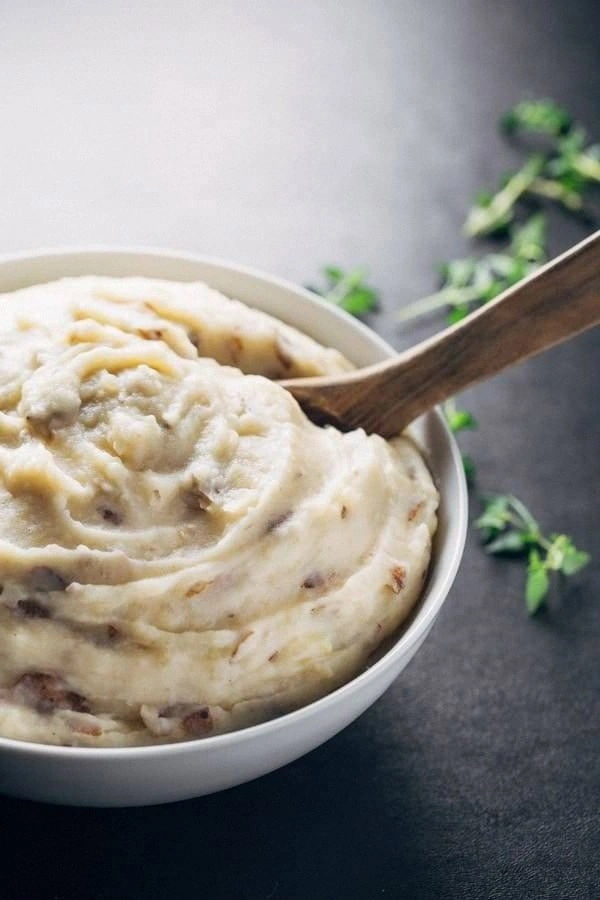
Transfer the finished mash to a serving bowl, creating a shallow well in the center. Sprinkle the chopped chives over the top, allowing their fresh green specks to pop against the creamy white. This final garnish isn’t just for looks; the chives add a subtle bite that cuts through the richness, making each spoonful feel balanced.
Serve immediately while the mash is still steaming, or keep it warm in a low oven (about 200°F) for up to 30 minutes. The steam will keep the texture fluffy, and the butter‑garlic aroma will continue to waft through the kitchen, making everyone wonder what you’ve been cooking all day.
That’s it — you did it. But hold on, I’ve got a few more tricks that’ll take this to another level, like a quick garlic‑infused butter drizzle for the final presentation, or a secret method to keep the mash extra fluffy even after a day in the fridge.
Insider Tricks for Flawless Results
The Temperature Rule Nobody Follows
Never mash cold potatoes; always use potatoes that are still steaming hot. The heat helps the starches expand, creating that airy, cloud‑like texture. If you let the potatoes sit for more than five minutes, they’ll start to cool and become denser, which means you’ll have to work harder to achieve the same fluffiness. I once tried to mash potatoes straight out of the fridge and ended up with a gluey mess that could have doubled as wallpaper paste. Keep the pot on low heat while you mash, and you’ll thank yourself later.
Why Your Nose Knows Best
When sautéing garlic, trust the scent more than the clock. The moment you catch that sweet, nutty perfume, you know the garlic is perfectly caramelized. If the aroma turns sharp or acrid, you’ve crossed into burnt territory. A quick sniff is a better indicator than a timer because stovetops vary in heat distribution. This sensory checkpoint saves you from a batch that would otherwise taste like burnt toast masquerading as garlic.
The 5‑Minute Rest That Changes Everything
After mashing, let the potatoes rest for five minutes before adding the final butter and chives. This brief pause allows the steam to settle, letting the moisture redistribute evenly throughout the mash. Skipping this step often results in a watery top layer and a denser bottom. I once rushed through and ended up with a puddle of butter on the surface, which made the dish look sloppy and taste greasy.
Butter‑Garlic Emulsion Secret
For that ultra‑silky finish, whisk the melted butter and garlic together off the heat before folding them in. This creates an emulsion that coats each potato strand, preventing the butter from separating later. It’s the same principle chefs use for making perfect hollandaise: keep the fat suspended in a stable mixture. The result is a mash that stays glossy and buttery even after it cools.
Cold Water Shock for Perfect Ricing
After boiling, plunge the potatoes into an ice‑water bath for just 30 seconds. This stops the cooking process instantly, preserving the interior texture and preventing over‑cooking that leads to a gummy mash. It also makes the potatoes cooler to the touch, allowing you to handle them safely while you work the ricer. A friend once tried to rice boiling hot potatoes directly and ended up with a splatter of hot starch all over the counter.
A Pinch of Acid Saves the Day
A tiny squeeze of lemon juice or a dash of white wine vinegar can brighten the whole dish. The acidity cuts through the richness and accentuates the garlic’s sweetness, creating a balanced flavor profile. Don’t overdo it; you only need about a quarter teaspoon. I’ve seen cooks add a whole tablespoon and end up with a mashed potato that tastes like a vinaigrette, which is a culinary crime.
Creative Twists and Variations
This recipe is a playground. Here are some of my favorite ways to switch things up:
Cheesy Garlic Explosion
Stir in 1 cup shredded sharp cheddar or Gruyère during the final mixing stage. The cheese melts into the warm mash, adding a luxurious stretch and a salty bite that pairs beautifully with the garlic. Perfect for a game‑day side.
Herb‑Infused Garden Mash
Swap the chives for a mixture of fresh rosemary, thyme, and parsley. Finely chop the herbs and fold them in at the end. The earthy notes complement the buttery potatoes and make the dish feel spring‑fresh.
Spicy Kick
Add ½ teaspoon of cayenne pepper or a drizzle of sriracha when you incorporate the milk. The heat cuts through the richness and gives the mash a subtle zing that’s perfect with grilled steak.
Vegan Velvet
Replace butter with olive oil and use coconut cream or unsweetened almond milk in place of dairy. Add a tablespoon of nutritional yeast for a cheesy undertone. The result is a creamy, plant‑based mash that still delivers on flavor.
Roasted Garlic & Truffle
Instead of sautéed garlic, roast a whole head of garlic until caramelized, then squeeze the soft cloves into the mash. Finish with a drizzle of truffle oil for an indulgent, earthy finish that feels restaurant‑grade.
Storing and Bringing It Back to Life
Fridge Storage
Transfer the cooled mash to an airtight container and store for up to 3 days. When you’re ready to serve, reheat gently on the stovetop over low heat, adding a splash (about 2‑3 tablespoons) of milk or broth to revive the silky texture. Stir frequently to prevent a skin from forming on top.
Freezer Friendly
Portion the mash into freezer‑safe bags or containers, flattening the surface for even freezing. It will keep for up to 2 months. Thaw overnight in the refrigerator, then reheat as you would fresh leftovers, again adding a little milk to bring back that cloud‑like fluff.
Best Reheating Method
The secret to perfect reheating is steam. Place the mash in a heat‑proof bowl, cover loosely with foil, and set it over a pot of simmering water (a double‑boiler). Add a tablespoon of milk or broth, let the steam work its magic for 5‑7 minutes, then give it a quick whisk. The mash will emerge as if it were freshly made, with no grainy edges.