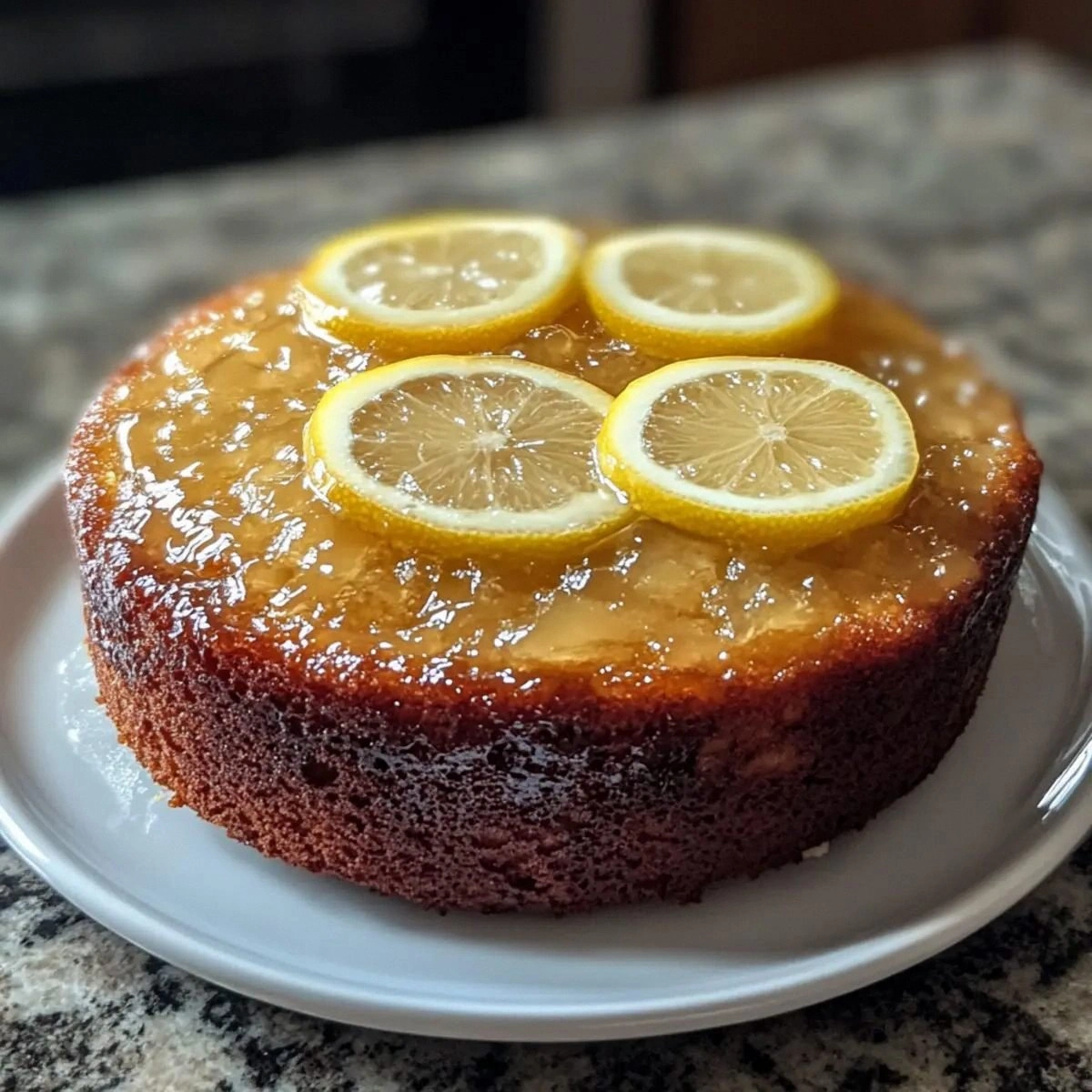
Imagine the first bite: a gentle burst of citrus that tingles the palate, followed by a sweet, honey‑laden undertone that feels like a hug from an old friend. The aroma is a bright, sun‑kissed lemon mingling with warm honey, while the texture is a cloud‑soft crumb that crumbles with a whisper of silk. The heat of the oven turns the surface into a light, caramelized crust, and the inside stays moist, like a secret garden hidden behind a glass dome. That’s the symphony I’ve crafted, and it’s nothing short of a culinary revelation.
What makes this version a game‑changer is the unexpected marriage of yogurt and honey. Yogurt provides a tang that cuts through the sweetness, while honey adds depth and a subtle caramel note that conventional sugar never does. The lemon zest and juice aren’t just for flavor; they’re the real stars that keep the crumb moist and give it a bright, refreshing finish. And the trick? A simple, no‑fuss technique that guarantees a perfect rise every single time, even if you’re a kitchen newbie.
I dare you to taste this and not go back for seconds. That’s the bold promise I’m making. Picture yourself pulling this out of the oven, the whole kitchen smelling incredible, and the first slice sliding out like a piece of velvet. If you’ve ever struggled with cakes that turn out dry or uneven, you’re not alone — and I’ve got the fix. Let me walk you through every single step — by the end, you’ll wonder how you ever made it any other way.
What Makes This Version Stand Out
- Flavor: The combination of honey and lemon creates a sweet‑tart balance that’s both refreshing and indulgent. The honey’s natural sweetness layers with the bright zing of lemon, leaving a lingering aftertaste that feels like sunshine.
- Texture: Yogurt’s acidity tenderizes the gluten, producing a tender crumb that melts in your mouth. The result is a cake that’s airy yet moist, with a slightly crisp top that gives a delightful contrast.
- Ease: No pre‑baking or elaborate frosting. All you need is a standard loaf pan and a few pantry staples. The method is straightforward, making it perfect for busy weeknights.
- Versatility: The base is neutral enough to pair with fruit compotes, whipped cream, or even a drizzle of dark chocolate. It can be served as a dessert, a sweet breakfast, or a brunch side.
- Crowd Appeal: Friends who’ve tried other lemon cakes say this one is “hands down the best version you'll ever make at home.” The vibrant color and aroma alone will draw a crowd.
- Ingredient Quality: Using high‑quality Greek yogurt and real honey elevates the flavor profile, ensuring each bite is packed with natural sweetness and depth.
- Make‑Ahead Friendly: The cake stays moist for up to 3 days in the fridge, and it freezes well. Just reheat for a few minutes and enjoy the same great taste.
- Nutrition: With a balanced mix of protein, healthy fats, and carbs, it’s a treat that doesn’t feel like a guilty indulgence.
Alright, let's break down exactly what goes into this masterpiece...
Inside the Ingredient List
The Flavor Base
Greek yogurt is the backbone of this cake. Its tangy profile cuts through the honey’s sweetness, preventing the batter from becoming cloying. If you skip yogurt, the cake will feel heavy and flat. Swap with sour cream for a slightly richer taste, but remember to reduce the liquid by a tablespoon to maintain balance.
The Texture Crew
All‑purpose flour gives the cake its structure, while baking powder triggers the rise. The salt is a subtle enhancer that brings out the citrus notes. If you’re gluten‑free, try a 1:1 blend of oat and rice flour, but add a pinch of xanthan gum to keep the crumb airy.
The Unexpected Star
Honey is more than a sweetener; it’s a binder that keeps the cake moist for days. The floral undertones vary depending on the honey type—clover honey offers a mild flavor, while buckwheat honey gives a deeper, earthy note. For a lighter version, substitute half the honey with maple syrup, but keep the total liquid amount the same.
The Final Flourish
Lemon zest and juice are the finishing touches that elevate the entire dish. The zest provides aromatic oils that cling to the crumb, while the juice adds brightness and helps activate the baking powder. If you’re craving a more intense citrus kick, add an extra tablespoon of zest or a splash of lemon‑infused olive oil.
Everything's prepped? Good. Let's get into the real action...
The Method — Step by Step
- Preheat your oven to 350°F (175°C). Line a 9×5 inch loaf pan with parchment paper, leaving a little overhang on the sides for easy removal. This ensures a clean release and a uniform rise.
- In a large bowl, whisk together the flour, baking powder, and salt. The dry mix sets the stage for a consistent crumb; a fine sift helps avoid lumps, especially if you’re using whole‑grain flour.
- In a separate bowl, combine the Greek yogurt, honey, lemon zest, lemon juice, and vanilla extract. Whisk until the mixture is silky and the honey is fully incorporated. The citrus oils should swirl visibly, indicating the zest is active.
- Add the eggs, one at a time, beating well after each addition. The batter will thicken slightly, but keep it glossy. Kitchen Hack: If the batter feels too thick, drizzle a tablespoon of water or milk to loosen it without compromising structure.
- Fold the wet mixture into the dry ingredients, mixing just until combined. Over‑mixing will develop gluten and make the cake tough. The batter should be thick but pourable.
- Pour the batter into the prepared loaf pan and smooth the top with a spatula. Tap the pan lightly on the counter to release air bubbles. Watch Out: If you pour too fast, the batter may spill over the edges; pour slowly to maintain a neat shape.
- Bake for 30 minutes, or until the top is golden and a toothpick inserted into the center comes out clean. The cake should emit a warm, caramelized aroma that makes the kitchen feel like a bakery.
- Remove the cake from the oven and let it cool in the pan for 10 minutes. Then transfer to a wire rack to cool completely. This prevents moisture buildup that can make the bottom soggy.
- Once cooled, drizzle the remaining honey over the top and sprinkle with the additional lemon zest. This final touch adds a glossy finish and a burst of citrus aroma.
- Slice and serve with a dollop of whipped cream or a scoop of vanilla ice cream if you’re feeling indulgent. The contrast of warm cake and cold cream is pure bliss.
That’s it — you did it. But hold on, I've got a few more tricks that'll take this to another level...
Insider Tricks for Flawless Results
The Temperature Rule Nobody Follows
Many bakers bake at a high temperature for a short time, but this cake thrives at a steady 350°F. The moderate heat allows the batter to rise slowly, preventing a domed top and ensuring an even crumb. If you’re using a convection oven, reduce the temperature by 25°F to avoid over‑browning.
Why Your Nose Knows Best
Trust your nose when the cake starts to smell slightly caramelized and citrusy. That scent is the cue that the batter has achieved the right balance of moisture and rise. If the aroma is too sweet or too sour, you’re either underbaked or overbaked.
The 5‑Minute Rest That Changes Everything
After baking, let the cake rest in the pan for 5 minutes before turning it out. This brief pause allows the structure to set, preventing cracks from forming as the cake cools. A friend once rushed the cake out of the pan, and it split in two; that’s the kind of tragedy we’re avoiding.
The Whipped Cream Whisper
Whip the cream with a pinch of powdered sugar and a splash of vanilla extract. The sweetness of the cream balances the tangy cake, while the vanilla adds depth. Serve the whipped cream on the side for a customizable finish.
The Final Zest Touch
The final sprinkle of lemon zest after baking adds a fresh, aromatic burst. The zest’s essential oils are volatile and can evaporate during baking, so adding it post‑bake preserves the bright citrus flavor. If you’re a citrus lover, double the zest for an even more pronounced zing.
Creative Twists and Variations
This recipe is a playground. Here are some of my favorite ways to switch things up:
Berry Burst
Fold in a cup of fresh blueberries or raspberries before baking. The berries release juice that adds a subtle sweetness and a pop of color. Serve with a drizzle of blueberry compote for a decadent finish.
Maple‑Honey Fusion
Replace half the honey with pure maple syrup. The result is a richer, slightly caramelized flavor that pairs beautifully with a dusting of cinnamon on top.
Almond‑Infused
Add 1/4 cup of finely ground almonds to the dry mix. The almond flour adds a nutty undertone and a slight crunch. Sprinkle toasted almond slivers on top for an extra layer of texture.
Chocolate‑Lemon Surprise
Stir in 1/2 cup of dark chocolate chips into the batter. The chocolate melts into the moist crumb, creating pockets of rich chocolate that contrast with the bright lemon.
Citrus‑Spice Twist
Add a pinch of freshly ground ginger and a dash of nutmeg. The spices give the cake a warm, comforting depth, perfect for fall or winter gatherings.
Gluten‑Free Edition
Swap the all‑purpose flour for a gluten‑free blend (1:1 ratio) and add 1 teaspoon of xanthan gum. The batter will maintain its structure, and the cake will still be moist and flavorful.
Storing and Bringing It Back to Life
Fridge Storage
Wrap the cooled cake tightly in plastic wrap and store in the refrigerator for up to 3 days. The honey’s natural preservative qualities help keep it moist, but a fresh coat of honey on top before serving adds a glossy finish.
Freezer Friendly
Slice the cake before freezing. Place the slices in a freezer bag with an airtight seal. Freeze for up to 2 months. Thaw at room temperature for 30 minutes before reheating.
Best Reheating Method
Reheat sliced portions in a preheated oven at 300°F (150°C) for 8–10 minutes. Add a splash of water or milk to the pan to create steam, which keeps the crumb from drying out. Finish with a light dusting of powdered sugar or a drizzle of honey.