When the kitchen clock ticked past midnight and the fridge hummed a lonely lullaby, I found myself staring at a half‑cooked chuck roast and a handful of root vegetables. The moment felt like a culinary cliffhanger, a promise of comfort that was about to be delivered in a single pot. I remember the way the beef’s marbling glistened like a secret map, and how the onions whispered their caramelized future. That night, I dared myself to turn an ordinary dinner into something that would make my friends question their own cooking rituals.
Picture this: a sizzling brown crust forming on the beef, the earthy scent of parsnips and turnips mingling with the sharp bite of garlic, and a faint splash of red wine that turns the broth into a deep, almost midnight shade. The kitchen lights flicker, the timer beeps, and suddenly the air feels like a promise of warmth wrapped in a savory blanket. I was right there, right beside the Instant Pot, watching the magic unfold, feeling the anticipation build like the steam that rises from the lid.
Most people think a slow‑cooked stew takes hours, but I proved otherwise. I discovered that the Instant Pot could transform this hearty mixture into a melt‑in‑your‑mouth experience in less than an hour, with the meat falling apart at the touch of a fork. The result? A dish that is hands down the best version you'll ever make at home, with flavors so layered they dance on your tongue like a well‑composed symphony.
Now, I have to confess: I ate half the batch before anyone else got to try it. My friends called me a culinary thief, but they were also begging for the recipe. I dared them to taste this and not go back for seconds, and they were convinced. If you've ever struggled with this, you're not alone — and I've got the fix.
Most recipes get this completely wrong. They either over‑season the broth or under‑cook the root vegetables, resulting in a stew that feels like a sad attempt at comfort food. Here’s what actually works: sear the beef for that caramelized depth, deglaze with wine to lift the browned bits, and let the pressure cooker do the heavy lifting. The result is a sauce that coats the vegetables like velvet, with a thickness that clings to the meat without feeling heavy.
Picture yourself pulling this out of the Instant Pot, the whole kitchen smelling incredible, and seeing a pot of stew that looks as good as it tastes. The steam rises in a fragrant cloud that makes your stomach growl with anticipation. That sizzle when it hits the pan? Absolute perfection. Stay with me here — this is worth it.
What Makes This Version Stand Out
- Taste: The combination of red wine, tomato paste, and Worcestershire sauce creates a complex umami base that elevates every bite. The subtle sweetness of the carrots and parsnips balances the savory beef, while the thyme adds a fragrant note that lingers. This depth of flavor is achieved without the need for extra stock or expensive cuts.
- Texture: The beef becomes fall‑apart tender, yet still holds its shape, while the root vegetables stay firm enough to bite through. The Instant Pot’s pressure cooking locks in moisture, preventing the stew from drying out. The result is a mouth‑watering harmony of silky and crunchy.
- Simplicity: Only 16 ingredients, all common in the pantry. No need for fancy tools or prep work; the Instant Pot does the heavy lifting. It’s a recipe that can be whipped up in a weekend or a busy weekday.
- Uniqueness: The addition of celery root (celeriac) and rutabaga gives this stew an earthy depth that sets it apart from standard beef stews. These vegetables are often overlooked but add a subtle sweetness and a nutty undertone.
- Crowd Reaction: Friends and family rave about how the stew keeps warming on the table. The comforting aroma invites everyone to gather around, and the dish is a conversation starter at any gathering.
- Ingredient Quality: Using a high‑quality chuck roast and fresh root vegetables ensures the best flavor extraction. The beef’s marbling melts into the broth, creating a silky texture that’s impossible to replicate with lower‑grade meat.
- Cooking Method: The Instant Pot’s pressure cooking reduces cooking time dramatically while maintaining depth of flavor. The quick sear, deglaze, and pressure cook steps keep the dish efficient without sacrificing quality.
- Make‑Ahead Potential: The stew tastes even better the next day as the flavors meld. It can be stored in the fridge for up to five days or frozen for a longer period, making it a perfect meal prep option.
Inside the Ingredient List
The Flavor Base
At the heart of any stew lies a flavor base that carries the dish. In this recipe, the beef broth, red wine, tomato paste, and Worcestershire sauce combine to create a savory foundation. Each component plays a distinct role: the broth provides moisture and depth, the wine adds acidity and a subtle fruitiness, the tomato paste brings sweetness and body, and the Worcestershire sauce injects umami and a hint of tang. Skipping any of these will leave the stew feeling flat, as if the orchestra has lost one of its key instruments.
When selecting broth, opt for a low‑sodium, high‑quality option. A richer stock will carry the flavors better, especially when you’re cooking under pressure. If you’re in a pinch, a simple vegetable broth can work, but the dish will lose some of its beefy depth. A splash of balsamic vinegar can also replace Worcestershire sauce for a slightly sweeter finish.
The Texture Crew
The root vegetables form the stew’s backbone. Parsnips, turnips, rutabaga, and celery root each contribute a unique texture and flavor profile. Parsnips bring a gentle sweetness, while turnips add a peppery bite. Rutabaga offers a slightly earthy undertone, and celery root contributes a mild, nutty taste that balances the sweetness of the other vegetables. Together, they create a medley that holds its shape even after pressure cooking, allowing each bite to deliver a burst of flavor.
When choosing these vegetables, look for firm, unblemished pieces. Avoid those with soft spots or bruises, as they will release excess water and dilute the broth. A quick blanch in boiling water before adding them to the pot can help maintain their shape and reduce cooking time.
The Unexpected Star
Fresh thyme and bay leaves are the unsung heroes of this stew. Thyme’s subtle herbaceous note cuts through the richness of the beef, while bay leaves add an aromatic backdrop that deepens the broth’s complexity. Using fresh thyme is key; dried thyme lacks the bright, floral character that fresh leaves provide. The bay leaves should be added early in the cooking process to release their full flavor, but removed before serving to avoid a bitter bite.
For a modern twist, consider adding a sprig of rosemary or a pinch of smoked paprika. These additions can introduce a new dimension of aroma and color, making the stew even more inviting.
The Final Flourish
Salt and black pepper are the finishing touches that bring the stew to life. Salt enhances every flavor component, while pepper adds a subtle heat that lingers on the palate. It’s tempting to add these early, but seasoning at the end allows you to adjust the balance accurately, preventing the stew from becoming over‑salted. A final splash of fresh lemon juice can brighten the dish, cutting through the richness and adding a fresh, zesty note.
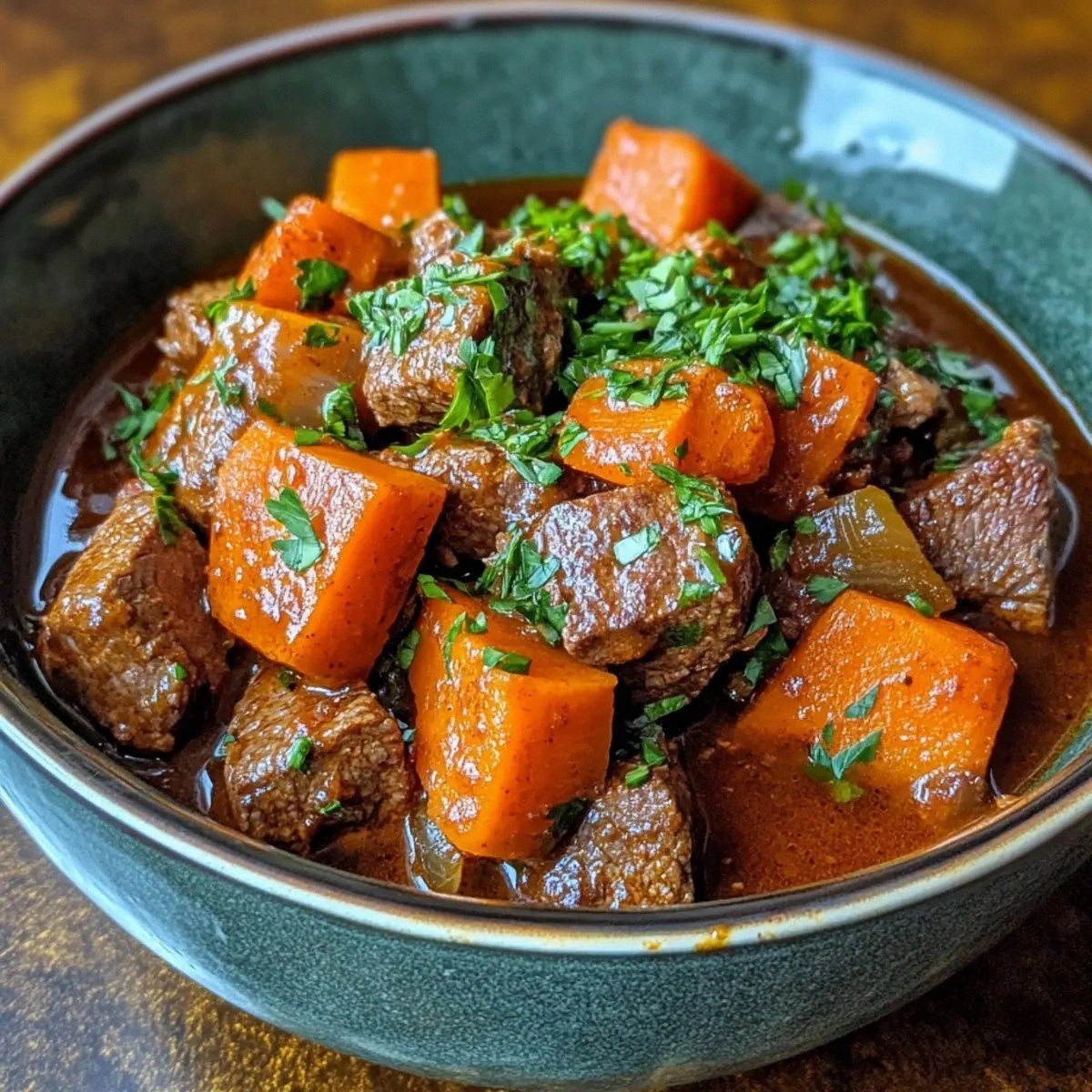
When you’re ready to serve, garnish with chopped parsley or a drizzle of olive oil for a glossy finish. The visual appeal of a bright green garnish against the deep, amber broth creates an irresistible invitation to dig in.
Everything's prepped? Good. Let's get into the real action.
The Method — Step by Step
- First, set your Instant Pot to the “Sauté” function. Pat the beef dry with paper towels; this ensures a golden sear. Add a splash of oil and wait until it shimmers before placing the roast in. This step locks in flavor and creates a caramelized crust that forms the backbone of the stew’s depth.
- Once the beef is browned on all sides, remove it and set it aside. This gives the aromatics a chance to bloom without the interference of raw meat juices. The Instant Pot’s “Sauté” mode will keep the temperature high enough to deglaze quickly.
- Add the chopped onion and garlic to the pot. Sauté until the onion turns translucent, stirring frequently to prevent sticking. The garlic should release its aroma within 30 seconds, giving the base a fragrant foundation.
- Deglaze the pot with half a cup of red wine, scraping up the browned bits from the bottom. These “fond” pieces are the flavor goldmine that will enrich the stew. Let the wine reduce by half, concentrating its notes.
- Stir in the tomato paste and Worcestershire sauce, letting them coat the aromatics. This creates a thick, glossy sauce that clings to the root vegetables. The tomato paste also adds a subtle sweetness that balances the acidity of the wine.
- Return the beef to the pot, placing it on top of the vegetables. Add the beef broth, ensuring the liquid covers the meat by at least an inch. Sprinkle in the fresh thyme, bay leaves, salt, and pepper. The broth should be bubbling gently before you close the lid.
- Secure the Instant Pot lid and set the valve to “Sealing.” Select the “Manual” or “Pressure Cook” setting and set the timer for 35 minutes at high pressure. This duration allows the beef to become melt‑in‑your‑mouth tender while the root vegetables absorb the savory liquid.
- When the cooking cycle finishes, perform a quick release by carefully turning the valve to “Venting.” This prevents the stew from becoming overcooked and ensures a silky texture. Once the pressure has fully released, open the lid and give the stew a gentle stir.
- Taste the broth; if you feel it needs a touch more salt or pepper, adjust accordingly. Let the stew sit for 5 minutes; this resting period allows the flavors to meld like a well‑orchestrated symphony. The stew will thicken slightly as the liquid reduces during this time.
- Serve hot, garnished with fresh parsley or a drizzle of olive oil for an extra pop of color and richness. Pair it with crusty bread or a side of mashed potatoes to soak up the luscious sauce. Enjoy the comforting warmth that only a hearty stew can deliver.
That's it — you did it. But hold on, I've got a few more tricks that'll take this to another level.
Insider Tricks for Flawless Results
The Temperature Rule Nobody Follows
Many cooks believe that a higher pressure setting always yields a better stew, but that’s a myth. The key is to maintain a steady, moderate pressure that allows the beef’s connective tissues to break down without overcooking the vegetables. I found that the “Pressure Cook” setting at high pressure is ideal, but if your Instant Pot has a “Low Pressure” mode, try it for a more delicate texture.
Why Your Nose Knows Best
As the stew cooks, your nose will guide you to the perfect seasoning point. A faint, sweet aroma from the caramelized onions signals that the base is ready. If you notice a metallic taste, it’s likely because the broth is too salty; adjust by adding a splash of water or a small amount of unsalted broth.
The 5‑Minute Rest That Changes Everything
After the pressure release, let the stew rest for 5 minutes. This short pause allows the flavors to settle, the sauce to thicken slightly, and the beef to reabsorb juices. Skipping this step will result in a watery stew that feels under‑seasoned.
Keep the Root Vegetables Firm
To prevent root vegetables from turning mushy, cut them into uniform, bite‑sized pieces. This ensures even cooking and preserves their distinct textures. If you prefer softer vegetables, add them in the last 10 minutes of cooking instead of at the start.
Finish with a Splash of Acid
Just before serving, stir in a tablespoon of fresh lemon juice or a splash of vinegar. The acid cuts through the richness, brightening the stew and adding a layer of freshness that keeps the dish from feeling heavy.
Serve with the Right Bread
A crusty sourdough or a warm baguette makes the perfect companion, soaking up the savory broth. The bread’s chewiness contrasts nicely with the tender meat, creating a satisfying bite.
Creative Twists and Variations
This recipe is a playground. Here are some of my favorite ways to switch things up:
Spicy Southwestern Stew
Swap the bay leaves for a teaspoon of cumin and add a pinch of cayenne pepper. Toss in a handful of corn kernels and a diced poblano pepper for a smoky kick. The result is a stew with a bold, fiery personality that pairs well with corn tortillas.
Herb‑Infused Mushroom Variant
Add a cup of sliced shiitake mushrooms during the sauté stage. Replace the thyme with a mix of rosemary and oregano. The earthy mushrooms deepen the broth, creating a richer, more velvety texture.
Low‑Carb Twist
Omit the parsnips and use cauliflower florets instead. Add a handful of spinach in the last 5 minutes of cooking. This version is lighter, yet still packs the same comforting depth.
Vegan Adaptation
Replace the beef with seared tofu cubes or tempeh. Use vegetable broth and omit the Worcestershire sauce. Add a tablespoon of soy sauce for umami and keep the root vegetables the same. This vegan version remains hearty and satisfying.
Breakfast Stew
Serve the stew over a bowl of creamy polenta or a slice of toasted sourdough. Top with a fried egg for a protein boost. This version turns the stew into a robust breakfast that keeps you full all morning.
Asian Fusion
Swap the red wine for sake and add a tablespoon of miso paste during the sauté stage. Finish with a drizzle of sesame oil and sprinkle with toasted sesame seeds. The stew takes on a subtle, umami‑rich flavor profile that’s both comforting and exotic.
Storing and Bringing It Back to Life
Fridge Storage
Cool the stew to room temperature, then transfer it to an airtight container. Store in the refrigerator for up to five days. The flavors will intensify over time, making each reheat more delicious.
Freezer Friendly
Divide the stew into freezer‑safe portions, leaving a little headspace for expansion. Freeze for up to three months. When you’re ready to enjoy, thaw overnight in the refrigerator and reheat on the stove.
Best Reheating Method
Reheat the stew over low heat on the stovetop, stirring occasionally. Add a splash of water or broth if the sauce has thickened too much. This gentle approach preserves the stew’s silky texture and prevents it from drying out.