You remember the night when you tried to bake a focaccia in a kitchen that was more chaotic than a jazz club? The oven was preheated, the dough had a mysterious texture that made you wonder if you’d accidentally mixed flour with a dash of sand, and your friend dared you to finish the loaf before you could even finish the first bite. That disaster was the spark that lit a fire in my culinary soul, and it led me to discover a gluten‑free rosemary focaccia that turns every kitchen mishap into a masterpiece. The aroma that fills the room is a warm, herbaceous hug that lingers long after the bread is sliced.
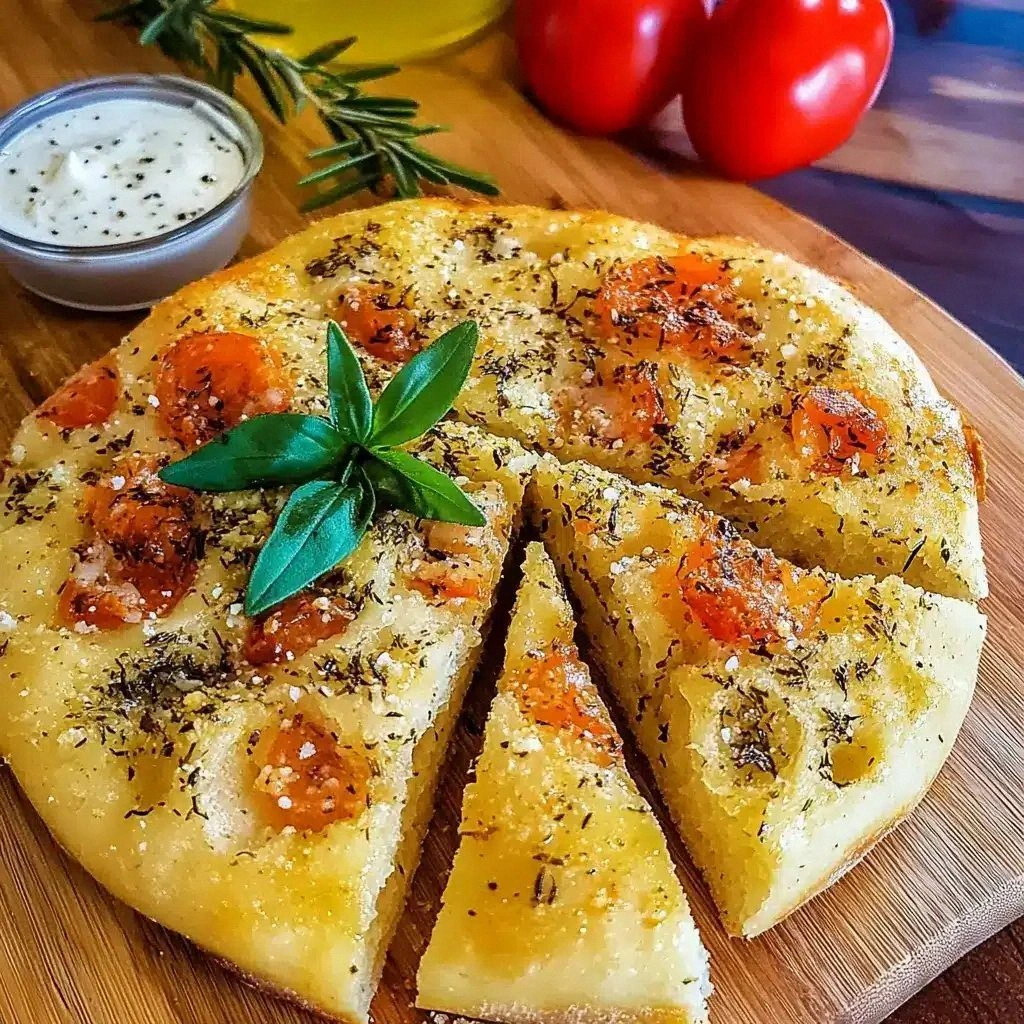
Picture this: you slide the golden loaf onto a cutting board, the crust crackles like a crisp autumn leaf, and the steam rises in a fragrant cloud that smells of rosemary, sea salt, and a hint of citrus. The first bite is an explosion of buttery, chewy interior with a light, airy crumb that feels like a cloud you can taste. The edges are crisp and slightly charred, giving a satisfying crunch that echoes the sound of a crisp bite. The flavors mingle in a dance—rosemary’s piney undertones, the subtle sweetness of the flour blend, and the sharpness of sea salt—creating a symphony that lingers on the palate.
What sets this version apart from every other gluten‑free focaccia out there is that it doesn’t rely on a single ingredient to carry the flavor. It balances texture and taste with precision, using a blend of gluten‑free flours that mimic the chewiness of traditional dough, a touch of sugar that caramelizes the crust, and fresh rosemary that coats the bread like velvet. It’s the kind of recipe that makes you feel like you’re a culinary wizard, turning humble pantry staples into a showstopper. The result is a loaf that is not only gluten‑free but also a crowd‑pleaser that will have people asking for your secret recipe.
And there’s a twist that you probably didn’t see coming: a splash of lemon zest that brightens the rosemary’s earthiness and a dash of baking powder that gives the bread a lift that feels almost airy. This isn’t just another loaf; it’s a culinary revelation that will make you wonder how you ever made focaccia without it. Let me walk you through every single step—by the end, you’ll wonder how you ever made it any other way.
What Makes This Version Stand Out
- Flavor: The combination of fresh rosemary, sea salt, and a hint of lemon zest creates a layered taste profile that feels both herbal and bright. The rosemary isn’t overpowering; it’s a subtle whisper that enhances every bite.
- Texture: Using a gluten‑free all‑purpose blend that includes rice flour, tapioca starch, and potato starch gives the dough a chewy, slightly elastic crumb that mimics traditional focaccia. The result is a bread that’s airy inside but crisp on the outside.
- Simplicity: The recipe requires only ten ingredients and a single mixing bowl. No fancy equipment or complicated techniques—just a few minutes of mixing, resting, and baking.
- Uniqueness: The addition of a light sugar caramelization and a lemon zest lift the flavor beyond ordinary gluten‑free breads, making it a standout choice for both casual and formal occasions.
- Audience: Whether you’re hosting a dinner party or feeding a family, this focaccia works like a charm. It’s perfect for appetizers, side dishes, or even a sandwich base.
- Ingredient Quality: The recipe relies on high‑quality, fresh ingredients—especially the rosemary and olive oil—which elevate the entire loaf.
- Cooking Method: The simple two‑stage bake—first a gentle rise, then a crisp finish—ensures a perfect crust without overcooking the interior.
- Make‑Ahead: You can prepare the dough a day in advance, refrigerate it, and bake it fresh when you’re ready. It’s a real time‑saver for busy households.
Alright, let's break down exactly what goes into this masterpiece...
Inside the Ingredient List
The Flour Blend
2 cups gluten‑free all‑purpose flour blend—this is the backbone of the loaf. It combines rice flour, tapioca starch, and potato starch, which together create a dough that is elastic enough to hold its shape but still tender. Skipping this blend would result in a dense, gummy texture that feels more like a pancake than a focaccia. If you’re on a budget, you can mix 1 cup rice flour with 1 cup potato starch and a tablespoon of cornstarch as a substitute.
1 teaspoon baking powder—this leavening agent is the secret to the bread’s airy crumb. Without it, the dough would stay flat and heavy, making it difficult to achieve that light, airy interior. If you don’t have baking powder, a pinch of baking soda plus a splash of lemon juice can work, but the rise will be slightly less pronounced.
The Liquid Layer
1 cup warm water—water is the glue that brings the flour blend together. It should be warm, not hot, to activate the baking powder without cooking the dough prematurely. If you’re in a dry climate, add a tablespoon of milk or plant‑based milk for a slightly richer crumb.
2 tablespoons olive oil—this oil is incorporated into the dough to give the bread a tender, moist interior. Olive oil also adds a subtle fruity flavor that complements the rosemary. If you prefer a lighter taste, you can replace half of the olive oil with canola oil, but the flavor profile will shift.
The Herb Ensemble
2 tablespoons fresh rosemary, chopped—rosemary is the star of this recipe, providing a piney, aromatic note that permeates the loaf. Use a fresh herb to get the most vibrant flavor; dried rosemary will be much milder. If you’re not a fan of rosemary, a handful of fresh thyme or oregano can be a suitable alternative.
1 teaspoon dried oregano—this herb adds depth and a slightly peppery edge that balances the rosemary’s sharpness. It also contributes to the overall herbal bouquet of the focaccia. If you’re allergic to oregano, basil or marjoram can be used as a substitute.
The Final Flourish
1 tablespoon sea salt flakes—these are sprinkled on top before baking to give the crust a satisfying crunch and a burst of salty flavor. Sea salt is less processed than table salt and contains trace minerals that add complexity. If you prefer a finer texture, use kosher salt instead.
1 tablespoon lemon zest—this brightens the rosemary’s earthiness and adds a citrusy lift that makes the loaf feel lighter. The zest should be fresh; dried lemon peel can be used if fresh lemons are out of season, but the flavor will be less vibrant.
1 teaspoon sugar—this small amount caramelizes during baking, giving the crust a subtle golden hue and a touch of sweetness that balances the savory notes. If you’re watching sugar intake, you can reduce the amount by half, but the crust may be slightly less caramelized.
2 tablespoons extra virgin olive oil—this oil is brushed over the dough before baking to create a shiny, crisp crust. It also helps the rosemary and sea salt adhere to the surface. If you’re looking for a different flavor, you can add a splash of balsamic vinegar to the oil for a sweet, tangy finish.
Everything's prepped? Good. Let's get into the real action...
The Method — Step by Step
- In a large mixing bowl, whisk together the gluten‑free flour blend, baking powder, and sugar until well combined. The dry ingredients should look like a fine, even mixture. This step ensures the leavening agents are evenly distributed, which is critical for a uniform rise. I dare you to taste this batter—there’s a faint, pleasant nutty undertone that hints at what’s to come.
- Create a well in the center of the dry mixture and pour in the warm water and 2 tablespoons of olive oil. Stir with a wooden spoon until the dough comes together, forming a shaggy, slightly sticky mass. If it feels too dry, add a splash of water; if it’s too wet, sprinkle a bit more flour. At this point, the dough should feel tacky but not overly wet—like a well‑moistened playdough.
- Cover the bowl with a clean kitchen towel and let the dough rest at room temperature for 20 minutes. This resting period allows the gluten‑free starches to hydrate fully, which improves the crumb structure. During this time, you can prepare the rosemary topping—roughly chop the rosemary and mix it with sea salt flakes and lemon zest. The aroma will start to fill your kitchen, setting the stage for a fragrant loaf.
- Preheat your oven to 425°F (220°C). While the oven heats, line a baking sheet with parchment paper and lightly brush it with a bit of extra virgin olive oil. The oil helps the focaccia achieve a crisp, golden crust. Once the oven is hot, transfer the dough onto the sheet and spread it into a rectangle about 10 inches long and 6 inches wide using wet hands or a spatula. The dough should be about 1/2 inch thick.
- After the dough has rested, sprinkle the rosemary mixture evenly over the surface, pressing it lightly into the dough. Then, drizzle the remaining extra virgin olive oil over the top and use your fingers to create a pattern of dimples. These dimples trap steam, giving the focaccia its characteristic airy pockets. The aroma that develops is intoxicating—rosemary, lemon, and olive oil dancing together.
- Bake in the preheated oven for 18 minutes, then reduce the temperature to 400°F (205°C) and bake for an additional 12–15 minutes. The loaf should emit a delightful scent of toasted rosemary and olive oil. When the crust is crisp and the interior is golden, remove the focaccia from the oven and let it rest on a wire rack for 10 minutes before slicing. This resting period allows the steam to redistribute, making the crumb even fluffier.
- Slice the loaf into thick wedges and serve warm. Pair it with a simple tomato salad or a bowl of olives for a Mediterranean twist. If you’re serving it at a dinner party, garnish with a few fresh rosemary sprigs for an elegant touch. The first bite will leave you wondering how you ever lived without this recipe—hands down the best version you'll ever make at home.
That's it—you did it. But hold on, I've got a few more tricks that'll take this to another level...
Insider Tricks for Flawless Results
The Temperature Rule Nobody Follows
Many bakers bake gluten‑free focaccia at a single high temperature, but the two‑stage method is the key to a perfect crust and airy crumb. Start at 425°F (220°C) for the first 18 minutes to allow the dough to rise quickly, then lower to 400°F (205°C) to finish baking without burning the edges. This temperature shift mimics the way traditional ovens heat and cool, giving the loaf a professional finish.
Why Your Nose Knows Best
The scent of baking bread is a powerful cue for how close you are to perfection. When the focaccia starts to emit a toasty, nutty aroma, that’s your cue to pull it out. A strong, sweet scent indicates caramelization, while a sharp, burnt smell signals you’re over‑baking. Trust your nose, and you’ll avoid the dreaded “dry loaf” syndrome.
The 5-Minute Rest That Changes Everything
After baking, let the focaccia rest on a wire rack for at least 10 minutes. This short rest allows the steam to redistribute, preventing the loaf from becoming gummy on the inside. Many bakers skip this step, resulting in a bread that feels heavy. The 10‑minute rest is the secret to that light, airy crumb that melts in your mouth.
Use Fresh Herbs, Not Dried
Fresh rosemary brings a bright, aromatic quality that dried rosemary can’t match. The essential oils in fresh herbs are at their peak, giving the focaccia a lively, piney note. If you’re out of rosemary, try fresh thyme or a mix of fresh oregano and basil for a different herbal profile.
Brush with Olive Oil for Extra Crunch
The final brush of extra virgin olive oil before baking creates a glossy, crisp crust that’s almost irresistible. The oil also helps the rosemary and sea salt adhere to the surface, giving each bite a burst of flavor. Don’t skimp on the oil—use enough to coat the surface lightly, or the crust will be uneven.
Creative Twists and Variations
This recipe is a playground. Here are some of my favorite ways to switch things up:
Sun‑Dried Tomato & Basil Focaccia
Swap the rosemary for chopped sun‑dried tomatoes and fresh basil. The tomatoes add a sweet, tangy depth, while basil introduces a sweet, peppery note. This version pairs wonderfully with a Mediterranean antipasto platter.
Cheesy Parmesan Crust
Sprinkle grated Parmesan cheese on top before baking to create a golden, cheesy crust. The cheese melts into the dough, adding a savory richness that balances the herbs. This variation is a hit with kids who love cheesy bread.
Olive & Fennel Focaccia
Add sliced black olives and a pinch of fennel seeds to the dough. The olives give a briny punch, while fennel adds a subtle licorice flavor. This combination works well as a side for grilled meats or as a sandwich base.
Maple‑Infused Sweet Focaccia
Replace the sugar with maple syrup and add a pinch of cinnamon. The maple adds a subtle sweetness that pairs beautifully with the rosemary. Serve warm with a drizzle of honey for a sweet‑savory breakfast treat.
Chocolate‑Dusted Focaccia
After baking, dust the focaccia with cocoa powder and a sprinkle of sea salt. The chocolate adds an unexpected depth of flavor, creating a dessert‑style focaccia that’s perfect for a cozy evening.
Herb‑Infused Olive Oil Drizzle
Infuse extra virgin olive oil with rosemary, thyme, and a splash of balsamic vinegar. Brush this oil over the dough before baking for an extra layer of flavor. The result is a focaccia that tastes like a gourmet kitchen staple.
Storing and Bringing It Back to Life
Fridge Storage
Cool the focaccia completely, then wrap it tightly in plastic wrap and place it in an airtight container. Store in the refrigerator for up to 3 days. The bread will stay moist, but it’s best served fresh. When you’re ready to eat, simply reheat in a preheated oven at 350°F (175°C) for 10 minutes to restore crispness.
Freezer Friendly
For longer storage, slice the loaf before freezing. Wrap each slice in parchment paper, then place them in a freezer bag. Freeze for up to 3 months. To serve, thaw at room temperature for 30 minutes, then warm in a 350°F (175°C) oven for 5 minutes. The bread will taste almost as good as fresh.
Best Reheating Method
The secret to reheat a frozen or chilled focaccia is to add a splash of water to the bottom of the baking sheet. This creates steam, preventing the crust from becoming hard. Bake at 350°F (175°C) for 10–12 minutes, then finish with a quick broil for 1–2 minutes to restore crispness. The result is a loaf that feels freshly baked.