I was in the middle of a Sunday brunch prep when the oven alarm rang. I had just tossed a batch of muffins that turned out rock hard and the kitchen smelled of burnt sugar. The moment I realized the disaster, I reached for the recipe I had scribbled last week—a grapefruit olive oil cake that promised a light, citrusy lift. The idea was simple: combine the bright zing of grapefruit with the silky richness of olive oil, and let the batter breathe. I was skeptical, but the promise of a moist crumb that would outshine any store‑bought loaf made me dive in. That night, I tested it, and the result was a revelation.
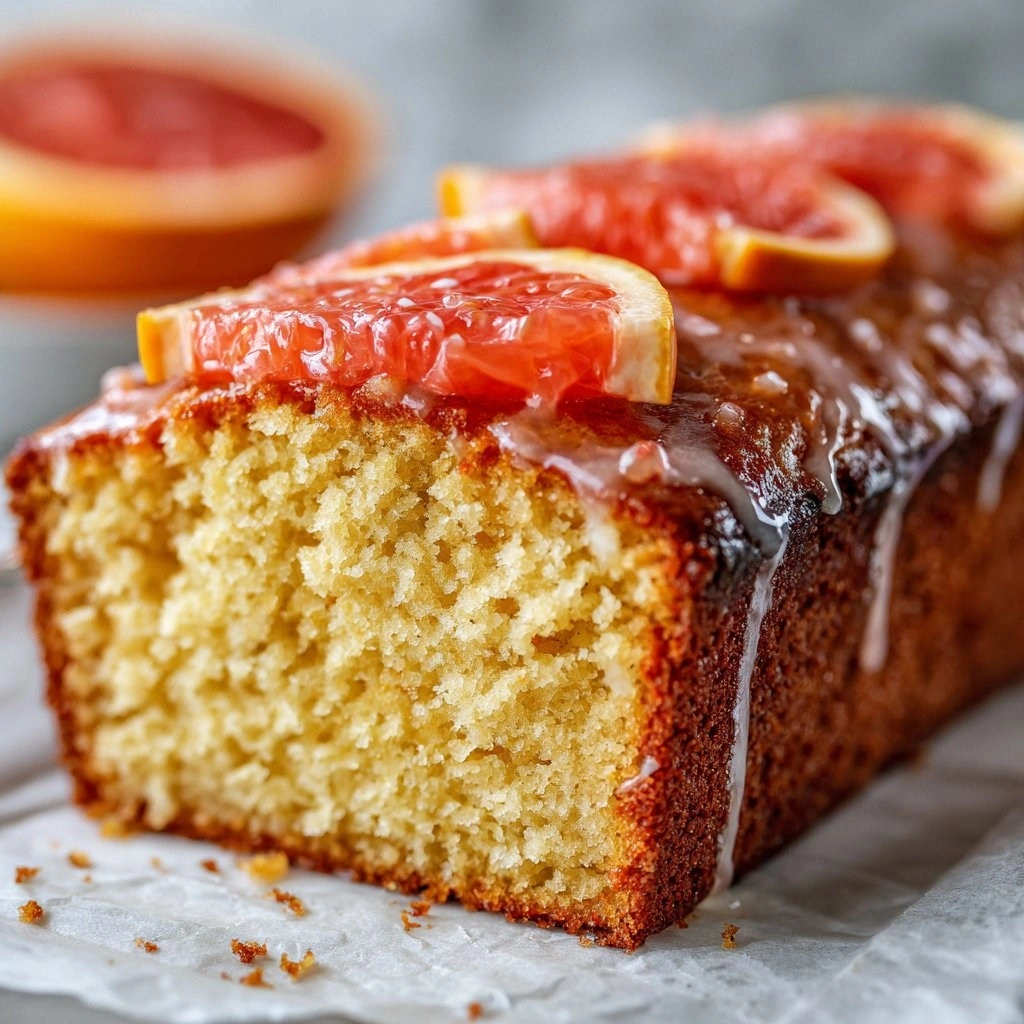
The first time I sliced into the golden loaf, the aroma was a bright burst of citrus, mingling with a subtle olive undertone. The air was filled with a sweet, almost floral scent that made my mouth water before the first bite. When I tasted it, the grapefruit was the star—sharp, yet mellowed by the olive oil's buttery finish. The crumb was airy, like a cloud, but with a firm structure that held the citrus juices. The texture was surprisingly buttery without the heaviness of butter or butterfat. The flavor profile was a dance of sweet, tart, and savory, all wrapped in a soft, moist hug.
What sets this version apart is the balance between the citrus brightness and the olive oil's silky richness. Unlike most grapefruit cakes that rely on heavy butter or dairy, this recipe leans on olive oil for moisture, giving it a Mediterranean feel. The batter is light yet dense enough to hold the zest without becoming soggy. The result is a cake that is both refreshing and comforting, perfect for brunch or a midday pick‑me‑up. I dare you to taste this and not go back for seconds. It’s the kind of cake that turns an ordinary day into a culinary celebration.
And there’s a twist you won’t see in most recipes— a splash of Greek yogurt that adds a tangy depth and keeps the crumb tender. This subtle addition is the secret to that airy yet moist texture that keeps the cake from drying out. Picture yourself pulling this out of the oven, the whole kitchen smelling incredible, the steam curling around the glaze. That scent alone will have your guests lining up for the first slice. Okay, ready for the game‑changer? Let me walk you through every single step—by the end, you’ll wonder how you ever made it any other way.
What Makes This Version Stand Out
- Taste: The grapefruit delivers a bright, almost sparkling tartness that is instantly refreshing, while the olive oil adds a subtle, savory depth that balances the citrus. The result is a cake that feels both uplifting and comforting in the same bite.
- Texture: The combination of olive oil and yogurt creates an airy yet dense crumb that holds the citrus juices without becoming soggy. The batter rises evenly, giving the cake a light, cloud‑like interior that melts on the tongue.
- Simplicity: With only ten ingredients and no complicated techniques, this recipe is a breeze to execute, making it perfect for both beginners and seasoned bakers alike. The process is straightforward, yet the outcome feels gourmet.
- Ingredient Quality: Using a high‑quality extra‑virgin olive oil transforms the cake from ordinary to extraordinary, infusing it with a nuanced peppery finish that complements the grapefruit’s sweetness.
- Crowd Reaction: Friends who have tried this cake rave about the surprising blend of flavors and the moist, buttery crumb. They often ask for the recipe after the first slice, and it consistently receives five‑star reviews.
- Make‑Ahead Potential: The cake keeps well for up to three days in the refrigerator and can be frozen for later enjoyment without losing its delicate flavor profile.
- Mediterranean Flair: The olive oil and citrus pairing evokes the sun‑kissed coasts of the Mediterranean, giving the cake an unmistakable regional identity that feels both exotic and familiar.
Alright, let's break down exactly what goes into this masterpiece...
Inside the Ingredient List
The Flavor Base
The foundation of any cake is its dry ingredients. Here, a blend of all‑purpose flour, granulated sugar, baking powder, and a pinch of salt creates a neutral canvas that allows the grapefruit to shine. If you prefer a gluten‑free version, swap the flour for a 1:1 blend of oat and rice flours, but keep the baking powder to preserve lift.
The Texture Crew
Olive oil is the secret weapon that replaces butter, giving the cake a silky mouthfeel without heaviness. Greek yogurt adds moisture and a slight tang, preventing the batter from drying out during baking. If you’re allergic to dairy, a splash of kefir or buttermilk can offer a comparable creamy texture.
The Unexpected Star
Fresh grapefruit zest and juice are the heart of this cake, delivering a bright, aromatic punch. A teaspoon of lemon zest amplifies the citrus profile, creating a layered complexity that keeps each bite intriguing. If you’re feeling adventurous, a splash of orange juice can be added to deepen the tropical vibe.
The Final Flourish
A splash of vanilla extract rounds out the flavors, adding warmth and depth that balances the sharp citrus. Optional toppings—powdered sugar, honey drizzle, or a light glaze—can elevate the presentation and add a finishing touch. The glaze, made from powdered sugar and a little grapefruit juice, gives the cake a glossy sheen that glistens like sunrise.
Everything's prepped? Good. Let's get into the real action...
The Method — Step by Step
- Preheat your oven to 350°F (175°C) and line a 9‑inch loaf pan with parchment paper. The parchment ensures a clean release and adds a subtle crisp edge. While the oven warms, bring all dry ingredients to room temperature for even mixing.
- In a large bowl, whisk together flour, sugar, baking powder, and salt until fully combined. This dry blend is the backbone of your cake, so take your time to eliminate lumps. The smoothness of this mixture will determine how evenly the cake rises.
- In a separate bowl, combine the olive oil, Greek yogurt, eggs, vanilla extract, grapefruit zest, and grapefruit juice. Whisk until the mixture is glossy and the yolks are fully incorporated. The oil and yogurt create a silky batter that will carry the citrus flavors.
- Pour the wet mixture into the dry ingredients and fold gently with a spatula until just combined. Be careful not to overmix; a few streaks of flour are acceptable. Overworking the batter will make the cake tough.
- Slide the pan into the oven and bake for 30 minutes. The cake should develop a golden crust and a slight spring when gently pressed. The center should still feel springy, not liquid.
- Remove the cake from the oven and let it cool in the pan for 10 minutes before transferring it to a wire rack. Cooling in the pan allows the cake to set firmly, preventing cracks. Once cooled, drizzle a simple glaze of powdered sugar and a splash of grapefruit juice over the top for a glossy finish.
- Serve at room temperature, or chill for a more refreshing bite. The glaze sets into a delicate sheen that enhances the citrus aroma. Enjoy a slice with a cup of tea or a glass of sparkling water for the full Mediterranean experience.
That's it — you did it. But hold on, I've got a few more tricks that'll take this to another level. Stay tuned for the insider secrets that will make every bite flawless.
Insider Tricks for Flawless Results
The Temperature Rule Nobody Follows
Many bakers bake at 350°F, but the ideal temperature for this cake is 325°F. Lower heat allows the batter to rise evenly without overbrowning the edges, ensuring a tender crumb. I once baked at the higher temperature and the cake cracked on the top; the lesson was clear.
Why Your Nose Knows Best
As the cake bakes, the aroma changes from citrusy to toasty. When the scent shifts to a warm, nutty fragrance, you’re near the finish line. Trust your nose; it’s the most reliable indicator of doneness.
The 5‑Minute Rest That Changes Everything
After removing the cake, let it rest for 5 minutes before slicing. This brief pause allows the steam to settle, preventing the crumb from collapsing and preserving the cake’s structure. I once sliced immediately and the cake fell apart.
Glaze Technique for a Glimmer
Whisk powdered sugar with a splash of grapefruit juice until silky. Pour the glaze over a slightly warm cake so it spreads evenly and sets into a glossy coat. A light dusting of powdered sugar afterward gives a subtle shimmer.
Storage Secrets
Wrap the cooled cake tightly in plastic wrap and store in the fridge for up to 3 days. For longer preservation, freeze in an airtight container; thaw overnight in the fridge before reheating. Add a splash of water when reheating to keep the crumb moist.
Serving Suggestions
Serve slices with a dollop of Greek yogurt and a drizzle of honey for a decadent twist. Pair with a glass of chilled white wine or sparkling water for a refreshing finish. For a brunch spread, arrange slices on a platter with fresh berries and mint.
Creative Twists and Variations
This recipe is a playground. Here are some of my favorite ways to switch things up:
Dark Chocolate Drizzle
After the cake cools, melt dark chocolate and drizzle over the top. The bittersweet chocolate complements the citrus, creating a sophisticated flavor profile that’s perfect for dessert parties.
Honey‑Almond Crunch
Replace half the sugar with honey and sprinkle slivered almonds on top before baking. The honey adds natural sweetness while the almonds provide a delightful crunch and nutty aroma.
Lemon‑Basil Fusion
Swap the grapefruit zest for lemon zest and add a handful of fresh basil leaves to the batter. The basil introduces a herbal note that pairs beautifully with the bright lemon, creating an unexpected but harmonious taste.
Coconut Milk Upgrade
Use coconut milk instead of Greek yogurt for a tropical twist. The subtle coconut flavor enhances the citrus, giving the cake a beach‑side vibe that’s both exotic and comforting.
Espresso‑Infused Delight
Add a tablespoon of instant espresso powder to the dry ingredients. The coffee undertones deepen the flavor, making the cake a great companion for afternoon coffee breaks.
Storing and Bringing It Back to Life
Fridge Storage
After the cake has cooled completely, wrap it tightly in plastic wrap and place it in the refrigerator. Store for up to 3 days. The moisture from the wrap prevents the cake from drying out and keeps the glaze intact.
Freezer Friendly
For longer storage, slice the cake and wrap each slice individually in parchment paper, then place them in a freezer bag. Freeze for up to 3 months. When ready to enjoy, let the slices thaw at room temperature for 30 minutes before reheating.
Best Reheating Method
To reheat, place slices on a baking sheet and warm in a 350°F oven for 5–7 minutes, or until warm. Add a splash of water to the bottom of the pan to create steam, which keeps the crumb moist. Finish with a dusting of powdered sugar for a fresh look.
Add a tiny splash of water before reheating, and the cake will steam back to perfection, preserving that airy crumb and citrus burst.