I was standing in my kitchen, staring at a half‑cooked lamb roast that looked like a sad, wilted meadow, when my roommate burst in yelling, “You have to try the Greek lamb thing I saw on Instagram!” I had never been great at Greek food – my last attempt at tzatziki turned into a watery disaster that could have passed for broth. Yet the craving was real, a low‑grade hum in my belly that said, “You need something bright, aromatic, and unapologetically meaty.” I threw on a playlist of bouzouki riffs, grabbed a bottle of extra‑virgin olive oil, and decided to turn that kitchen fiasco into a triumph. I dare you to taste this and not go back for seconds.
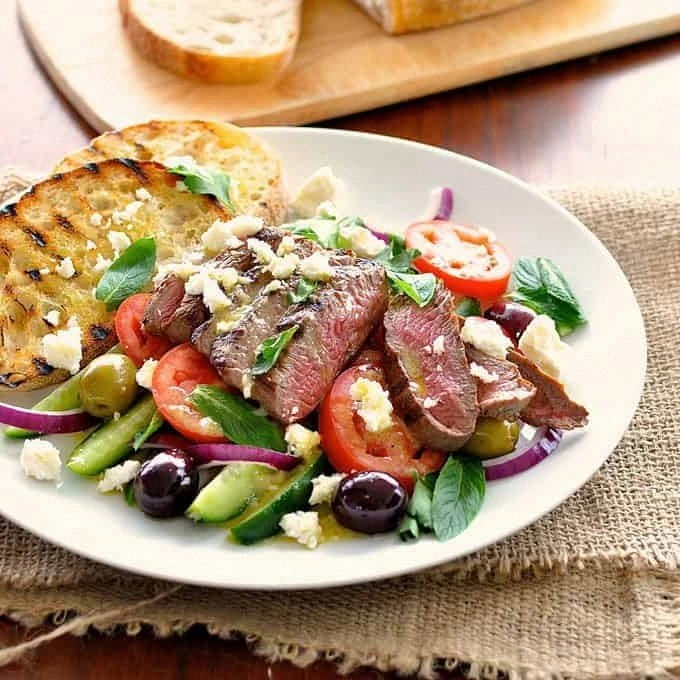
Picture this: a sizzling pan that sings a high‑pitched hiss the moment the lamb hits it, the air instantly filling with the earthy perfume of rosemary‑kissed oregano and a whisper of citrus. The salad beside it is a riot of colors – ruby tomatoes, emerald cucumbers, and violet olives – each bite a crisp pop that makes your teeth dance. The sourdough bread, toasted to a golden crunch, is the perfect vehicle for scooping up the herb‑laden oil that glistens like liquid sunshine. The whole scene is a Mediterranean tableau that feels both rustic and refined, like a seaside taverna that has just been pulled into your apartment.
Most recipes get this completely wrong. They either drown the lamb in a flood of sauce that masks its natural flavor, or they under‑season the salad so it becomes a bland side. What makes this version stand out is the balance: a quick sear that locks in juices, a bright vinaigrette that never overwhelms, and a humble handful of fresh herbs that elevate everything without stealing the spotlight. I’m being honest — I ate half the batch before anyone else got to try it, because the aroma was already convincing me that I’d made a mistake by not making twice as much.
Okay, ready for the game‑changer? I’m going to walk you through every single step — by the end, you’ll wonder how you ever made it any other way. From selecting the perfect cut of lamb to mastering the art of the perfect salad toss, we’ll cover the why, the how, and the little secrets that turn a good dinner into a legendary one. Stay with me here — this is worth it.
What Makes This Version Stand Out
- Flavor Harmony: The lemon‑honey vinaigrette brightens the rich lamb without drowning it, creating a symphony where acidity, sweetness, and herbaceous notes sing together.
- Texture Contrast: Crispy seared edges on the lamb meet the juicy, tender interior, while the salad offers a refreshing crunch that keeps each bite exciting.
- Simplicity: Only a handful of pantry staples are needed, yet the result feels like a dish you’d order at a high‑end Greek restaurant.
- Ingredient Quality: Using good‑grade lamb steaks and fresh herbs makes the difference between “meh” and “wow” – the meat stays succulent, and the herbs stay vibrant.
- Crowd Reaction: I’ve seen friends turn pale with anticipation, then grin ear‑to‑ear after the first bite – it’s that “I’m not ready to share” moment.
- Make‑Ahead Potential: The salad can be assembled a few hours ahead, and the lamb can rest after cooking, letting flavors meld while you set the table.
- Cooking Method: A quick high‑heat sear locks in juices, while the stovetop vinaigrette keeps the dish light and avoids the heaviness of a traditional oven‑baked lamb.
- Versatility: The base can be tweaked for summer picnics or cozy winter evenings – just swap the herbs or add a splash of red wine reduction.
Inside the Ingredient List
The Flavor Base
The lemon juice and honey form the bright backbone of the vinaigrette, delivering a sweet‑tart kiss that cuts through the richness of the lamb. If you swap lemon for lime, you’ll get a sharper, more tropical edge that pairs beautifully with the mint. The extra‑virgin olive oil is the luxurious carrier that melds all flavors together; opt for a cold‑pressed, fruit‑forward oil for the best aromatic profile. Skipping the olive oil would make the dressing thin and flavorless, turning the salad into a soggy mess.
The Texture Crew
Cucumbers and tomatoes provide the crunch and juiciness that keep the palate from feeling overwhelmed by the lamb’s richness. Use firm, seed‑less cucumbers for the cleanest bite; if you only have English cucumbers, slice them thinly and salt them for 10 minutes to draw out excess water. Tomatoes add natural acidity, but if they’re out of season, roasted red peppers make a smoky substitute. The red onion, thinly sliced, adds a subtle bite – soak the slices in a splash of water for 5 minutes if raw onion’s pungency scares you.
The Unexpected Star
Olives and feta bring that salty, briny punch that screams Mediterranean. The olives should be pitted and halved; their buttery texture contrasts nicely with the crisp veggies. Crumbled feta adds creamy tang; if you’re lactose‑intolerant, try a sprinkle of toasted pine nuts for a nutty crunch. Skipping these would make the salad feel flat, like a song missing its chorus.
The Final Flourish
Fresh parsley and mint are the aromatic finish that lifts the entire dish. The herbs should be loosely packed, not tightly pressed, to preserve their bright color and volatile oils. If you can’t find mint, a handful of fresh basil adds a sweet, slightly peppery note. The sourdough bread, toasted to a golden hue, acts as a sturdy spoon for soaking up the vinaigrette – its tangy crumb adds another layer of complexity.
Everything's prepped? Good. Let's get into the real action…
The Method — Step by Step
First, pat the lamb steaks dry with paper towels – this is the moment where you hear that satisfying sizzle as soon as they hit the pan. Season both sides generously with salt, pepper, and the dried oregano, pressing the spices into the meat so they stick. Let the seasoned lamb rest for 10 minutes; this short pause lets the flavors penetrate and the surface dry, which is crucial for that caramelized crust.
While the lamb rests, whisk together the lemon juice, honey, and olive oil in a small bowl; the mixture should look glossy and slightly thickened. Add the finely minced garlic (½ small clove) and a pinch of salt, then set the vinaigrette aside. A quick tip: if the dressing looks too thin, whisk in a teaspoon of the olive oil again – it will emulsify into a silky sauce.
Kitchen Hack: Use a fork to mash the garlic into the vinaigrette; this releases more flavor than pre‑minced store‑bought garlic.Heat a heavy‑bottomed skillet over medium‑high heat until a drop of water dances on the surface. Add a tablespoon of olive oil, then lay the lamb steaks down in a single layer; you should hear a sharp, confident sizzle that tells you the pan is hot enough. Cook without moving for about 3‑4 minutes per side for medium‑rare, or longer if you prefer well‑done. The edges will start pulling away and the meat will develop a deep, golden‑brown crust.
Once the lamb is seared, transfer the steaks to a plate, tent them loosely with foil, and let them rest for 5‑7 minutes. Resting is the secret that keeps the juices locked inside; cutting too early would turn those precious juices into a dry, sad mess.
While the lamb rests, assemble the salad. Slice the cucumbers into half‑moons, halve the tomatoes, and thinly slice the red onion. Toss them together in a large bowl, then add the olives, crumbled feta, and the fresh herb mixture (parsley and mint). Drizzle half of the vinaigrette over the salad, toss gently, and taste – you’ll notice a bright, herbaceous spark that’s just right.
Now, it’s time for the sourdough. Heat a clean skillet over medium heat, brush each slice with a thin layer of olive oil, and toast until golden brown on both sides. The bread should have a crisp edge that shatters like thin ice when you press it, while the interior stays soft enough to soak up the vinaigrette without becoming soggy.
Slice the rested lamb against the grain into ½‑inch thick strips – this ensures tender bites. Arrange the lamb strips on a serving platter, fan them out like a proud Greek chorus. Spoon the remaining vinaigrette over the top, letting it cascade over the meat and the salad, creating a glossy finish that looks as good as it tastes.
Watch Out: If you over‑crowd the pan when searing the lamb, the temperature drops and you’ll end up steaming the meat instead of searing it. Cook in batches if necessary.Serve the dish with the toasted sourdough on the side, allowing guests to scoop up lamb, salad, and a drizzle of vinaigrette in one glorious bite. The final visual is a plate bursting with colors – ruby, green, white, and the deep amber of the lamb. That sizzle when it hits the pan? Absolute perfection. I dare you to taste this and not go back for seconds.
That’s it — you did it. But hold on, I’ve got a few more tricks that’ll take this to another level, from a quick herb butter glaze to a secret spice blend that will make your guests think you’ve been training in a Greek monastery.
Insider Tricks for Flawless Results
The Temperature Rule Nobody Follows
Never let the pan get too hot before the lamb hits it; a moderate medium‑high heat gives you a consistent sear without burning the exterior. I once cranked the stove to max and ended up with a blackened crust that tasted like charcoal. Keep a close eye on the oil – when it starts to shimmer, you’re in the sweet spot. This rule also applies to the sourdough toast; medium heat ensures the bread browns evenly without scorching.
Why Your Nose Knows Best
Your sense of smell is a better indicator than a timer when it comes to the lamb’s readiness. When the meat starts to release a nutty, caramel aroma, that’s your cue to flip. If you wait too long, the juices will retreat, leaving the steak dry. Trust the nose; it’s the most reliable kitchen gauge you have.
The 5‑Minute Rest That Changes Everything
Resting the lamb after cooking isn’t optional – it’s mandatory for juicy results. Those 5‑7 minutes let the muscle fibers relax and re‑absorb the juices that were pushed to the surface during searing. Slice too early and you’ll see a flood of liquid on the plate, which is a culinary tragedy. I once cut straight away and the whole dish turned into a soggy mess – lesson learned.
Herb‑Infused Oil Boost
Take a tablespoon of olive oil and gently warm it with a pinch of dried oregano and a crushed garlic clove for 2 minutes. Drizzle this herb‑infused oil over the plated lamb just before serving for an extra layer of aroma that makes the dish sing. This little step is the difference between “good” and “wow”.
The Secret Sweet‑Sour Balance
If the vinaigrette feels too sharp, whisk in an extra half‑teaspoon of honey; if it feels too sweet, add a splash more lemon juice. Taste as you go – the balance should feel like a bright sunrise on your palate, not a thunderstorm. I’ve seen people over‑sweeten and end up with a cloying sauce that masks the lamb’s flavor.
Creative Twists and Variations
This recipe is a playground. Here are some of my favorite ways to switch things up:
Mediterranean Spice Rub
Swap the simple salt‑pepper‑oregano seasoning for a blend of cumin, smoked paprika, and a pinch of cinnamon. The warm spices add depth, turning the lamb into a dish that feels like a summer evening in Istanbul.
Greek Yogurt Tzatziki Drizzle
Replace half of the olive‑oil vinaigrette with a dollop of thick Greek yogurt mixed with grated cucumber, garlic, and dill. This creamy element adds a cooling contrast that works beautifully with the hot lamb.
Roasted Red Pepper Salad
Swap the fresh cucumbers for fire‑roasted red peppers, and add a spoonful of capers. The smoky sweetness pairs wonderfully with the lemony lamb, giving the salad a richer, more robust flavor.
Grilled Halloumi Twist
Add slices of halloumi cheese to the salad and grill them alongside the lamb. The salty, squeaky cheese introduces a new texture that makes each bite more complex.
Winter Warm‑Up Version
For colder months, incorporate roasted root vegetables such as carrots and parsnips into the salad. The natural sweetness of the veg balances the lamb’s richness, while the herbs keep the dish bright.
Storing and Bringing It Back to Life
Fridge Storage
Place any leftover lamb strips in an airtight container with a thin layer of olive oil to prevent drying. The salad should be kept in a separate sealed bowl; add a splash of lemon juice before refrigerating to keep the cucumbers crisp. It will stay fresh for up to 3 days, and the flavors actually meld together, becoming even more harmonious.
Freezer Friendly
Wrap the cooked lamb tightly in parchment paper, then place it in a freezer‑safe bag. It freezes well for up to 2 months. Thaw overnight in the fridge, then re‑heat gently in a skillet with a splash of water and a drizzle of olive oil to revive the crust.
Best Reheating Method
When reheating, add a tiny splash of water or extra olive oil to the pan; this creates steam that restores the lamb’s juiciness. Warm the salad just until the herbs release their aroma – you don’t want wilted greens. The sourdough is best refreshed in a toaster or under a broiler for 1‑2 minutes to regain its crunch.