Ever stared at a pot of boiling water and wondered why your ramen still feels like a sad, soggy noodle salad? I’ve been there. I once tried to rescue a batch of instant ramen that had been left in the fridge for three days, only to find it clumped together like a bad friendship. I stared at the steam curling from the pot, the scent of soy and garlic mingling with the faint whisper of disappointment. I swore to myself that I’d never again settle for bland, soggy noodles. The moment I pulled the pot from the stove, I tasted the first slurp of what would become the best ramen you’ll ever make at home.
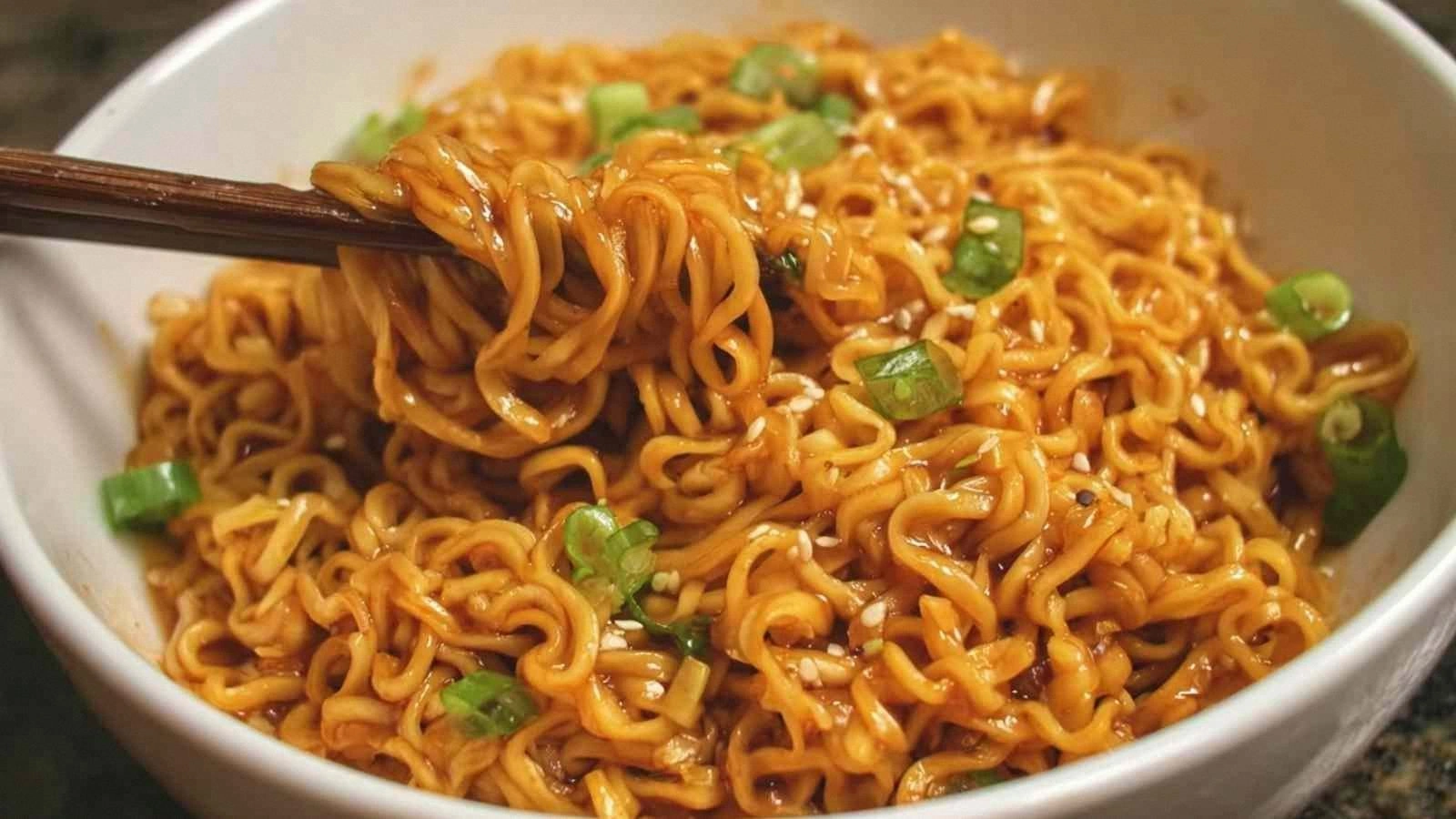
Picture this: a glossy, velvety sauce coating every strand, a crunch that snaps like thin ice, and a protein punch that feels like a hug from the inside. The aroma alone—rich soy, toasted sesame, and a faint sweetness from maple syrup—has me humming like a contented cat. The texture is a dance of silky noodles and crisp veggies, all balanced by a creamy peanut butter undertone that lingers on your palate. I dare you to taste this and not go back for seconds. That sizzle when it hits the pan? Absolute perfection.
What makes this version stand out is not just the ingredients but the method, the timing, and the sheer confidence I bring to the kitchen. I’m not just cooking; I’m orchestrating a flavor symphony that will have your friends asking for the secret recipe. I’ve taken the classic ramen, stripped it of unnecessary fluff, and added protein-packed tofu and edamame, turning it into a meal that satisfies both the soul and the gym. The sauce, a marriage of soy, peanut butter, and sesame, coats the noodles like velvet, while the tofu crisps to a golden edge that shatters like thin ice. I’ve also added a dash of maple syrup to balance the umami, and a splash of rice vinegar to lift the heaviness, making every bite feel fresh and alive.
I’ll be honest—before I perfected this recipe, I ate half the batch before anyone else got to try it. That was a learning moment that taught me the power of timing and seasoning. The next time you’re craving something quick yet indulgent, this ramen will be the go-to. I’m about to walk you through every single step, and by the end, you’ll wonder how you ever made it any other way. Let’s dive in.
What Makes This Version Stand Out
- Flavor: The sauce is a balanced blend of salty, sweet, and nutty notes that envelop each noodle, turning a simple bowl into a gourmet experience.
- Protein: Extra‑firm tofu and edamame add a satisfying bite and double the protein content, making it a powerhouse for post‑workout recovery.
- Texture: The tofu is pan‑seared to a golden crisp, while the vegetables stay tender yet firm, creating a delightful contrast.
- Simplicity: Every ingredient you need is pantry‑friendly, and the entire process takes less than an hour from start to finish.
- Versatility: Swap out vegetables, adjust the heat, or switch the sauce base to suit your dietary preferences.
- Make‑Ahead: The sauce can be prepared in advance and refrigerated; the noodles are added fresh for the best mouthfeel.
Alright, let’s break down exactly what goes into this masterpiece…
Inside the Ingredient List
The Flavor Base
At the heart of this ramen is a sauce that marries soy, sesame, and peanut butter into a silky, umami‑rich coating. Soy sauce provides the salty backbone, while dark soy adds depth and color. Peanut butter introduces a creamy nutty tone that balances the sharpness of the soy. A splash of rice vinegar lifts the heaviness and adds a subtle tang, preventing the sauce from feeling flat. The maple syrup or sugar is the secret sweetener that rounds out the flavor profile, ensuring each bite is harmonious.
The Texture Crew
The tofu is the star of the texture lineup. Extra‑firm tofu, when pressed and pan‑seared, develops a golden crust that offers a satisfying bite against the silky noodles. Edamame contributes a pop of green and a chewy bite, while the sliced mushrooms or vegetables provide crunch and moisture balance. Cornstarch is used as a thickening agent, giving the sauce a silky coat without turning it clumpy. The sesame oil adds a subtle nutty aroma, and the sesame seeds give a final crunch that’s almost cinematic.
The Unexpected Star
Hemp hearts are often overlooked but bring a nutty flavor and a dose of omega‑3 fatty acids that elevate the dish’s nutritional profile. Nutritional yeast, on the other hand, adds a cheesy, umami punch that’s perfect for vegan versions. Together, they create a depth that would otherwise require a complex sauce recipe. The chili garlic sauce injects heat, but only enough to keep the dish exciting without overwhelming the palate. This combination of unexpected ingredients turns a simple ramen into a culinary revelation.
The Final Flourish
The finishing touches—chopped scallions, roasted peanuts or cashews, and a drizzle of sesame oil—add layers of freshness, crunch, and aroma. Scallions provide a bright, oniony lift, while the roasted nuts give a satisfying crunch that contrasts the silky sauce. A final splash of sesame oil just before serving brings the dish together, giving it that glossy, appetizing look.
Everything's prepped? Good. Let's get into the real action…
The Method — Step by Step
- Begin by heating a large skillet over medium‑high heat. Add the cooking oil and wait until it shimmers. Toss in the cubed tofu, pressing each piece gently to ensure even contact. Let the tofu sear for 3–4 minutes on each side until it develops a golden crust. Remove the tofu and set aside; this step is critical for that crunchy texture.
- In the same skillet, add a splash of sesame oil and then the minced garlic. Sauté until fragrant—about 30 seconds—watching the aroma rise like a promise of flavor. Add the sliced mushrooms or your chosen veggies. Stir‑fry for 2 minutes, just enough to soften but still retain their bite. The vegetables should release a subtle steam, signaling readiness.
- Pour in the vegetable broth or water, then add the soy sauce, dark soy sauce, and rice vinegar. Bring the mixture to a gentle simmer, allowing the flavors to marry. Stir in the maple syrup or sugar, letting it dissolve completely. The mixture should thicken slightly, indicating the cornstarch has begun to work its magic.
- Whisk the cornstarch with a small amount of cold water to create a slurry. Slowly pour this into the skillet while stirring continuously. The sauce will thicken to a glossy consistency, coating every ingredient. Keep the heat low to avoid scorching, and let it simmer for another 2 minutes.
- Return the tofu to the skillet, gently tossing to coat it in the sauce. Add the edamame, nutritional yeast, hemp hearts, and peanut butter. Stir until the peanut butter is fully incorporated, creating a creamy, nutty layer that binds the flavors together. The mixture should smell toasty and inviting.
- Add the chili garlic sauce and ground black pepper, stirring to combine. Taste the sauce; if it feels too salty, a splash of water can help balance. This is the moment of truth—your ramen should smell fragrant, slightly sweet, and richly umami.
- Finally, add the dry ramen noodle cakes directly into the skillet. Toss everything together, ensuring the noodles soak up the sauce. Cook for 2–3 minutes until the noodles are tender but still retain a slight bite. Remove from heat and let it sit for a minute; this allows the flavors to meld.
- Serve hot, garnished with chopped scallions, sesame seeds, and a handful of roasted peanuts or cashews. Drizzle a bit more sesame oil for that glossy finish. Each bite should deliver a harmonious blend of sweet, salty, nutty, and spicy notes, with textures that range from silky to crisp.
That's it — you did it. But hold on, I've got a few more tricks that'll take this to another level…
Insider Tricks for Flawless Results
The Temperature Rule Nobody Follows
Keeping the skillet at a steady medium‑high heat ensures the tofu crisps without burning. If the heat is too low, the tofu will steam and never develop that coveted golden crust. A quick test: sprinkle a drop of water on the pan; if it sizzles instantly, you’re at the right temperature. If it just sizzles, lower the heat slightly. This subtle adjustment can make the difference between a soggy bowl and a crispy masterpiece.
Why Your Nose Knows Best
Before adding the final splash of sesame oil, pause and sniff the sauce. A faint nutty aroma indicates the sesame oil is ready to shine. If the scent is weak, let the sauce simmer a bit longer to let the oil release its flavors. Your nose is the best judge of when the dish is at its aromatic peak.
The 5‑Minute Rest That Changes Everything
After removing the ramen from heat, let it rest for 5 minutes. This resting period allows the noodles to absorb the sauce fully and the flavors to meld. It also gives the tofu a chance to re‑crisp slightly, preventing it from becoming soggy. A quick rest can transform a good bowl into a great one.
The Right Salt Balance
Soy sauce is already salty, so be cautious with additional salt. Taste the sauce before adding more; you’ll notice the savory depth without the need for extra sodium. If you prefer a lower sodium version, use low‑sodium soy sauce and increase the maple syrup slightly to maintain sweetness.
The Final Drizzle
A light drizzle of sesame oil right before serving adds shine and a final aromatic lift. It also helps to coat the noodles, preventing them from sticking together. Use a small spoon or a fine mist spray to control the amount.
Creative Twists and Variations
This recipe is a playground. Here are some of my favorite ways to switch things up:
Spicy Korean Twist
Swap the chili garlic sauce for gochujang and add a handful of kimchi. The fermented tang pairs beautifully with the creamy sauce, and the heat level will satisfy any spice lover.
Miso Marvel
Replace the soy sauce with white miso paste for a sweeter, earthier flavor profile. Add a splash of mirin to balance the richness, and you’ll have a ramen that feels like a Japanese comfort dish.
Sakura Spring Edition
Use fresh asparagus or baby bok choy instead of mushrooms. The bright green veggies bring a spring vibe, and the tender stems add a pleasant chew. Finish with a squeeze of yuzu for a citrusy zing.
Protein‑Packed Powerhouse
Add a handful of cooked lentils or chickpeas for extra protein. This variation turns the ramen into a hearty, plant‑based main course that satisfies even the most ravenous appetite.
Vegan “Cheesy” Version
Use a vegan cheese sauce made from cashew cream and nutritional yeast instead of peanut butter. This gives the dish a creamy, cheesy texture while keeping it plant‑based.
Storing and Bringing It Back to Life
Fridge Storage
Store the sauce and noodles separately in airtight containers. Keep the sauce in a sealed jar and the noodles in a separate plastic bag. When reheating, combine the sauce with the noodles and stir until heated through. The sauce will thicken slightly, so add a splash of water if needed.
Freezer Friendly
Freeze the sauce portion in a freezer‑safe container for up to 2 months. The noodles should be cooked and drained before freezing to prevent sogginess. When ready, thaw the sauce overnight and reheat on the stove with a splash of water.
Best Reheating Method
Reheat the sauce over low heat, stirring frequently to prevent sticking. Add a tiny splash of water or broth to restore the silky texture. Finish with a quick stir of sesame oil and a sprinkle of fresh scallions to bring the dish back to life.