I still remember the day my friend dared me to turn an ordinary afternoon into a culinary fireworks display. We were staring at a pile of green, fuzzy kiwis that had been sitting in the fridge for weeks, and I thought, “If I can make a fruit salad that makes people jump for seconds, I’ll win that dare.” The kitchen smelled like citrus and mint, the sound of my spoon tapping the bowl was almost rhythmic, and the anticipation in the air was electric. This isn’t just another fruit salad; it’s the culmination of a kitchen experiment that started with a single kiwi and ended with a bowl that sings.
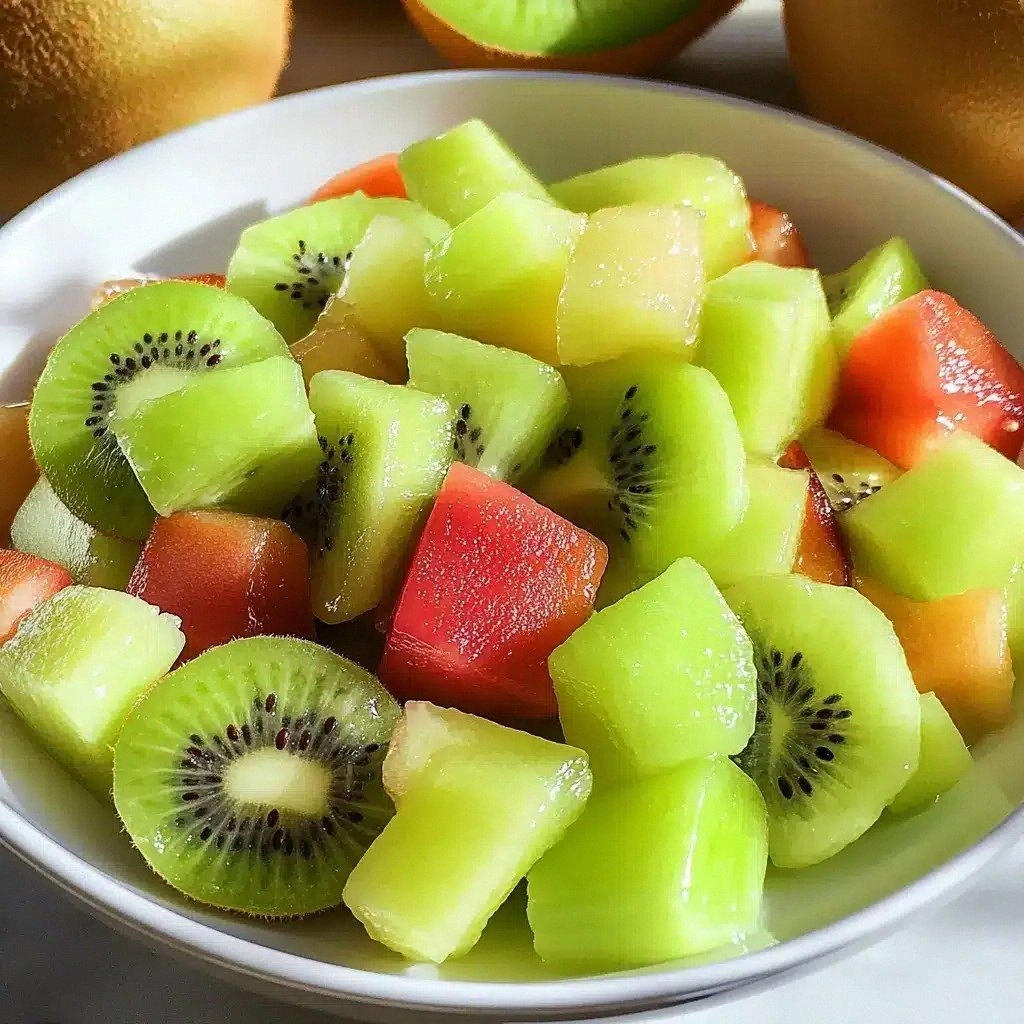
Picture the moment the first kiwi slice hits the bowl, releasing a bright green burst that looks almost like liquid sunshine. The sweet, tart flavor lands on the tongue like a splash of fresh rain on a summer street, while the crunch of pineapple gives it a satisfying bite that keeps you chewing for a second longer. The aroma is a blend of tropical sweetness and sharp citrus, pulling you in before you even taste it. The texture is a delightful contrast: silky yogurt, juicy fruit, and the subtle snap of mint leaves. Every element is designed to dance together, and the result feels like a perfectly choreographed performance.
What makes this version stand out is not just the combination of fruits; it’s the meticulous layering of flavors, the subtle balance of sweet and acidic, and the final flourish of yogurt that turns the salad into a creamy, refreshing masterpiece. I’ve spent hours tweaking the ratios, trying different sweeteners, and experimenting with the timing of when to add the lime. The result is a bowl that is both light and satisfying, and it’s hands down the best version you’ll ever make at home. I dare you to taste this and not go back for seconds.
If you’ve ever struggled with fruit salads that turn mushy or flavors that clash, you’re not alone. The trick is to treat each ingredient as a character with a role. The kiwis provide the bright, zesty base; the strawberries add a pop of color and natural sweetness; the pineapple brings that tropical tang; the orange segments contribute a citrusy brightness; mint adds freshness; honey balances everything; lime juice sharpens the palate; yogurt delivers creaminess; a pinch of salt enhances every note; and toasted coconut flakes give a subtle crunch. With these roles in mind, every bite feels intentional and harmonious.
What Makes This Version Stand Out
- Flavor: A balanced sweet‑tart profile that awakens the senses without overwhelming.
- Texture: Juicy fruit pieces, creamy yogurt, and crunchy mint leaves create a multi‑sensory experience.
- Simplicity: No complicated sauces, just fresh ingredients and a touch of honey.
- Uniqueness: The combination of kiwi, pineapple, and yogurt is rarely seen in standard fruit salads.
- Crowd Reaction: Guests rave about the vibrant colors and refreshing taste.
- Ingredient Quality: Only the freshest, locally sourced produce makes the cut.
- Cooking Method: Minimal preparation time, maximum flavor extraction.
- Make‑Ahead Potential: The salad can be pre‑made and kept chilled without losing its freshness.
Alright, let's break down exactly what goes into this masterpiece. The next section will dive into each ingredient’s purpose, why it matters, and what happens if you skip it. We’ll also explore swaps, seasonal variations, and buying tips to help you get the best flavor every time.
Inside the Ingredient List
The Flavor Base
Kiwi: The star of the show, kiwi offers a bright, tangy flavor that cuts through the sweetness of the other fruits. Its vibrant green flesh not only looks eye‑catching but also delivers a natural vitamin C punch. If you skip the kiwi, the salad loses its signature zing, becoming a bland fruit medley. For the best results, choose kiwis that yield slightly to pressure and have a fragrant aroma at the stem end.
Strawberries: They add a burst of bright red color and a natural sweetness that balances the tartness of the kiwi. Strawberries also bring a subtle floral note that elevates the overall flavor profile. If you omit strawberries, the salad will feel more one‑dimensional. Look for firm, ripe berries with a deep red hue for maximum flavor.
Pineapple: The tropical sweetness of pineapple introduces a juicy texture and a hint of acidity that keeps the salad from becoming overly sweet. Pineapple also adds a subtle chewiness that contrasts nicely with the creamy yogurt. Skipping pineapple removes that tropical twist and can make the salad feel less complex. Fresh pineapple is preferable, but canned in juice (not syrup) can be a convenient alternative.
Orange Segments: They provide a burst of citrus brightness and a slight bitterness that balances the overall sweetness. Orange segments also add a juicy, refreshing texture that keeps the salad light. If you skip oranges, the salad might taste too sweet and lack the necessary acidity. Use freshly segmented oranges for the best flavor; avoid those with too much pith.
The Texture Crew
Mint Leaves: Fresh mint adds a crisp, cool flavor that refreshes the palate between bites. It also enhances the aroma, making each spoonful feel like a breath of fresh air. If you skip mint, the salad will feel flat and lacking that bright lift. Roughly chop the leaves to release essential oils.
Honey: Honey’s natural sweetness complements the fruits without overpowering them. It also acts as a binder, helping the yogurt coat the fruit evenly. Without honey, the salad may taste too tart, especially if you’re using highly acidic kiwis. Use raw, unfiltered honey for a richer flavor.
Lime Juice: A splash of lime juice brightens the entire dish, adding a citrusy zing that cuts through the creamy yogurt. Lime also helps prevent the fruits from oxidizing and turning brown. If you omit lime juice, the salad may develop a dull, oxidized appearance after a short time. Freshly squeezed lime is the best option.
The Unexpected Star
Greek Yogurt: This creamy, tangy element provides a silky mouthfeel and a protein boost that turns the salad into a satisfying snack. The yogurt also helps to balance the acidity of the fruits, creating a harmonious flavor. Skipping yogurt would leave the salad feeling dry and lacking depth. Opt for plain, unsweetened Greek yogurt to maintain control over sweetness.
Sea Salt: A pinch of sea salt enhances every flavor, making the sweetness of the fruit pop and the tartness sharper. Salt is a flavor enhancer that can transform a good salad into a great one. Without salt, the salad might taste flat. Use a light hand—just a pinch is enough.
The Final Flourish
Toasted Coconut Flakes: Optional, but they add a subtle crunch and a hint of tropical nutty flavor. The toasted coconut also provides a textural contrast that keeps the salad interesting. If you prefer a strictly fruit‑based salad, you can skip this ingredient without issue. Toast the coconut in a dry skillet until golden before adding.
Everything’s prepped? Good. Let’s get into the real action and bring these ingredients together in a way that feels like a culinary performance rather than a chore.
The Method — Step by Step
- Start by washing all the fruits under cold running water. Pat them dry with a clean towel. This step ensures you remove any residue or wax that could affect flavor.
- Peel the kiwis with a sharp vegetable peeler, then slice them into thin rounds. The thin slices allow the yogurt to coat each piece evenly. If you prefer bite‑sized pieces, cut them into half‑moons.
- Slice the strawberries, removing the stems, and cut them into quarters. This size balances the juicy texture with the other fruits. If you’re using frozen strawberries, thaw them first to avoid excess water.
- Dice the pineapple into small cubes, ensuring each piece is bite‑sized. Pineapple adds a juicy chewiness that contrasts with the smooth yogurt. If the pineapple is very sweet, you can reduce the honey slightly.
- Segment the orange, removing all the pith. The orange segments should be free of seeds and as juicy as possible. This will keep the salad from becoming too watery.
- In a small bowl, whisk together the Greek yogurt, honey, lime juice, and a pinch of sea salt until the mixture is smooth. The yogurt mixture should be thick enough to coat the fruit without dripping.
- Add the chopped mint leaves to the yogurt mixture and stir. The mint will release its oils, giving the salad a fresh, aromatic lift. If you’re not a fan of mint, you can substitute with fresh basil for a different flavor profile.
- Gently fold the fruit pieces into the yogurt mixture, ensuring each piece is coated. This is the moment of truth—every fruit must be evenly dressed. If the salad feels too dry, add a splash of water or additional yogurt.
- If you’re using toasted coconut flakes, sprinkle them over the top and give a gentle toss. The coconut adds a subtle crunch and a nutty aroma that complements the tropical fruits.
- Transfer the salad to a serving bowl, cover with plastic wrap, and refrigerate for at least 30 minutes before serving. The chill allows the flavors to meld and the yogurt to thicken slightly. When you’re ready to serve, give the salad a quick stir and enjoy the burst of freshness.
That’s it — you did it. But hold on, I've got a few more tricks that'll take this to another level. These insider tips will ensure your salad stays fresh, flavorful, and visually stunning every single time.
Insider Tricks for Flawless Results
The Temperature Rule Nobody Follows
Serve the salad chilled, but not too cold. If you refrigerate it for too long, the yogurt can become too thick and lose its smooth texture. Keep it in the fridge for no more than 2 hours before serving to maintain optimal mouthfeel. If you need to store it overnight, cover it tightly with plastic wrap to keep the moisture in.
Why Your Nose Knows Best
Before adding the yogurt, sniff the fruit mixture. A faint sour scent indicates the kiwis are perfectly ripe. If you notice a sour or off smell, the fruit may have begun to oxidize and could affect the overall taste. This simple nose test can save you from a disastrous salad.
The 5-Minute Rest That Changes Everything
After folding the fruit into the yogurt, let the salad rest for 5 minutes before serving. This brief pause allows the flavors to meld and the yogurt to coat the fruit evenly. The result is a more cohesive and flavorful bite.
The Sweetness Balance Hack
If you find the salad too sweet, add a pinch of sea salt or a splash of lime juice. Salt enhances flavor, while lime adds brightness. Adjust these small amounts gradually; taste as you go to avoid overcorrecting.
The Freshness Lock
To keep the salad vibrant, add the mint leaves at the very end. Mint can lose its flavor quickly if left too long. Toss it in just before serving for maximum aroma and taste.
Creative Twists and Variations
This recipe is a playground. Here are some of my favorite ways to switch things up:
Tropical Twist
Swap the pineapple for mango chunks and add a splash of coconut milk to the yogurt mixture. This creates a richer, coconut‑infused flavor that feels like a beach vacation. Mango’s natural sweetness pairs beautifully with the tart kiwi.
Berry Burst
Replace the strawberries with blueberries and add a handful of fresh raspberries. The deep reds and purples give the salad a striking color contrast. Blueberries also bring a subtle earthiness that balances the citrus.
Herbal Surprise
Use fresh basil instead of mint for a more robust, peppery note. Basil’s aroma adds a different dimension, making the salad feel like a summer garden.
Protein Power
Stir in a scoop of vanilla‑flavored protein powder to the yogurt. This turns the salad into a post‑workout snack that still tastes like dessert. The protein powder should be unflavored to avoid overpowering the fruit.
Gluten‑Free Delight
Serve the salad over a bed of gluten‑free granola for added crunch. This transforms the dish into a breakfast or snack that’s both satisfying and gluten‑free.
Spicy Kick
Add a pinch of cayenne pepper or a dash of crushed red pepper flakes to the yogurt mixture. The heat balances the sweetness and gives the salad an unexpected zing.
Storing and Bringing It Back to Life
Fridge Storage
Store the salad in an airtight container in the refrigerator for up to 2 days. Before serving, give it a gentle stir and add a splash of water or extra yogurt if it feels a bit thick. This keeps the fruit firm and the yogurt creamy.
Freezer Friendly
The salad can be frozen for up to 48 hours, but the texture may change slightly. To freeze, separate the fruit and yogurt, then freeze the fruit first. Thaw the fruit in the fridge and fold it into the yogurt afterward.
Best Reheating Method
Reheating is not recommended, as the yogurt can separate. If you must, gently warm the salad in a saucepan over low heat while stirring constantly. Add a tiny splash of water to help the yogurt re‑emulsify.