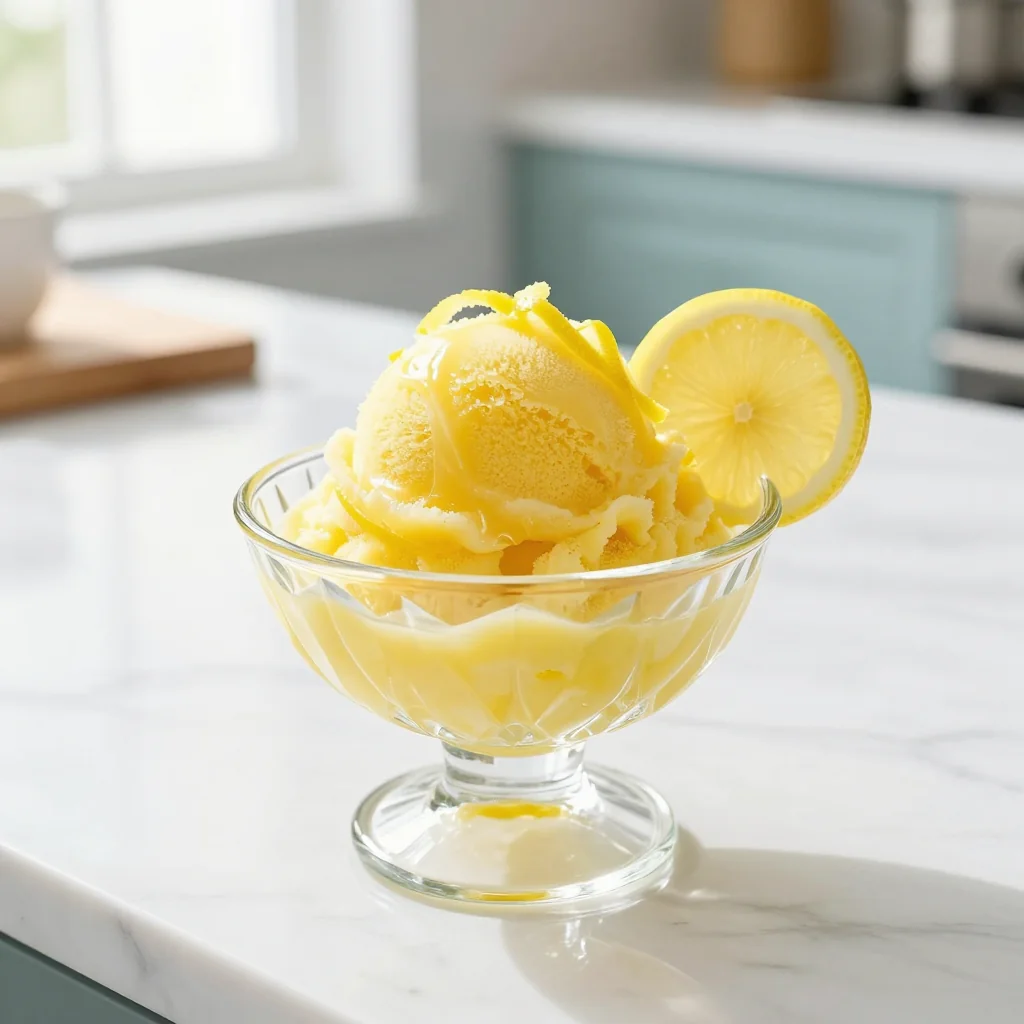
A bright, tangy sorbet that captures the sunshine of summer in every spoonful.
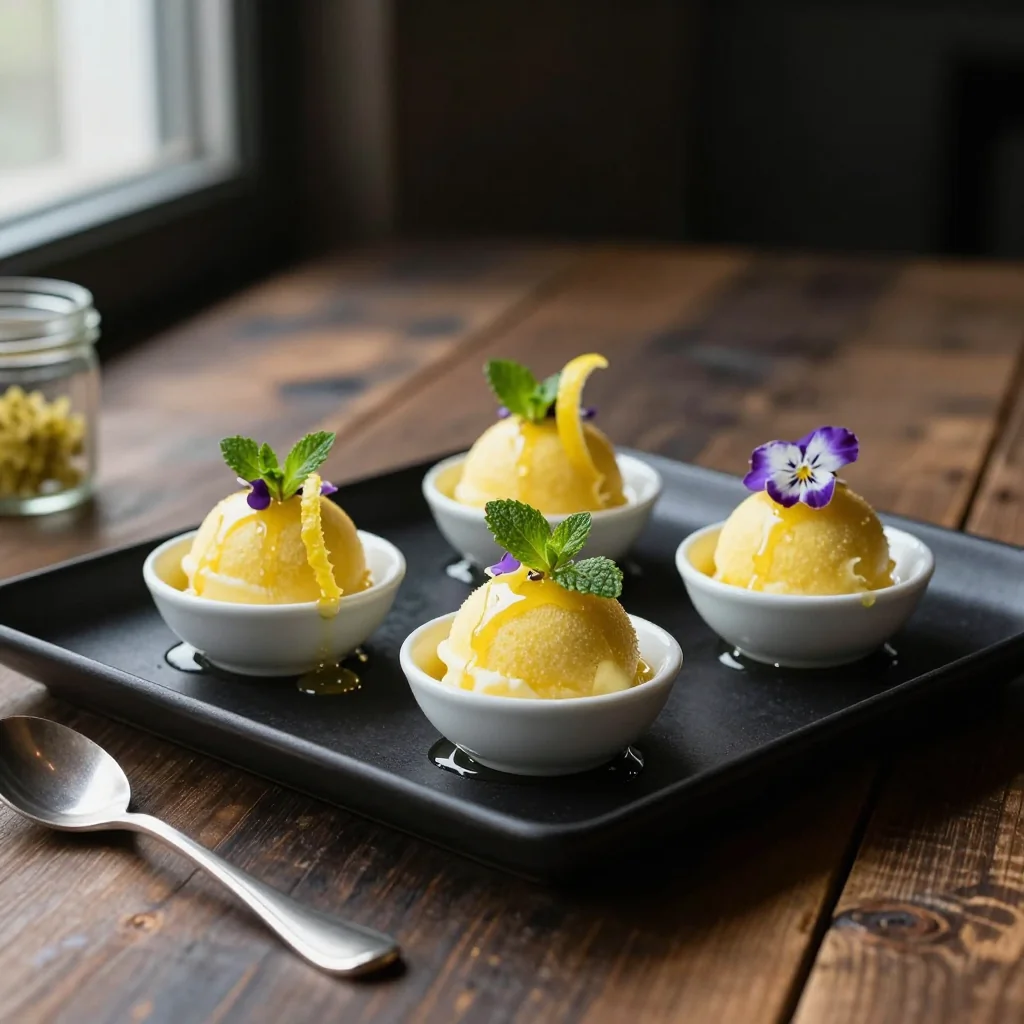
The first time I tasted a truly refreshing lemon sorbet was on a breezy Mediterranean terrace, where the scent of citrus mingled with salty sea air. I still remember the sparkle of the icy texture against the warmth of the sun, a moment that felt both simple and unforgettable. That memory sparked my curiosity: could I recreate that exact sensation in my own kitchen, using just a handful of ingredients?
Lemon sorbet has its roots in the classic Italian granita, a semi‑frozen treat that dates back to the Arab influence on Sicilian cuisine. Over the centuries, it evolved into the smooth, velvety sorbet we love today, celebrated for its ability to cleanse the palate and provide a burst of brightness after a hearty meal.
In this guide, I’ll walk you through every step—from balancing the perfect sugar‑to‑lemon ratio to mastering the freeze‑and‑stir technique that guarantees a silky finish. You’ll learn why using fresh zest makes all the difference, how to avoid icy crystals, and the secret of a quick‑freeze method that works even without an ice cream maker.
I’m thrilled to share this recipe with you, and I hope it becomes a staple for summer gatherings, after‑dinner refreshments, or simply a personal indulgence on a warm afternoon. Let’s dive in and turn those lemons into a dazzling dessert!
🌟 Why This Recipe Will Captivate You
Lemon Sorbet Homemade isn’t just another frozen treat; it’s a celebration of flavor, texture, and simplicity that will keep you reaching for the spoon again and again.
- ✨ Pure Citrus Brightness: The combination of freshly squeezed lemon juice and zest delivers an authentic, zesty punch that no artificial flavor can mimic.
- ✨ No‑Ice‑Cream‑Maker Needed: Our step‑by‑step freeze‑and‑stir method creates a creamy texture using only a standard freezer and a whisk.
- ✨ Light & Refreshing: With just sugar and water as the base, this sorbet feels light on the palate, making it ideal after rich meals.
- ✨ Customizable Sweetness: Adjust the sugar level to suit your taste or swap for honey or agave for a different nuance.
- ✨ Health‑Friendly: Low in fat and calories, it offers a guilt‑free way to satisfy sweet cravings while delivering a dose of vitamin C.
- ✨ Versatile Presentation: Serve in elegant glasses, scoop into fruit shells, or pair with a sprig of mint for a sophisticated finish.
🥗 The Ingredients
📝 Complete Ingredient List
For the Sorbet Base:
For the Garnish:
Optional Boost:
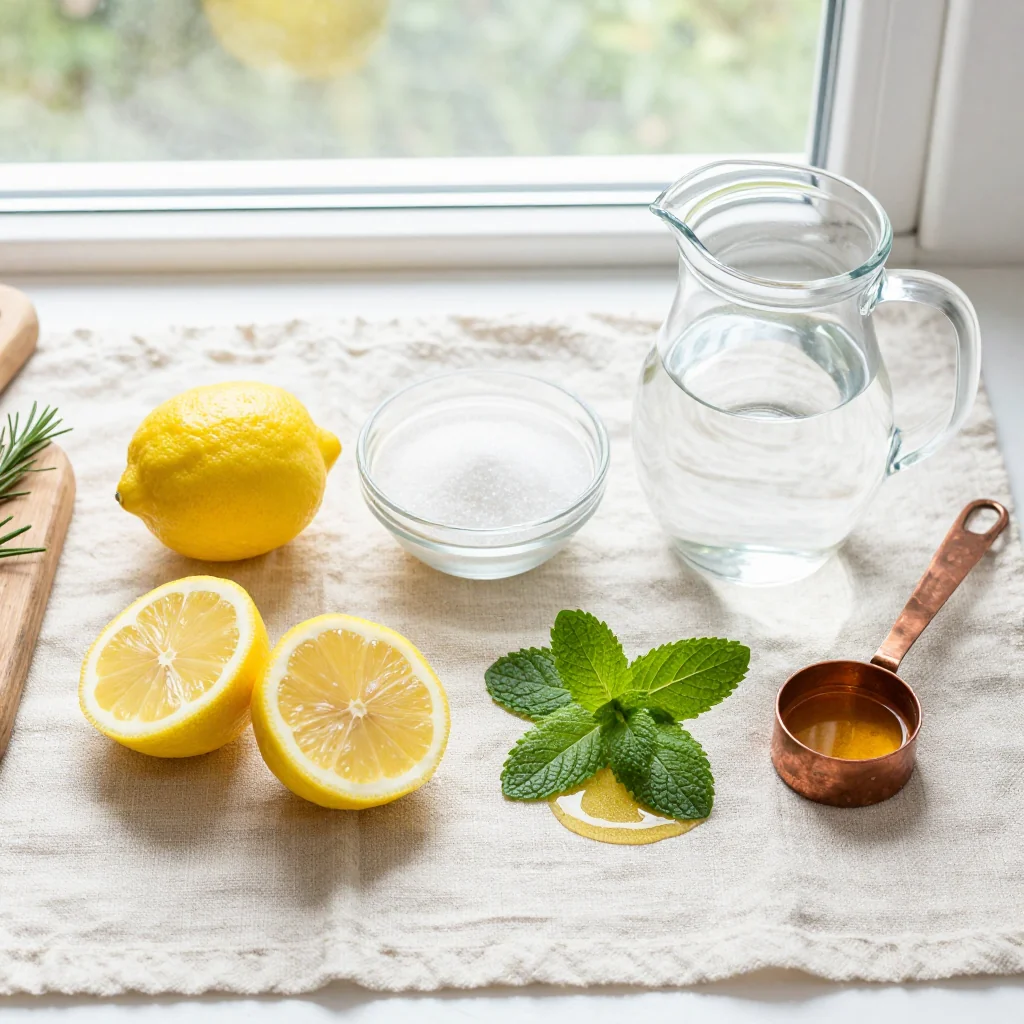
🔍 Focus on Key Ingredients
Lemons (Juice & Zest)
The star of this sorbet is, of course, the lemon. Freshly squeezed juice provides bright acidity, while the zest adds aromatic oils that deepen the flavor profile. When zesting, avoid the white pith, which can impart bitterness. For the best results, zest the lemons before juicing to prevent any loss of essential oils.
Granulated Sugar
Sugar not only sweetens but also influences texture. It lowers the freezing point of the mixture, preventing large ice crystals and ensuring a smooth mouthfeel. If you prefer a lower‑calorie version, you can substitute half of the sugar with a natural sweetener like erythritol, keeping the same volume.
Sea Salt
A pinch of sea salt may seem trivial, but it amplifies the citrus notes and balances the sweetness. It also enhances the overall perception of flavor, making each spoonful more vibrant. Use a fine sea salt for even distribution.
🔄 Quick Substitutions
| If you don’t have... | Use instead... |
|---|---|
| Fresh lemons | Store‑bought bottled lemon juice + lemon zest (adjust to taste) |
| Granulated sugar | Honey (use 150 g) or agave syrup (use 180 ml) |
| Sea salt | Regular table salt (use a pinch) |
👨🍳 Step‑by‑Step Instructions
Follow these detailed steps to achieve a flawless, restaurant‑quality lemon sorbet that’s both silky and intensely flavored.
📋 Phase 1: Preparation & Mise en Place
Gather your tools and start by creating a simple syrup that will serve as the sweet backbone of the sorbet.
Make the Simple Syrup
In a medium saucepan, combine the 480 ml of water with the 200 g of granulated sugar. Stir over medium heat until the sugar completely dissolves, creating a clear, glossy syrup. Once dissolved, remove the pan from heat and let the syrup cool to room temperature. This cooling step is crucial because adding hot syrup to lemon juice can cause the zest’s volatile oils to evaporate, dulling the aroma.
Prepare Lemon Juice and Zest
While the syrup cools, zest two lemons using a microplane, taking care to capture only the bright yellow outer layer. Then, juice the lemons until you have 240 ml of liquid. Strain the juice through a fine‑mesh sieve to remove pulp and seeds, ensuring a smooth final texture.
🔥 Phase 2: Mixing & Freezing
Combine the cooled syrup with the citrus components, then begin the freezing process.
Blend Syrup, Juice, Zest, and Salt
In a large mixing bowl, whisk together the cooled simple syrup, freshly squeezed lemon juice, lemon zest, and a pinch of sea salt. The mixture should turn a pale, sunny yellow. If you’re using Limoncello, stir it in now for an adult‑only twist that adds depth without overwhelming the lemon’s brightness.
Initial Freeze
Transfer the mixture into a shallow, freezer‑safe metal pan (a metal loaf pan works well). Cover with plastic wrap, ensuring the wrap touches the surface to prevent ice crystals from forming on top. Place the pan in the freezer for 45 minutes.
Scrape & Stir
After 45 minutes, remove the pan and use a fork or whisk to scrape the partially frozen edges toward the center. This breaks up ice crystals and incorporates air, which contributes to a smoother texture. Return the pan to the freezer and repeat this scraping process every 30 minutes for the next 2 hours, for a total of 4–5 cycles.
✨ Phase 3: Finishing & Serving
Finalize the texture, garnish, and present your sorbet like a pro.
Check Consistency
When the sorbet is firm yet still slightly pliable (you should be able to push a spoon through with a gentle resistance), it’s ready. If it feels too icy, give it an extra 10‑minute stir in the freezer.
Garnish
Scoop the sorbet into chilled dessert glasses. Sprinkle a few mint leaves and a light dusting of extra lemon zest over each serving. The mint adds a fresh contrast, while the zest reinforces the citrus aroma.
Serve Immediately or Store
Serve the sorbet straight away for the best texture. If you need to store it, keep it in an airtight container (see the storage section below) and let it soften for 5‑10 minutes at room temperature before scooping again.
💡 Expert Tips & Tricks
🛒 Choosing the Best Ingredients
When shopping for lemons, look for ones that are firm, heavy for their size, and have a vibrant, glossy skin. Avoid lemons with soft spots, blemishes, or a dull appearance, as they may be past their prime and lack the essential oils that give the sorbet its punch. For sugar, opt for fine granulated sugar; it dissolves more quickly, ensuring a smoother syrup. If you have a preference for organic produce, both the lemons and the sugar can be sourced from certified organic suppliers, which often provide a cleaner flavor profile.
🔪 Preparation Techniques
Zesting is an art: use a microplane or fine grater, and rotate the lemon gently to avoid the bitter white pith. After zesting, roll the lemon on the countertop with your palm to loosen the juices before cutting. When juicing, a handheld citrus press extracts maximum liquid while minimizing seeds. Strain the juice through a fine‑mesh sieve to catch any pulp, ensuring a silky base that won’t become gritty during freezing.
🌡️ Mastering the Freeze‑and‑Stir Process
The key to a smooth sorbet lies in controlling crystal formation. By using a shallow metal pan, you increase surface area, allowing the mixture to freeze faster and more evenly. The periodic scraping every 30 minutes introduces tiny air pockets and breaks up larger crystals, resulting in a creamy texture. If you have an ice cream maker, you can skip the manual stirring, but the manual method gives you more control over the final consistency.
🍽️ Presentation & Service
For a polished look, chill your serving glasses or bowls in the freezer for at least 10 minutes before scooping. A quick dip of the rim in a mixture of sugar and finely grated lemon zest creates a sparkling edge that adds visual appeal. Pair the sorbet with a sprig of fresh mint or a thin slice of candied lemon for a pop of color. Serve alongside a light fruit salad or a slice of almond biscotti for texture contrast.
🏆 Pro Secrets
Professional chefs treat sorbet as a science; mastering these nuances separates a good dessert from a show‑stopping masterpiece.
- 🎯 Precise Temperature Control: The ideal freezing point for sorbet is around -5 °C (23 °F). Using a candy thermometer helps you monitor the mixture during the final freeze, preventing over‑hardening which can lead to a grainy texture.
- 🎯 Sugar Ratio Optimization: A 1:4 sugar‑to‑water ratio (by weight) balances sweetness and freezing point. Adjusting this ratio by even 10 % can dramatically change the texture, making it softer or firmer depending on ambient temperature.
- 🎯 Incorporating Air (Overrun): Professional sorbets often have an overrun of 30‑40 %, meaning air is folded into the mixture during churn. Manually, you achieve this by vigorous whisking during each scrape, which lightens the final product.
- 🎯 Stabilizer Alternatives: Adding a teaspoon of corn syrup or a splash of vodka reduces ice crystal size because alcohol interferes with hydrogen bonding. Use sparingly to avoid altering flavor.
- 🎯 Flavor Layering: Introduce a secondary citrus, such as a dash of orange blossom water or a thin slice of lime zest, during the final stir. This creates a subtle complexity that keeps the palate intrigued.
- 🎯 Serving Temperature: Serve sorbet at -2 °C (28 °F). If it’s too cold, the flavors become muted; if it’s too warm, the texture turns mushy. Let it sit for 5 minutes after removing from the freezer for optimal flavor release.
“A great sorbet is the perfect balance of science and art; the chemistry of sugar and ice meets the poetry of citrus.” — Chef Massimo Bottura
🔄 Variations & Adaptations
The base recipe is a versatile canvas. Below are several ways to adapt it for dietary preferences, flavor experiments, and family-friendly twists.
🥬 Vegan / Plant‑Based Version
Replace the granulated sugar with a vegan‑friendly alternative such as coconut sugar or agave nectar (use 180 ml). Ensure the sweetener you choose dissolves fully in the water; coconut sugar may need a slightly longer simmer. The rest of the ingredients are naturally plant‑based, making this version 100 % vegan.
- Use agave nectar for a lighter sweetness and lower glycemic index.
- Swap Limoncello with a splash of non‑alcoholic limoncello syrup for a festive, alcohol‑free boost.
🌶️ Flavor Variations
Lemon pairs beautifully with many complementary flavors. Here are three exciting directions you can explore.
Spicy Chili‑Lemon:
Add a pinch (or up to ½ tsp) of finely ground red chili flakes to the syrup before cooling. The heat contrasts the citrus, creating a lively palate experience.
Mediterranean Herb:
Infuse the simple syrup with a sprig of fresh rosemary or thyme during heating, then strain before mixing with lemon juice. The herb adds an earthy undertone that pairs well with grilled fish.
Asian Yuzu‑Ginger:
Substitute half of the lemon juice with yuzu juice and add 1 tsp freshly grated ginger to the mixture. This creates a fragrant, slightly floral sorbet that evokes Japanese summer festivals.
⚠️ Dietary Adjustments
Gluten‑Free:
The recipe is naturally gluten‑free; just ensure any optional garnish (e.g., cookie crumbs) is certified gluten‑free.
Lactose‑Free:
No dairy is used, making it inherently lactose‑free. If you add a splash of cream for richness, replace with coconut cream.
Low‑Calorie:
Reduce sugar to 150 g and add a tablespoon of erythritol for sweetness. The sorbet will be slightly less thick, but still delightfully refreshing.
👶 Kid‑Friendly Version
Children often prefer milder flavors. Reduce the lemon juice to 180 ml and increase sugar to 250 g for a sweeter profile. Add a swirl of strawberry puree after the sorbet has set for a fun, colorful twist that encourages little ones to enjoy a fruit‑based dessert.
📦 Storage & Reheating
🧊 Conservation
In the Freezer:
- Duration: Up to 2 months
- Recommended container: Airtight glass or plastic tub with a tight‑fitting lid
- Tip: Place a sheet of parchment paper directly on the surface before sealing to prevent ice crystals.
In the Refrigerator (short‑term):
- Duration: 2–3 days (softens but retains flavor)
- Container: Same airtight container, kept on a low shelf
- Tip: Let it soften for 5–10 minutes before scooping to regain a smooth texture.
💡 For best flavor, consume within the first month; prolonged storage can cause the lemon zest to turn bitter.
♨️ Reheating
🔥 In the Oven (Rarely Needed):
- Preheat to 150 °C (300 °F).
- Cover the sorbet container with foil.
- Warm for 5‑7 minutes, just enough to soften the edges.
- Remove foil and let sit for 2 minutes before serving.
⚡ In the Microwave (Quick):
- Place a serving in a microwave‑safe bowl.
- Heat on medium power for 20‑30 seconds.
- Stir gently; repeat if needed until a spoon‑able consistency is reached.
🍳 In a Saucepan (Gentle Method):
Warm the sorbet over low heat, stirring constantly, until it softens. This method preserves the bright citrus flavor better than high‑heat methods.
🍷 Perfect Pairings
🥗 Accompaniments
- Fresh Berry Salad: A mix of strawberries, blueberries, and mint adds texture and a complementary sweetness.
- Grilled Prosciutto‑Wrapped Melon: The salty prosciutto balances the sorbet’s acidity.
- Light Citrus Tart: A thin almond crust with orange segments creates a layered citrus experience.
🍷 Wine & Beverage Matches
- Prosecco: The bubbles and subtle fruit notes highlight the lemon’s brightness.
- Sauvignon Blanc: Its crisp acidity mirrors the sorbet’s tang.
- Non‑Alcoholic: Sparkling water with a splash of elderflower cordial offers a refreshing, low‑calorie option.
🍰 To Complete the Meal
Start with a light arugula‑pear salad, follow with a main course of grilled sea bass, and finish with this lemon sorbet. The progression from savory to sweet creates a harmonious dining experience that showcases the sorbet as a palate cleanser and dessert.
❓ Frequently Asked Questions
Q: Can I use a regular kitchen blender instead of whisking?
Yes, a high‑speed blender can emulsify the mixture quickly, but you’ll still need to freeze it in a shallow pan and scrape it periodically. The blender helps incorporate air, which can improve texture, yet the manual scraping method remains essential for breaking up ice crystals.
Q: How do I prevent ice crystals from forming?
The key is to keep the mixture moving during freezing. Frequent scraping, using a metal pan for rapid heat transfer, and ensuring the syrup is fully cooled before adding lemon juice all contribute to a smoother sorbet. Adding a teaspoon of corn syrup or a splash of vodka can also inhibit crystal growth.
Q: Is it possible to make this sorbet without any added sugar?
You can replace granulated sugar with a natural sweetener like stevia or monk fruit, but you’ll need to adjust the quantity to achieve the same freezing point depression. Expect a slightly different mouthfeel, as sugar also contributes to the creamy texture.
Q: My sorbet turned out too icy—what went wrong?
Common causes include insufficient stirring, using too much water, or not cooling the syrup before mixing with lemon juice. Ensure the syrup is at room temperature, and follow the 30‑minute scrape schedule. Adding a small amount of alcohol (1‑2 tbsp) can also help keep crystals small.
Q: Can I make a larger batch for a party?
Absolutely. Scale the ingredients proportionally; for example, double everything for 8 servings. Remember to adjust the freezing time slightly—larger volumes may need an extra 15‑20 minutes per cycle. The portion adjuster on the recipe card will automatically recalculate quantities for you.
Q: How far in advance can I prepare the sorbet?
The sorbet can be prepared up to two weeks ahead and stored in the freezer. For best texture, let it sit at room temperature for 10 minutes before serving and give it a quick stir to break up any surface ice.
🎉 Let’s Get Scooping!
This Lemon Sorbet Homemade combines the freshest citrus with a perfectly balanced sweetness, delivering a dessert that feels both elegant and effortless. Whether you’re ending a summer barbecue, cleansing the palate between courses, or simply craving a cool treat on a hot day, this sorbet checks every box: bright flavor, light texture, and endless adaptability. Remember, the secret lies in the quality of your lemons and the patience you give the mixture during each freeze‑and‑stir cycle.
I can’t wait to hear how you personalize this recipe—perhaps you’ll add a splash of Limoncello, a hint of spice, or a swirl of fresh berries. Share your creations, ask questions in the comments, and don’t forget to rate the recipe. Your feedback helps the community grow and inspires new variations.
Have you tried this recipe?
Leave a comment and rating below! Share your photos on Instagram with #LemonSorbetMagic to be featured on our page.
Lemon Sorbet Homemade
A bright, tangy sorbet that captures summer sunshine in every spoonful.
📝 Ingredients
Sorbet Base
Garnish
👨🍳 Instructions
- 1
Combine water and sugar in a saucepan; heat until sugar dissolves, then cool.
- 2
Zest two lemons and juice them, straining to remove pulp.
- 3
Whisk together cooled syrup, lemon juice, zest, and a pinch of sea salt.
- 4
Pour mixture into a shallow metal pan, cover, and freeze for 45 minutes.
- 5
Scrape the semi‑frozen edges toward the center every 30 minutes for 2 hours.
- 6
Check for a smooth, pliable texture; adjust freezing time if needed.
- 7
Scoop into chilled glasses, garnish with mint and extra zest.
- 8
Serve immediately or store in an airtight container for up to two months.
- 9
If desired, drizzle a splash of Limoncello over each serving for an adult twist.
- 10
Enjoy the bright, refreshing burst of lemon flavor!
🥗 Nutritional Information (per serving)
*Values are estimates based on standard ingredient data.
📚 You Might Also Like

Strawberry Basil Sorbet

Mango Lime Granita

Raspberry Champagne Sorbet





💬 Comments & Reviews
Leave a Comment
No comments yet. Be the first to share your thoughts!