Picture this: I’m standing in my kitchen, the scent of fresh crab meat drifting from the freezer, and a sudden craving for something that feels both indulgent and comforting. I’ve tried every crab cake recipe I’ve found online, from the bland to the over‑seasoned, and none of them hit that sweet spot of light, flaky texture with a crisp, golden crust that shatters like thin ice. That night, after a disastrous batch that ended up looking more like a crab cake pancake than a cake, I made a promise to myself: I would create the ultimate Maryland crab cake that would make even the most skeptical foodies swoon.
I spent an entire afternoon researching regional variations, tasting a dozen crab cakes at a local seafood market, and experimenting with ingredient ratios until the mixture behaved like a well‑tuned orchestra. The result? A batter that clings together without clumping, a crust that snaps with a satisfying crunch, and a flavor profile that sings with Old Bay, a hint of mustard, and a bright splash of lemon juice. I dare you to taste this and not go back for seconds—once you’ve had one, you’ll be craving the whole batch.
What sets this version apart is the meticulous balance between the crab’s natural sweetness and the seasoning’s boldness. The crab meat is fresh, sweet, and lumped, not shredded, which gives each bite a melt‑in‑your‑mouth texture that’s impossible to replicate with frozen or pre‑mixed crab. The breadcrumbs are toasted to a golden‑brown, adding a subtle nutty crunch that contrasts beautifully with the tender crab. And the secret sauce—an airy blend of mayonnaise, Dijon mustard, and a dash of Worcestershire—creates a silky coating that locks in moisture, keeping the cakes juicy on the inside.
I’ll be honest—I ate half the batch before anyone else got a chance to try it. The rest of the night was a frantic scramble to finish the recipe for a group of friends who arrived with an appetite for something that looked as good as it tasted. Picture yourself pulling this out of the pan, the whole kitchen smelling incredible, and watching the golden edges glisten under the kitchen lights. That sizzle when it hits the pan? Absolute perfection. Let me walk you through every single step—by the end, you’ll wonder how you ever made it any other way.
What Makes This Version Stand Out
- Flavor: The combination of Old Bay, a whisper of Dijon mustard, and lemon juice creates a layered taste that’s unmistakably Chesapeake Bay, yet approachable for any palate.
- Texture: Light, flaky crab meat is bound by toasted breadcrumbs and a silky sauce, resulting in a cake that’s crispy on the outside and tender on the inside.
- Simplicity: With only ten ingredients, the recipe is straightforward yet delivers a complex flavor profile that feels gourmet.
- Ingredient Quality: Fresh lump crab meat from Maryland is the star, and using high‑quality Old Bay and freshly squeezed lemon juice elevates the dish.
- Make‑ahead Potential: The batter can be assembled up to 24 hours in advance, allowing you to focus on frying just before serving.
- Crowd Reaction: Even the most skeptical diners rave—“I’ve never tasted crab so buttery and crisp” is a common refrain.
Inside the Ingredient List
The Flavor Base
Crab Meat: Fresh, sweet lump crab meat is the star of the show. If you can get it from Maryland, even better! The crab’s natural sweetness is amplified by the bright lemon juice and the subtle heat from Old Bay.
The Texture Crew
Breadcrumbs: For binding the crab meat together and giving the cakes a light, crispy texture. Toasted breadcrumbs add a nutty depth that balances the delicate crab.
Mayonnaise: Adds a creamy, smooth texture to the mixture, helping everything hold together. It also carries the mustard and Worcestershire, distributing flavor evenly.
The Unexpected Star
Mustard: A little Dijon or yellow mustard for tangy flavor. It cuts through the richness of the crab and mayonnaise, leaving a bright finish.
The Final Flourish
Parselly: Fresh parsley adds a pop of color and a fresh finish. Sprinkle it on top right before serving for a burst of green.
Everything's prepped? Good. Let's get into the real action...
The Method — Step by Step
- In a large bowl, gently fold the crab meat with the breadcrumbs, ensuring the lumps remain intact. This preserves the tender texture of each piece. Avoid over‑mixing, or the crab will break down and become mushy.
- Add the mayonnaise, Dijon mustard, egg, Old Bay seasoning, Worcestershire sauce, lemon juice, and chopped parsley to the bowl. Mix until just combined; the batter should be moist but not runny. The egg acts as a binder, while the mayo provides moisture and richness.
- Season with salt and pepper to taste. Remember, the crab itself already carries a natural brine, so be cautious with the salt to avoid over‑salting.
- Cover the mixture and refrigerate for at least 30 minutes. Chilling firms the batter, making it easier to shape without crumbling.
- While the batter chills, heat a large skillet over medium heat and add 2 tbsp butter and 2 tbsp oil. The butter adds flavor, and the oil raises the smoke point, preventing the butter from burning.
- Once the butter is foaming and the oil is shimmering, scoop about 1/4 cup of the chilled mixture per patty and form into a disk about 1 1/2 inches thick. Press gently to create a shallow indentation—this keeps the cakes even.
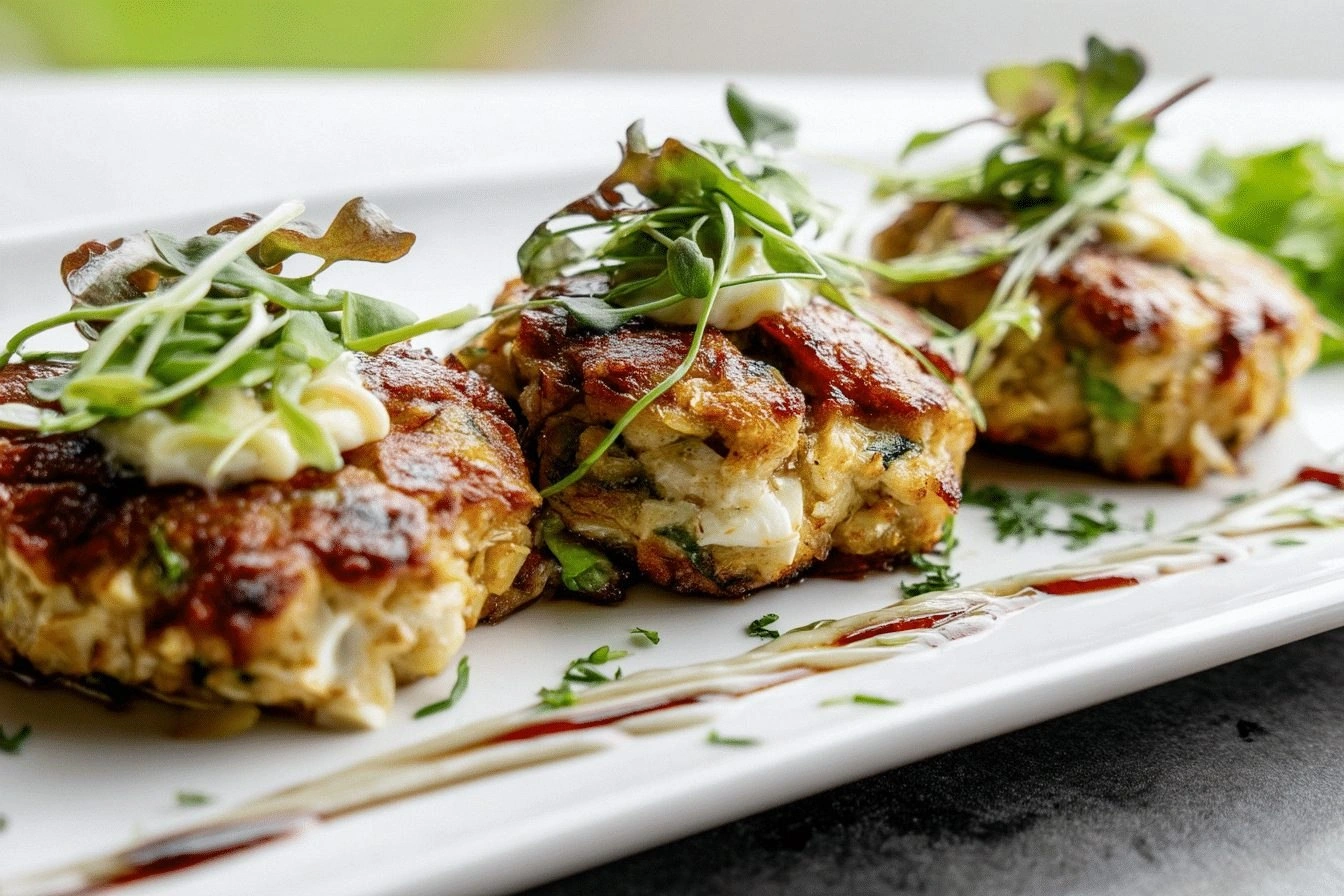
- Place the patties in the hot skillet, leaving space between each. Fry for 4–5 minutes on the first side, until the bottom is golden brown and the edges start pulling away. Flip carefully with a spatula.
- Cook the second side for another 3–4 minutes, until the internal temperature reaches 145°F and the exterior is crisp. The sizzle you hear is a sign that the batter is cooking evenly.
- Transfer the finished crab cakes onto a paper towel‑lined plate to drain excess oil. Let them rest for a minute before serving.
- Serve immediately with a side of tangy aioli or a squeeze of fresh lemon juice. Garnish with a sprinkle of parsley for color and freshness.
That’s it—you did it. But hold on, I’ve got a few more tricks that will take this to another level...
Insider Tricks for Flawless Results
The Temperature Rule Nobody Follows
Keep the skillet at a steady medium heat; too high and the butter will burn before the cakes cook through, too low and the cakes will absorb oil and become greasy. Use a thermometer to keep the oil around 350°F for consistent results. I learned this the hard way after a batch of over‑cooked, blackened crab cakes that tasted like charcoal.
Why Your Nose Knows Best
The moment the batter starts to bubble and the edges pull away, the scent will tell you the cakes are ready to flip. Trust your senses—if you’re uncertain, give them an extra minute. The aroma of toasted breadcrumbs and sizzling butter is a reliable cue.
The 5‑Minute Rest That Changes Everything
After frying, let the crab cakes rest on a wire rack for five minutes. This allows the juices to redistribute, keeping the interior moist. Skipping this step often leaves the cakes dry on the inside.
The Secret Sauce Hack
Whisk mayonnaise with a splash of lemon juice and a pinch of Old Bay for a quick aioli. It’s so simple, yet it elevates the dish from good to unforgettable. I’ve seen people order the sauce on its own because it’s that good.
The Crumb Coating Trick
Lightly press each patty into a second layer of breadcrumbs before frying. This creates a double‑layered crust that holds the sauce together and adds extra crunch. It’s a small step that makes a noticeable difference.
Creative Twists and Variations
This recipe is a playground. Here are some of my favorite ways to switch things up:
Spicy Cajun Crab Cakes
Swap Old Bay for Cajun seasoning and add a pinch of cayenne pepper. The result is a fiery, smoky flavor that pairs wonderfully with a cool cucumber yogurt sauce.
Mediterranean Crab Cakes
Use a mix of panko and almond flour for the breadcrumb base, and fold in sun‑dried tomatoes and feta cheese. This version offers a tangy, nutty twist that feels Mediterranean.
Herb‑Infused Crab Cakes
Add chopped dill, tarragon, and chives to the batter. The fresh herbs complement the crab’s sweetness, creating a bright, herbaceous flavor profile.
Lemon‑Garlic Crust
Mix grated lemon zest and minced garlic into the breadcrumb layer before frying. The citrusy, garlicky crust adds a bold, aromatic punch.
Gourmet Truffle Crab Cakes
Drizzle a little truffle oil over the finished cakes and sprinkle with grated Parmesan. The earthy truffle aroma elevates the dish to a luxurious appetizer.
Vegan Crab Cakes
Replace crab meat with a blend of marinated jackfruit and crab‑flavored seasoning. Use a dairy‑free mayonnaise and vegan breadcrumbs to keep the texture light and airy.
Storing and Bringing It Back to Life
Fridge Storage
Store assembled crab cakes in an airtight container for up to 2 days in the refrigerator. Keep them on a paper towel to absorb excess moisture. When ready to serve, simply reheat in a skillet.
Freezer Friendly
Freeze unfried crab cakes on a parchment‑lined tray for 1–2 hours, then transfer to a freezer bag. They’ll keep for up to 3 months. Thaw overnight in the fridge before reheating.
Best Reheating Method
Reheat frozen or chilled cakes in a hot skillet with a splash of oil until golden and heated through. Add a tiny splash of water before reheating to steam the interior back to perfection; this prevents the cakes from drying out.