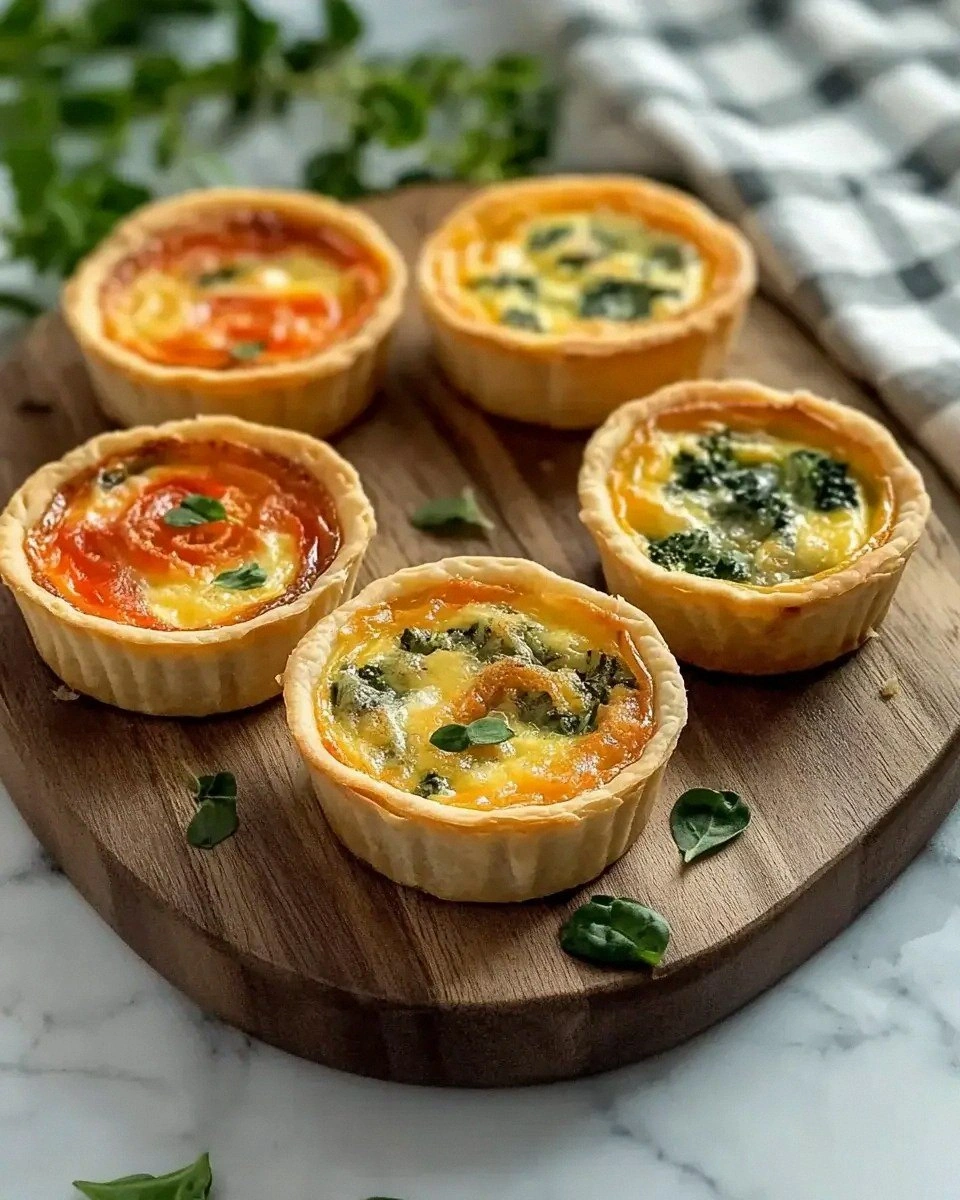
I was halfway through a frantic week of back‑to‑back Zoom meetings when a sudden craving for something buttery, cheesy, and bite‑sized hit me like a rogue espresso shot. I raided the fridge, found a lonely package of pre‑made tart shells, a wilted bunch of spinach, and a half‑empty block of cheddar, and thought, “What if I could turn these leftovers into a snack that screams gourmet without the gourmet price tag?” The first attempt was a disaster – the crust sank, the filling was runny, and I ended up with a soggy mess that looked more like a culinary crime scene than a snack. I swear I heard the oven sigh in disappointment, and I knew I had to go back to the drawing board.
Fast forward a few frantic evenings of trial and error, and I finally cracked the code. The secret? A simple but precise balance of moisture, a quick sauté that wakes up the veggies, and a gentle bake that lets the edges crisp like the perfect autumn leaf. Imagine the aroma of melted cheddar mingling with the earthy scent of spinach, all wrapped in a buttery crust that shatters under your fork like thin ice on a frozen pond. The moment you bite into one of these mini quiches, you’ll hear a tiny “crack” that promises a creamy interior, and trust me, it’s a sound you’ll want to replay on repeat.
What sets this version apart from the countless quiche recipes floating around the internet is the combination of three game‑changing moves: a splash of milk to keep the custard silky, a dash of garlic powder that adds depth without overwhelming, and a quick flash‑sauté of the veggies in olive oil to lock in flavor before they ever meet the oven. Most recipes get this completely wrong – they dump raw veggies straight into the batter, resulting in a watery, soggy disaster that no one wants to touch. Here, we treat each component with respect, giving you a snack that’s crisp on the outside, custardy inside, and packed with color that looks as good as it tastes.
Okay, ready for the game‑changer? I dare you to taste this and not go back for seconds. By the time you finish the last paragraph, I’ll walk you through every single step — by the end, you’ll wonder how you ever made it any other way. Picture yourself pulling these golden beauties out of the oven, the whole kitchen smelling incredible, and the anticipation building as the steam rises, promising that first bite will be pure bliss.
What Makes This Version Stand Out
- Taste: The cheddar and milk create a custard that’s rich without being greasy, while the sautéed veggies add a sweet‑savory balance that dances on the palate.
- Texture: A crisp, buttery crust meets a silky interior that holds together perfectly, giving you that satisfying crunch‑then‑cream sensation.
- Simplicity: With just a handful of pantry staples and a 30‑minute bake, you don’t need a culinary degree to nail this snack.
- Uniqueness: The quick sauté of spinach, bell pepper, and onion locks in moisture, preventing the dreaded soggy bottom that plagues most mini quiches.
- Crowd Reaction: I’ve watched grown‑ups and kids alike line up for seconds, and even the most skeptical “I don’t like veggies” friend ends up asking for the recipe.
- Ingredient Quality: Fresh spinach and sharp cheddar give a flavor punch that frozen or pre‑shredded alternatives can’t match.
- Cooking Method: Baking at a moderate 350°F (180°C) ensures even cooking without over‑browning, a trick most recipes overlook.
- Make‑Ahead Potential: These quiches freeze beautifully, making them perfect for grab‑and‑go breakfasts or snack prep for the week.
Inside the Ingredient List
The Flavor Base
The backbone of any quiche is the custard, and here we keep it simple yet luxurious with 1 cup of whole milk and 4 large eggs. Milk adds the necessary moisture and a subtle sweetness that balances the saltiness of the cheese, while the eggs provide structure, turning liquid into a firm yet tender set. If you skip the milk and go straight to eggs, you’ll end up with a rubbery texture that feels more like a breakfast omelet than a delicate bite‑size quiche. For a richer custard, you could swap half the milk for heavy cream, but that adds extra calories – and honestly, the milk‑only version already feels indulgent enough.
The Texture Crew
1 cup shredded cheddar cheese is the star of the show, delivering that melt‑in‑your‑mouth richness that makes every bite memorable. Choose a sharp cheddar for a punchy flavor; a mild cheddar will still melt beautifully but won’t give you that satisfying tang. Next, 1 cup chopped fresh spinach brings a pop of color and a dose of nutrients, while also contributing a gentle earthiness that pairs perfectly with the cheese. If you’re not a fan of spinach, kale or arugula can step in, but be sure to massage kale to soften its tough leaves before adding it to the mix.
The Unexpected Star
1/2 cup diced bell pepper and 1/2 cup diced onion are the surprise guests that bring sweetness and a subtle bite. The bell pepper adds a bright, almost fruity note that cuts through the richness, while the onion provides depth and a hint of caramelization after sautéing. If you’re looking for a milder flavor, swap the onion for shallots or use a mix of red and yellow peppers for a rainbow effect. The key is to dice them uniformly so they cook evenly and don’t create pockets of raw crunch.
The Final Flourish
Seasoning is where you turn good into unforgettable. A modest 1/2 teaspoon garlic powder and 1/2 teaspoon salt enhance the natural flavors without overwhelming them, while 1/4 teaspoon black pepper adds a whisper of heat that lingers on the tongue. The 1 tablespoon olive oil used for sautéing the veggies not only prevents sticking but also imparts a fruity undertone that complements the cheese. Finally, the 1 package of pre‑made tart shells (or homemade shortcrust if you’re feeling ambitious) provides the buttery, flaky base that holds everything together. If you’re gluten‑free, look for a gluten‑free crust or make a simple almond‑flour crust – just remember it will bake a touch faster.
Everything's prepped? Good. Let's get into the real action…
The Method — Step by Step
- Preheat your oven to 350°F (180°C). While the oven warms, line a baking sheet with parchment paper – this gives you a clean release and prevents the delicate crusts from sticking. The kitchen will fill with a faint, comforting warmth that signals good things are on the way. Power transition: Okay, ready for the game‑changer?
- Place the 1 package of tart shells on the prepared baking sheet. If the shells are a bit stiff, give them a gentle tap on the counter to loosen; they’ll settle into a perfect cup shape once the filling is added. Kitchen Hack: Lightly brush the inside of each shell with a tiny drizzle of olive oil before filling – this creates a barrier that keeps the crust from getting soggy.
- Heat 1 tablespoon olive oil in a medium skillet over medium heat. Add the 1/2 cup diced onion and 1/2 cup diced bell pepper, sautéing until they become translucent and start to caramelize, about 4‑5 minutes. You’ll hear a gentle sizzle that’s pure perfection, and the aroma will make your mouth water. Watch Out: Keep the heat on medium; too high and the veggies will burn, leaving a bitter aftertaste that ruins the custard.
- Add the 1 cup chopped fresh spinach to the skillet. Toss quickly – the spinach will wilt in a flash, turning a vibrant deep green that’s a visual cue you’re on the right track. This step only takes about 30 seconds; over‑cooking will make the spinach release too much water, which can sog the crust later. Once wilted, remove the pan from heat and let the mixture cool slightly while you whisk the custard.
- In a large mixing bowl, whisk together 4 large eggs and 1 cup milk until the mixture is smooth and slightly frothy. Add 1/2 teaspoon garlic powder, 1/2 teaspoon salt, and 1/4 teaspoon black pepper. The seasoning should be balanced – taste a tiny spoonful; you want it to be mildly salty and aromatic, not overpowering. Then fold in 1 cup shredded cheddar cheese, followed by the sautéed vegetable mixture, ensuring an even distribution.
- Spoon the custard into each tart shell, filling them about three‑quarters full. The filling should sit just below the rim; if you overfill, the custard may spill over and create a mess on the baking sheet. Power transition: This is the moment of truth – the quiche is about to transform.
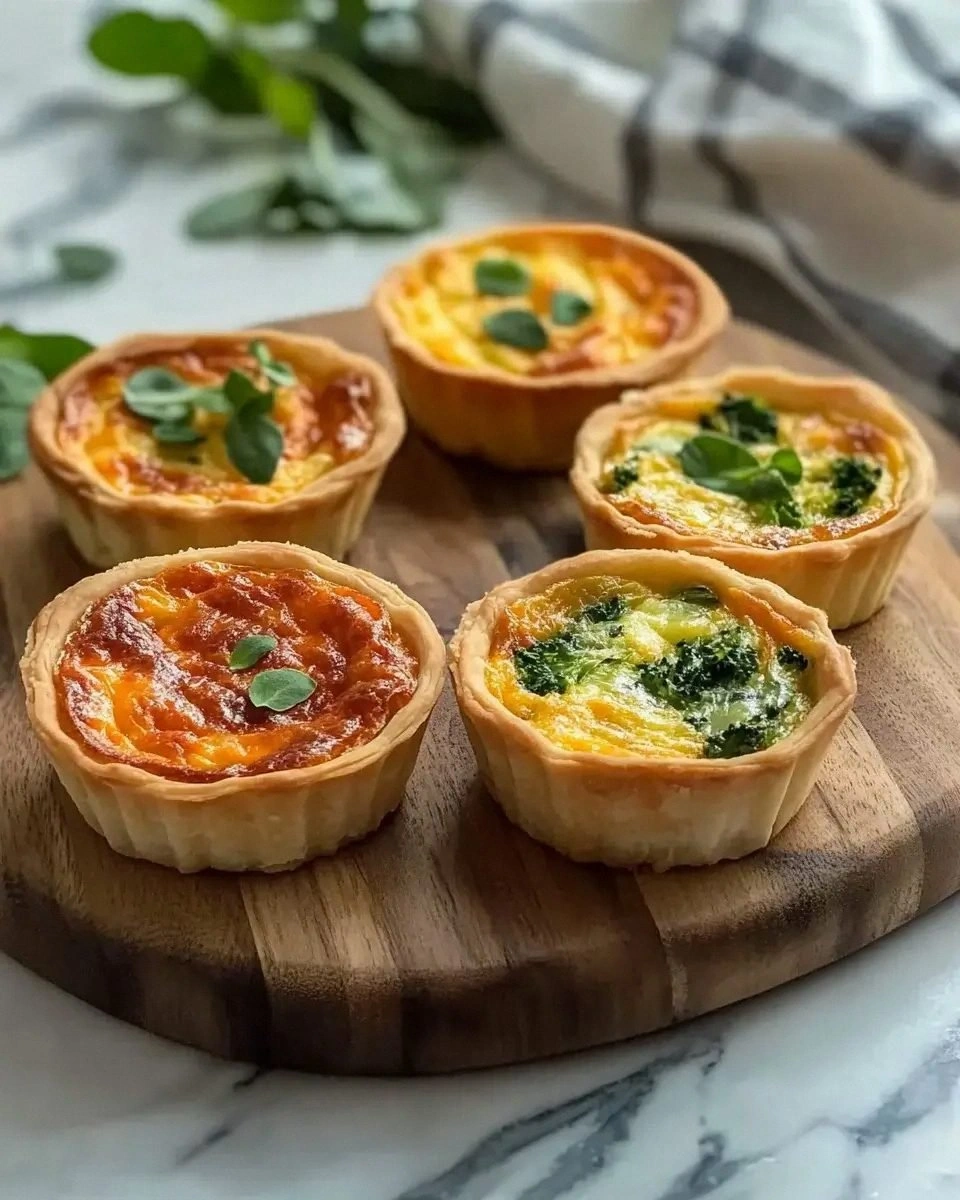
- Place the baking sheet in the preheated oven and bake for 20‑25 minutes, or until the tops are golden and the custard is set. You’ll know they’re done when the edges start pulling away from the crust and a gentle wobble disappears when you gently shake the pan. If you’re unsure, insert a toothpick into the center; it should come out clean or with just a few crumbs attached.
- Remove the quiches from the oven and let them rest for 5 minutes. This short rest allows the custard to finish setting, making it easier to remove from the shells without breaking. While they cool, the kitchen will be filled with a lingering scent of melted cheddar and toasted crust – a scent that practically begs for a bite.
- Serve warm, or let them cool completely and store for later. If you’re serving at a party, sprinkle a tiny pinch of flaky sea salt on top for an extra pop of flavor. And now the fun part: watch your guests’ eyes widen as they bite into that perfect crust‑to‑creamy ratio. I dare you to taste this and not go back for seconds.
That's it — you did it. But hold on, I've got a few more tricks that'll take this to another level…
Insider Tricks for Flawless Results
The Temperature Rule Nobody Follows
Never rush the oven preheat. A fully heated oven guarantees the crust starts cooking immediately, creating that coveted crisp edge. If you slide the quiches into a partially heated oven, the crust will absorb too much moisture from the filling, leading to a soggy bottom. I once tried to save time by popping them in at 300°F; the result was a limp, pale mess that tasted like a breakfast casserole, not a quiche. Trust the heat, and the texture will thank you.
Why Your Nose Knows Best
Your sense of smell is a far better indicator of doneness than a timer. When the cheese starts to turn a deep amber and you catch that nutty, toasted aroma, you know the quiches are ready to come out. If you rely solely on the clock, you risk either under‑cooking (a runny center) or over‑browning (a bitter crust). Trust that little nose of yours – it’s been honed by centuries of evolution to detect the perfect bake.
The 5‑Minute Rest That Changes Everything
Letting the quiches sit for just five minutes after baking does more than prevent a crumble; it allows the proteins in the eggs to fully coagulate, giving the custard a silk‑smooth finish. Skipping this rest is a common mistake that leads to a jiggly, unstable center that slides out of the crust when you try to serve. I’ve seen it happen at brunches, and it’s a cringe‑worthy moment. So, set a timer, sip some coffee, and enjoy the anticipation.
The Secret of Even Filling
When you fold the sautéed veggies into the custard, do it gently but thoroughly. Over‑mixing can break down the cheese into a greasy puddle, while under‑mixing leaves pockets of raw veggies. The goal is a uniform, glossy mixture that spreads evenly into each shell. A friend once tried to “speed‑mix” with a hand‑held mixer – the result was a lumpy disaster that tasted like a broken omelet.
Freezing Without Sacrificing Texture
If you plan to make a big batch, freeze the baked quiches unwrapped on a tray, then transfer them to a zip‑top bag once solid. When reheating, add a splash of water to the pan and cover with foil for the first few minutes; the steam revives the custard’s creaminess while the foil protects the crust from over‑browning. This method keeps the crust flaky and the interior as creamy as the day you baked them.
Creative Twists and Variations
This recipe is a playground. Here are some of my favorite ways to switch things up:
Mediterranean Magic
Swap the cheddar for feta, add chopped sun‑dried tomatoes, and sprinkle a pinch of oregano. The tangy feta pairs beautifully with the spinach, creating a bright, sun‑kissed bite that’s perfect for summer picnics.
Spicy Southwest
Add a dash of chipotle powder to the custard, replace bell pepper with roasted corn, and toss in black beans. Top each quiche with a thin slice of avocado after baking for a creamy finish that balances the heat.
Mushroom & Thyme Delight
Sauté sliced cremini mushrooms with thyme and a splash of white wine before folding them in. Use Gruyère instead of cheddar for a nutty, sophisticated flavor profile that’s perfect for a brunch cocktail hour.
Breakfast Boost
Incorporate cooked, crumbled breakfast sausage and swap the cheddar for sharp cheddar‑pepper jack. Serve with a drizzle of maple syrup for a sweet‑savory combo that feels like a breakfast hug.
Vegan Victory
Replace the eggs with a blend of silken tofu and nutritional yeast, use almond milk, and swap cheddar for a plant‑based cheese. The result is a dairy‑free, egg‑free version that still boasts a custardy texture and satisfying bite.
Storing and Bringing It Back to Life
Fridge Storage
Place cooled quiches in an airtight container and store them in the refrigerator for up to 4 days. A paper towel at the bottom of the container helps absorb any excess moisture, preserving the crust’s crispness. When you’re ready to eat, reheat in a 300°F (150°C) oven for 10‑12 minutes, or microwave for 30 seconds if you’re in a hurry (the crust will be softer).
Freezer Friendly
Freeze baked quiches on a parchment‑lined tray for 2 hours, then transfer them to a zip‑top bag. They’ll keep for up to 2 months. To reheat, bake from frozen at 350°F (180°C) for 20‑25 minutes, adding a splash of water to the pan and covering with foil for the first half to steam the custard back to perfection.
Best Reheating Method
For the ultimate revival, preheat your oven to 325°F (160°C), place the quiche on a baking sheet, and add a tablespoon of water to the sheet before covering loosely with foil. The steam generated keeps the interior moist while the foil protects the crust from burning. After 8 minutes, remove the foil and let the top brown for another 3‑4 minutes. The result? A quiche that tastes freshly baked, with a crust that still snaps.