
Navajo Stew
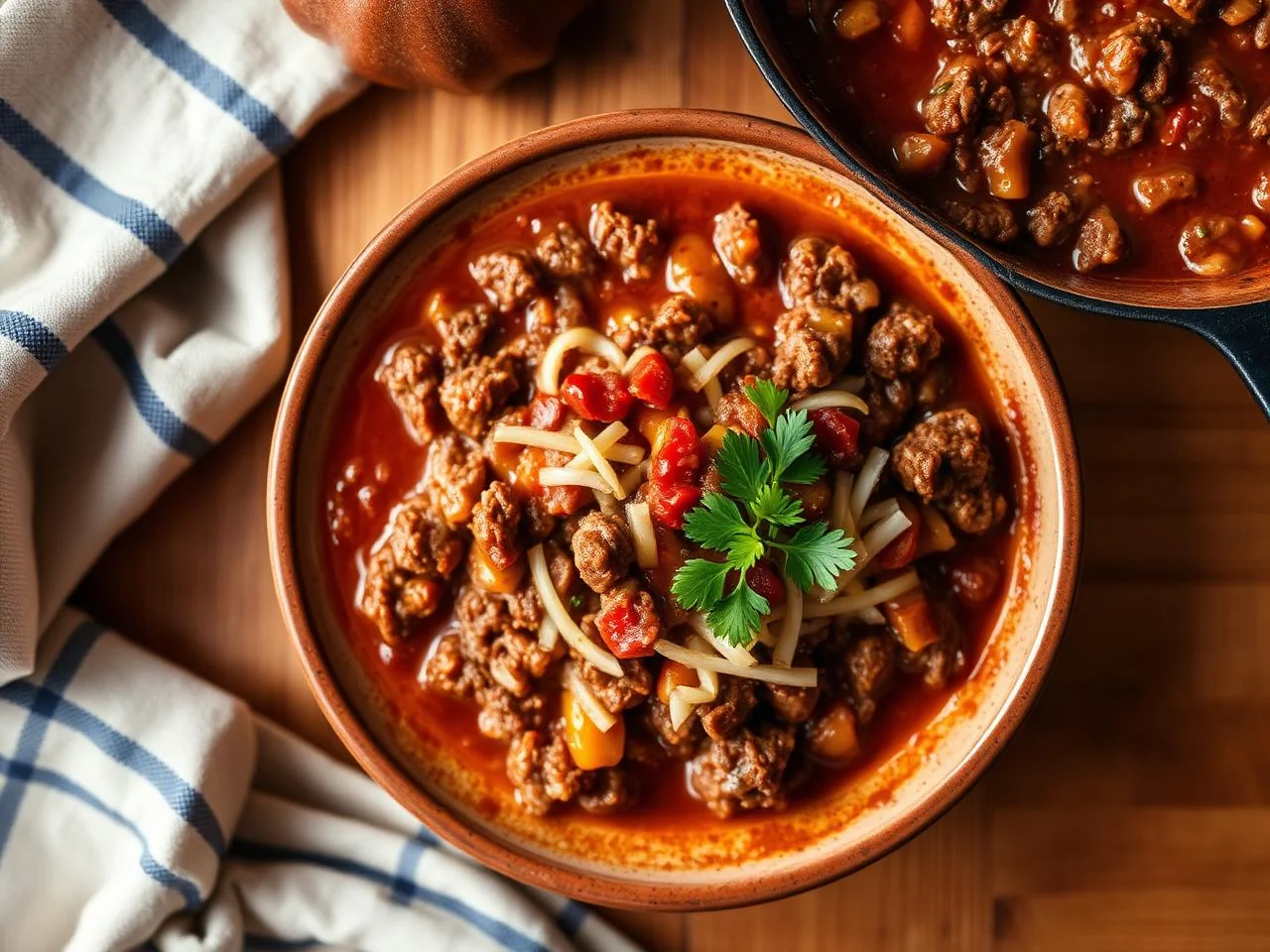
There's something special about a warm, comforting bowl of stew on a chilly evening. For me, Navajo Stew is more than just a meal - it's a family tradition that brings everyone together. I remember my grandmother making it for us when I was a kid, and the aroma of simmering ground beef and vegetables would fill the entire house, making our mouths water in anticipation.
What makes Navajo Stew so special is the combination of flavors and textures. The ground beef is browned to perfection, and then simmered with a variety of vegetables and beans, resulting in a rich, hearty broth that's both comforting and satisfying. And the best part? It's incredibly easy to make, even on a busy weeknight.
In this recipe, I'll share with you my secrets for making the perfect Navajo Stew. From browning the ground beef to adding the right amount of seasoning, I'll walk you through each step of the way. So, grab a spoon and let's get started!
Navajo Stew is a versatile dish that can be made in large quantities, making it perfect for family gatherings or potlucks. You can also customize it to your taste by adding your favorite vegetables or spices. And, as an added bonus, it's a budget-friendly meal that won't break the bank.
Whether you're a busy parent looking for a quick and easy meal, or a foodie looking to try something new, Navajo Stew is sure to become a staple in your household. So, let's get cooking and make some delicious memories!
Why You’ll Love This Recipe
- Navajo Stew is an easy and budget-friendly meal that can be made in under an hour.
- It's a hearty and comforting dish that's perfect for a chilly evening.
- The recipe is highly customizable, allowing you to add your favorite vegetables or spices.
- It's a great way to use up leftover vegetables and reduce food waste.
- The stew can be made in large quantities, making it perfect for family gatherings or potlucks.
- It's a nutritious and filling meal that's packed with protein, fiber, and vitamins.
Why This Recipe Works
The key to making a great Navajo Stew is to brown the ground beef properly. This creates a rich, caramelized crust on the meat that adds depth and flavor to the dish. By cooking the beef in batches, you can ensure that each piece is browned evenly, which is essential for developing that perfect crust.
Another important aspect of Navajo Stew is the layering of flavors. By adding aromatics like onions and garlic, and then following up with a variety of spices and seasonings, you can create a complex and satisfying flavor profile. And, by simmering the stew for an extended period of time, you can allow all the flavors to meld together and intensify.
The type of potatoes used in Navajo Stew also plays a crucial role in the dish. I recommend using high-starch potatoes, such as Russet or Idaho, as they hold their shape well and add a nice texture to the stew. And, by adding some acidity, such as a splash of vinegar or a squeeze of fresh lemon juice, you can balance out the richness of the dish and create a bright, refreshing flavor.
Ingredients You’ll Need
When it comes to making Navajo Stew, the ingredients are just as important as the technique. You'll need a variety of vegetables, including onions, garlic, and potatoes, as well as some ground beef and beans. Don't worry if you can't find all the ingredients at your local grocery store - you can always substitute with similar items or omit them altogether.
One of the most important ingredients in Navajo Stew is the ground beef. I recommend using 80/20 ground beef, as it has the perfect balance of fat and lean meat. You'll also need some high-quality spices and seasonings, such as chili powder and cumin, to add depth and flavor to the dish.
- 1 lb (450g) ground beefI recommend using 80/20 ground beef for the best flavor and texture. You can also use leaner ground beef if you prefer, but keep in mind that it may be slightly drier.
- 1 large onion, dicedMake sure to dice the onion finely, as this will help it cook evenly and add a sweet, caramelized flavor to the stew.
- 3 cloves garlic, mincedGarlic is a crucial ingredient in Navajo Stew, as it adds a rich, savory flavor. You can mince the garlic using a press or a knife, depending on your preference.
- 2 medium potatoes, peeled and dicedI recommend using high-starch potatoes, such as Russet or Idaho, as they hold their shape well and add a nice texture to the stew.
- 1 can (14.5 oz) diced tomatoesDiced tomatoes add a burst of juicy flavor to the stew, and help to balance out the richness of the ground beef. You can also use fresh tomatoes if you prefer, but keep in mind that they may not be as convenient.
- 1 can (15 oz) red kidney beans, drained and rinsedRed kidney beans are a staple ingredient in Navajo Stew, as they add protein, fiber, and a boost of nutrients. You can also use other types of beans if you prefer, such as black beans or pinto beans.
- 1 tsp chili powderChili powder is a crucial spice in Navajo Stew, as it adds a deep, smoky flavor. You can adjust the amount to your taste, depending on how spicy you like your stew.
- 1 tsp ground cuminGround cumin adds a warm, earthy flavor to the stew, and helps to balance out the other spices. You can also use smoked paprika or chipotle powder for a smokier flavor.
- 1/2 tsp saltSalt is essential for bringing out the flavors in the stew, and helps to balance out the sweetness of the potatoes and carrots. You can adjust the amount to your taste, depending on how salty you like your food.
- 1/4 tsp black pepperBlack pepper adds a nice kick to the stew, and helps to balance out the other flavors. You can adjust the amount to your taste, depending on how spicy you like your food.
- 2 tbsp olive oilOlive oil is a healthy and flavorful oil that's perfect for cooking the ground beef and vegetables. You can also use other types of oil, such as coconut oil or avocado oil, depending on your preference.
- 2 tbsp chopped fresh parsleyFresh parsley adds a bright, fresh flavor to the stew, and helps to balance out the richness of the dish. You can also use other herbs, such as cilantro or basil, depending on your preference.
Equipment You’ll Need
How to Make Navajo Stew
- 1Heat the olive oil in a large heavy pot or Dutch oven over medium-high heat. Add the ground beef and cook, breaking it up with a spoon, until it is no longer pink, about 5-7 minutes.
- 2Add the diced onion to the pot and cook, stirring occasionally, until it is softened and translucent, about 5 minutes.
- 3Add the minced garlic to the pot and cook, stirring constantly, for 1 minute.
- 4Add the diced potatoes, chili powder, ground cumin, salt, and black pepper to the pot. Stir to combine and cook for 1 minute.
- 5Add the diced tomatoes, red kidney beans, and 1 cup of water to the pot. Stir to combine and bring to a boil.
- 6Reduce the heat to low and simmer, covered, until the potatoes are tender, about 20-25 minutes.
- 7Use an instant-read thermometer to check the internal temperature of the stew. It should be at least 165°F.
- 8Remove the pot from the heat and let it rest, covered, for 10 minutes.
- 9Stir in the chopped fresh parsley and serve hot.
- 10Taste and adjust the seasoning as needed.
- 11Serve the stew with your choice of sides, such as crusty bread or a green salad.
- 12Let the stew cool completely, then refrigerate or freeze it for later use.
Expert Tips
- Use high-quality ingredients, such as fresh vegetables and lean ground beef, to ensure the best flavor and texture.
- Don't overcook the stew, as this can make the potatoes and carrots mushy.
- Add a splash of vinegar or a squeeze of fresh lemon juice to balance out the richness of the dish.
- Experiment with different spices and seasonings to find the combination that you like best.
- Make a double batch of the stew and freeze it for later use.
- Serve the stew with a variety of sides, such as crusty bread, a green salad, or roasted vegetables.
- Let the stew rest for at least 10 minutes before serving, as this allows the flavors to meld together and the potatoes to absorb the broth.
Common Mistakes to Avoid
- Not browning the ground beef properly, which can result in a lack of flavor and texture.
- Overcooking the stew, which can make the potatoes and carrots mushy.
- Not using high-quality ingredients, such as fresh vegetables and lean ground beef.
- Not seasoning the stew properly, which can result in a bland or unbalanced flavor.
- Not letting the stew rest before serving, which can result in a lack of flavor and texture.
- Not using the right type of potatoes, such as high-starch potatoes, which can result in a stew that is too thin or too thick.
Variations and Substitutions
- Add some heat to the stew by incorporating diced jalapenos or serrano peppers.
- Use different types of beans, such as black beans or pinto beans, to change up the flavor and texture.
- Add some smokiness to the stew by incorporating smoked paprika or chipotle powder.
- Use different types of potatoes, such as sweet potatoes or Yukon golds, to change up the flavor and texture.
- Add some freshness to the stew by incorporating chopped fresh cilantro or scallions.
- Use different types of protein, such as ground turkey or ground pork, to change up the flavor and texture.
- Add some creaminess to the stew by incorporating sour cream or Greek yogurt.
What to Serve With Navajo Stew
Navajo Stew is a hearty and comforting dish that's perfect for a chilly evening. You can serve it with a variety of sides, such as crusty bread, a green salad, or roasted vegetables. Some other ideas for serving the stew include:
Crusty bread: Serve the stew with a slice of crusty bread, such as baguette or ciabatta, for a satisfying and filling meal.
Green salad: Serve the stew with a simple green salad, tossed with a light vinaigrette, for a refreshing and healthy meal.
Roasted vegetables: Serve the stew with a variety of roasted vegetables, such as carrots, Brussels sprouts, or broccoli, for a nutritious and flavorful meal.
Make-Ahead, Storage, Freezing and Reheating
Navajo Stew can be stored in the refrigerator for up to 3 days or frozen for up to 3 months. To refrigerate the stew, let it cool completely, then transfer it to an airtight container and refrigerate it at 40°F or below. To freeze the stew, let it cool completely, then transfer it to a freezer-safe container or bag and freeze it at 0°F or below.
To reheat the stew, simply thaw it overnight in the refrigerator, then reheat it in a pot or microwave until it's hot and steaming. You can also reheat the stew in a slow cooker or Instant Pot for a convenient and hands-off meal.
Some tips for storing and reheating Navajo Stew include:
Let the stew cool completely before refrigerating or freezing it, as this will help to prevent bacterial growth and foodborne illness.
Use airtight containers or freezer-safe bags to store the stew, as this will help to prevent freezer burn and other forms of damage.
Label the containers or bags with the date and contents, so you can easily keep track of what you have in the refrigerator or freezer.
Frequently Asked Questions
What type of potatoes should I use for Navajo Stew?
I recommend using high-starch potatoes, such as Russet or Idaho, as they hold their shape well and add a nice texture to the stew.
Can I use different types of beans in Navajo Stew?
Yes, you can use different types of beans, such as black beans or pinto beans, to change up the flavor and texture of the stew.
How long can I store Navajo Stew in the refrigerator?
Navajo Stew can be stored in the refrigerator for up to 3 days. Let it cool completely, then transfer it to an airtight container and refrigerate it at 40°F or below.
Can I freeze Navajo Stew?
Yes, you can freeze Navajo Stew for up to 3 months. Let it cool completely, then transfer it to a freezer-safe container or bag and freeze it at 0°F or below.
How do I reheat Navajo Stew?
To reheat Navajo Stew, simply thaw it overnight in the refrigerator, then reheat it in a pot or microwave until it's hot and steaming. You can also reheat the stew in a slow cooker or Instant Pot for a convenient and hands-off meal.
What are some common mistakes to avoid when making Navajo Stew?
Some common mistakes to avoid when making Navajo Stew include not browning the ground beef properly, overcooking the stew, not using high-quality ingredients, and not seasoning the stew properly.
Can I make Navajo Stew in a slow cooker?
Yes, you can make Navajo Stew in a slow cooker. Simply brown the ground beef and cook the vegetables in a skillet, then transfer everything to the slow cooker and cook on low for 6-8 hours.
Can I make Navajo Stew in an Instant Pot?
Yes, you can make Navajo Stew in an Instant Pot. Simply brown the ground beef and cook the vegetables in the Instant Pot, then add the remaining ingredients and cook on high pressure for 20-25 minutes.
Ingredients
- 1 lb (450g) ground beef
- 1 large onion, diced
- 3 cloves garlic, minced
- 2 medium potatoes, peeled and diced
- 1 can (14.5 oz) diced tomatoes
- 1 can (15 oz) red kidney beans, drained and rinsed
- 1 tsp chili powder
- 1 tsp ground cumin
- 1/2 tsp salt
- 1/4 tsp black pepper
- 2 tbsp olive oil
- 2 tbsp chopped fresh parsley
Instructions
- Heat the olive oil in a large heavy pot or Dutch oven over medium-high heat. Add the ground beef and cook, breaking it up with a spoon, until it is no longer pink, about 5-7 minutes.
- Add the diced onion to the pot and cook, stirring occasionally, until it is softened and translucent, about 5 minutes.
- Add the minced garlic to the pot and cook, stirring constantly, for 1 minute.
- Add the diced potatoes, chili powder, ground cumin, salt, and black pepper to the pot. Stir to combine and cook for 1 minute.
- Add the diced tomatoes, red kidney beans, and 1 cup of water to the pot. Stir to combine and bring to a boil.
- Reduce the heat to low and simmer, covered, until the potatoes are tender, about 20-25 minutes.
- Use an instant-read thermometer to check the internal temperature of the stew. It should be at least 165°F.
- Remove the pot from the heat and let it rest, covered, for 10 minutes.
- Stir in the chopped fresh parsley and serve hot.
- Taste and adjust the seasoning as needed.
- Serve the stew with your choice of sides, such as crusty bread or a green salad.
- Let the stew cool completely, then refrigerate or freeze it for later use.