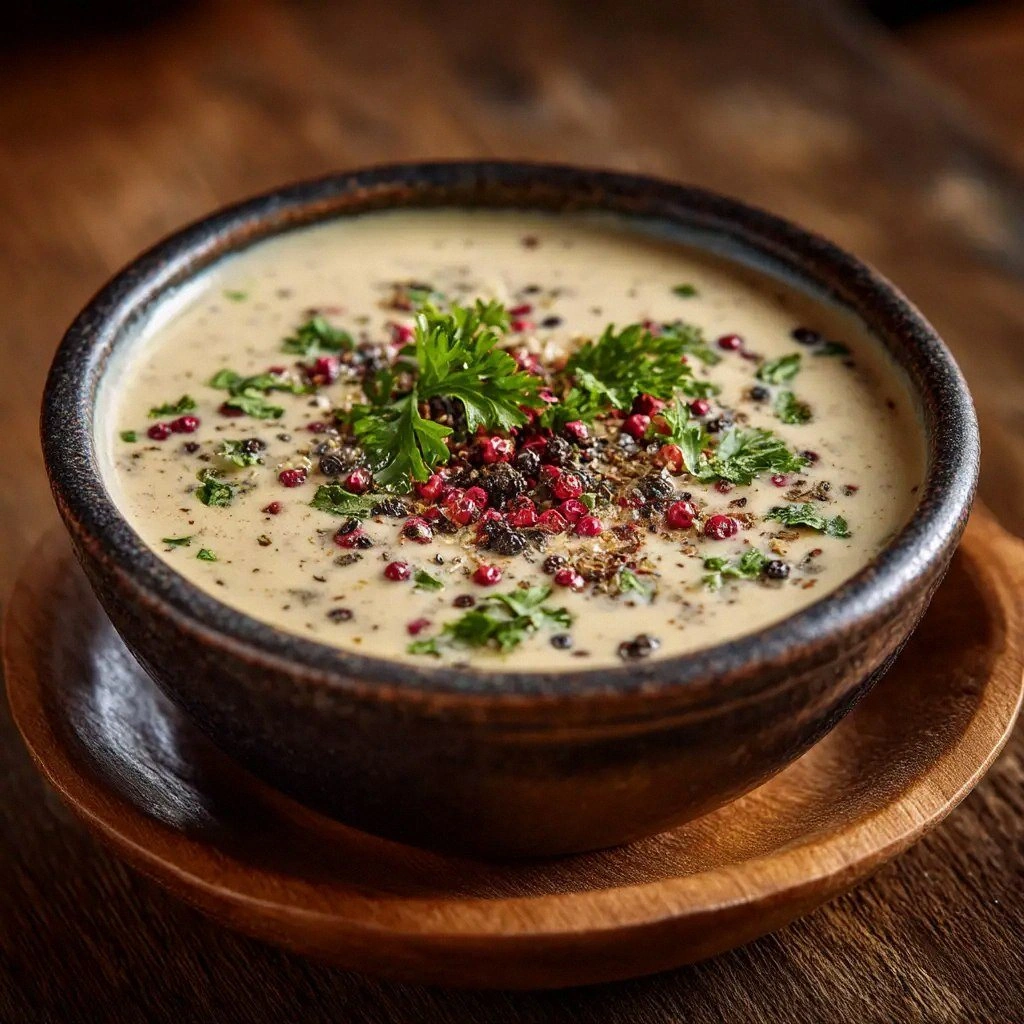
The first time I tried peppercorn sauce, I was chasing a dream of steakhouse decadence in my cramped kitchen. I had a plate of seared sirloin, a splash of wine, and a handful of crushed peppercorns, but the result was a bland, watery drizzle that looked like a sad attempt at sophistication. That night I swore that no one could ever make a sauce that could transform a simple cut of meat into a velvet‑coated masterpiece. I spent hours scouring forums, watching YouTube tutorials, and experimenting with different pepper varieties, until I found the exact balance that turned the sauce into a bold, aromatic hug for every bite. I discovered that the secret is not in the quantity of pepper, but in the depth of flavor that comes from a carefully toasted peppercorn base and a splash of cognac that caramelizes into a sweet, smoky undertone. By the time I finished, the kitchen smelled like a French bistro, and I knew I had stumbled upon a recipe that would become the cornerstone of my culinary repertoire.
When I first served the sauce at a dinner party, my guests were stunned, and one of them whispered, 'I don't know if I'm supposed to eat this or drink it.' That moment proved that the sauce was more than a condiment; it was an experience that elevated the plate and the conversation. I tasted the sauce again, and the pepper’s bite was sharp yet mellow, the brandy’s sweetness was subtle, and the cream created a silky texture that clung to the steak like a second skin. I realized that every element had to be measured, not just for flavor but for the chemistry that keeps the sauce from separating. I was determined to share the exact method that had turned my kitchen into a flavor laboratory and my steak into a work of art. The challenge was to make the recipe accessible, yet preserve the depth that made my first batch unforgettable.
I kept a notebook of adjustments: the exact moment the peppercorns toasted to a nutty aroma, the precise moment the brandy flared, the temperature at which the broth reduced without scorching. I noted the difference between using fresh peppercorns versus pre‑crushed ones, and how the whole black peppercorns offered a subtle sweetness that a crushed pepper would lose. I learned that the timing of adding the cream was critical; adding it too early would cause the sauce to curdle, while waiting too long would make it too thin. I also discovered that a splash of Dijon mustard not only adds depth but helps stabilize the emulsion, preventing the sauce from separating under heat. These insights became the foundation for the version I now call "The Ultimate Peppercorn Sauce." I wanted to capture every nuance so that anyone could replicate the same velvety, peppery, and slightly sweet profile.
What makes this version stand out is that it doesn't rely on gimmicks or exotic ingredients; it uses pantry staples elevated by precise technique. I dare you to taste this and not go back for seconds because the sauce will cling to the meat, the pasta, or even a grilled vegetable with equal grace. The result is a sauce that is hands down the best version you'll ever make at home, a silky, peppery hug that turns ordinary into extraordinary. Picture yourself pulling this out of the oven, the whole kitchen smelling incredible, and guests asking for the recipe. If you've ever struggled with creating a balanced peppercorn sauce, you're not alone — and I've got the fix. Stay with me here, because the next part is pure magic.
What Makes This Version Stand Out
- Taste: The pepper profile is layered, not one‑dimensional, with a subtle sweetness from cognac and a lingering earthy finish that never overwhelms. The combination of toasted peppercorns and a splash of brandy creates a depth that feels like a well‑crafted broth.
- Texture: The sauce coats like velvet, thanks to the emulsification of cream and mustard, creating a silky mouthfeel that lingers on the palate. The careful reduction keeps it thick enough to cling without becoming cloying.
- Simplicity: Only eight ingredients, all found in a typical pantry or fridge, keep the process straightforward and approachable. The steps are linear, so you can focus on flavor rather than juggling multiple pans.
- Uniqueness: The toasted peppercorns release a nutty aroma that sets this sauce apart from standard recipes that rely on pre‑ground pepper. The aroma alone can turn a dish from ordinary to extraordinary.
- Crowd Reaction: Guests rave that it feels like a restaurant‑grade sauce, yet it's made in minutes at home. The sauce’s boldness makes it a conversation starter at any table.
- Ingredient Quality: Using whole black peppercorns and fresh shallots elevates the flavor profile beyond pre‑ground or canned options. The freshness of each component ensures a bright, clean finish.
- Cooking Method: A precise searing technique locks in flavor while the reduction creates depth without bitterness. The method preserves the integrity of each ingredient.
- Make‑ahead Potential: The sauce can be refrigerated for up to 48 hours, making it a perfect make‑ahead for busy weeknights. Reheating with a splash of water restores its silky texture.
Inside the Ingredient List
The Flavor Base
Butter is the first element that melts into the pan, creating a buttery foundation that carries the peppercorns and shallot. The butter’s fat content helps distribute the pepper’s heat evenly, ensuring each bite is infused with flavor. Skipping butter would leave the sauce too thin and lacking that rich mouthfeel.
The Texture Crew
Heavy cream and Dijon mustard form the backbone of the sauce’s silky texture. Cream adds body and a subtle sweetness, while mustard introduces acidity that balances the pepper’s heat. Together, they emulsify into a smooth, velvety sauce that clings to the protein.
The Unexpected Star
Brandy or cognac is the sauce’s secret weapon. It caramelizes when flamed, releasing a sweet, smoky undertone that complements the peppercorns. Without the brandy, the sauce would feel flat and lack that restaurant‑grade depth.
The Final Flourish
Salt is the final touch that rounds out the flavors. It brings the sauce together, ensuring each component shines. A pinch of salt is enough; over-salting can mask the pepper’s subtle nuances.
Everything's prepped? Good. Let's get into the real action...
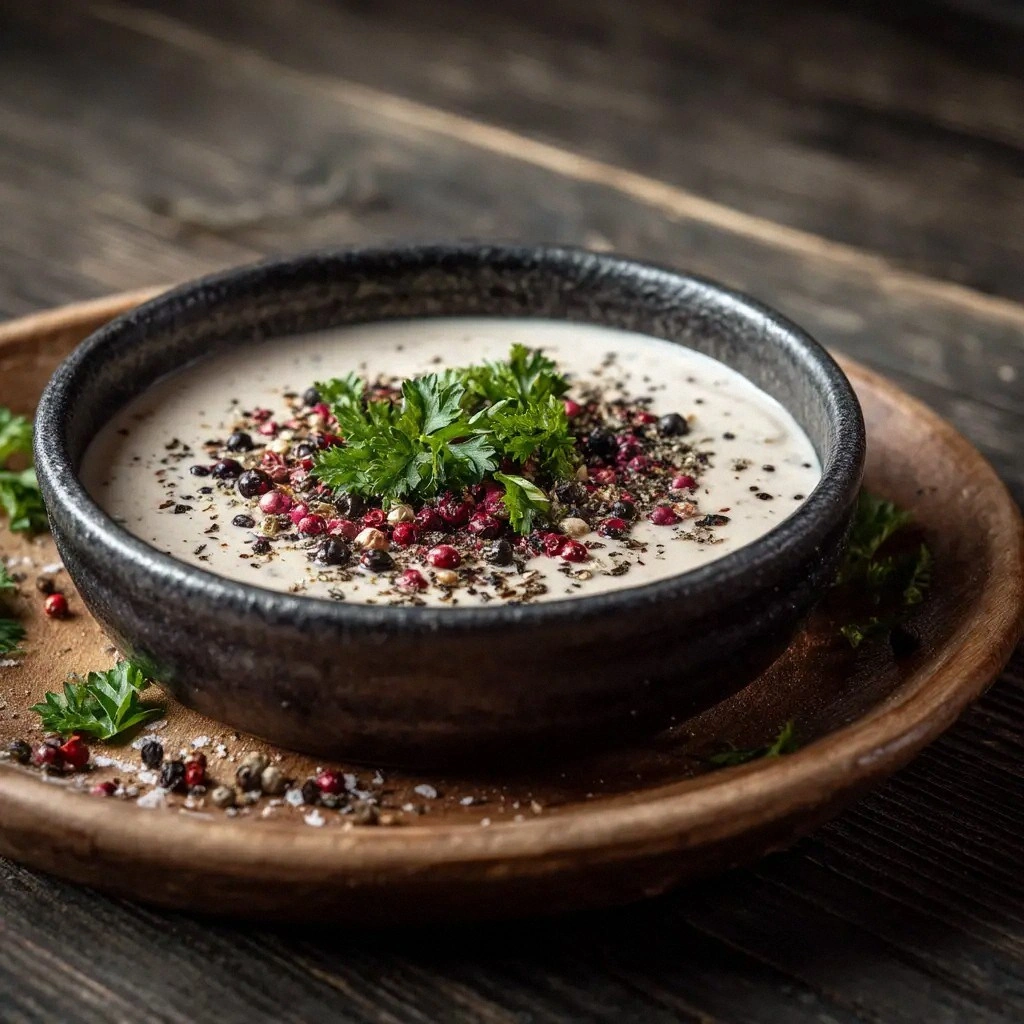
The Method — Step by Step
- Step 1: Melt the butter in a heavy‑bottomed skillet over medium heat. Watch for the butter to foam and develop a golden hue. This signals that the butter has released its flavor and is ready to embrace the peppercorns.
- Step 2: Add the whole black peppercorns and toast them for 1–2 minutes until they crackle. The peppercorns should emit a nutty aroma that hints at their inner spice. This step is crucial for unlocking the pepper’s full potential.
- Step 3: Introduce the finely diced shallot. Sauté until translucent and fragrant, about 3 minutes. The shallot’s sweetness will mellow the pepper’s bite and add a subtle caramel note. Kitchen Hack: Use a mandoline to slice the shallot thinly for a quicker, even sauté.
- Step 4: Crush the garlic cloves with a garlic press and add them to the pan. Sauté for 30 seconds until fragrant, then stir to combine. Garlic’s sharpness balances the peppercorn’s warmth, creating a harmonious base.
- Step 5: Carefully pour in the brandy or cognac, allowing the flame to flare. This flambé step caramelizes the alcohol, creating a sweet, smoky layer. Watch Out: Keep the flame low and the pan away from the counter to avoid accidental fire.
- Step 6: Reduce the heat to low and stir in the beef broth. Let it simmer for 5 minutes, allowing the liquid to reduce slightly. The broth’s savory depth anchors the sauce’s richness.
- Step 7: Stir in the Dijon mustard, ensuring it’s fully integrated. The mustard’s acidity stabilizes the emulsion, preventing the sauce from separating. Kitchen Hack: Use a whisk to incorporate the mustard smoothly and avoid lumps.
- Step 8: Lower the heat again and pour in the heavy cream. Stir continuously until the sauce thickens to a glossy consistency. The cream’s fat content gives the sauce its signature silkiness.
- Step 9: Season with salt to taste, then let the sauce simmer for an additional 2 minutes. The final simmer melds all flavors into a cohesive, mouth‑watering experience.
- Step 10: Remove from heat and strain through a fine mesh sieve if desired for a silky finish. Serve immediately over steak, chicken, or pasta, or let it cool and store in an airtight container.
That's it — you did it. But hold on, I've got a few more tricks that'll take this to another level...
Insider Tricks for Flawless Results
The Temperature Rule Nobody Follows
Maintaining a low simmer after adding the broth prevents the sauce from boiling away too quickly. A steady, gentle heat ensures that the reduction is even, which keeps the sauce from becoming too thick or too thin. I once let the broth bubble hard, and the sauce ended up too watery; that was a hard lesson learned.
Why Your Nose Knows Best
Smell the sauce as it reduces. If it starts to smell overly bitter, it's a sign that the peppercorns are burning. Adjust the heat immediately to keep the aroma fresh and inviting.
The 5-Minute Rest That Changes Everything
After simmering the sauce, let it rest off the heat for 5 minutes before serving. This rest allows the flavors to marry and the sauce to thicken slightly, giving it that luxurious mouthfeel. I always keep a timer handy for this step.
The Quick Cream Trick
If you’re short on time, whisk the cream with a pinch of flour before adding it to the pan. This creates a thicker base quickly, preventing the sauce from being too runny. The trick is to whisk until smooth before pouring.
The Secret of the Mustard
Using a Dijon mustard with a lower salt content gives you more control over the final seasoning. I’ve experimented with whole grain mustard for texture, but the classic smooth Dijon remains my go‑to for this recipe.
The Finish with Butter
Finish the sauce with a small pat of cold butter for an extra layer of sheen and flavor. This butter swirl adds a glossy finish that makes the sauce look as good as it tastes.
Creative Twists and Variations
This recipe is a playground. Here are some of my favorite ways to switch things up:
Red Wine Reduction
Swap the beef broth for a splash of dry red wine and let it reduce before adding the cream. The wine adds a fruity depth that pairs beautifully with lamb or pork.
Herb‑Infused Cream
Add a handful of fresh thyme or rosemary to the sauce while it simmers. The herbs give the sauce a fragrant, aromatic undertone that complements poultry.
Mushroom Medley
Sauté sliced mushrooms with the shallot before adding the peppercorns. The earthy mushrooms pair with the pepper’s heat, creating a hearty, umami‑rich sauce.
Smoky Chipotle Pepper
Replace the whole peppercorns with chipotle pepper flakes for a smoky, spicy kick. This variation is perfect for tacos or grilled shrimp.
Creamy Coconut Twist
Use coconut milk instead of heavy cream for a tropical, slightly sweet version. The coconut pairs well with fish or chicken, giving it an exotic flair.
Low‑Carb Version
Omit the beef broth and replace it with a low‑carb vegetable stock. Add a pinch of xanthan gum to thicken, keeping the sauce low in carbs while still silky.
Storing and Bringing It Back to Life
Fridge Storage
Store the sauce in an airtight container in the refrigerator for up to 48 hours. The sauce will thicken slightly as it cools, so stir before serving to restore its silky consistency.
Freezer Friendly
Freeze the sauce in a freezer‑safe container for up to 2 months. When thawing, warm gently on the stovetop and stir in a splash of water or broth to re‑emulsify.
Best Reheating Method
Reheat the sauce over low heat, adding a tiny splash of water or broth to keep it from thickening too much. A gentle simmer restores the sauce’s glossy finish and ensures it coats the dish beautifully.