Picture this: you’re halfway through a weeknight dinner, the kitchen smelling faintly of fresh herbs, and a sudden craving for something that feels both comforting and sophisticated hits you like a bolt of lightning. You stare at the pork tenderloin on your counter, the apple slices on the cutting board, and the handful of sage leaves that look more like a green confetti than an ingredient. That moment of culinary epiphany is exactly where this recipe begins. It’s not just another “pork and apples” dish; it’s a meticulously balanced symphony where the sweetness of apples, the earthy aroma of sage, and the subtle umami of pork collide in a way that makes every bite feel like a revelation.
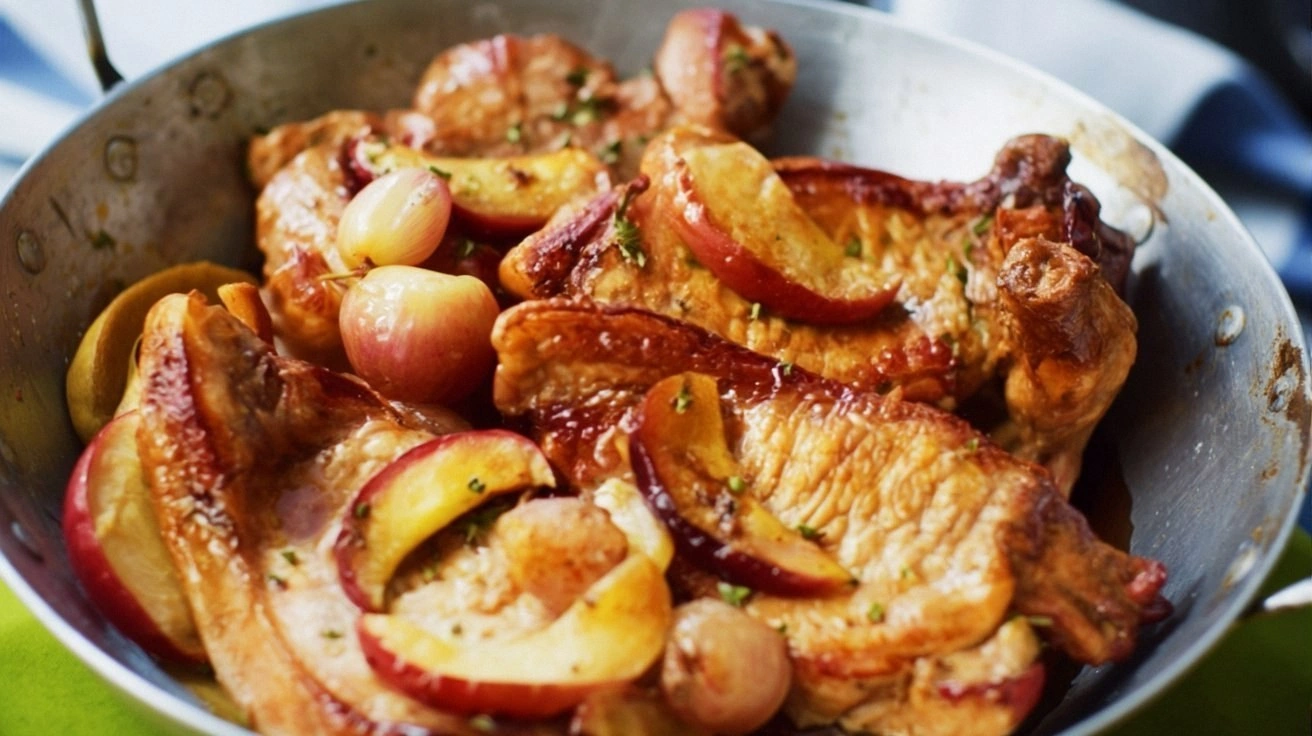
The first thing you notice is the sizzle as the pork hits the hot pan. The sound is a crisp, almost musical crack that promises a golden crust. The aroma that follows is a heady mix of browned butter, caramelized apples, and sage’s piney undertones. When you taste the first bite, the pork is juicy and tender, the apple slices burst with tartness, and the sage provides a warm, almost peppery finish that lingers on the palate. The texture is a delightful contrast—crisp on the outside, succulent on the inside, and the apples add a subtle chew that keeps the dish from feeling dry.
What sets this version apart is the way each element is amplified without overpowering the others. The pork is seasoned simply with salt, pepper, and a touch of flour, allowing its natural flavor to shine. The apples are sliced thick enough to hold their shape, yet thin enough to caramelize beautifully. Sage is used fresh rather than dried, bringing a vibrant green note that feels almost herbal and bright. The finishing touch—a splash of apple cider and a drizzle of honey—creates a sauce that coats the pork like velvet, sealing in moisture while adding a subtle sweetness that balances the savory.
And here's the kicker: the sauce is made in one pan, meaning no extra dishes, no extra cleanup, and no risk of overcooking the apples or the pork. I dare you to taste this and not go back for seconds. If you've ever struggled to get the perfect balance between sweet and savory in pork dishes, you're not alone—and I've got the fix. This is hands down the best version you'll ever make at home, and by the end of this guide, you'll wonder how you ever made it any other way.
What Makes This Version Stand Out
- Flavor Harmony: The combination of apple, sage, and pork creates a taste profile that feels both familiar and adventurous. The apples bring brightness, the sage adds earthiness, and the pork delivers savory depth.
- Texture Contrast: The pork’s crusty exterior gives way to a tender interior, while the apples stay slightly crisp, offering a playful mouthfeel.
- One-Pan Simplicity: Everything cooks together, so you’re not juggling multiple pans or bowls. That means fewer dishes and more time to enjoy the meal.
- Time Efficiency: From prep to plate, the entire process takes less than an hour, making it ideal for busy weeknights.
- Fresh Ingredients: Using fresh sage instead of dried ensures a brighter, more aromatic flavor that elevates the dish.
- Make-Ahead Friendly: The sauce can be reheated without losing its silky quality, and the pork stays juicy when stored properly.
- Kid-Approved: The sweet apples and mild pork flavor make it a crowd-pleaser for both adults and children.
Alright, let's break down exactly what goes into this masterpiece…
Inside the Ingredient List
The Flavor Base
The foundation of this dish is the pork tenderloin steaks. These cuts are prized for their tenderness and mild flavor, which makes them perfect for quick pan-searing. When you season the pork with a simple blend of salt, pepper, and a light dusting of flour, you’re setting the stage for a golden, caramelized crust. If you skip the flour, the pork will still cook beautifully, but the crust will be less crisp, and the sauce may cling to the meat rather than forming a cohesive glaze. For a healthier alternative, you can replace the flour with a gluten-free flour blend, but keep the amount the same to preserve the crust’s texture.
The Texture Crew
Apples are the star of the texture crew. I use Granny Smith apples because their tartness cuts through the richness of the pork and stays firm when cooked. Slice the apples into wedges about 1/4 inch thick; this ensures they caramelize without falling apart. If you prefer a softer apple texture, try using Honeycrisp or Gala—they’ll become tender and sweet rather than crisp. The onions add a subtle crunch and sweetness that balances the savory pork. Thinly sliced onions caramelize quickly, creating a caramelized base that enhances the sauce’s depth.
The Unexpected Star
Sage is the unexpected star that elevates this dish from ordinary to extraordinary. Fresh sage leaves, when minced, release a bright, piney aroma that pairs wonderfully with apples. Dried sage can be used if fresh isn’t available, but it’s less potent and may alter the dish’s bright green hue. A pinch of dried thyme adds a subtle warmth that complements the apple’s acidity. If you’re feeling adventurous, a splash of apple cider vinegar at the end of cooking will brighten the sauce and add a subtle tang that lifts the flavors.
The Final Flourish
The sauce is where all the elements unite. Apple cider brings sweetness and acidity, while a splash of chicken broth adds depth and body. Butter and honey finish the sauce, giving it a silky, glossy coat that clings to the pork and apples. The small amount of flour at the beginning of the sauce thickens it without making it heavy. If you’re watching calories, replace the butter with a tablespoon of olive oil and skip the honey; the dish will still be flavorful, just less sweet.
Everything’s prepped? Good. Let’s get into the real action…
The Method — Step by Step
- Prepare the Pork: Pat the pork steaks dry with paper towels to ensure a good sear. Season each side generously with salt, pepper, and a light dusting of flour. The flour will help form a crisp crust and absorb excess moisture. Let the pork rest at room temperature for 10 minutes; this step ensures even cooking.
- Heat the Pan: Place a large skillet over medium-high heat and add 2 tablespoons of olive oil. Once the oil shimmers, slide the pork steaks into the pan. Watch the sizzle—this is the sound of flavor being sealed. Cook for 3-4 minutes per side, or until a deep golden-brown crust forms. The pork should be cooked to an internal temperature of 145°F (63°C). Remove the pork from the skillet and set aside on a plate.
- Sauté the Aromatics: In the same pan, add 2 tablespoons of butter. Let it melt and start to foam. Toss in the sliced onions and minced garlic, cooking until the onions turn translucent and begin to caramelize, about 3 minutes. The aroma should be sweet and buttery—this is the base of your sauce.
- Add Apples and Sage: Place the apple wedges in the pan, pressing them gently into the buttered onions. Sprinkle in the fresh sage leaves. Cook for 2 minutes, allowing the apples to brown slightly. The apples should start to soften but still hold their shape. If you’re using dried thyme, add it now to infuse the mixture with a subtle warmth.
- Deglaze with Cider: Pour in 1/2 cup of apple cider, scraping the bottom of the pan to loosen the browned bits. These bits are packed with flavor and will form the foundation of your sauce. Let the cider reduce by half, about 2-3 minutes. The pan should have a rich, caramelized liquid that’s slightly thickened.
- Finish the Sauce: Stir in 1/4 cup of chicken broth, 1 tablespoon of honey, and a pinch of salt. The honey adds a glossy sheen and a subtle sweetness that balances the apple’s tartness. Let the sauce simmer for 1-2 minutes until it thickens to a glaze consistency. Taste and adjust seasoning if necessary.
- Return the Pork: Nestle the pork steaks back into the skillet, spooning sauce over them. Let them cook together for an additional 2 minutes, allowing the pork to reheat and absorb the flavors. The pork should look glossy, and the edges should be slightly pulled away from the pan.
- Rest and Serve: Transfer the pork and apples to a serving platter. Let the meat rest for 3-4 minutes before slicing; this lets the juices redistribute. Serve immediately, spooning the remaining sauce over the pork and apples. Pair with mashed potatoes or a simple green salad for a balanced meal.
That’s it— you did it. But hold on, I’ve got a few more tricks that will take this to another level…
Insider Tricks for Flawless Results
The Temperature Rule Nobody Follows
Many cooks rely solely on visual cues, but using a meat thermometer is the surest way to achieve perfect doneness. Aim for 145°F (63°C) for pork tenderloin. If you’re a fan of medium-rare, pull the pork at 135°F (57°C) and let carryover cooking bring it to the target. This small adjustment can transform a good dish into a showstopper.
Why Your Nose Knows Best
The aroma of the caramelized onions and apples is the true indicator of readiness. When the onions turn golden and the apples start to brown, you’re right on track. Trust your nose; if it smells buttery and sweet, the sauce is ready to go. I’ve had friends skip this step and end up with a flat-tasting dish—don’t let that happen to you.
The 5-Minute Rest That Changes Everything
Letting the pork rest after cooking is not a waste of time; it’s a critical step for juiciness. During the rest, the juices redistribute, preventing them from spilling out when you slice. If you cut into the pork immediately, you’ll notice a dry center. A quick 5-minute rest is all you need to lock in moisture.
Use Fresh Sage, Not Dried
Fresh sage offers a bright, green flavor that dried sage can’t match. If you only have dried sage, use half the amount and add a splash of fresh lemon zest to mimic the brightness. This small tweak keeps the dish vibrant and aromatic.
Balance Sweetness with Acidity
Honey adds sweetness, but a splash of apple cider vinegar or a squeeze of fresh lemon juice balances the profile. If you’re watching sugar intake, reduce the honey by half and add a teaspoon of vinegar. The result is a sauce that’s still glossy but with a cleaner finish.
Creative Twists and Variations
This recipe is a playground. Here are some of my favorite ways to switch things up:
Maple-Glazed Pork
Replace the honey with pure maple syrup and add a pinch of smoked paprika. The maple gives a deep, caramel flavor, while the paprika adds a subtle smoky undertone. This version pairs wonderfully with roasted sweet potatoes.
Spicy Apple & Sage
Add a teaspoon of crushed red pepper flakes to the onions. The heat contrasts with the apple’s sweetness, creating a dynamic flavor profile. Serve over a bed of couscous to keep the dish light.
Herb-Infused Pork
Swap the sage for a mix of rosemary and thyme. The rosemary’s piney aroma gives a different herbal note, while thyme adds warmth. This variation is great for a more rustic, country-style meal.
Vegan Version
Use thick-cut seitan or tempeh instead of pork. Sear the protein similarly, then add apples, onions, and sage. Finish with a splash of vegetable broth and maple syrup. The result is a hearty, plant-based dish that still delivers on flavor.
Breakfast Twist
Serve the pork and apple mixture over a stack of fluffy pancakes or waffles, drizzled with a maple-apple sauce. The sweet and savory combo makes for an indulgent brunch that feels like a treat.
Grilled Variation
Marinate the pork in apple cider, olive oil, and sage for at least an hour, then grill over medium heat. The grill marks add a smoky flavor, while the apples can be grilled on a separate rack. This version is perfect for a summer cookout.
Storing and Bringing It Back to Life
Fridge Storage
Let the dish cool completely before placing it in an airtight container. Store in the refrigerator for up to 3 days. The sauce may thicken slightly; reheat gently on the stove, adding a splash of apple cider to loosen it.
Freezer Friendly
Divide the pork and apple mixture into freezer-safe containers or zip-top bags. Freeze for up to 2 months. Thaw overnight in the refrigerator before reheating. A small splash of water or broth will help restore moisture.
Best Reheating Method
Reheat the dish in a skillet over low heat, stirring occasionally. Add a tablespoon of apple cider or broth to prevent the sauce from drying out. Warm through until the internal temperature reaches 165°F (74°C). The dish will taste almost as fresh as when first cooked.