I was standing in my kitchen, the air thick with the scent of burnt toast, when my friend dared me to create a dinner that would make even the most seasoned foodie swoon. I stared at the pile of salmon fillets and potatoes on my counter, feeling the weight of culinary expectations. The idea hit me like a splash of lemon: a salmon and potato bake that would melt on the tongue, yet stay firm enough to hold its shape. I imagined a dish that would turn a simple dinner into a moment of pure delight, a dish that would make people say, “I dare you to taste this and not go back for seconds.”
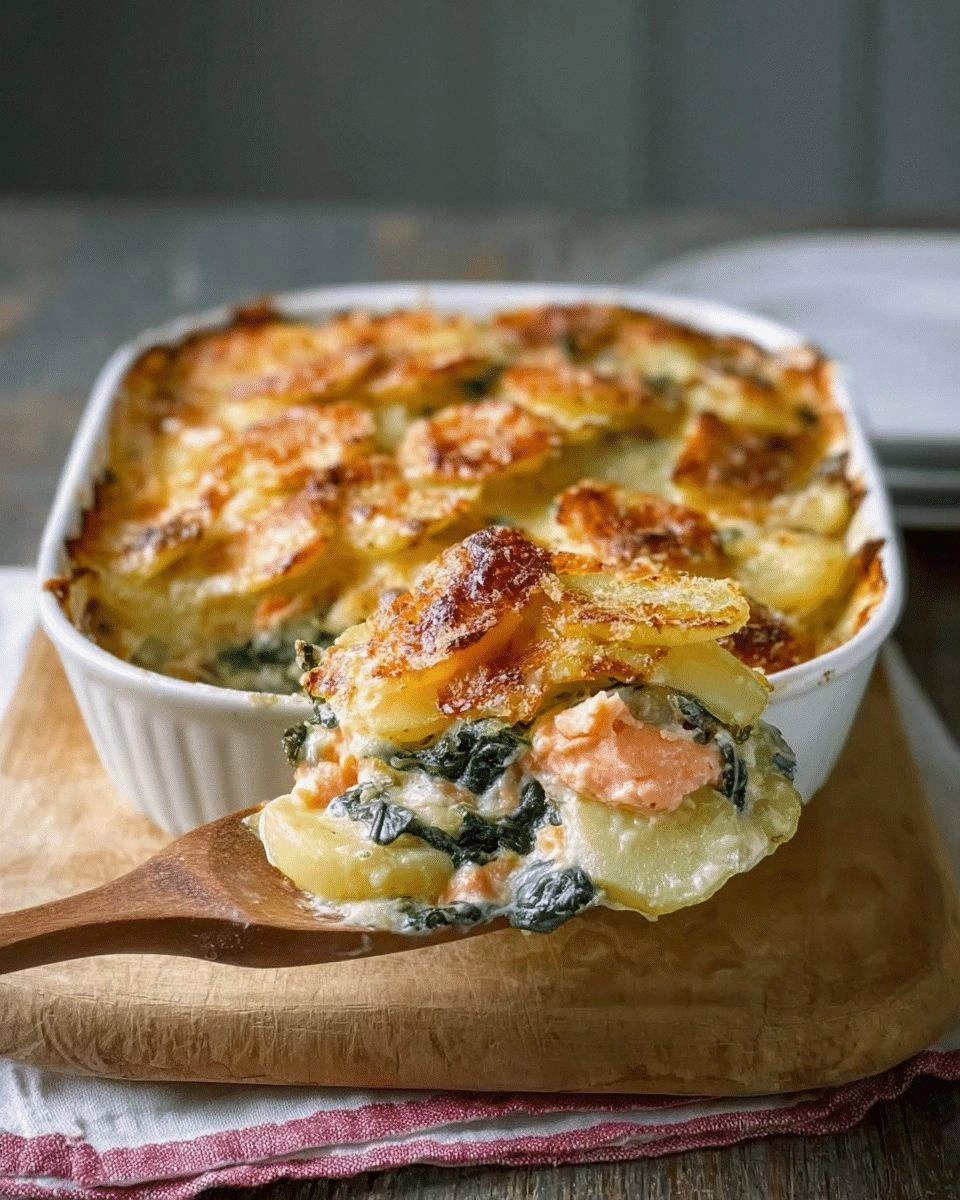
Picture this: a golden crust forming over a bed of buttery potatoes, the aroma rising like a promise. The salmon, seasoned to a crisp edge, releases a gentle steam that mingles with the herbs. Your fingertips feel the slight resistance of the potatoes as you lift a slice, the crust cracking like thin ice. The first bite is a symphony—salmon’s silky flesh, the potato’s comforting bite, and a citrus zing that dances on the palate. It’s the kind of dish that makes you pause, inhale, and then taste again, savoring each layer like a secret whispered in your ear.
What sets this version apart? I’ve taken the classic bake and turned it into a showstopper with a few bold twists. I’ve layered a cream‑dairy base that keeps the potatoes tender, added a lemon‑dill drizzle that brightens the flavor, and topped it with a parmesan‑herb crust that crunches like freshly toasted bread. I’ve also incorporated a subtle, smoky finish by briefly searing the salmon before baking. These touches transform an ordinary casserole into a dish that feels like a celebration. And the best part? It’s so simple you can make it in under an hour, yet it feels like you’ve spent a week preparing it.
If you’ve ever struggled with a salmon bake that turns out dry or a potato casserole that falls apart, you’re not alone. I’ve been there, watching the golden edges of a dish collapse into a soggy mess. But this recipe is hands down the best version you’ll ever make at home. It’s the kind of meal that turns a weekday into a mini‑holiday, and I’m about to walk you through every single step. By the end, you’ll wonder how you ever made it any other way.
What Makes This Version Stand Out
- Flavor: A vibrant blend of lemon, dill, and garlic that lifts the salmon without overpowering its natural taste. The herbs are toasted lightly to release their oils, creating a fragrant base that permeates every bite.
- Texture: The potatoes stay fluffy inside while the top develops a crisp, golden crust that snaps like a well‑timed cookie. The salmon remains moist, with a slight char that adds depth.
- Visual Appeal: A layered look with golden potatoes, a glossy salmon glaze, and a sprinkle of herbs that makes the dish Instagram‑ready.
- Ease: No complicated sauces or pre‑marinades—just a few pantry staples and a handful of fresh ingredients. You’ll have a ready‑to‑eat masterpiece in 45 minutes.
- Versatility: It’s a base that welcomes substitutions—swap the salmon for cod, add spinach for a green twist, or use sweet potatoes for a different flavor profile.
- Make‑ahead Friendly: Prepare the layers the night before, cover, and bake in the morning. The flavors meld beautifully, making it ideal for busy weekdays.
Inside the Ingredient List
The Flavor Base
The foundation of this bake starts with the aromatics: minced garlic, freshly ground pepper, and a splash of lemon juice. These ingredients work together to create a bright, zesty undertone that cuts through the richness of the salmon. If you skip the garlic, the dish loses its punch, becoming a bland, one‑dimensional experience. A pinch of dried thyme adds earthiness, while a few fresh dill leaves give a fresh, almost minty finish. For those who love a little heat, a dash of crushed red pepper can be added for a subtle kick.
The Texture Crew
Potatoes are the unsung hero of this bake. I recommend russet or Yukon Gold for their fluffy interior and ability to develop a crisp exterior. Slice them into ¼‑inch rounds so they cook evenly and stack nicely. Butter and olive oil are the duo that keeps the potatoes moist while encouraging a caramelized top. If you’re watching your fat intake, substitute half the butter with Greek yogurt or a light olive oil drizzle. The key is to keep the potatoes from drying out while still achieving that golden crunch.
The Unexpected Star
A splash of heavy cream or half‑and‑half is the secret weapon that keeps the potatoes tender and adds a silky mouthfeel. Some people swear by a splash of white wine, but cream provides a richer, more comforting texture that pairs beautifully with salmon. If you’re lactose intolerant, a dairy‑free milk works fine, though the crust will be slightly lighter. This ingredient is optional but highly recommended for the ultimate indulgence.
The Final Flourish
Parmesan cheese adds a salty, nutty crunch that balances the buttery potatoes and the delicate salmon. Sprinkle it over the top before the final bake to create a golden, slightly caramelized finish. Fresh dill or parsley are the finishing herbs that give the dish a bright, herbal note. A final squeeze of lemon right before serving brightens everything, making the flavors pop. If you’re vegan, replace the parmesan with a nutritional yeast sprinkle for a cheesy flavor.
Everything's prepped? Good. Let's get into the real action...
The Method — Step by Step
- Preheat your oven to 375°F (190°C). Grease a 9×13 inch baking dish with a light coating of olive oil. This ensures the potatoes and salmon don’t stick and makes cleanup a breeze. While the oven heats, gather all your ingredients so you’re not scrambling at the last minute.
- Slice the potatoes into ¼‑inch thick rounds. Arrange them in a single layer at the bottom of the prepared dish. The even thickness guarantees that each slice cooks uniformly, preventing some from being underdone while others overcook.
- Season the potato layer with salt, pepper, and a drizzle of olive oil. Toss gently to coat each slice evenly. This step is crucial for flavor; the seasoning penetrates the potatoes as they bake, giving them a savory base that supports the salmon.
- Place the salmon fillets on top of the potatoes, skin side down. Pat them dry with paper towels to ensure the skin crisps up. Lightly drizzle each fillet with olive oil and season with salt, pepper, and a pinch of dried thyme. The oil helps the skin crisp while the seasoning keeps the fish juicy.
- Scatter minced garlic and fresh dill leaves over the salmon. The garlic will caramelize slightly, adding a sweet depth, while the dill brings a fresh, herby brightness that contrasts the richness of the fish.
- Pour the heavy cream (or dairy‑free alternative) over the salmon, letting it seep between the fillets. The cream keeps the potatoes moist and creates a silky sauce that coats the fish. If you prefer a lighter sauce, use a splash of white wine instead of cream.
- Cover the dish tightly with aluminum foil and bake for 20 minutes. The foil traps steam, ensuring the potatoes stay tender. After 20 minutes, remove the foil to allow the top to brown and develop that irresistible crust.
- Sprinkle grated parmesan cheese evenly over the top. Return the dish to the oven uncovered for another 10 minutes, or until the cheese is golden and bubbly. The cheese melts into a caramelized crust that adds both flavor and texture.
- Remove the dish from the oven and let it rest for 5 minutes. This short rest allows the juices to redistribute, ensuring each bite is moist and flavorful. While it rests, you can prepare a quick side salad or a fresh green to complement the rich main.
- Before serving, drizzle a little fresh lemon juice over the top to brighten the dish. Garnish with extra dill leaves or parsley for a pop of color. Plate each portion with a generous scoop of potatoes, a salmon fillet, and a drizzle of the creamy sauce. Enjoy the harmony of flavors and textures.
That's it — you did it. But hold on, I've got a few more tricks that'll take this to another level...
Insider Tricks for Flawless Results
The Temperature Rule Nobody Follows
Many cooks overheat the oven, thinking higher temperatures mean faster cooking. In reality, a steady 375°F (190°C) gives the salmon the perfect balance of tenderness and caramelization. If you bump the heat up to 425°F, the salmon will cook too quickly on the outside, leaving the inside underdone. Keep the temperature consistent, and the oven’s convection fan can help distribute heat evenly.
Why Your Nose Knows Best
Trust your nose when it smells the potatoes turning golden. That scent signals the ideal moment to remove the foil. If you wait too long, the potatoes may become too dry; if you take them out too early, they’ll be undercooked. Use the aroma as your guide, and you’ll achieve that perfect crisp.
The 5-Minute Rest That Changes Everything
Resting the dish after baking allows the juices to settle, preventing a watery top layer. It also lets the cheese crust firm up slightly, making it easier to slice. A quick five‑minute pause before serving transforms the dish from good to unforgettable.
The Lemon‑Dill Drizzle
Right before serving, drizzle a little lemon juice over the top. It brightens the flavors and adds a fresh contrast to the buttery potatoes. If you prefer a stronger citrus kick, add a few thin lemon slices on top of the salmon before baking.
The Secret of Crispy Skin
Patting the salmon dry with paper towels before baking is essential. Moisture on the skin prevents it from crisping up. For an extra crunch, sprinkle a pinch of sea salt over the skin just before baking.
Creative Twists and Variations
This recipe is a playground. Here are some of my favorite ways to switch things up:
Sweet Potato Surprise
Swap the russet potatoes for sweet potatoes sliced thinly. The natural sweetness pairs wonderfully with the lemon and dill, creating a dessert‑like main course. Add a sprinkle of cinnamon for an extra layer of warmth.
Mediterranean Medley
Replace the cream with a splash of white wine and add sun‑dried tomatoes and olives. The briny flavors echo the sea, making this a Mediterranean‑inspired twist that’s perfect for summer evenings.
Smoky Chipotle Version
Incorporate a teaspoon of chipotle powder into the seasoning mix for a subtle heat and smoky undertone. The chipotle pairs nicely with the rosemary, creating a bold, adventurous flavor profile.
Vegan Version
Use a high‑protein plant‑based salmon substitute and replace the butter with a vegan butter or olive oil. Swap the cream for coconut milk and the parmesan for nutritional yeast. The result is a creamy, herbaceous dish that satisfies even the most devoted vegans.
Pesto‑Infused Delight
Spread a thin layer of basil pesto over the potatoes before adding the salmon. The pesto’s bright green color and herby flavor elevate the dish, creating a Mediterranean flair that’s both fresh and comforting.
Crispy Kale Topper
Add a handful of chopped kale to the top before baking. The kale will wilt into a crisp, leafy garnish that adds texture and a pop of color. Finish with a squeeze of lemon to brighten the greens.
Storing and Bringing It Back to Life
Fridge Storage
Cool the dish completely, then cover tightly with plastic wrap or a lid. Store in the refrigerator for up to 3 days. When you’re ready to reheat, preheat your oven to 350°F (175°C) and bake for 15 minutes, or until heated through.
Freezer Friendly
Wrap the dish in foil and place it in a freezer‑safe container. It will stay fresh for up to 2 weeks. Thaw overnight in the fridge, then reheat in the oven at 350°F (175°C) for 20 minutes. The texture remains tender, and the flavors stay vibrant.
Best Reheating Method
The secret to a great reheated dish is to add a tiny splash of water or broth before baking. This steams the potatoes back to perfection, keeping them from drying out. Finish with a quick drizzle of lemon and a sprinkle of fresh herbs for a fresh, lively finish.