Picture this: it’s a rainy Thursday, I’m staring at the pantry, and the only thing that’s making me feel alive is that faint citrusy scent drifting from the back of the fridge. I remember my last trip to Vietnam, the street stalls, the steam rising from bowls of pho, and a sudden craving that could only be satisfied by lemongrass chicken. I opened the fridge, pulled out a couple of stalks, and realized I’d forgotten that small but mighty herb in my last attempt. The result? A kitchen disaster that ended with burnt garlic and a dish that tasted like it was missing that bright, herbaceous spark.
Fast forward to today, and I’m standing in my kitchen with a fresh batch of lemongrass, garlic, ginger, and a handful of other ingredients that promise to transform ordinary chicken into a fragrant, tender masterpiece. The air is already buzzing with anticipation as the lemongrass releases its citrusy perfume, mingling with the sharp bite of fresh ginger. I can almost taste the sweet tang of fish sauce balanced by a whisper of brown sugar. The sizzling sound when the pan heats up is music to my ears, and the sight of the chicken browning to a golden hue is a visual treat.
What makes this version stand out? First, it’s the balance of flavors—sweet, salty, spicy, and aromatic—without any one note overpowering the rest. Second, the technique: marinating for just the right amount of time, searing to lock in juices, and finishing with a quick splash of lime to brighten everything. Third, it’s a crowd-pleaser; I’ve served it to friends who have never tried Vietnamese cuisine, and they keep asking for seconds. Fourth, it’s incredibly simple—no exotic ingredients, just everyday staples that you probably already have at home. Fifth, the texture is a dream: juicy chicken with a slight caramelized crust that gives a satisfying bite. And lastly, the best part: it’s a dish that can be made in under 45 minutes, making it perfect for busy weeknights.
I dare you to taste this and not go back for seconds. I’ll be honest—after the first bite, I almost forgot about the rest of the meal. Picture yourself pulling this out of the oven (or pan) and the whole kitchen smelling incredible, the steam curling like a fragrant cloud. This is hands down the best version you'll ever make at home. Let me walk you through every single step — by the end, you'll wonder how you ever made it any other way.
What Makes This Version Stand Out
- Flavor Harmony: The sweet, salty, and spicy elements intertwine seamlessly, creating a complex profile that feels both fresh and comforting. Each bite delivers a burst of citrus from lemongrass, a punch of heat from chili, and a mellow sweetness from brown sugar.
- Texture Contrast: The chicken develops a crisp, caramelized exterior while remaining succulent inside. The slight crunch of fresh herbs adds a subtle, refreshing bite that keeps the dish from feeling heavy.
- Simplicity: With only seven core ingredients, this recipe cuts through the noise of elaborate cooking. No need for specialty sauces or hard-to-find spices.
- Authentic Aroma: The aroma of lemongrass and ginger rises with every stir, transporting you straight to a bustling Vietnamese market. The scent alone can elevate your mood before you even taste a single morsel.
- Make‑ahead Friendly: Marinate the chicken a day ahead, refrigerate, and the flavors deepen. The dish can be reheated without losing its vibrancy.
- Versatile Serving Options: Pair it with jasmine rice, noodles, or even a crisp salad. It’s a flexible main that adapts to whatever you’re craving.
Alright, let's break down exactly what goes into this masterpiece…
Inside the Ingredient List
The Flavor Base
At the heart of this dish lies the combination of lemongrass, garlic, ginger, and chili. Each ingredient contributes a distinct layer of flavor that, when blended, forms the signature taste. Lemongrass provides a bright, citrusy note that cuts through the richness of the chicken. Garlic offers a deep, savory undertone, while ginger injects a subtle heat and a warm, slightly sweet aroma. The chili brings just enough spice to awaken the palate without overwhelming the other flavors. If you skip any of these, the dish loses its characteristic depth, and you’ll be left with a bland, one-dimensional result.
The Texture Crew
The chicken itself is the primary source of texture. Choosing chicken thighs over breasts gives you a juicy, tender bite that absorbs the sauce beautifully. If you prefer a leaner option, use breast meat, but be careful not to overcook, as it can become dry. The brown sugar, though small in quantity, caramelizes slightly during cooking, adding a subtle crunch to the surface of the chicken. A pinch of salt enhances the savory profile, while a splash of water helps keep the chicken moist during the simmering stage.
The Unexpected Star
Fish sauce is the unsung hero that brings umami depth and saltiness. Its complex flavor profile is reminiscent of seaweed, dried fish, and fermented soy, providing a savory backbone that balances the sweetness and acidity. If you’re not a fan of fish sauce, try a splash of soy sauce combined with a teaspoon of oyster sauce for a slightly different umami kick. However, the original recipe’s fish sauce is essential for authenticity.
The Final Flourish
Finish the dish with a squeeze of fresh lime juice and a handful of chopped cilantro. The lime adds a bright, acidic finish that lifts the entire flavor profile, while cilantro offers a fresh, herbal note that complements the lemongrass. If cilantro is not to your liking, try a sprinkle of chopped mint or Thai basil for a different aromatic experience. Remember, the final flourish should be added at the very end to preserve the delicate flavors.
Everything's prepped? Good. Let's get into the real action...
The Method — Step by Step
- Prep the aromatics. Trim the lemongrass stalks, removing the tough outer layers, then slice them into thin rounds. Use a sharp knife to mince the garlic and ginger finely, and thinly slice the chili to control heat. The goal is to release maximum flavor while ensuring even cooking. Watch the texture change as the pieces become translucent and fragrant.
- Marinate the chicken. In a bowl, combine the sliced lemongrass, minced garlic, grated ginger, sliced chili, and a splash of water. Add the fish sauce, brown sugar, and a pinch of salt. Toss the chicken pieces in the mixture, ensuring each piece is coated. Cover and let rest for at least 15 minutes—this short marination time allows the flavors to penetrate without overpowering the chicken.
- Whisk the sauce. In a small bowl, dissolve the brown sugar into a tablespoon of warm water. Add the fish sauce, a squeeze of lime juice, and a dash of sesame oil if desired. This liquid base will later be poured over the chicken, creating a glossy, caramelized coating. The sugar should dissolve completely to avoid gritty spots.
- Heat the pan. Place a heavy skillet or wok over medium-high heat and add a tablespoon of neutral oil. Once the oil shimmers, add the marinated chicken. Let it sear undisturbed for 2-3 minutes to develop a golden crust. Flip and sear the other side for another 2 minutes. This step locks in juices and creates a caramelized exterior.
- Cook the aromatics. Lower the heat to medium and add the remaining lemongrass, garlic, ginger, and chili to the pan. Stir constantly for 30 seconds until the aromatics release their fragrance. Watch the garlic brown slightly but avoid burning it, as bitterness will ruin the dish. This is the moment of truth—your senses should be fully engaged.
- Simmer the sauce. Pour the prepared sauce over the chicken, reduce heat to low, and cover the pan. Let it simmer for 8-10 minutes, allowing the flavors to meld and the sauce to thicken. The chicken should be fully cooked through, with a tender, juicy interior. The sauce should coat the chicken in a glossy, caramelized glaze.
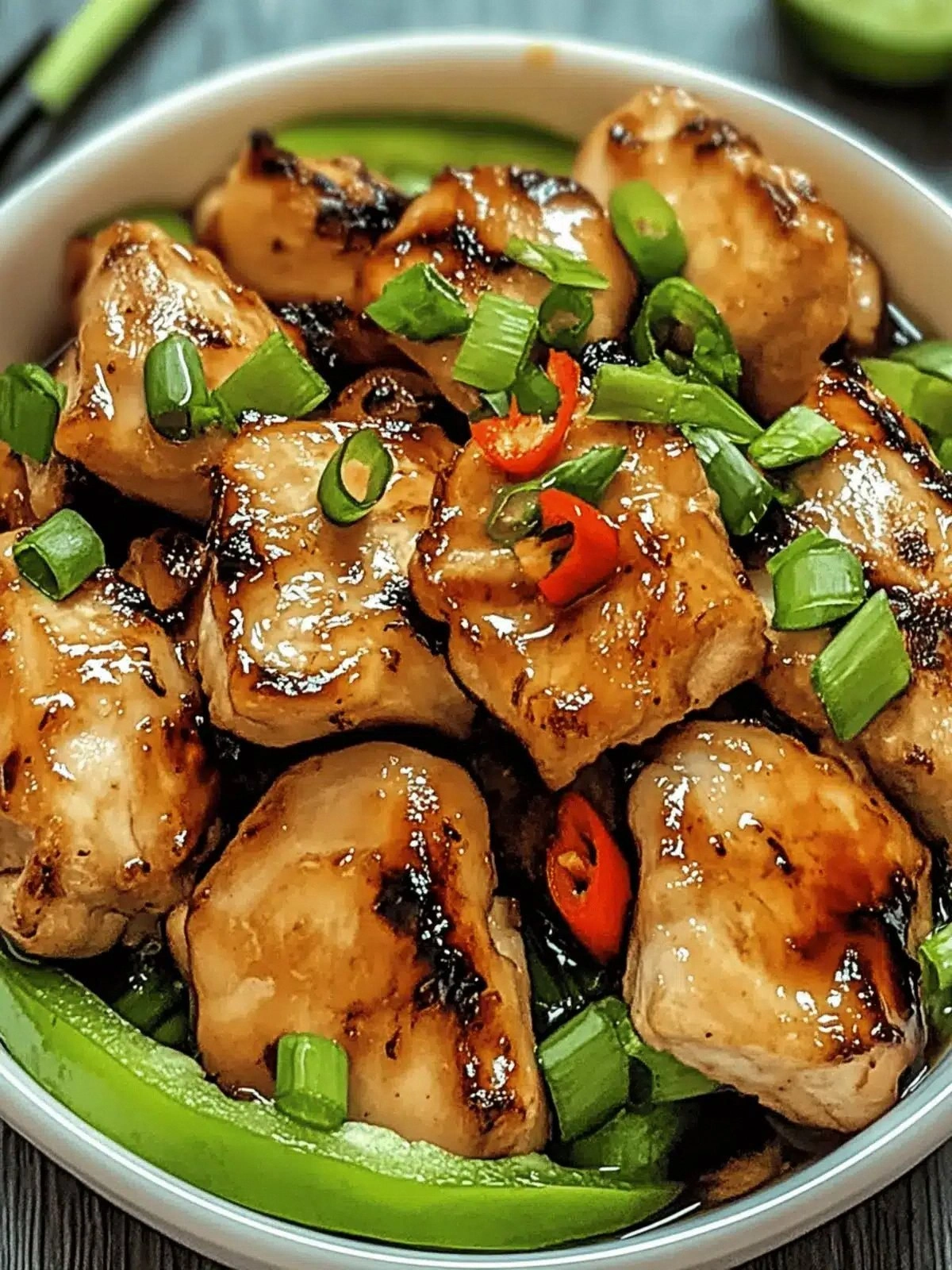
- Finish with lime and herbs. Remove the lid, increase heat slightly, and let the sauce reduce for another 2 minutes until it’s thick enough to cling to the chicken. Add a squeeze of fresh lime juice and sprinkle chopped cilantro. Give it a quick toss to distribute the fresh flavors evenly. The lime’s acidity brightens the dish, while the cilantro adds a fresh, herbal note.
- Serve. Plate the chicken over steamed jasmine rice or a bed of noodles. Garnish with extra cilantro or lime wedges if desired. The dish should look glossy, with a caramelized crust and a burst of color from the fresh herbs. The aroma should be inviting, and the first bite should reveal layers of sweet, salty, spicy, and citrusy flavors.
That's it — you did it. But hold on, I've got a few more tricks that'll take this to another level...
Insider Tricks for Flawless Results
The Temperature Rule Nobody Follows
Many cooks keep the heat too high, causing the sugar to burn and the sauce to become bitter. I recommend searing the chicken over medium-high heat for the first 3 minutes, then reducing to medium for the aromatics and sauce. This controlled temperature ensures a caramelized crust without scorching. A quick test: if the pan starts smoking, lower the heat immediately.
Why Your Nose Knows Best
Smell is your best ally. When the aromatics are cooked, the scent should be bright and citrusy, not sharp or burnt. If it smells off, it’s a sign the oil is too hot or the ingredients have started to char. Trust your nose to tell you when it’s time to lower the heat.
The 5‑Minute Rest That Changes Everything
After cooking, let the chicken rest for 5 minutes before slicing. This allows the juices to redistribute, ensuring each bite is moist. A quick rest also gives the sauce a chance to thicken slightly, giving the dish a glossy finish.
Use a Wok for Even Heat Distribution
A wok’s wide surface area distributes heat evenly, preventing hot spots that can burn the sugar. If you don’t have a wok, a wide skillet works just fine. The key is to keep the surface area large relative to the amount of chicken.
Adjust the Heat with Chili
Chili is the main heat source. If you’re sensitive to spice, start with half a chili and taste before adding more. Conversely, if you love heat, use a whole chili or a pinch of chili flakes. The heat can be balanced by adding a splash of coconut milk later if you want to mellow the dish.
Keep the Sauce from Splattering
When you add the sauce, tilt the pan slightly and use a spoon to pour it in. This technique reduces splatter and ensures even coating. If splatter does occur, wipe the pan quickly with a damp cloth before it dries.
Creative Twists and Variations
This recipe is a playground. Here are some of my favorite ways to switch things up:
Vegan Version
Replace chicken with firm tofu cubes. Use a plant-based fish sauce alternative or a blend of soy sauce and tamarind paste. The tofu will absorb the sauce, yielding a savory, umami-rich result that still carries the aromatic lemongrass.
Spicy Coconut Twist
Add a half cup of coconut milk after the sauce has simmered. The richness balances the heat from the chili, creating a creamy, tropical flavor that pairs beautifully with jasmine rice.
Herb‑Infused Variation
Swap cilantro for Thai basil or mint. The fresh herbs will change the aroma profile, giving the dish a different but equally delightful character. This variation is perfect for those who crave a more pronounced herbal note.
Gluten‑Free Take
Serve the dish over cauliflower rice or quinoa instead of regular rice. This keeps the dish gluten-free while preserving the hearty texture of the grains.
Breakfast Bites
Serve the chicken and sauce over a bowl of fluffy scrambled eggs. The combination of savory, citrusy sauce with eggs creates a unique breakfast experience that’s both filling and flavorful.
Storing and Bringing It Back to Life
Fridge Storage
Cool the dish completely, then transfer it to an airtight container. Store in the refrigerator for up to 3 days. The flavors will deepen, but the chicken will remain juicy.
Freezer Friendly
For longer storage, freeze the dish in a freezer-safe container for up to 2 months. When ready to reheat, thaw overnight in the fridge or use the defrost setting on your microwave.
Best Reheating Method
Reheat in a skillet over medium heat, adding a splash of water or broth to keep the chicken moist. Heat until the sauce is hot and slightly reduced again. A quick stir will re‑gloss the chicken, making it taste freshly cooked.