It started with a kitchen catastrophe that still haunts my memory: a pan of pork chops that had gone from sizzling golden to charred black in a matter of seconds, the smell of burnt meat curling through the air like a warning. I stared at the scorched surface, feeling the weight of a failed dinner, and whispered to myself, “I’m not going to let this happen again.” That moment of frustration sparked a mission: to create a pork chop recipe that delivers succulent, caramelized edges, a sweet‑savory sauce that clings like silk, and a process so intuitive that even a novice can master it. This isn’t just another skillet dish; it’s a culinary revelation that turns a simple protein into a show‑stopper.
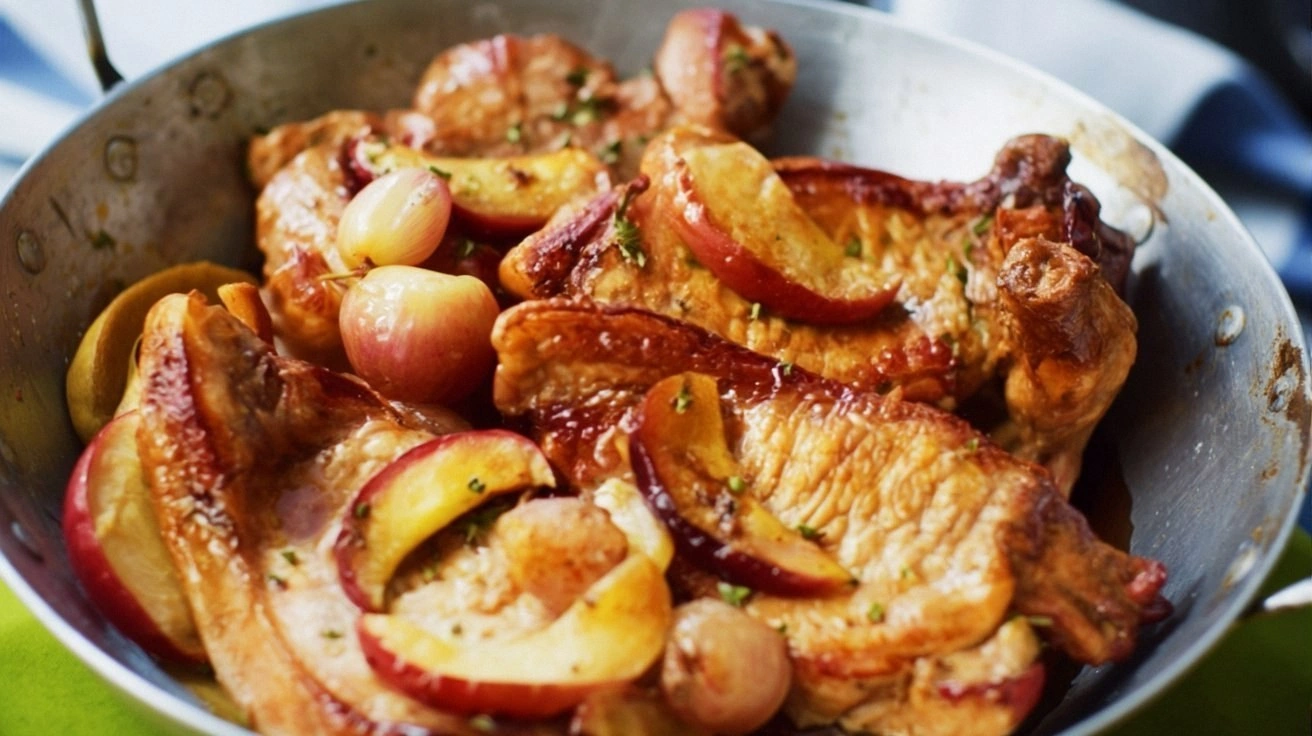
Picture the kitchen at dusk, the window glowing amber as the last of the day’s light fades. The air is thick with the aroma of apple cider simmering, garlic releasing its earthy perfume, and thyme whispering herbal notes. As the pork chops hit the hot pan, a satisfying hiss erupts, the sound echoing a promise of crispness. The surface of the meat transforms into a golden crust, the edges crackling like thin ice shattering under a hammer. Your tongue tastes the subtle sweetness of apples, the mellow tang of cider, and the gentle umami of pork, all balanced by a hint of thyme’s brightness. The texture is a dance of crunchy exterior and juicy interior, a contrast that feels like a symphony of sensations.
What makes this version stand out is a combination of bold flavor choices, meticulous technique, and a few unconventional twists that elevate the dish beyond the ordinary. I dare you to taste this and not go back for seconds. The sauce is thickened naturally by the apples, eliminating the need for flour or cornstarch. The pork is marinated in cider, which tenderizes while infusing sweetness. The onions caramelize slowly, creating a caramelized layer that adds depth. And the final touch of fresh thyme gives a burst of herbal freshness that cuts through the richness. It’s a recipe that turns a humble skillet into a stage for flavor fireworks.
If you’ve ever struggled to get pork chops to stay moist, or have been disappointed by bland sauces, you’re not alone. This recipe solves those pain points by combining simple ingredients with a few clever tricks. And I’m not talking about a generic pan‑fry; this is a carefully orchestrated sequence that ensures every bite is packed with flavor and texture. Picture yourself pulling this out of the skillet, the whole kitchen smelling incredible, and the family or friends around the table already lining up for a second helping. Let me walk you through every single step — by the end, you’ll wonder how you ever made it any other way.
What Makes This Version Stand Out
- Flavor Depth: The apple cider and juice create a sweet, tangy base that caramelizes into a glossy glaze. This sauce coats the pork like velvet, leaving each bite bursting with natural sweetness.
- Crisp Texture: A high‑heat sear locks in juices while producing a crust that shatters like thin ice when you bite into it. The result is a satisfying crunch that contrasts with the tender interior.
- Minimal Prep: No pre‑marination or long resting periods. The pork chops sit in the pan for only a few minutes on each side, making this dish ideal for busy weeknights.
- All‑in‑One Sauce: Apples, onions, and cider combine into a sauce that thickens naturally, eliminating the need for flour or cornstarch. The sauce is both a glaze and a side, reducing cleanup.
- Fresh Herb Finish: Fresh thyme is added at the end, releasing bright, herbal aromas that lift the richness of the pork and sauce.
- Versatile Pairing: Serve with mashed potatoes, roasted root vegetables, or a simple green salad. The sauce’s acidity balances the savory pork, making it a match for many sides.
- Make‑Ahead Friendly: The dish can be cooked a few hours early and reheated in the oven or on the stove, making it a great option for dinner parties.
- Kid‑Approved: The sweet apple glaze is a hit with kids, while the savory pork satisfies adults. It’s a crowd‑pleaser for all ages.
Alright, let’s break down exactly what goes into this masterpiece…
Inside the Ingredient List
The Flavor Base
Apple cider or unfiltered apple juice is the heart of this dish. It brings natural sweetness and acidity that caramelize into a glossy glaze. If you’re on a low‑sugar diet, you can swap in a splash of apple cider vinegar for a sharper tang, but the dish will be less sweet. The cider also helps tenderize the pork, breaking down muscle fibers for a melt‑in‑your‑mouth texture.
The Texture Crew
Bone‑in pork loin rib chops provide the perfect balance of meat and bone, delivering a juicy center and rich flavor. The bone adds depth to the sauce and helps keep the chops moist during cooking. If you prefer boneless, choose thick‑cut loin chops, but the cooking time will shorten slightly. The 1/2 cup of Diamond Crystal kosher salt is the seasoning backbone; it seasons the meat evenly and helps create a crisp crust. A pinch of pepper or a dash of smoked paprika can add a subtle kick if you’re feeling adventurous.
The Unexpected Star
The large sweet‑tart apple (Honeycrisp or Pink Lady) is more than just a garnish. It slices into wedges, caramelizes, and releases its juices to thicken the sauce. The apple’s natural pectin helps the sauce thicken without additives. If you’re in a pinch, a frozen apple can work, but thaw it first to avoid excess water. The apple also balances the richness of the pork, preventing the dish from feeling heavy.
The Final Flourish
A small yellow onion adds sweetness and depth as it slowly caramelizes in the pan. Two cloves of garlic give a robust, earthy backdrop that complements the apple’s sweetness. Fresh thyme, added at the end, releases bright herbal notes that cut through the richness of the pork. Finally, a tablespoon of neutral oil (canola or grapeseed) provides the right amount of fat for a crisp sear without overpowering the flavors.
Everything’s prepped? Good. Let’s get into the real action…
The Method — Step by Step
- Prep the chops: Pat the pork chops dry with paper towels. This step is crucial; a dry surface ensures a better sear and prevents steaming. Season each side generously with half of the kosher salt (1/4 cup) and a pinch of black pepper if you like. Let them sit at room temperature for 10 minutes; this brings the meat to an even temperature and speeds up cooking.
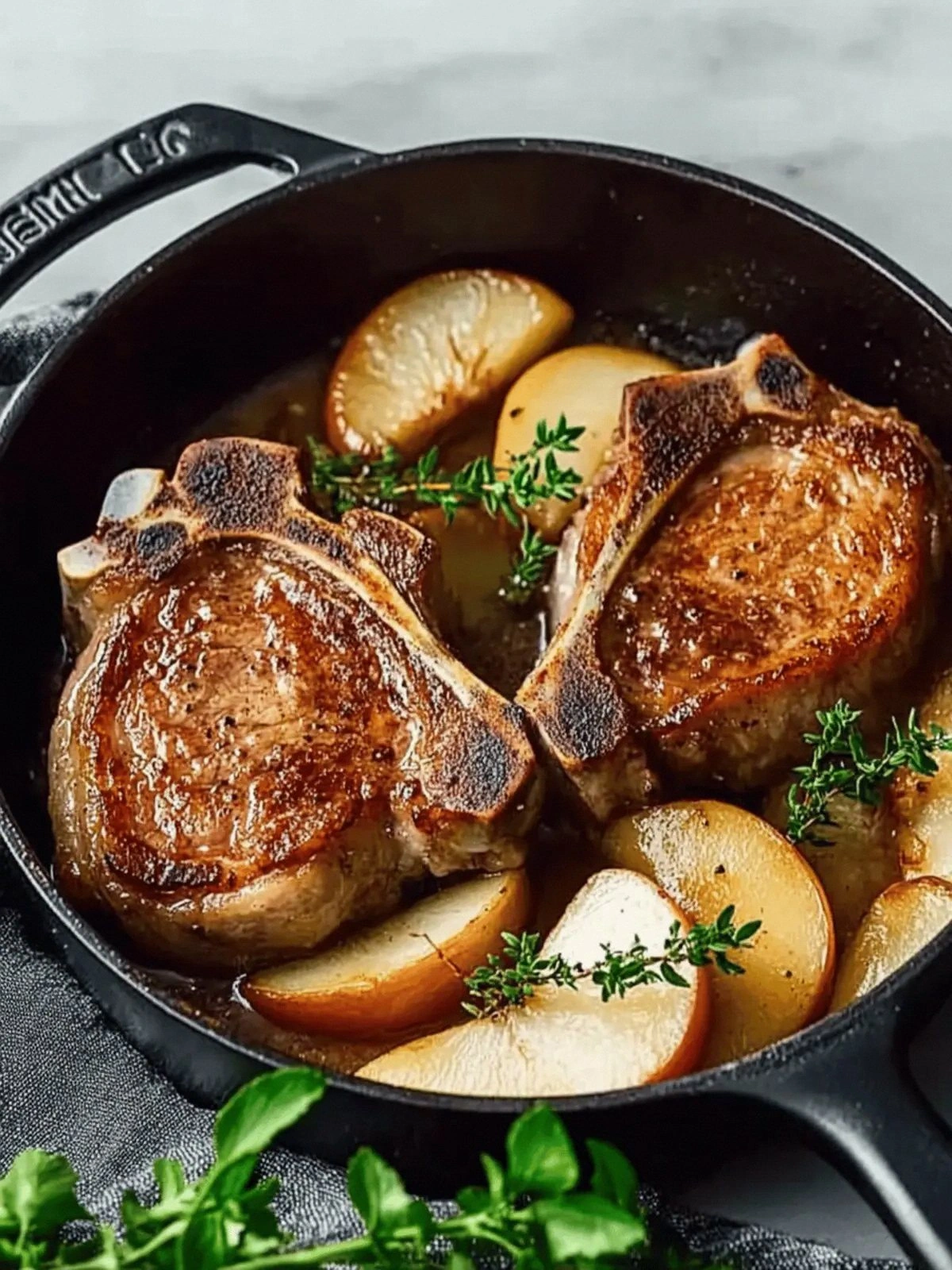
- Heat the skillet: Place a large, heavy‑bottom skillet (preferably cast iron) over medium‑high heat. Add the tablespoon of oil and let it shimmer. When the oil starts to lightly smoke, the pan is ready. This high heat is essential for a beautiful crust; a low‑heat pan will produce soggy chops.
- Sear the chops: Carefully lay the chops in the hot oil, skin side down if they have skin. Do not crowd the pan; cook in batches if necessary. Sear for 3–4 minutes until a deep golden crust forms and the edges start to pull away from the pan. Flip and sear the other side for 2–3 minutes. The goal is a caramelized surface that locks in juices.
- Add aromatics: Reduce the heat to medium. Push the pork to the sides of the skillet. Add the sliced onion, garlic cloves, and apple wedges. Sauté for 3–4 minutes until the onion begins to soften and the apples start to brown. The onions should smell sweet, not sharp.
- Deglaze and simmer: Pour in the apple cider (or juice) and water, scraping the bottom of the pan with a wooden spoon to lift the caramelized bits. The liquid should reduce to a syrupy glaze in about 5 minutes. If it’s too thin, let it simmer until it thickens to a glaze consistency.
- Finish the pork: Return the pork chops to the skillet, nestling them into the sauce. Spoon some glaze over the top. Cover the skillet with a lid or foil and let the chops simmer for 6–8 minutes, or until the internal temperature reaches 145°F (63°C). The apple glaze will coat the chops, giving them a glossy sheen.
- Final touch: Sprinkle fresh thyme over the top, then remove the lid. Let the sauce reduce slightly for 2 minutes, allowing the thyme’s aroma to mingle with the glaze. This final step adds a bright herbal note that balances the sweet‑savory flavor.
- Serve: Plate the chops on a warmed dish. Spoon the remaining sauce over the top and garnish with a few extra thyme sprigs. Pair immediately with mashed potatoes, roasted root veggies, or a crisp green salad. The sauce should coat the pork like velvet, and the crust should crackle with every bite.
That’s it — you did it. But hold on, I’ve got a few more tricks that will take this to another level…
Insider Tricks for Flawless Results
The Temperature Rule Nobody Follows
Many cooks set the stove to “high” and never adjust, resulting in uneven cooking. The trick is to start at medium‑high to sear, then drop to medium for the simmer. This ensures the outside is crisp while the inside stays juicy. If you’re using a gas stove, aim for a flame that just touches the skillet’s edges, not a roaring blaze.
Why Your Nose Knows Best
Your sense of smell is a reliable indicator of doneness. When the pork is near ready, the aroma of caramelized apples and thyme will intensify. The sauce should smell slightly sweet and slightly tart, not raw or overly acidic. Trust your nose, and you’ll avoid overcooking.
The 5‑Minute Rest That Changes Everything
After the pork is removed from the skillet, let it rest on a cutting board for 5 minutes. This allows the juices to redistribute, ensuring each bite is moist. If you cut into it immediately, the juices will run out, leaving the meat dry.
Use a Skillet With a Lid
Covering the skillet traps steam, which helps the pork cook evenly and prevents the sauce from evaporating too quickly. If you don’t have a lid, a sheet of foil will do. Just be sure to lift it for the final reduction step.
Add a Dash of Brown Sugar
A teaspoon of brown sugar can enhance the caramelization of the onions and apples, giving the sauce a deeper, richer sweetness. It’s optional, but it adds a subtle molasses note that pairs beautifully with pork.
Creative Twists and Variations
This recipe is a playground. Here are some of my favorite ways to switch things up:
Maple‑Glazed Version
Swap half of the apple cider for pure maple syrup. The result is a richer, sweeter glaze that pairs wonderfully with a hint of smoked paprika. Perfect for a holiday dinner.
Citrus‑Infused Twist
Add a splash of orange juice or a zest of orange to the sauce. The citrus brightens the flavor profile, making it lighter and more refreshing. Great for spring or summer meals.
Herb‑Rich Variation
Increase the thyme to two teaspoons and add a handful of fresh rosemary. The rosemary’s piney aroma complements the apple sweetness, creating a complex flavor tapestry.
Spicy Kick
Introduce a pinch of crushed red pepper flakes or a diced jalapeño when sautéing the onions. The heat adds a pleasant contrast to the sweet glaze, making it a crowd‑pleaser for spice lovers.
Vegetarian Take
Replace the pork chops with thick slices of portobello mushrooms. Sear them in the same way, then simmer in the apple glaze. The mushrooms absorb the flavors beautifully, offering a hearty, plant‑based option.
Storing and Bringing It Back to Life
Fridge Storage
Cool the pork chops completely, then place them in an airtight container. Store in the refrigerator for up to 3 days. The sauce will thicken slightly, so reheat gently.
Freezer Friendly
Wrap each chop in parchment paper and place in a freezer bag. Freeze for up to 3 months. Thaw overnight in the refrigerator before reheating. The pork retains its moisture, and the glaze stays flavorful.
Best Reheating Method
Reheat in a skillet over medium heat, adding a splash of water or apple cider to loosen the sauce. Stir frequently until heated through. A quick 5‑minute reheating keeps the pork juicy and the glaze glossy.