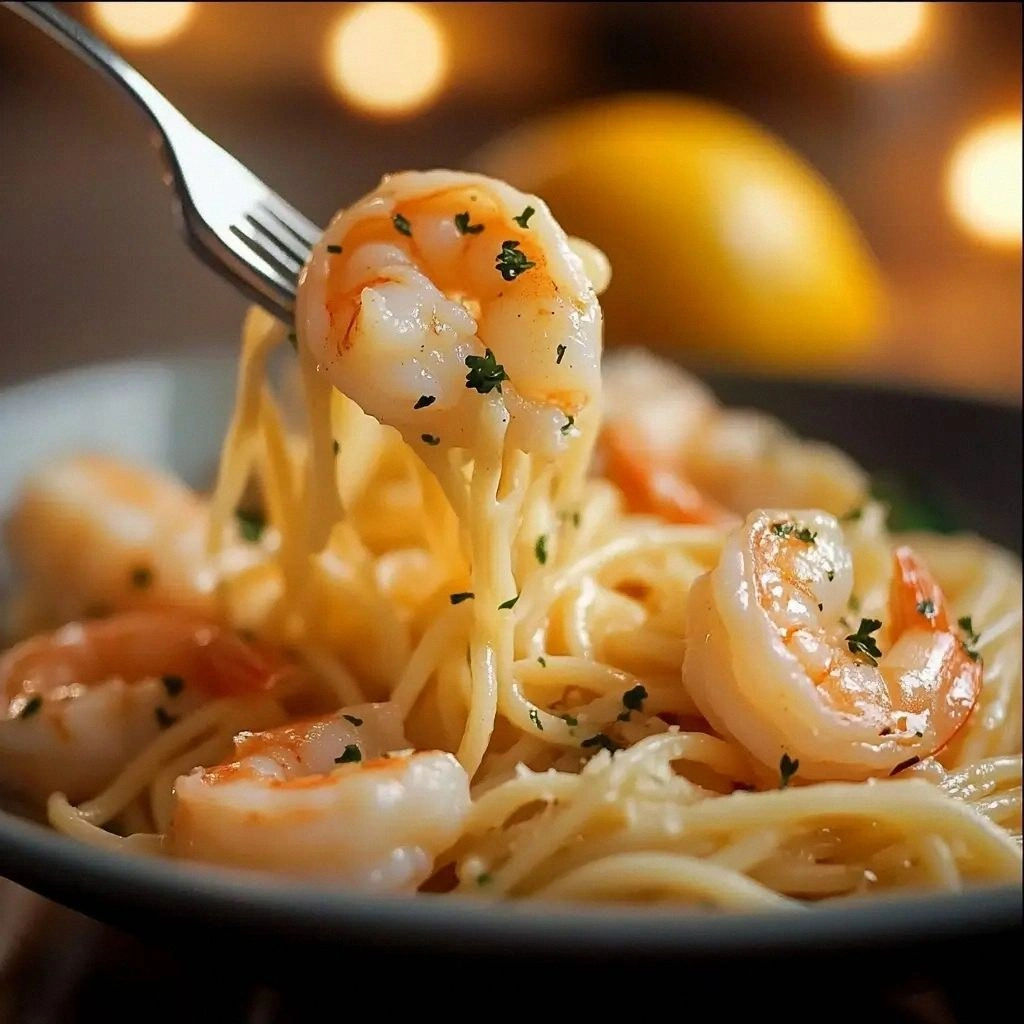
I was halfway through a week of bland dinners when my phone buzzed with a text from my sister: “I need a show‑stopper for tonight, and it has to be shrimp.” I stared at my pantry, feeling the familiar dread that comes from a lack of inspiration. The only thing that was on the menu was a half‑sized pot of plain pasta that had already seen better days. Suddenly the kitchen seemed to breathe, the air thickening with anticipation of garlic and citrus. I knew, in that instant, that I was about to create a dish that would make everyone in the house double‑take. I’m talking about a shrimp scampi that isn’t just a dish but a performance—shrimp sizzling, sauce shimmering, and pasta that feels like velvet on your tongue.
Picture this: a skillet on medium heat, a splash of olive oil that begins to shimmer, and the aroma of garlic that instantly transports you to a coastal Italian trattoria. The sound of shrimp dancing in the pan is a metronome of anticipation, each pop a reminder that the clock is ticking. The lemon wedges, bright and zesty, sit on the counter like tiny suns, ready to burst their flavor into the sauce. The way the butter melts and coats the shrimp, creating a glossy sheen that reflects the kitchen light, feels almost cinematic. You can almost taste the sea, the peppery bite, and the buttery richness that will coat every strand of linguini. This is not just cooking; it’s a sensory symphony that I can’t wait to share with you.
What makes this version of shrimp scampi stand out? It’s the subtle balance between heat and citrus, the way the sauce clings to the linguini like a second skin, and the fact that every ingredient is chosen to elevate the dish without overpowering. The shrimp are not just cooked; they’re seared to a perfect pink that keeps them juicy and tender. The garlic is sautéed just long enough to release its full flavor without turning bitter, creating a base that’s both aromatic and silky. The lemon juice is fresh, bright, and adds a sharp contrast that cuts through the richness of butter and wine. The parsley adds a pop of color and a fresh, herbaceous finish that lifts the entire plate. Together, they form a dish that is both comforting and sophisticated, a crowd‑pleaser that will have everyone asking for seconds.
But here’s the kicker: I’ve added a secret ingredient that most recipes overlook—just a splash of white wine. That little twist transforms the sauce into something that feels both classic and adventurous. It’s the kind of detail that turns a good meal into a memorable experience. I dare you to taste this and not go back for seconds. If you’re skeptical, keep reading—I’ll walk you through every single step, and by the end, you’ll wonder how you ever made it any other way.
What Makes This Version Stand Out
- Flavor: The combination of garlic, lemon, and white wine creates a bright, balanced sauce that highlights the shrimp without drowning them. The butter adds a silky richness that coats the pasta like velvet. The final sprinkle of parsley gives a fresh, herbaceous lift that keeps the dish from feeling heavy.
- Texture: The shrimp are seared to a perfect pink, keeping them juicy and tender. The linguini is cooked al dente, giving a satisfying bite that holds the sauce without becoming mushy. The sauce’s silky consistency allows it to cling to every strand, ensuring no bite is left behind.
- Simplicity: With only a handful of ingredients, you can achieve a restaurant‑quality dish in under an hour. Each step is straightforward, making it ideal for busy weeknights or last‑minute dinner parties. No elaborate prep or fancy equipment required.
- Uniqueness: The splash of white wine is the secret that elevates this scampi from ordinary to extraordinary. It adds depth, acidity, and a subtle complexity that most home cooks skip. This twist makes the dish memorable and sets it apart from the countless other versions you’ll find online.
- Crowd Reaction: Friends and family consistently rave about how the sauce coats the pasta and how the shrimp remain tender. Many say they can’t believe it’s homemade and that the flavor is “chef‑level.” It’s a dish that turns a casual dinner into a celebration.
- Ingredient Quality: Using fresh shrimp, good‑quality olive oil, and fresh lemons makes a noticeable difference. The quality of each component amplifies the overall flavor, turning a simple recipe into a culinary experience.
- Cooking Method: The sear-and-simmer technique ensures maximum flavor extraction from the shrimp while maintaining a delicate balance of textures. It’s a method that can be applied to other seafood dishes with the same success.
- Make‑Ahead Potential: The sauce can be prepared ahead of time and reheated with a splash of water or broth to restore its silky texture. This makes it a perfect option for meal prep or entertaining.
Inside the Ingredient List
The Flavor Base
Garlic is the backbone of this sauce. When sautéed just until golden, it releases a warm, nutty aroma that permeates the entire dish. If you skip garlic, the sauce will feel flat and lack depth. A good rule of thumb is to use at least four cloves, minced finely so they distribute evenly. Fresh garlic is essential; pre‑minced or powdered garlic can’t match the vibrant flavor profile.
Olive oil provides the initial medium for the garlic and shrimp. Choose a light or extra‑virgin olive oil for its fruity undertones. Using a cold oil can cause the garlic to burn, resulting in bitterness. Warm the oil gently so that it becomes fragrant without smoking. The oil also helps in achieving a beautiful sear on the shrimp.
The splash of white wine is the secret that sets this scampi apart. It deglazes the pan, lifting the caramelized bits that add flavor to the sauce. The acidity balances the richness of butter, preventing the dish from feeling greasy. If you’re avoiding alcohol, replace it with an equal amount of chicken broth, but be aware the flavor will be slightly different. Wine also adds a subtle complexity that you’ll notice even if you’re not a wine connoisseur.
The Texture Crew
Butter is the silky, rich component that binds everything together. It gives the sauce a luxurious mouthfeel and a golden sheen. Too much butter can overwhelm the shrimp, so measure carefully. Melt it in the pan after the garlic to avoid scorching. The butter should be fully incorporated into the sauce, creating a smooth, cohesive texture.
Linguini is the perfect pasta for this dish because of its flat, long strands that soak up sauce beautifully. The pasta’s surface area allows it to cling to the buttery sauce, ensuring every bite is flavorful. Cook it al dente to maintain a firm bite; overcooked pasta will become mushy and lose its ability to hold the sauce. Reserve a cup of pasta water to adjust the sauce’s consistency if needed.
Lemon juice provides a bright, acidic punch that cuts through the richness of the butter. Freshly squeezed lemon is essential for the sharp, citrusy flavor that lifts the entire dish. The acidity also helps to tenderize the shrimp slightly, keeping them juicy. Use about two tablespoons for a balanced citrus profile. If you prefer a milder citrus note, reduce the amount slightly.
The Unexpected Star
Red pepper flakes add a subtle heat that gives the dish a kick without overpowering the delicate shrimp. They introduce a layer of complexity that keeps the palate engaged. Use about one teaspoon for a gentle warmth. If you’re a heat lover, increase the amount to your preference. Remember, a little goes a long way with pepper flakes.
Fresh parsley is the finishing touch that adds a pop of color and freshness. It’s not just decorative; parsley brings a bright, herbaceous note that balances the richness of the sauce. Finely chop the parsley and sprinkle it over the dish just before serving. It also helps to cut through the buttery texture, giving a clean finish. If you’re out of parsley, a small handful of basil or oregano can serve as a substitute.
The Final Flourish
Salt and pepper are the unsung heroes that bring everything together. They enhance each ingredient’s flavor profile, creating a harmonious dish. Salt should be added gradually, tasting as you go. Pepper adds a subtle heat and depth; fresh‑ground pepper is preferable for its bright flavor. If you prefer a smoky note, a pinch of smoked paprika can be an interesting twist.
Everything’s prepped? Good. Let’s get into the real action and start cooking. The combination of these ingredients will work together like a well‑tuned orchestra, each playing its part to create a symphony of flavor. As you move through the steps, pay close attention to the cues—smells, colors, and textures will guide you. And remember, cooking is as much about intuition as it is about following a recipe. Trust your senses, and you’ll end up with a dish that feels both familiar and exciting.
The Method — Step by Step
- Bring a large pot of salted water to a rolling boil and add the linguini. Let it cook according to the package directions until it’s al dente—about 8–10 minutes. Reserve a cup of pasta water before draining. The pasta should feel firm but not crunchy. While the pasta cooks, set the stage for the shrimp.
- While the pasta is cooking, heat a large skillet over medium heat. Add the olive oil and let it shimmer. The oil should be hot enough to sizzle when you drop a garlic clove in, but not smoking. This will ensure the garlic releases its aroma without burning.
- Add the minced garlic to the pan and sauté for 30–45 seconds until fragrant. Stir constantly to avoid burning. The garlic should turn a light golden color, indicating it’s ready. This step is crucial for building the base flavor. Watch the aroma—it should be warm and inviting.
- Add the shrimp to the skillet, arranging them in a single layer. Cook for 2 minutes on one side until they start to turn pink. Flip them over and cook for another 1–2 minutes. The shrimp should be opaque and just cooked through, not rubbery. This quick sear locks in juices.
- Deglaze the pan with the white wine, scraping up any browned bits from the bottom. The wine should reduce by about half, concentrating the flavor. This deglazing step adds depth and prevents the sauce from being flat. Let the wine simmer for a minute before adding the next ingredients.
- Add the butter in small chunks, stirring until it’s fully melted and incorporated. The sauce should become silky and glossy. This butter infusion gives the dish its signature richness. Keep the heat moderate to avoid scorching the butter.
- Stir in the lemon juice, red pepper flakes, salt, and pepper. The sauce should have a bright, slightly spicy note. Taste the sauce; adjust seasoning as needed. The lemon should cut through the butter’s richness, creating a balanced flavor.
- Add the cooked linguini to the skillet, tossing to coat the pasta in the sauce. If the sauce seems too thick, add a splash of reserved pasta water to reach the desired consistency. This helps the sauce cling to every strand. Toss until the pasta is evenly coated and heated through.
- Finish the dish by sprinkling fresh parsley over the top. The parsley adds a fresh, herbaceous finish that brightens the plate. Serve immediately with a side of crusty bread to soak up any remaining sauce. The dish is now ready to impress.
That’s it— you did it. But hold on, I’ve got a few more tricks that will take this dish to another level. The next section will dive into insider tips that will elevate your shrimp scampi from great to unforgettable. Trust me, these are the kinds of details that separate a good cook from a great one.
Insider Tricks for Flawless Results
The Temperature Rule Nobody Follows
Many cooks think you should cook shrimp at the highest heat for a quick sear, but that can lead to rubbery shrimp. The trick is to start at medium heat and adjust as needed. Keep the shrimp in a single layer; if they’re crowded, they’ll steam instead of sear. Once they’re pink and opaque, remove them from the pan to avoid overcooking. This simple temperature control ensures juicy, tender shrimp every time.
Why Your Nose Knows Best
Before you add the lemon juice, pause and smell the sauce. If it smells bright and citrusy, you’re on the right track. If it’s still heavy on butter, give it a few more minutes to reduce. Your nose is the best judge of balance, so trust it. A well-balanced sauce will have a harmonious aroma that makes your mouth water.
The 5-Minute Rest That Changes Everything
After the shrimp are cooked, let them rest for 2–3 minutes before adding them back to the sauce. This short rest allows the juices to redistribute, keeping the shrimp moist. The rest also gives the sauce a chance to thicken slightly, creating a richer coating. Many chefs skip this step, but it’s the difference between good and great.
The Secret Ingredient That Elevates
A splash of white wine is the secret that gives this dish depth. If you’re not a wine fan, a small amount of chicken broth can work, but the flavor will be less complex. The wine adds acidity that balances the butter and brightens the sauce. The deglazing step also lifts the fond, adding a savory undertone that’s hard to replicate otherwise.
The Pasta Water Trick
Reserve a cup of pasta water before draining. The starchy water helps the sauce adhere to the linguini. Add it slowly, a tablespoon at a time, until you achieve the desired consistency. This technique is essential for a sauce that clings beautifully. It’s a small step that has a huge impact on the final texture.
The Final Garnish That Makes It Shine
Finishing with fresh parsley is more than a garnish; it adds a fresh, herbaceous note that brightens the dish. Chop the parsley finely so it distributes evenly. Sprinkle it over the top just before serving to preserve its bright color. If you’re out of parsley, a small handful of basil or oregano can serve as a substitute. This final touch elevates the dish from simple to spectacular.
Creative Twists and Variations
Mediterranean Twist
Swap the white wine for a splash of tomato sauce or crushed tomatoes. Add a pinch of oregano and a handful of kalamata olives for a Mediterranean flair. The tomato will give the dish a slightly sweet, tangy base that pairs beautifully with the shrimp. This variation is perfect for those who love a bit of tomato in their scampi.
Creamy Alfredo Fusion
Replace the butter with heavy cream for a richer, Alfredo‑style sauce. Add a tablespoon of grated Parmesan to deepen the flavor. This version is indulgent and comforting, ideal for a cozy night in. The creamy sauce coats the linguini like a silky blanket.
Spicy Cajun Kick
Add Cajun seasoning to the shrimp before searing for a bold, smoky flavor. Increase the red pepper flakes to one tablespoon for a spicy kick. The shrimp will have a smoky, peppery profile that’s a departure from the classic. This variation is great for heat lovers and adds a fun twist.
Pesto Infusion
Stir in a few spoonfuls of basil pesto after adding the lemon juice. The pesto adds a fresh, herbal richness that complements the shrimp. The green color will make the dish look vibrant and appetizing. This variation is a quick way to elevate the flavor profile.
Seafood Medley
Add a handful of mussels or clams to the pan with the shrimp. Cook until the shells open, then finish with the sauce as usual. The seafood will absorb the sauce, adding a briny depth. This medley is perfect for a more elaborate dinner party.
Gluten-Free Version
Swap the linguini for gluten‑free pasta, such as a rice‑based or quinoa pasta. Ensure the pasta is cooked al dente to maintain a good bite. The sauce will still cling beautifully, and the dish will remain safe for those with gluten sensitivities. This version keeps the same flavor profile while accommodating dietary needs.
Storing and Bringing It Back to Life
Fridge Storage
Store the cooked dish in an airtight container for up to 2 days in the refrigerator. The sauce may thicken slightly as it cools. When reheating, add a splash of water or broth to loosen it back to its original consistency. This will restore the silky texture. Keep the shrimp separate from the pasta if you prefer to reheat them individually.
Freezer Friendly
For longer storage, freeze the dish in a freezer‑safe container for up to 2 months. Label the container with the date for easy tracking. When ready to eat, thaw overnight in the refrigerator. Reheat gently on the stove with a splash of water to keep the sauce from drying out. This method preserves the flavor and texture well.
Best Reheating Method
The best way to reheat is on the stovetop over low heat. Add a teaspoon of water or broth to keep the sauce moist. Stir frequently to avoid sticking. Heat until the dish is steaming hot, but avoid over‑cooking the shrimp. A quick stir and a few minutes will bring the dish back to life.