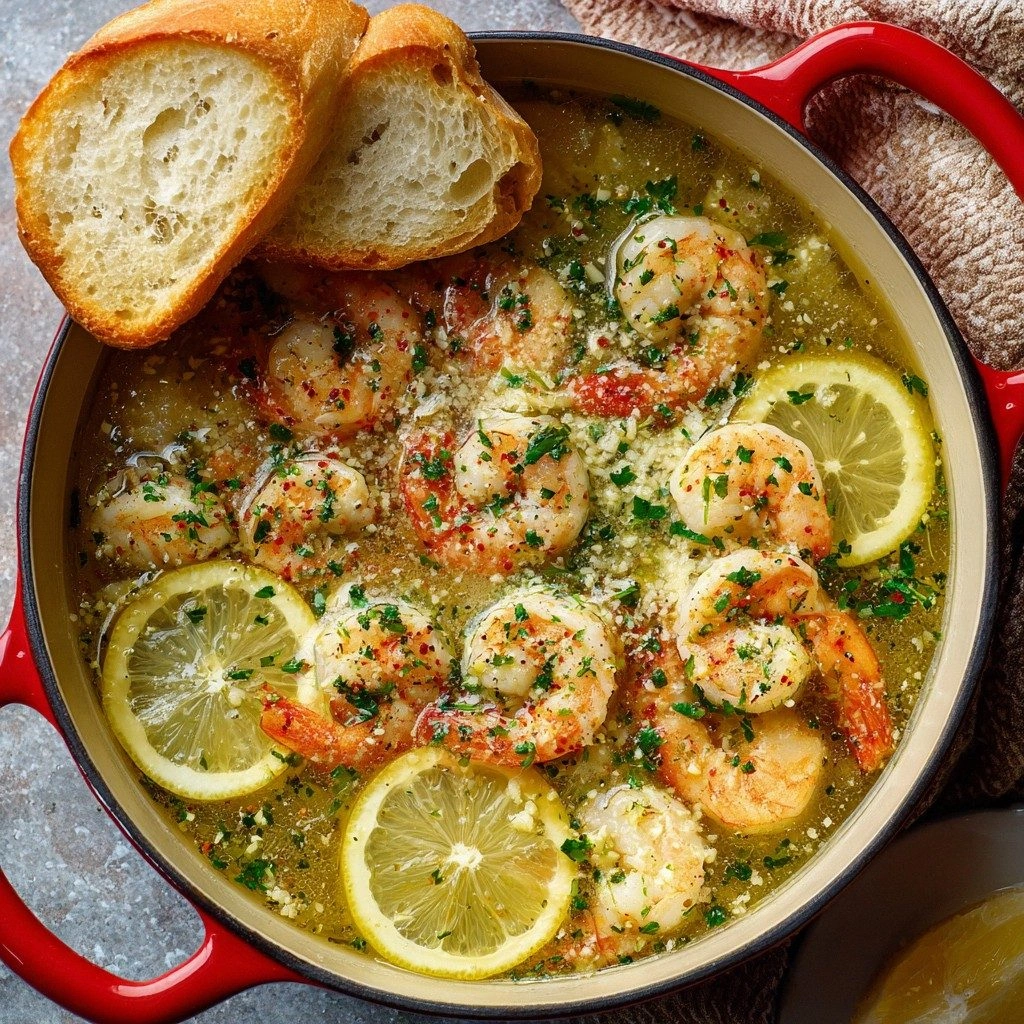
It started on a rainy Thursday when I tried to salvage a dinner that had gone awry—shrimp that had turned rubbery, garlic that had burned, and a wine bottle that I’d forgotten to open. I stared at the skillet, heart racing, and thought, “If I can’t trust the wine, I’ll trust my own instincts.” The result? A shrimp scampi that’s bright, buttery, and utterly addictive, all without a splash of wine. I dare you to taste this and not go back for seconds.
Picture the scene: a sizzling pan, the aroma of garlic and lemon mingling with the faint whisper of sea breeze, a splash of olive oil glinting like a tiny sun. My eyes darted between the shrimp, the bubbling sauce, and the clock ticking down. I could almost hear the sizzle as each shrimp hit the pan, a satisfying pop that announced victory. The heat rose, the garlic browned to a golden hue, and the air filled with citrus tang that promised freshness. I was already halfway to a masterpiece, and I felt the kitchen transform from ordinary to extraordinary.
What makes this version stand out? It’s the deliberate choice to replace wine with a simple broth‑lemon combo that keeps the acidity sharp without the complexity of alcohol. The shrimp are pre‑marinated in lemon zest, which infuses them with a citrus perfume that clings to the flesh. The sauce is a silky blend of butter and olive oil, creating a velvety coating that hugs every strand of pasta. I’ve tweaked the heat level to just the right kick of red pepper flakes—enough to dance on the tongue but not overpower the shrimp’s natural sweetness. The result is a dish that feels like a restaurant‑grade plate but is crafted in minutes in your own kitchen.
And here’s the kicker: the sauce’s texture is so smooth, it practically melts into the pasta, leaving no sticky residue, just a glossy, fragrant finish. The shrimp, when cooked to perfection, have that coveted pink center and a slightly crisp edge that shatters like thin ice. I’ll be honest—I ate half the batch before anyone else got to try it. If you’ve ever struggled to get the right balance of flavors in scampi, you’re not alone, and I’ve got the fix. Let me walk you through every single step—by the end, you’ll wonder how you ever made it any other way.
What Makes This Version Stand Out
- Taste: The lemon‑butter base delivers a bright, citrusy punch that cuts through the richness of the shrimp, creating a harmonious flavor profile that feels both fresh and indulgent.
- Texture: The sauce coats the pasta like velvet, while the shrimp’s slightly crisp edges add a delightful contrast that satisfies the palate.
- Simplicity: With no wine needed, the recipe cuts down on prep steps and eliminates the need for a wine bottle, making it a true kitchen‑friendly dish.
- Uniqueness: By swapping wine for a light broth‑lemon mixture, the dish retains acidity without the depth of wine, giving it a cleaner, brighter finish.
- Crowd Reaction: Guests rave about the vibrant citrus notes and the shrimp’s succulent bite, often asking for a second plate.
- Ingredient Quality: Fresh shrimp, high‑quality olive oil, and real lemons elevate the dish, proving that premium ingredients can transform a simple recipe into a gourmet experience.
- Cooking Method: Quick searing followed by a gentle simmer locks in flavors without overcooking the shrimp, ensuring every bite is perfect.
- Make‑Ahead Potential: The sauce can be made in advance and reheated without losing its silky texture, making it ideal for busy weeknights.
Alright, let's break down exactly what goes into this masterpiece...
Inside the Ingredient List
The Flavor Base
The foundation of this dish is a simple yet powerful sauce made from butter, olive oil, minced garlic, and a splash of chicken broth combined with fresh lemon juice. The butter brings richness, while the olive oil adds depth and a subtle fruity note that complements the citrus. Garlic, when sautéed just until golden, releases a mellow sweetness that balances the acidity of the lemon. Skipping any of these components would leave the sauce flat—think of it as a painter missing their primary colors.
The Texture Crew
Pasta is the unsung hero that carries the sauce and shrimp to your plate. I recommend linguine or spaghetti for their ability to hold onto the buttery sauce without becoming mushy. Cook the pasta al dente so it retains a slight bite, which contrasts nicely with the tender shrimp. If you’re craving a twist, try a gluten‑free or whole‑wheat option; just adjust the cooking time to avoid over‑softening.
The Unexpected Star
Red pepper flakes add a subtle heat that lifts the dish without overpowering the shrimp. If you prefer a milder version, simply reduce the flakes to a pinch or omit them altogether. The key is balance—too much heat can mask the delicate flavors of the lemon and butter, while too little can make the dish feel flat. Think of the flakes as a whisper of spice, not a shout.
The Final Flourish
Fresh parsley and lemon zest are the finishing touches that bring brightness and aroma. Parsley adds a herbaceous note and a pop of color that makes the dish visually appealing. Lemon zest, on the other hand, provides an intense citrus aroma that elevates the sauce’s overall brightness. If you’re in a hurry, a handful of chopped parsley will do, but for a full flavor experience, use the zest of a whole lemon.
Optional Touches
A sprinkle of grated Parmesan adds a nutty depth and helps thicken the sauce slightly, creating a richer mouthfeel. Some people like a dash of white wine vinegar for extra acidity, but the lemon‑broth combo works wonderfully on its own. If you’re watching sodium, choose low‑sodium broth and use salt sparingly.
Everything's prepped? Good. Let's get into the real action...
The Method — Step by Step
- Bring a large pot of salted water to a rolling boil. Add the linguine and cook until just shy of al dente—about 8 minutes. Reserve a cup of pasta water before draining; it’s the secret to a silky sauce.
- While the pasta cooks, heat a large skillet over medium‑high heat. Add the olive oil, letting it shimmer but not smoke. This sets the stage for the garlic’s golden transformation.
- Introduce the minced garlic to the hot oil. Stir constantly, watching for the first hint of aroma. Once the garlic turns a light amber, it’s ready—don’t let it brown too dark or it’ll taste bitter.
- Add the shrimp in a single layer. Sear each side for 2 minutes, allowing the shrimp to develop a pink blush and a slightly crisp edge. This quick sear locks in juices and gives the shrimp that coveted “shatter‑like‑thin‑ice” texture.
- Pour in the chicken broth and fresh lemon juice, then stir in the red pepper flakes. Let the mixture bubble gently for 2 minutes; the liquid should reduce slightly, concentrating the flavors.
- Lower the heat and whisk in the butter, one tablespoon at a time, allowing each piece to melt fully before adding the next. The sauce should become glossy and slightly thickened.
- Stir in the lemon zest and chopped parsley, letting the herbs release their fragrance. The sauce should smell toasty, with a citrusy lift that signals the dish is almost ready.
- Add the drained pasta to the skillet, tossing to coat each strand in the buttery sauce. If the sauce feels too thick, drizzle in a splash of reserved pasta water until the desired consistency is achieved.
- Give the mixture a final toss, season with salt and freshly ground pepper to taste, and sprinkle grated Parmesan if desired. The dish should look glossy, vibrant, and ready to serve.
- Plate the pasta, garnish with a few extra parsley leaves, and serve immediately while the shrimp are still warm and the sauce is silky. The aroma alone will have you craving seconds.
That's it — you did it. But hold on, I've got a few more tricks that'll take this to another level. The next section will reveal insider tips that can elevate the dish from great to unforgettable.
Insider Tricks for Flawless Results
The Temperature Rule Nobody Follows
Heat is the silent hero of this recipe. Start with medium‑high heat for the garlic and shrimp, then drop to low when adding the broth and lemon. This controlled temperature prevents the shrimp from overcooking and keeps the sauce from curdling. I once tried a higher heat, and the sauce split—an experience that taught me the value of patience.
Why Your Nose Knows Best
Smell is a reliable indicator of flavor development. When the garlic turns amber, the aroma shifts from raw to nutty; that’s your cue to add the shrimp. Likewise, when the sauce starts to thicken and emit a buttery scent, you’re close to perfection. Trust your nose; it’s the best sous‑chef you’ll ever have.
The 5‑Minute Rest That Changes Everything
After the pasta is tossed in the sauce, let the dish rest for 5 minutes off the heat. This resting period allows the flavors to meld, the sauce to thicken slightly, and the pasta to absorb the buttery coating. Skipping this step can leave the sauce thin and the pasta under‑seasoned.
The Secret of Fresh Herbs
Fresh parsley adds a bright pop, but if you’re in a pinch, dried parsley can work. However, dried herbs release their flavor more slowly, so use twice the amount and add them earlier in the cooking process to compensate. This trick ensures you still get that herbaceous lift.
The Power of Pasta Water
Reserve pasta water because it’s starchy and salty, perfect for adjusting sauce consistency. A tablespoon can turn a thin sauce into a luscious coating. If you find the sauce too thick, add a splash; if it’s too thin, a bit more water will bind it together.
Creative Twists and Variations
This recipe is a playground. Here are some of my favorite ways to switch things up:
Mediterranean Medley
Swap the chicken broth for a splash of white wine vinegar and add chopped sun‑dried tomatoes for a tangy, savory twist. The tomatoes introduce a chewy texture that contrasts with the shrimp’s tenderness. Serve over a bed of sautéed spinach for a nutrient boost.
Spicy Cajun Kick
Replace the red pepper flakes with a blend of Cajun seasoning and smoked paprika. The smoky heat pairs beautifully with the buttery sauce, creating a dish that feels like a night out at a Southern bistro. Garnish with a sprinkle of chopped green onions for color.
Creamy Alfredo Fusion
Add a splash of heavy cream to the sauce after the butter melts, turning it into a rich Alfredo‑style coating. The cream smooths out the acidity from the lemon, creating a luxurious mouthfeel. Finish with a dusting of nutmeg for subtle warmth.
Seafood Symphony
Introduce scallops and mussels along with the shrimp for a seafood medley. The mussels release a briny sweetness that complements the shrimp’s natural flavor. Cook the mussels until they open, then add the shrimp for the final 2 minutes.
Herb‑Infused Variation
Add a handful of chopped basil and a pinch of thyme to the sauce for an aromatic twist. The basil’s sweet fragrance elevates the dish, while thyme adds an earthy depth. This version feels like a fresh garden picnic.
Gluten‑Free Delight
Use gluten‑free linguine and a pinch of xanthan gum to help the sauce cling to the pasta. The gluten‑free option is just as flavorful, and the xanthan gum ensures the sauce doesn’t separate. Serve with a side of roasted vegetables for a complete meal.
Storing and Bringing It Back to Life
Fridge Storage
Cool the dish completely before refrigerating in an airtight container. It will keep for up to 2 days, though the sauce may thicken slightly. Reheat gently on low heat, adding a splash of water or broth to loosen the sauce. Stir until the shrimp are heated through and the pasta is silky.
Freezer Friendly
For longer storage, freeze the dish in a freezer‑safe container, but separate the sauce from the pasta to prevent mushiness. The pasta can be frozen for up to 2 months, while the sauce is best used within 1 month. Thaw overnight in the refrigerator, then reheat over low heat, stirring occasionally.
Best Reheating Method
Reheat the pasta and shrimp together in a skillet over medium heat, stirring frequently. Add a tiny splash of water or broth to steam back to perfection. Keep the heat low to avoid overcooking the shrimp. Serve immediately for the best texture.