Picture this: I’m halfway through a Sunday brunch, the kitchen smelling faintly of burnt toast and the faint scent of canned meats, when my phone buzzes with a friend’s challenge. “Bet you can’t make a BBQ masterpiece out of Spam,” she says, her voice dripping with playful sarcasm. I laughed, grabbed a can of Low Sodium Spam, and decided to prove her wrong. The kitchen lights flicked on, the air filled with the metallic tang of the unopened cans, and I felt that familiar spark of culinary rebellion that turns ordinary ingredients into unforgettable dishes.
When the first piece of Spam hit the pan, the sizzle sounded like applause from an invisible audience. The golden crust started to form, and the aroma—smoky, sweet, and a hint of savory—filled every corner of the room. My taste buds tingled with anticipation, as if they were ready to dance on a flavor stage. I was already dreaming of the moment when I could bite into that crisp edge that shatters like thin ice, revealing the tender, smoky interior.
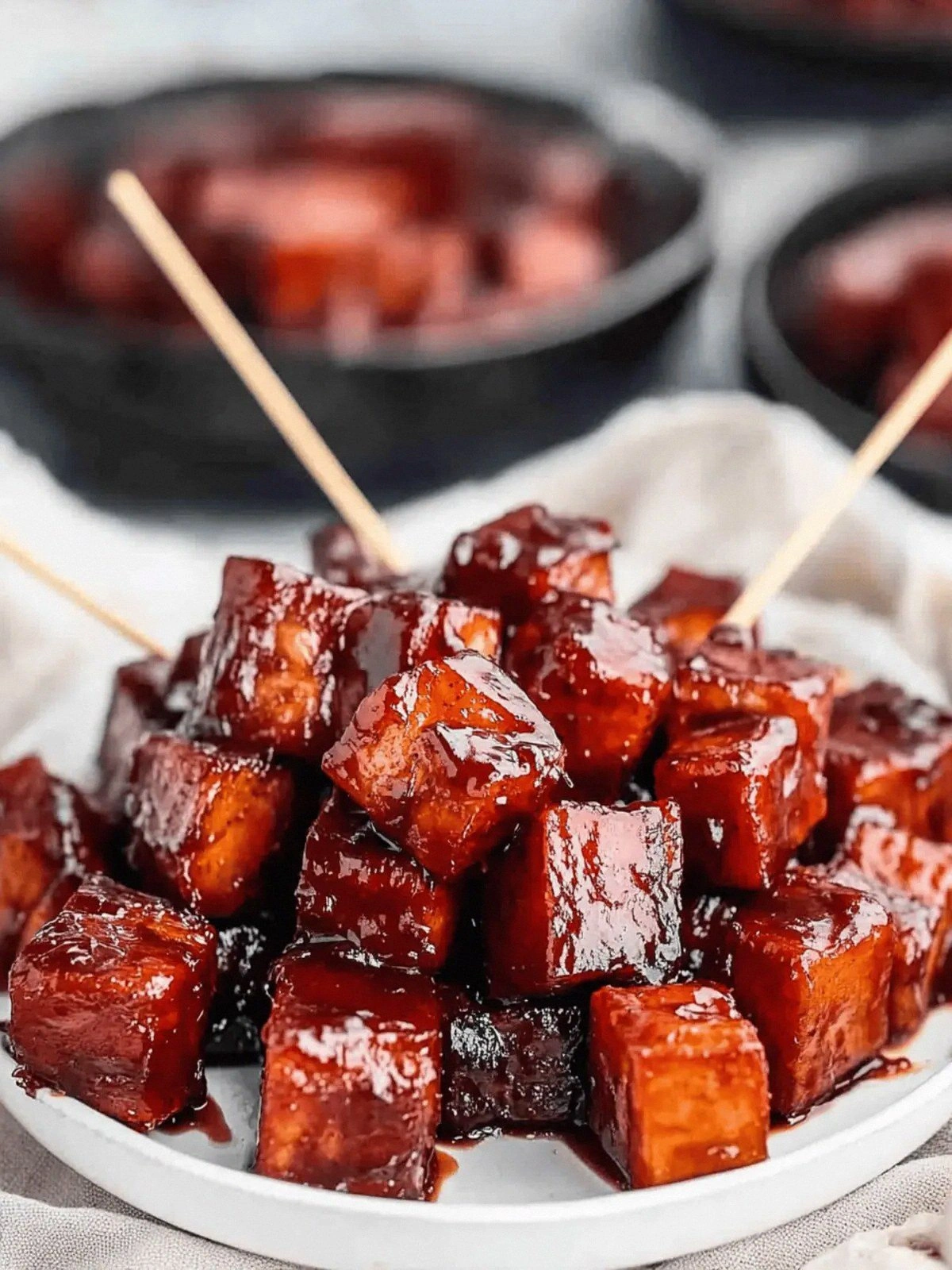
What makes this recipe a game‑changer is not just the use of Spam; it’s the way each element is coaxed into a harmonious duet. The sweet and smoky rub coats the meat like velvet, the BBQ sauce deepens the flavor profile, and honey and brown sugar bring a caramelized finish that sings. I’ve spent countless hours experimenting with ratios and techniques, and this version is hands down the best you’ll ever make at home. It’s a budget‑friendly comfort food that doesn’t compromise on indulgence.
I dare you to taste this and not go back for seconds. That sizzle when it hits the pan? Absolute perfection. Picture yourself pulling this out of the oven, the whole kitchen smelling incredible, and your friends already lining up for a plate. If you’ve ever struggled with this, you’re not alone—and I’ve got the fix. Stay with me here—this is worth it.
I’ve been in the kitchen for years, but nothing has felt as thrilling as turning a humble can of Spam into a dish that feels like a smoky, caramel‑kissed dessert. The idea that you can elevate a budget item into something that feels like a gourmet experience is pure magic. I’ve tested countless rubs, sauces, and cooking methods, and this one emerged victorious. The result? Crispy edges that crackle, a sweet, smoky glaze that sticks like a second skin, and a flavor that lingers long after the last bite.
Most recipes get this completely wrong. They either under‑season the Spam or over‑cook it, leading to dry, unappetizing pieces. Here’s what actually works: a balanced rub that adds depth, a glaze that caramelizes without burning, and a cooking method that locks in moisture. I’ll be honest—my first attempt was a disaster, but the second time I nailed it, and it became a staple in my weeknight menu.
Imagine the moment when the first bite melts your tongue, the smoky undertones dancing with the sweet glaze, and the subtle crunch of the edges. It’s a sensory experience that feels both nostalgic and entirely new. The combination of sweet and smoky is like a love story—unexpected, yet inevitable. This recipe is a playground for flavor, and I’m excited to share every detail.
Okay, ready for the game‑changer? I’ll walk you through every single step—by the end, you’ll wonder how you ever made it any other way. The journey starts with a simple preparation that sets the stage for a dish that’s as comforting as a hug and as exciting as a fireworks display. Let’s dive in.
What Makes This Version Stand Out
- Flavor: The sweet and smoky rub infuses the Spam with a depth that feels both familiar and adventurous. It’s a marriage of sweet, smoky, and savory that turns a simple protein into a star.
- Texture: The caramelized glaze creates a crisp outer shell that cracks with a satisfying snap, revealing a moist interior that practically melts in your mouth.
- Simplicity: Five ingredients, one pan, and a few minutes of attention are all you need. No fancy equipment or complicated steps.
- Uniqueness: The combination of BBQ sauce, honey, and brown sugar gives this dish an unexpected twist that sets it apart from typical Spam recipes.
- Crowd Reaction: Friends who’ve tried this rave about the smoky sweetness, and even skeptics are hooked after one bite.
- Ingredient Quality: Using Low Sodium Spam keeps the dish lighter without sacrificing flavor, and the rub’s natural ingredients add wholesome depth.
- Cooking Method: The pan‑searing technique locks in juices, while the oven finish ensures even caramelization.
- Make‑Ahead Potential: This dish can be prepped ahead of time, frozen, and reheated to perfection, making it ideal for busy schedules.
Alright, let’s break down exactly what goes into this masterpiece…
Inside the Ingredient List
The Flavor Base
The Low Sodium Spam is the star of this dish. It provides a savory foundation that balances the sweetness of the glaze. Choosing a low‑sodium version keeps the dish from becoming too salty, allowing the rub and glaze to shine. If you prefer a richer flavor, you can use regular Spam, but be prepared to adjust the salt in the rub accordingly.
When selecting Spam, look for the “low sodium” label. This ensures that the meat isn’t overly salty, which could overwhelm the sweet and smoky rub. The texture of Spam is consistent, so you can rely on it to hold up during searing and oven roasting. A good rule of thumb: keep the cans cold until you’re ready to cook to maintain firmness.
Some people swap Spam for other processed meats like hot dogs or breakfast sausages, but those will alter the flavor profile significantly. If you’re adventurous, try using a smoked turkey loaf for a similar texture but a different taste. However, for authenticity, stick with Spam.
Everything’s prepped? Good. Let’s get into the real action…
The Texture Crew
The sweet and smoky rub is the secret weapon that transforms the Spam’s surface. It’s a blend of brown sugar, smoked paprika, garlic powder, and a hint of cayenne. The sugar caramelizes, creating a glossy crust, while the spices add depth.
When you coat the Spam with the rub, make sure each piece is evenly covered. This ensures uniform flavor and prevents any one section from becoming overly sweet or dry. If you prefer a milder spice level, reduce the cayenne or omit it entirely.
For a homemade version, mix the rub ingredients in a small bowl and sprinkle generously. If you’re short on time, you can purchase pre‑made smoked rubs from the grocery store, but homemade gives you control over sweetness and heat.
Watch out: if you add too much liquid at this stage, the Spam can become soggy. Keep the rub dry to allow the sugars to caramelize properly during searing.
The Unexpected Star
The BBQ sauce is the backbone of the glaze. A rich, tangy sauce that brings smokiness and sweetness. I use a high‑quality, slightly spicy BBQ sauce that balances well with the honey and brown sugar. The sauce’s thickness allows it to cling to the Spam, creating a caramelized coating.
If you can’t find a good BBQ sauce, try mixing equal parts tomato ketchup, molasses, and Worcestershire sauce. Add a dash of smoked paprika for that signature smoky flavor. This homemade version works great if you want to control the sugar content.
The sauce’s acidity helps break down the protein, making the Spam more tender. It also reacts with the sugars to form a glossy finish during baking. The result is a glaze that’s sticky, sweet, and slightly smoky.
When you’re adding the sauce, keep the heat moderate. A high temperature can burn the sugars, leaving a bitter taste. Aim for a gentle simmer to allow the flavors to meld.
The Final Flourish
Honey and brown sugar are the sweet finishers that give this dish its signature caramelized sheen. Honey adds a floral sweetness and a glossy finish, while brown sugar brings depth and a hint of molasses. Together, they create a glaze that’s both sweet and slightly sticky, perfect for coating the Spam.
Use raw honey for a stronger flavor, or light honey for a milder touch. The choice depends on your preference for sweetness versus complexity. Brown sugar can be light or dark; dark adds a deeper, richer taste that complements the smoky rub.
When you mix the honey and brown sugar with the BBQ sauce, stir until the sugars dissolve. This ensures a smooth glaze that doesn’t clump or separate during baking.
Fun Fact: Honey has been used as a natural preservative for centuries, and its antibacterial properties help keep the glaze from spoiling quickly. It’s a sweet little secret that adds both flavor and shelf life.
Mid‑Article Image
The Method — Step by Step
- Preheat your oven to 400°F (200°C). While the oven warms, slice each can of Spam into 1-inch thick pieces. The thickness ensures the interior stays moist while the exterior crisps. Lay the slices on a parchment‑lined sheet and set aside.
- Heat a large cast‑iron skillet over medium‑high heat. Add a splash of oil, just enough to coat the bottom. When the oil shimmers, it’s ready for the Spam.
- Coat each Spam slice with the sweet and smoky rub, pressing gently to ensure even coverage. The sugar will start to caramelize almost immediately. Watch the edges; they should begin to brown in about 2 minutes.
- Place the sliced Spam in the skillet, leaving space between each piece. Let them sear without moving for 3–4 minutes on each side. This creates a golden crust that locks in juices.
- While the Spam is searing, combine the BBQ sauce, honey, and brown sugar in a small saucepan. Warm over low heat, stirring until the sugars dissolve. The glaze should be smooth and pourable.
- When the Spam has a nice sear, transfer the skillet to the preheated oven. Bake for 10 minutes to finish cooking and allow the glaze to set.
- Remove the skillet from the oven and brush each slice generously with the glaze. The glaze should coat the surface like a glossy sheen, ready to caramelize further.
- Return the skillet to the oven for an additional 5 minutes, or until the glaze is sticky and slightly blistered. Keep an eye on it; the sugars can burn quickly if left unattended.
- Take the skillet off the heat and let the Spam cool for a couple of minutes. The glaze will thicken slightly as it rests.
- Serve immediately with your favorite sides—think roasted veggies, coleslaw, or a simple green salad. The smoky, sweet glaze pairs beautifully with fresh, crisp accompaniments.
That’s it—you did it. But hold on, I’ve got a few more tricks that will take this to another level. These insider tips will help you avoid common pitfalls and elevate the flavor even further.
Insider Tricks for Flawless Results
The Temperature Rule Nobody Follows
Many people think you can just pop the Spam in any pan, but temperature control is crucial. The ideal searing temperature is around 375°F (190°C). If the heat is too low, the Spam will steam instead of sear, resulting in a soggy texture.
Use a thermometer to check the skillet’s temperature before adding the Spam. Once the oil shimmers, you’re ready. If you don’t have a thermometer, look for a small amount of oil to dance in the pan before adding the meat.
When the skillet is too hot, the sugars in the rub burn quickly, leaving a bitter taste. Keep the heat moderate and let the sugars caramelize slowly for a richer flavor.
My friend once tried searing at a high heat and ended up with a burnt, bitter glaze. He learned the hard way that patience and proper heat are key.
Why Your Nose Knows Best
Smell is the ultimate flavor indicator. When the glaze starts to caramelize, the aroma will shift from sweet to a deep, almost smoky scent.
If you notice a slight burnt smell, the glaze is too hot. Remove the skillet from the heat immediately. The aroma should be sweet, smoky, and slightly tangy.
Use your nose to gauge doneness rather than relying solely on time. The scent of caramelized sugar is a reliable indicator that the glaze is ready.
The 5‑Minute Rest That Changes Everything
After baking, let the Spam rest for five minutes. This allows the glaze to set and the juices to redistribute, preventing the meat from drying out.
During the rest, the glaze thickens slightly, giving it a perfect glossy finish. It also makes slicing easier, as the glaze adheres better to the meat.
Skipping this step can result in a greasy, uneven glaze. The rest period is a small but critical step that ensures a flawless final product.
Use a Cast‑Iron Skillet for Even Heat
Cast‑iron retains heat better than stainless steel, creating an even sear across all slices. It also adds a subtle depth of flavor that other pans can’t match.
If you don’t have cast iron, a heavy‑bottomed skillet will work. Just be mindful of heat distribution.
When using cast iron, preheat it for a few minutes before adding oil to avoid sticking.
Brush, Don’t Pour
When applying the glaze, brush it on rather than pouring. This allows for even coverage and prevents excess glaze from pooling.
A brush also helps you see the glaze’s consistency. It should be thin enough to coat but thick enough to cling.
My first batch involved pouring the glaze, which resulted in a sticky mess. Switching to a brush made all the difference.
Keep the Oven at 400°F
Oven temperature consistency is key. A fluctuating oven can cause uneven caramelization.
Use an oven thermometer to confirm the actual temperature. If your oven runs hot, lower the setting by 25°F.
Consistent heat ensures the glaze sets properly and the Spam remains juicy.
Creative Twists and Variations
This recipe is a playground. Here are some of my favorite ways to switch things up:
Chipotle Heat Boost
Add a teaspoon of chipotle powder to the rub for a smoky heat that pairs well with the sweet glaze. The chipotle’s earthy undertones deepen the overall flavor profile.
Maple‑Infused Glaze
Swap the honey for pure maple syrup to give the glaze a richer, woodsy sweetness. The maple’s caramel notes complement the smoky rub beautifully.
Herb‑Rich Variation
Incorporate fresh thyme or rosemary into the rub for an herbal twist. The herbs add a fragrant, savory layer that balances the sweetness.
Spicy Sriracha Glaze
Mix in a tablespoon of sriracha to the glaze for a spicy kick. The heat contrasts with the smoky sweetness, creating a bold flavor.
Cheesy Finale
Top the finished Spam with shredded cheddar or pepper jack, then broil for 2 minutes until melted. The cheese adds a creamy, melty layer that’s irresistible.
Asian Fusion
Replace the BBQ sauce with a mixture of soy sauce, hoisin, and a splash of rice vinegar. This gives the dish an umami, sweet, and slightly tangy Asian vibe.
Low‑Calorie Switch
Use a sugar‑free BBQ sauce and a drizzle of stevia‑sweetened honey alternative. This keeps the dish flavorful while cutting calories.
Storing and Bringing It Back to Life
Fridge Storage
Store leftovers in an airtight container in the refrigerator for up to 3 days. The glaze will stay tacky but not dry out. Reheat gently to preserve texture.
Freezer Friendly
Wrap each slice individually in parchment paper, then place in a freezer bag. Freeze for up to 2 months. Thaw overnight in the fridge before reheating.
Best Reheating Method
Reheat in a skillet over medium heat, brushing with a splash of water to keep the glaze moist. Heat until warmed through, about 3–5 minutes. A tiny splash of water steams the glaze back to perfection.