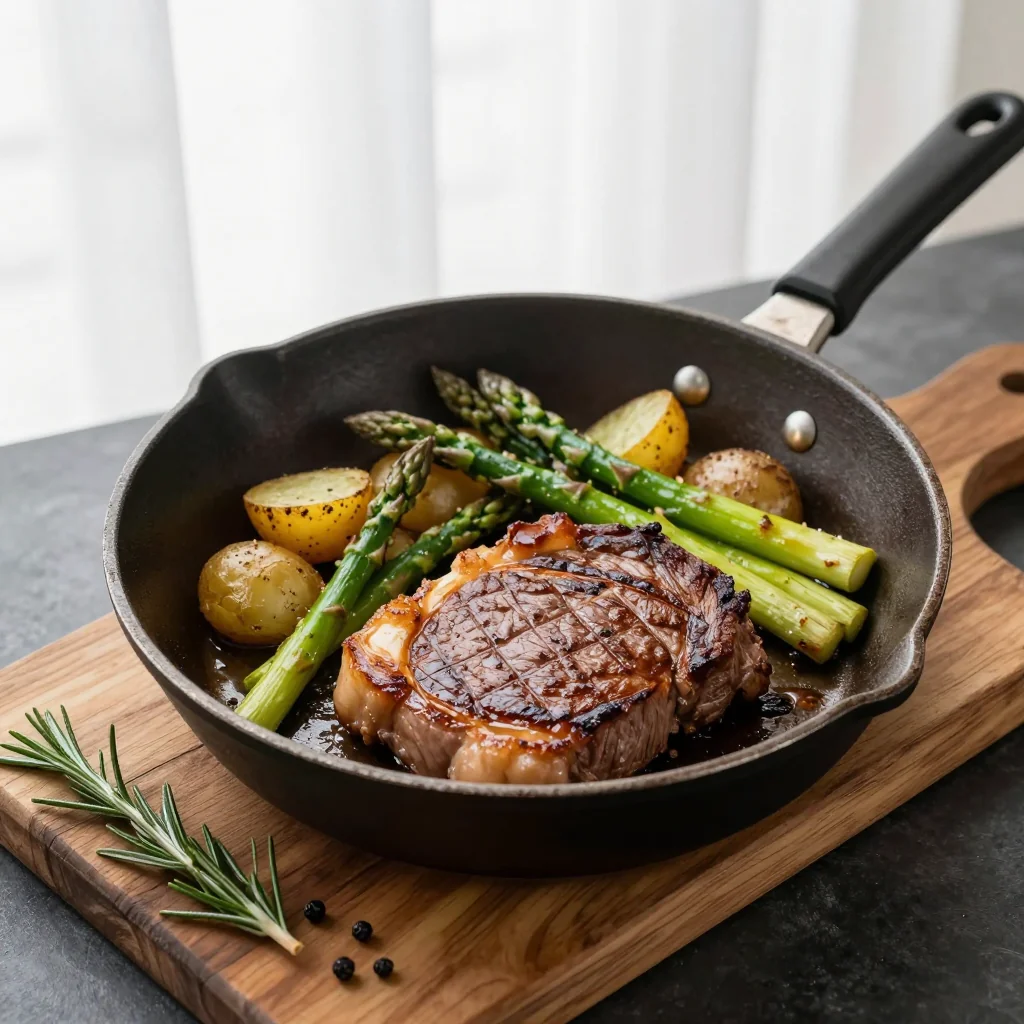
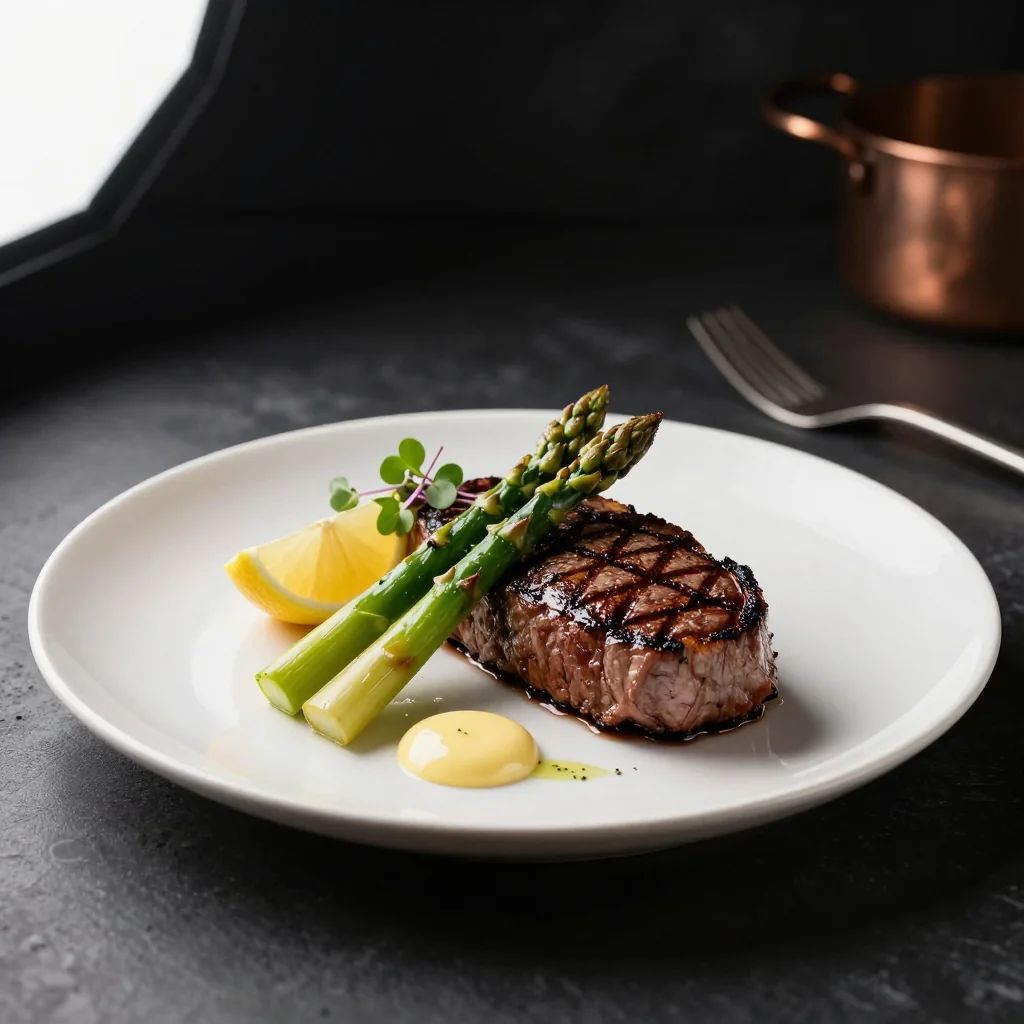
When I first tasted a perfectly seared ribeye paired with bright, buttery asparagus, I was instantly transported back to a summer evening on a rustic French terrace. The sizzle of the steak hitting the hot pan, the fragrant aroma of garlic and thyme, and the crisp snap of fresh spears created a memory that has lingered in my kitchen ever since. That moment sparked my obsession with skillet‑cooked beef dishes, and I’ve refined the technique over countless experiments.
This dish draws inspiration from classic French bistro fare, where simplicity meets elegance. The combination of tender beef, caramelized potatoes, and vibrant asparagus embodies the essence of comfort food while retaining a refined, restaurant‑quality presentation. It’s a celebration of seasonal vegetables and high‑quality meat, designed to impress without demanding hours of preparation.
In this guide, you’ll learn how to achieve a flawless sear, how to balance flavors with a touch of citrus, and how to orchestrate the timing so everything arrives at the table hot and harmonious. Whether you’re cooking for a family dinner or a special gathering, this recipe equips you with the confidence to deliver a dish that looks as impressive as it tastes.
So grab your skillet, preheat that pan, and let’s embark on a culinary adventure that will become a staple in your repertoire.
🌟 Why This Recipe Will Capture Your Heart
From the first bite to the lingering aftertaste, this skillet dish offers a symphony of textures and flavors that keep you coming back for more.
- ✨ Balanced Nutrition: Lean protein from the steak, fiber‑rich asparagus, and complex carbs from potatoes provide a well‑rounded meal that fuels body and mind.
- ✨ One‑Pan Efficiency: All components cook together, reducing cleanup and preserving the depth of flavor that develops from shared pan juices.
- ✨ Versatile Presentation: Serve it straight from the skillet for a rustic feel, or plate it elegantly for a dinner‑party centerpiece.
- ✨ Seasonal Flexibility: Asparagus is at its peak in spring, but you can swap it for green beans or broccoli year‑round without compromising taste.
- ✨ Flavor Layering: The citrus‑bright lemon juice lifts the richness of the beef, while thyme adds an earthy aroma that ties the dish together.
- ✨ Crowd‑Pleaser: The familiar yet elevated profile satisfies both meat‑loving carnivores and vegetable‑enthusiasts alike.
🥗 The Ingredients
📝 Complete Ingredient List
For the Steak:
For the Vegetables:
For the Finish:
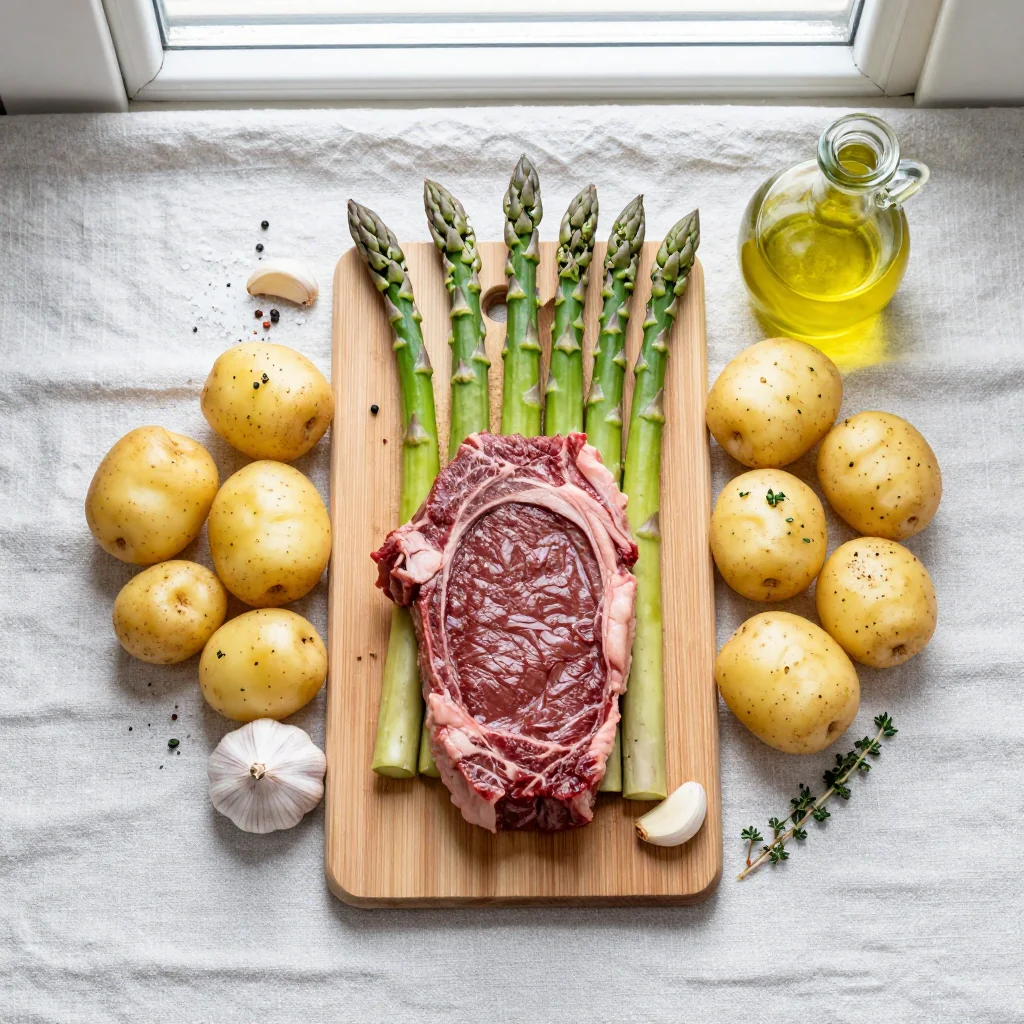
🔍 Focus on Key Ingredients
Ribeye Steak
The ribeye’s marbling provides natural juices that keep the meat succulent even after a high‑heat sear. Look for a steak with a bright, ruby‑red interior and a creamy white fat streak. If you can, let the steak rest at room temperature for 30 minutes before cooking; this ensures even cooking and a better crust.
Asparagus
Asparagus brings a fresh, slightly grassy note that cuts through the richness of the beef. Choose spears that are firm, with tightly closed tips. Trim the woody ends—about 1‑2 cm—from the base; they’re tough and can ruin the texture.
Baby Potatoes
Baby potatoes hold their shape during roasting and develop a caramelized exterior that adds a subtle sweetness. Their small size means they cook quickly, matching the steak’s timeline. For a crispier finish, toss them in a little olive oil and sea salt before they hit the pan.
🔄 Quick Substitutions
| If you don’t have... | Use instead... |
|---|---|
| Ribeye steak | Sirloin or strip steak (slightly less marbled) |
| Asparagus | Green beans or broccolini |
| Butter | Olive oil or ghee for a dairy‑free version |
👨🍳 Step‑by‑Step Instructions
Follow these detailed steps to create a restaurant‑grade skillet dinner that looks as impressive as it tastes.
📋 Phase 1: Preparation & Mise en Place
Getting everything ready before the heat hits the pan ensures a smooth cooking flow.
Pat the steaks dry
Using paper towels, thoroughly blot each ribeye on both sides. Removing excess moisture is crucial for achieving a deep, caramelized crust. Once dry, season both sides generously with sea salt and freshly cracked black pepper. The salt will begin to draw out a thin layer of moisture, which later evaporates, intensifying the flavor.
Trim and halve the potatoes
Rinse the baby potatoes under cold water, then slice each in half lengthwise. This increases the surface area, promoting even browning. Toss the halves with 1 tbsp olive oil, a pinch of salt, and a dash of pepper. Set aside in a bowl.
Prepare the asparagus
Snap off the woody ends by gently bending each spear; it will break at the natural joint. Rinse the spears, pat dry, and keep them whole for a striking presentation. Drizzle lightly with a teaspoon of olive oil and sprinkle with a pinch of salt.
🔥 Phase 2: Searing, Roasting & Assembly
Now the heat works its magic, creating layers of flavor.
Heat the skillet and sear the steaks
Place a heavy‑bottomed cast‑iron skillet over medium‑high heat. Add 2 tbsp olive oil and swirl to coat. When the oil shimmers (about 60 °C), lay the steaks in the pan without crowding them. Sear each side for 3‑4 minutes, resisting the urge to move them; this forms a golden‑brown crust.
Remove steaks and set aside
Transfer the seared steaks to a plate, tent with foil, and let rest. Resting allows the juices to redistribute, keeping the meat moist when sliced later.
Roast potatoes in the same skillet
Reduce heat to medium. Add the seasoned potato halves, cut side down, arranging them in a single layer. Let them cook undisturbed for 5 minutes to develop a caramelized underside. Flip and continue roasting for another 5 minutes.
Sauté garlic and asparagus
Push the potatoes to the edges of the pan. Add the minced garlic and let it bloom for 30 seconds, being careful not to burn. Then add the asparagus spears, arranging them alongside the potatoes. Cook for 4‑5 minutes, turning occasionally, until they turn bright green and are just tender.
✨ Phase 3: Finishing Touches & Plating
The final moments bring everything together.
Deglaze and add butter
Increase heat to medium‑high. Add lemon juice, letting it sizzle and lift the browned bits (fond) from the pan. Immediately stir in the butter, allowing it to melt and create a glossy sauce that coats the vegetables.
Slice the steak and combine
Slice each rested steak against the grain into ½‑inch strips. Return the steak slices to the skillet, tossing gently with the vegetables and butter sauce. Sprinkle fresh thyme leaves and, if desired, a pinch of red pepper flakes for a subtle heat.
Serve immediately
Transfer the skillet contents to a warm serving plate or present directly in the skillet for a rustic look. Pair with a crisp white wine or a light red, and enjoy while the aromas are at their peak.
💡 Expert Tips & Tricks
🛒 Choosing the Best Ingredients
When shopping for ribeye, look for a bright red color with a fine white marbling pattern; the fat should be evenly distributed. For asparagus, opt for spears with closed tips and a firm, smooth stalk. Baby potatoes should be uniform in size, free of sprouts or green spots, indicating they haven’t turned bitter. Fresh thyme should have aromatic leaves, not dried or wilted, to impart a true herbal note.
🔪 Preparation Techniques
Patting the steak dry is essential; moisture creates steam, preventing a proper sear. Use a sharp chef’s knife to halve potatoes cleanly; a jagged cut can cause uneven cooking. When trimming asparagus, snap the ends rather than cutting; the natural break point ensures you remove only the tough part.
🌡️ Mastering the Cooking Process
Preheat the skillet until a drop of water dances across the surface before adding oil. This ensures the oil reaches the ideal temperature quickly, reducing the risk of the steak sticking. Use a meat thermometer if you prefer precise doneness: 55 °C for medium‑rare, 60 °C for medium.
🍽️ Presentation & Service
For a polished plate, arrange the sliced steak fanned out, then nest the potatoes and asparagus around it. Drizzle any remaining pan sauce over the top, and garnish with a final sprinkle of thyme and a lemon zest twist for visual pop. Serve on a warm plate to keep the dish at optimal temperature.
🏆 Pro Tips
Elevate your skillet game from home‑cooked comfort to restaurant‑level finesse with these professional insights.
- 🎯 Temperature Layering: Start with a hot pan for the steak to create Maillard reaction, then lower the heat for vegetables. This prevents overcooking the delicate asparagus while allowing potatoes to caramelize.
- 🎯 Resting the Meat: Resting for at least 5 minutes after searing lets the muscle fibers relax, locking in juices. Cutting too early releases moisture, resulting in a dry steak.
- 🎯 Butter Basting: Adding butter at the end creates an emulsified sauce that clings to the meat and veg. The butter’s milk solids also contribute a nutty depth.
- 🎯 Acid Balance: A splash of lemon juice brightens the rich flavors and cuts through the fat, preventing the dish from feeling heavy.
- 🎯 Uniform Cutting: Cutting potatoes into similar sizes ensures they finish cooking at the same time as the steak, maintaining textural harmony.
- 🎯 Pan Choice: Cast‑iron retains heat exceptionally well, providing consistent temperature for searing and roasting. If you lack cast‑iron, a heavy stainless steel skillet works as a substitute.
“The secret to a perfect skillet steak is simple: sear it hot, rest it long, and finish with a bright note of acidity.” — Chef Thomas Keller
🔄 Variations & Adaptations
This recipe’s flexibility invites creativity. Below are several ways to tailor it to dietary preferences, flavor cravings, and seasonal produce.
🥬 Vegetarian / Vegan Version
Replace the ribeye with marinated portobello mushroom caps or firm tofu slices. Marinate the mushrooms in soy sauce, smoked paprika, and a touch of maple syrup for umami depth. Follow the same skillet technique, adding an extra minute to ensure a crisp exterior.
- Substitution 1: 4 large portobello caps (≈ 200 g each) – brushed with olive oil and seasoning.
- Substitution 2: 400 g firm tofu, pressed and cubed – tossed in a mixture of soy sauce, garlic, and thyme.
🌶️ Flavor Variations
Adjust the flavor profile to match global cuisines or personal taste preferences.
Spicy Mexican Twist
Add 1 tsp smoked paprika, ½ tsp cumin, and a pinch of chipotle powder to the steak seasoning. Finish with a squeeze of lime and garnish with chopped cilantro.
Mediterranean Flair
Incorporate ¼ cup chopped sun‑dried tomatoes and 2 tbsp kalamata olives during the vegetable stage. Sprinkle crumbled feta on top before serving.
Asian‑Inspired Version
Replace lemon juice with 1 tbsp soy sauce and 1 tsp sesame oil. Add 1 tbsp grated ginger with the garlic, and finish with a drizzle of toasted sesame seeds and sliced scallions.
⚠️ Dietary Adaptations
Gluten‑Free
All ingredients are naturally gluten‑free. Ensure any added sauces or seasonings are certified gluten‑free.
Lactose‑Free
Swap butter for a dairy‑free alternative such as plant‑based margarine or extra olive oil.
Low‑Calorie
Reduce olive oil to 1 tbsp, use a lean cut like sirloin, and increase the proportion of asparagus while decreasing potatoes. This cuts calories while preserving volume.
👶 Family / Kids Version
Kids often prefer milder flavors. Omit the red pepper flakes and reduce the lemon juice to a drizzle. Cut the steak into bite‑size cubes and serve with a simple ketchup or yogurt dip on the side. Ensure potatoes are cut into smaller, bite‑sized pieces for easy chewing.
📦 Storage & Reheating
🧊 Conservation
In the Refrigerator:
- Duration: 3 days
- Recommended container: Airtight glass or BPA‑free plastic
- Tip: Store the steak slices separately from the vegetables to maintain texture.
In the Freezer:
- Duration: 2 months
- Method: Cool completely, portion into freezer‑safe bags, remove excess air.
- Defrosting: Transfer to fridge overnight; reheat using recommended methods.
💡 For best flavor, reheat within 48 hours; prolonged storage may diminish the bright lemon notes.
♨️ Reheating
🔥 In the Oven (Recommended)
- Preheat to 180 °C (350 °F).
- Cover the skillet or baking dish with aluminum foil.
- Reheat for 12‑15 minutes.
- Remove foil and continue for 3‑5 minutes to re‑crisp the potatoes.
⚡ In the Microwave (Quick)
- Place portions in a microwave‑safe dish, cover with a microwave‑safe lid.
- Heat on medium power for 2 minutes, stir, then heat another 1‑2 minutes.
- Check for even heating; add a splash of water if it looks dry.
🍳 On the Stovetop
Heat a non‑stick skillet over medium heat, add a teaspoon of oil, and warm the leftovers for 4‑5 minutes, stirring gently to prevent sticking.
🍷 Perfect Pairings
🥗 Side Dishes
- Garlic‑Lemon Green Salad: A simple mix of arugula, baby spinach, and a lemon‑olive oil vinaigrette adds freshness.
- Roasted Beet & Goat Cheese Salad: Earthy beets with creamy goat cheese complement the steak’s richness.
- Herb‑Infused Quinoa: Light, fluffy quinoa tossed with parsley and a hint of lemon provides a gluten‑free grain side.
🍷 Wine & Beverage Pairings
- Red Wine – Pinot Noir: Its bright acidity and subtle fruit notes echo the lemon and thyme.
- White Wine – Sauvignon Blanc: Crisp, citrus‑forward profile balances the buttery finish.
- Non‑Alcoholic – Sparkling Water with Lime: Refreshing and palate‑cleansing.
🍰 Completing the Meal
Start with a light appetizer such as a classic French onion soup or a chilled cucumber gazpacho. For dessert, consider a lemon‑tart or a caramel‑flavored panna cotta, both of which echo the citrus and buttery notes of the main dish while offering a sweet conclusion.
❓ Frequently Asked Questions
Q: Can I use a different cut of beef?
A: Absolutely. While ribeye provides optimal marbling, a sirloin or strip steak works well. Just be aware that leaner cuts may require a slightly shorter sear to avoid drying out. Adjust cooking time accordingly and consider adding a thin layer of butter at the end for extra richness.
Q: How do I know when the steak is perfectly cooked?
A: Use a digital instant‑read thermometer. For medium‑rare aim for 55 °C (130 °F), medium 60 °C (140 °F), and medium‑well 65 °C (150 °F). Alternatively, the “finger test”—pressing the steak gently—can gauge firmness: softer feels like the flesh under your thumb when your hand is relaxed, firmer as you tighten the thumb and middle finger.
Q: My potatoes aren’t crisping up—what’s wrong?
A: Ensure the pan is hot before adding the potatoes and avoid crowding the pan, which traps steam. Also, make sure the potatoes are dry after washing; excess moisture hinders caramelization. If needed, increase the heat slightly and give them a few more minutes undisturbed.
Q: Can I prepare this recipe ahead of time?
A: Yes. You can season and rest the steaks, pre‑cut the potatoes and asparagus, and store them separately in the refrigerator. Assemble and cook the skillet when you’re ready to serve. This “mise en place” approach shortens active cooking time.
Q: I don’t have a cast‑iron skillet—what can I use?
A: A heavy‑bottomed stainless steel or carbon steel skillet will work. The key is to retain heat evenly. Avoid thin non‑stick pans, as they can’t achieve the high temperatures needed for a proper sear.
Q: How can I make this dish lower in sodium?
A: Reduce the added sea salt, use low‑sodium soy sauce if you incorporate an Asian variation, and rely on fresh herbs and citrus for flavor. You can also rinse the potatoes briefly after cutting to remove surface starch that sometimes carries extra salt.
🎉 To Your Kitchen Adventures!
This skillet‑cooked steak with asparagus and potatoes embodies the perfect balance of simplicity and sophistication. By mastering the sear, respecting the timing of each component, and finishing with a bright lemon‑butter glaze, you’ll create a dish that feels both homey and restaurant‑worthy. Remember, the secret lies in quality ingredients, a hot pan, and a little patience during the resting phase.
Now that you have the full roadmap, it’s time to fire up that skillet, let the aromas fill your kitchen, and share the experience with friends or family. Don’t forget to snap a photo of your masterpiece and let us know how it turned out!
Have you tried this recipe?
Leave a comment and rating below! Share your photos on Instagram with #SkilletSteakMagic to be featured.
Steak with Asparagus and Potatoes Skillet
A sizzling skillet dish that blends juicy ribeye, crisp asparagus, and golden potatoes for an unforgettable dinner.
📝 Ingredients
Steak
Vegetables
Finish
👨🍳 Instructions
- 1 Pat the steaks dry, season with salt and pepper, and let rest for 10 minutes.
- 2 Halve the potatoes, toss with oil, salt, and pepper; trim asparagus and drizzle with oil.
- 3 Heat a cast‑iron skillet over medium‑high, add oil, and sear steaks 3‑4 minutes per side.
- 4 Remove steaks, set aside, and keep warm.
- 5 Add potatoes cut‑side down, cook 5 minutes, then flip and cook another 5 minutes.
- 6 Add garlic, then asparagus; sauté until asparagus is bright green and tender.
- 7 Deglaze with lemon juice, stir in butter, and coat vegetables.
- 8 Slice rested steak, return to pan, toss gently with vegetables and herbs.
- 9 Sprinkle thyme and optional red pepper flakes, then serve immediately.
- 10 Enjoy with your favorite side and beverage.
🥗 Nutritional Information (per serving)
*Values are estimates based on standard ingredient data.
📚 You Might Also Like
Garlic Butter Steak
Lemon Herb Chicken
Roasted Vegetable Quinoa





💬 Comments & Reviews
Leave a Comment
Comments will appear here once readers share their thoughts.