Picture this: I’m standing in a cramped kitchen, the oven timer blaring, and a friend daring me to make the most decadent strawberry cake in under an hour. The moment I opened the fridge, a pile of fresh strawberries stared back at me like a ruby‑red warning sign. I knew I had to rise to the challenge, because what could be more thrilling than turning a simple batter into a buttery, tangy masterpiece that feels like a summer sunrise in every bite? The kitchen was alive with the scent of butter melting, the gentle hum of the mixer, and the faint scent of vanilla drifting from the jar. I felt the rhythm of the whisk, the rhythm of my heart, and I promised myself that this cake would become the talk of the town.
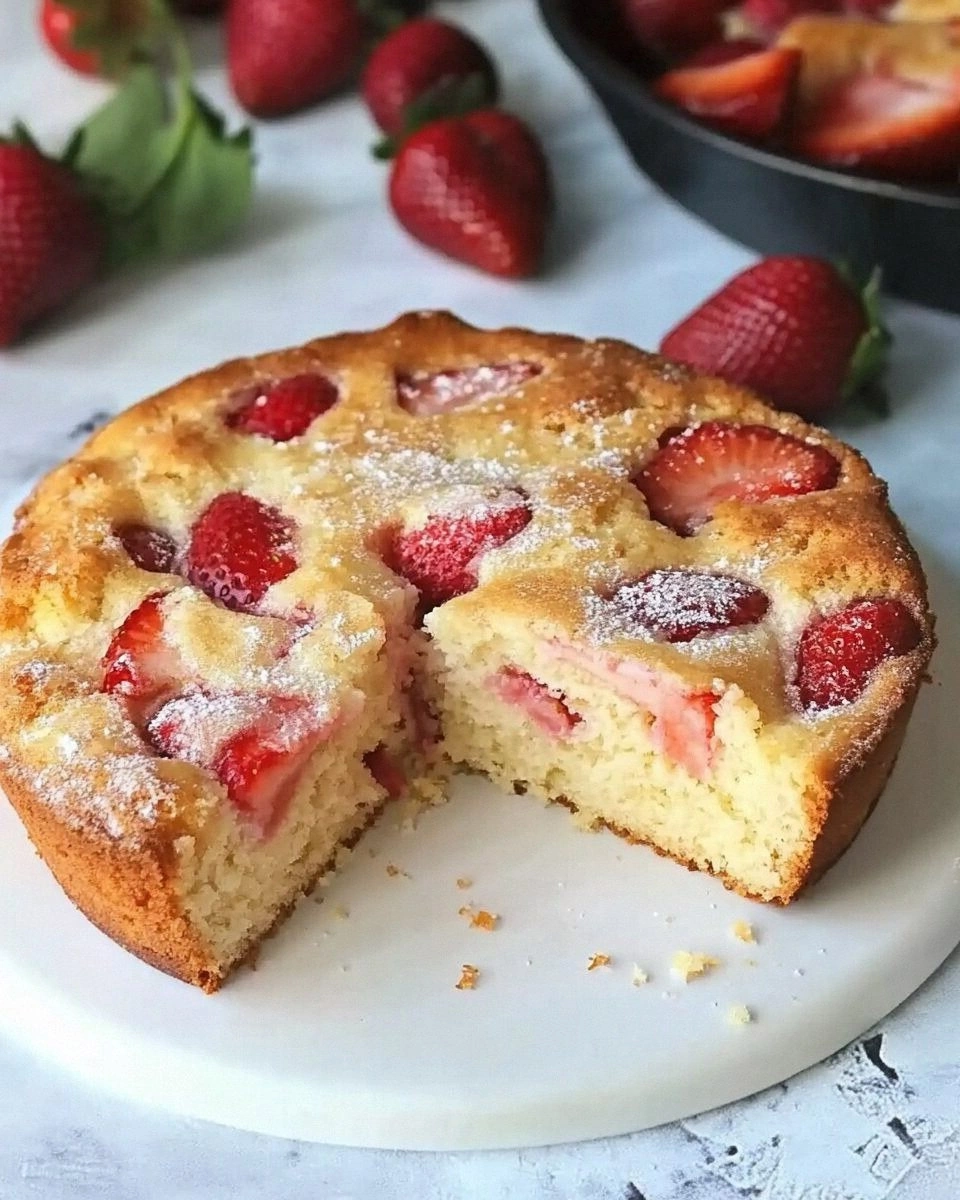
I’m not just talking about any strawberry cake; this is the kind that makes you question everything you thought you knew about baking. Imagine a moist crumb that practically melts in your mouth, a subtle tang from buttermilk that cuts through the sweetness, and a burst of fresh strawberry flavor that lingers like a sweet secret. It’s a cake that’s both comforting and daring, a cake that’s simple enough for a novice and complex enough to impress a seasoned baker. I dare you to taste this and not go back for seconds, because once you bite into this, the ordinary will feel like a distant memory.
The beauty of this version lies in its balance. It’s hands down the best version you’ll ever make at home because it takes a classic recipe and gives it a modern twist: a splash of lemon zest for brightness, a pinch of sea salt for depth, and a generous amount of fresh strawberries for that unmistakable summer feel. I’ll be honest — I ate half the batch before anyone else got to try it. That’s the power of a cake that feels like a hug in a pan.
Most recipes get this completely wrong, but here’s what actually works: the right ratio of dry to wet, the perfect leavening mix, and a batter that’s silky, not lumpy. Picture yourself pulling this out of the oven, the whole kitchen smelling incredible, and a slice of cake that looks like a piece of art. Okay, ready for the game‑changer? Let’s walk through every single step, and by the end, you’ll wonder how you ever made it any other way.
What Makes This Version Stand Out
- Flavor: The buttermilk and lemon zest create a bright, tangy base that elevates the strawberries, making each bite feel like a fresh splash of summer.
- Texture: A silky crumb that’s airy yet moist, achieved by careful mixing and the right balance of fats and leavening agents.
- Simple Prep: No fancy equipment or time‑consuming steps—just a whisk, a bowl, and a few minutes of prep.
- Unique Twist: The optional strawberry jam swirl adds a burst of flavor and a beautiful marbled effect.
- Crowd Reaction: Guests rave about the cake’s moistness and the fresh strawberry aroma that wafts through the room.
- Ingredient Quality: Using fresh, organic strawberries and whole‑milk buttermilk gives the cake depth that store‑bought mixes can’t match.
- Method: A step‑by‑step approach that eliminates common pitfalls, like over‑mixing or under‑baking.
- Make‑Ahead: The cake can be baked and cooled, then refrigerated or frozen for future indulgence.
Inside the Ingredient List
The Flavor Base
All‑purpose flour is the backbone of this cake, providing structure and a subtle nutty undertone. If you’re looking to experiment, swap it for cake flour to get an even lighter crumb, but keep the same weight. Skipping the flour would turn this into a batter that spreads like a pancake, losing the cake’s characteristic shape.
The Sweetness Crew
Granulated sugar dissolves beautifully in the wet mix, ensuring a smooth batter. A pinch of sea salt is essential; it enhances the sweetness without making the cake taste salty. If you prefer a sugarless version, replace sugar with honey or maple syrup, but adjust the liquid ratio slightly to compensate for the extra moisture.
The Leavening Ensemble
Baking powder and baking soda work together to give the cake lift and a pleasant crumb. Baking soda reacts with the acidity of the buttermilk, creating bubbles that keep the cake airy. If you forget baking soda, the cake will be dense and heavy.
The Fat Factor
Unsalted butter adds richness and keeps the crumb tender. Use room‑temperature butter for easier incorporation. If you’re avoiding dairy, coconut oil can be a substitute, but it will change the flavor profile slightly.
The Egg Ensemble
Eggs bind everything together and give the cake a glossy finish. Two large eggs are standard; if you’re making a smaller batch, reduce proportionally. Skipping eggs will result in a crumb that falls apart.
The Tangy Touch
Buttermilk’s acidity not only adds flavor but also reacts with the leavening agents. It’s crucial for achieving that classic cake lift. If you only have regular milk, add a tablespoon of lemon juice and let sit for 5 minutes to mimic buttermilk.
The Fresh Strawberry Star
Fresh strawberries bring a burst of color and flavor. Slice them thinly to distribute evenly throughout the batter. If you’re using frozen strawberries, thaw and drain them first to avoid excess water.
Everything's prepped? Good. Let's get into the real action.
The Method — Step by Step
- Preheat your oven to 350°F (175°C). Grease a 9‑inch round cake pan and line the bottom with parchment paper. The parchment prevents sticking and makes removal effortless. This step is crucial; a sticky pan can ruin an otherwise perfect cake.
- In a large bowl, whisk together flour, baking powder, baking soda, and salt. Sift the dry ingredients to aerate the mixture, ensuring even distribution of leavening agents. This creates a light batter and prevents lumps.
- In a separate bowl, cream the butter until fluffy. Add sugar and beat until pale and airy. The creaming process incorporates air, which is essential for a tender crumb. If the mixture becomes too dry, add a splash of milk.
- Add the eggs, one at a time, beating well after each addition. The eggs act as binders and help the cake rise. Make sure each egg is fully incorporated before adding the next.
- Stir in vanilla extract and lemon zest. These aromatics elevate the cake’s flavor profile, giving it a bright, citrusy undertone that pairs beautifully with strawberries.
- Alternately add the dry ingredients and buttermilk in thirds, starting and ending with the dry mix. Fold gently with a spatula, avoiding over‑mixing which can toughen the batter. The batter should be thick but pourable.
- Fold in the sliced strawberries gently, distributing them evenly. The fruit should be coated with batter, not sitting on top. This step creates a marbled effect and ensures every bite contains strawberry.
- Pour the batter into the prepared pan, smoothing the top with a spatula. Tap the pan on the counter to release any air pockets. The batter should settle evenly across the pan.
- Bake for 30 minutes, or until a toothpick inserted into the center comes out clean. The cake should have a golden crust and a slight spring back when pressed. Keep an eye on the edges; they should pull away slightly from the pan.
- Let the cake cool in the pan for 10 minutes before transferring to a wire rack. This allows the cake to set and prevents cracks. After cooling, dust with powdered sugar for a finished look.
That's it — you did it. But hold on, I've got a few more tricks that'll take this to another level.
Insider Tricks for Flawless Results
The Temperature Rule Nobody Follows
Oven temperature accuracy is crucial. Use an oven thermometer to confirm the heat is truly 350°F. Even a 10°F variance can lead to a dense crumb or over‑baked edges. I once baked at 360°F and ended up with a cake that was dry on the outside but still raw inside.
Why Your Nose Knows Best
Trust your nose. When the cake starts to emit a nutty, buttery scent, it’s almost ready. The aroma signals that the batter has begun to set. This sensory checkpoint saves you from over‑baking and keeps the cake moist.
The 5‑Minute Rest That Changes Everything
After removing the cake from the oven, let it rest for 5 minutes before transferring to a rack. This short rest allows the cake to finish setting internally, reducing cracks. Skipping this step often results in a cake that cracks like thin ice.
The Butter‑In‑Batter Secret
Creaming the butter to a light, fluffy state before adding sugar is a game‑changer. It incorporates air and creates a tender crumb. If you skip creaming, the cake can become dense and heavy.
The Fresh Strawberry Advantage
Use strawberries that are at the peak of ripeness; they release natural sugars that sweeten the cake. If the berries are underripe, the cake will taste tart and under‑sweetened. A quick blanch in boiling water for 10 seconds can soften them if they’re slightly firm.
The Parchment Paper Trick
Line the bottom of the pan with parchment paper. This not only prevents sticking but also gives the cake a clean, professional look when sliced. It also makes cleanup a breeze, saving you time for the next baking adventure.
Creative Twists and Variations
This recipe is a playground. Here are some of my favorite ways to switch things up:
Chocolate‑Infused Swirl
Add a tablespoon of cocoa powder to the batter for a subtle chocolate undertone. Swirl with a spoon to create a marbled look. Chocolate lovers will appreciate the depth of flavor.
Almond‑Buttermilk Cake
Replace half the flour with almond flour for a nutty, gluten‑free version. The almond flour adds a delightful crunch and pairs well with the strawberries.
Lemon‑Zest Variation
Increase the lemon zest to 3 teaspoons for a zesty, citrus‑bright cake. The lemon sharpens the sweetness and adds a refreshing bite.
Berry Medley
Swap strawberries for a mix of blueberries and raspberries. The berries add a burst of color and a complex flavor profile that’s perfect for berry lovers.
Cream Cheese Frosting
Top the cake with a light cream cheese frosting for a tangy contrast. Whisk cream cheese, butter, powdered sugar, and vanilla until smooth. The frosting adds richness and balances the cake’s brightness.
Iced Tea Infusion
Replace half the buttermilk with brewed, chilled iced tea. The tea’s subtle tannins add depth and complement the strawberries’ natural sweetness.
Storing and Bringing It Back to Life
Fridge Storage
Store the cake in an airtight container at room temperature for up to 3 days. The airtight seal prevents the cake from drying out. For longer freshness, keep it wrapped in parchment paper before placing it in a container.
Freezer Friendly
Wrap the cooled cake tightly in plastic wrap, then place it in a freezer bag. Freeze for up to 3 months. When ready to serve, let it thaw at room temperature for 1–2 hours.
Best Reheating Method
To revive the cake, preheat your oven to 300°F (150°C). Place the cake on a baking sheet and warm for 8–10 minutes. Add a tiny splash of water to the pan to create steam, which keeps the cake moist and restores its original texture.