I remember the night I nearly set the kitchen on fire while trying to make a quick garlic pasta for a date. The garlic went black, the oil sputtered, and the pasta was a soggy mess that tasted like burnt cardboard. I stared at the ruined plate and laughed, because I was about to invent a new recipe. That moment of culinary chaos became the spark that led me to create the ultimate vegan garlic pasta with roasted cauliflower.
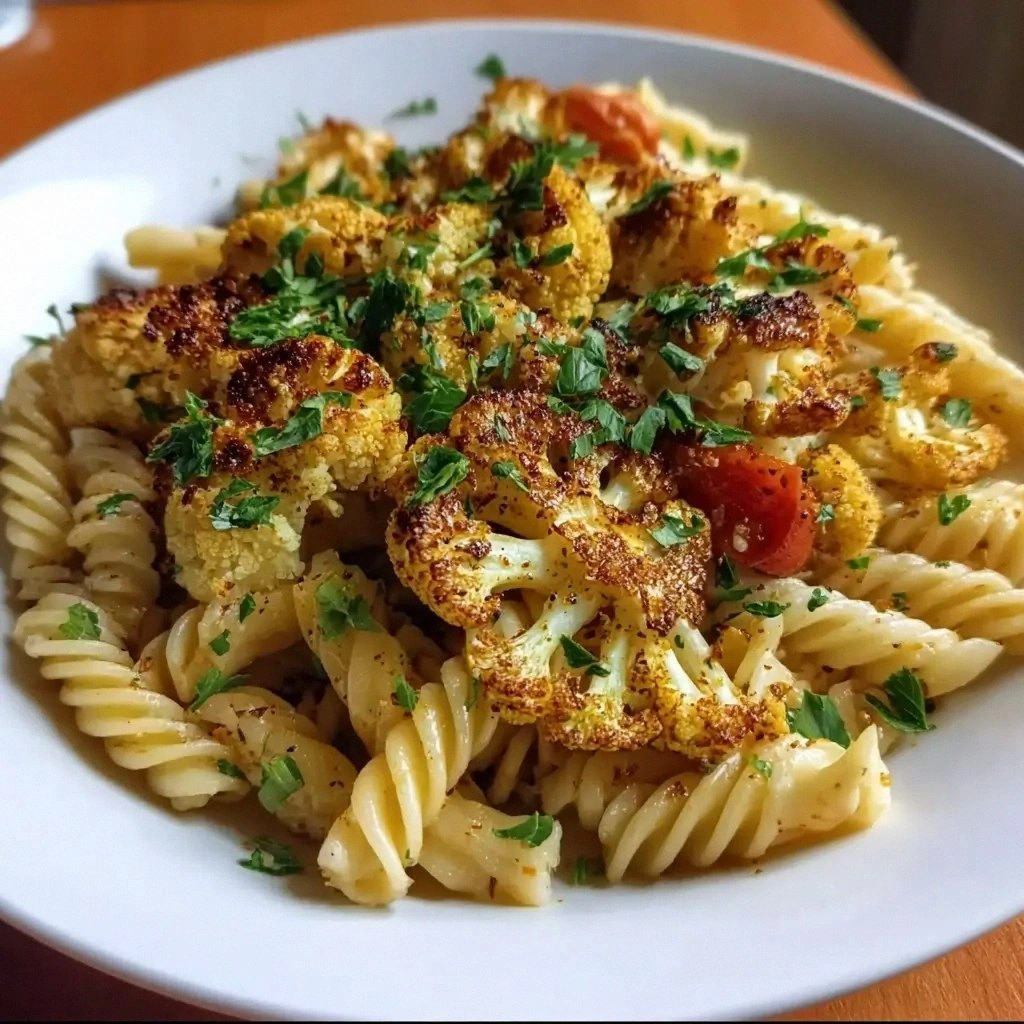
Picture this: a pot of al dente pasta, a skillet of cauliflower florets kissed by garlic and olive oil, a splash of lemon brightening the dish, and a final drizzle of vegan butter that turns everything into silky, velvety sauce. The aroma rises like a warm hug, the sizzling cauliflower edges crackle like thin ice, and the pasta shimmers with a glossy sheen that makes your eyes water. It’s a sensory overload that feels like a hug from the inside out.
What sets this version apart is that it’s not just a pasta recipe; it’s a flavor roller coaster that balances the earthy crunch of cauliflower with the sharp zing of lemon and the comforting richness of nutritional yeast. I’ve trimmed the recipe to 45 minutes of pure joy, so you can have a gourmet dinner without the wait. I’ll show you how to roast the cauliflower to perfection, how to build a sauce that coats the noodles like velvet, and how to finish it with a burst of fresh herbs that will have your guests begging for seconds.
And there’s a twist you won’t expect: a splash of almond milk and a hint of smoked paprika that turns a simple dish into a smoky, creamy masterpiece. I dare you to taste this and not go back for seconds. Let me walk you through every single step—by the end, you’ll wonder how you ever made it any other way.
What Makes This Version Stand Out
- Flavor Fusion: The combination of roasted cauliflower, garlic, and lemon creates a depth that beats any store-bought pasta sauce. The caramelized edges of the cauliflower add a subtle bitterness that balances the sweet garlic.
- Texture Contrast: The al dente pasta meets the crispy cauliflower for a mouthfeel that feels like a dance between softness and crunch. It’s a play of textures that keeps the palate engaged.
- Quick & Easy: All prep is done in under 15 minutes, and the cooking time is just 30. No fancy gadgets or long marination periods.
- Vegan & Gluten-Free Friendly: Swap the pasta for your favorite gluten-free noodles and you’ve got a meal that’s both plant-based and allergy-friendly.
- Make-ahead Potential: This dish freezes beautifully. The sauce can be reheated without losing its silky texture, making it perfect for busy weeknights.
- Crowd-pleaser: I’ve hosted dinners where this dish stole the show. The crowd reaction? Applause, compliments, and a few “do you have the recipe?” moments.
- Ingredient Quality: I source my cauliflower from a local farmer’s market and use organic olive oil for that extra punch of flavor.
- Healthful Boost: Nutritional yeast adds a protein punch, while almond milk keeps the dish dairy-free and creamy.
Alright, let’s break down exactly what goes into this masterpiece…
Inside the Ingredient List
The Flavor Base
The heart of this dish is the garlic-infused olive oil that forms the sauce’s foundation. The oil is warmed over medium heat until it shimmers, then the minced garlic is added, releasing a sweet, aromatic perfume. If you skip the garlic, you lose the signature depth that makes this pasta unforgettable. A good tip: use fresh garlic cloves instead of pre-minced; they bring a brighter, cleaner flavor.
The Texture Crew
Cauliflower florets are the star of the texture crew. Roasting them until the edges are crisp and slightly charred adds a delightful crunch that contrasts the silky pasta. If you prefer a softer cauliflower, you can steam it first, but the roasting step is what gives this dish its signature bite. For a budget-friendly alternative, broccoli florets work well and bring a different green hue.
The Unexpected Star
Nutritional yeast is the unsung hero that brings a nutty, cheesy flavor without any dairy. It also adds a boost of B vitamins and protein, making this dish a nutritional powerhouse. If you’re vegan but not a fan of the yeast’s cheesy taste, sprinkle it sparingly or replace it with a tablespoon of cashew cream for a milder profile. This ingredient’s umami depth is what transforms a simple pasta into a gourmet experience.
The Final Flourish
Fresh parsley, lemon zest, and a splash of almond milk create the finishing touches that elevate the dish. The parsley adds a bright, herbal note that cuts through the richness of the sauce. Lemon zest and juice provide a citrusy lift that brightens every bite. A splash of almond milk keeps the sauce silky without adding dairy, and the optional vegan butter adds a velvety finish. If you’re looking for extra depth, sprinkle smoked paprika for a subtle smoky undertone.
Everything's prepped? Good. Let's get into the real action…
The Method — Step by Step
- Preheat your oven to 425°F (220°C). Line a baking sheet with parchment paper to prevent sticking. Toss the cauliflower florets in a bowl with 1 tablespoon of olive oil, 1/2 teaspoon of salt, and 1/4 teaspoon of black pepper. Spread them out in a single layer; this ensures even roasting and crisp edges. Place the sheet in the oven and roast for 20–25 minutes, flipping halfway through, until golden brown.
- While the cauliflower roasts, bring a large pot of salted water to a boil. Add 12 ounces of your chosen pasta and cook until al dente, about 8–10 minutes. Reserve 1 cup of pasta water before draining; this starchy liquid will help bind the sauce later. Set the pasta aside in a colander, then rinse briefly with cold water to stop the cooking process and keep the texture firm.
- Heat the remaining 1 tablespoon of olive oil in a large skillet over medium heat. Add the minced garlic and red pepper flakes, sautéing for 30 seconds until fragrant. Be careful not to burn the garlic; it should turn a light golden color. This is the moment of truth—if the garlic smells burnt, your sauce will taste bitter.
- Add the roasted cauliflower to the skillet, stirring to coat each floret in the garlic-infused oil. Cook for 2–3 minutes, letting the cauliflower absorb the flavors. The edges should start pulling away, creating that satisfying crispness. If the skillet feels dry, splash a tablespoon of water to keep everything from sticking.
- Stir in the nutritional yeast, lemon zest, and lemon juice, then pour in 1/4 cup of unsweetened almond milk. Mix until the sauce thickens slightly and the cauliflower is evenly coated. The almond milk keeps the sauce creamy without dairy, while the lemon brightens every bite. Taste and adjust salt or pepper as needed.
- Add the drained pasta to the skillet, tossing vigorously to combine everything. If the mixture looks dry, gradually add reserved pasta water—about 1/4 cup at a time—until the sauce reaches your desired consistency. The pasta water’s starch will help the sauce cling to the noodles, creating a silky coating.
- Turn off the heat and sprinkle chopped parsley over the top. Toss gently to distribute the herbs. The parsley adds a fresh, green note that cuts through the richness. Let the pasta sit for a minute before serving so the flavors meld.
- Plate the pasta in shallow bowls, garnish with a few extra parsley leaves, a drizzle of olive oil, and a pinch of smoked paprika if desired. The smoked paprika adds a subtle depth that enhances the roasted cauliflower’s caramelized flavor. Serve immediately, and watch your guests rave about the creamy, crunchy, citrusy explosion.
That’s it — you did it. But hold on, I’ve got a few more tricks that’ll take this to another level…
Insider Tricks for Flawless Results
The Temperature Rule Nobody Follows
Many people roast cauliflower at 400°F, but the magic happens at 425°F. The higher heat caramelizes the edges faster, giving that perfect crisp without burning the florets. If you’re using a convection oven, lower the temperature by 25°F to avoid overcooking.
Why Your Nose Knows Best
Before you finish the dish, smell the sauce. A hint of nutty, buttery aroma signals that the nutritional yeast has fully melted into the sauce. If it smells raw, give it another minute on low heat; the yeast needs time to bloom.
The 5-Minute Rest That Changes Everything
Let the pasta rest for 5 minutes after tossing with the sauce. This brief pause allows the noodles to absorb the liquid, creating a more cohesive bite. The rest period also lets the flavors meld, so the dish tastes more integrated.
Avoiding the “Too Dry” Syndrome
If the sauce looks thin, add a tablespoon of reserved pasta water at a time. The starch in the water thickens the sauce naturally. Stir gently to avoid breaking the pasta strands.
The Secret of Fresh Herbs
Add the parsley at the end, not at the beginning. Early addition can wilt the herbs and lose their bright color. By adding parsley last, you preserve its vibrancy and fresh flavor.
Creative Twists and Variations
This recipe is a playground. Here are some of my favorite ways to switch things up:
Spicy Cajun Twist
Replace the red pepper flakes with Cajun seasoning for a smoky heat. Add a pinch of cayenne for extra kick. This version pairs beautifully with a side of cornbread.
Mediterranean Medley
Swap the cauliflower for sun-dried tomatoes and olives. Add a handful of spinach for color. Finish with a drizzle of olive oil and a sprinkle of feta (or vegan feta).
Pesto Power
Stir in a spoonful of basil pesto after the pasta is mixed. The pesto adds a green, herbaceous layer that complements the roasted cauliflower. Top with toasted pine nuts for crunch.
Creamy Cashew Comfort
Replace the almond milk with a tablespoon of cashew cream for a richer, thicker sauce. Soak raw cashews for 4 hours, blend with water, then stir into the skillet. The result is a velvety, nutty finish.
Umami Explosion
Add a tablespoon of soy sauce or tamari for an extra umami punch. This works especially well if you’re using a vegan parmesan. The savory note balances the citrusy brightness.
Sweet & Smoky Finale
Finish with a drizzle of maple syrup and a sprinkle of smoked paprika. The sweetness counteracts the acidity of the lemon while the paprika deepens the roasted flavor. It’s a sweet-savory twist that’s surprisingly elegant.
Storing and Bringing It Back to Life
Fridge Storage
Store leftovers in an airtight container for up to 3 days. When reheating, add a splash of water or broth to keep the sauce from drying out. Heat gently on the stove, stirring frequently until warmed through.
Freezer Friendly
Freeze the dish in a freezer-safe container for up to 2 months. Thaw overnight in the refrigerator before reheating. When reheating, add a little extra almond milk to restore creaminess.
Best Reheating Method
Reheat on low heat, stirring constantly. Avoid high heat, which can cause the sauce to separate. A splash of water or broth will help the sauce return to its silky texture.