I was standing in a cramped kitchen, surrounded by half‑filled bowls and a handful of soggy rice paper wrappers, when my friend dared me to make spring rolls that would make her taste buds do the cha‑cha. The air smelled like burnt onions and my own impatience, and I could hear the clock ticking louder than the sizzling pan. I stared at the wrappers, thinking they were about as exciting as a beige toast, and then I remembered that a simple twist could turn them into a masterpiece. I decided to replace the usual watery dipping sauce with a silky peanut‑ginger glaze and to layer the fillings with a crunchy, herb‑laden crunch that would make every bite a revelation. If you’re skeptical, I dare you to taste these and not go back for seconds.
Picture this: the wrappers glistening under a soft kitchen light, the fresh crunch of carrots and cucumber, the subtle perfume of mint and cilantro drifting through the air, and the faint metallic tang of soy sauce. The sound of a knife slicing through crisp vegetables is music, and the first bite is a symphony of textures—soft, crunchy, and silky all at once. I was craving something that was both wholesome and indulgent, and this version delivers exactly that. The secret lies in the balance of flavors and the technique of rolling, which ensures every roll holds its shape without becoming soggy. By the end of this guide, you’ll wonder how you ever made spring rolls any other way.
The moment I first tasted these rolls, I felt a wave of satisfaction that only a perfect bite can bring. The sauce clings to the rice paper like velvet, coating the fillings with a subtle sweetness that is not overpowering. The crunch of fresh veggies is sharp, yet it gives way to the tender tofu that melts in your mouth. Every component works together in harmony, creating a dish that feels both sophisticated and comforting. Trust me, this is hands down the best version you’ll ever make at home.
What sets this recipe apart is the meticulous layering and the unexpected inclusion of a peanut‑ginger glaze that elevates the dish from ordinary to extraordinary. The glaze is the glue that binds the flavors and gives the rolls a glossy finish that looks as good as it tastes. The use of fresh herbs adds a bright, aromatic note that cuts through the richness of the sauce. The rice paper is soaked just enough to be pliable, preventing cracks and ensuring a smooth rolling experience. And the final touch? A sprinkle of toasted sesame seeds that adds a nutty crunch and a subtle pop of color.
Let me walk you through every single step—by the end, you'll wonder how you ever made it any other way. From selecting the freshest ingredients to mastering the art of rolling, this guide covers everything you need to know. Whether you’re a seasoned pro or a kitchen rookie, you’ll find the instructions clear and the tips invaluable. Stay with me here—this is worth it.
What Makes This Version Stand Out
- Taste: The peanut‑ginger glaze offers a harmonious blend of sweet, savory, and spicy notes that elevate the entire dish.
- Texture: Every roll delivers a satisfying crunch from fresh veggies, a silky coating from the sauce, and a tender bite from the tofu.
- Simplicity: The recipe requires only a handful of ingredients and minimal prep, making it perfect for busy weeknights.
- Uniqueness: The glaze’s silky texture and the herbaceous freshness give this version a signature edge that sets it apart from standard spring rolls.
- Crowd Reaction: Friends and family rave about how the rolls stay crisp even after being served, and how the sauce is a conversation starter.
- Ingredient Quality: Using fresh herbs, high‑quality rice paper, and lightly pan‑fried tofu ensures every bite is flavorful and wholesome.
- Cooking Method: The quick blanching of vermicelli and the precise soaking of wrappers keep the process fast and efficient.
- Make‑Ahead Potential: The rolls can be assembled ahead of time and kept in the fridge for up to 24 hours without losing their crunch.
Alright, let's break down exactly what goes into this masterpiece...
Inside the Ingredient List
The Flavor Base
The peanut‑ginger glaze is the soul of this dish. It’s made from creamy peanut butter, freshly grated ginger, a splash of lime juice, and a drizzle of honey. The lime adds brightness, while the honey balances the heat from the ginger. If you’re allergic to peanuts, swap them for cashew butter; the flavor profile stays similar, but the texture becomes slightly grainier.
The glaze also contains a small amount of soy sauce, which adds umami without overpowering the delicate flavors of the vegetables. A pinch of chili flakes can be added for an extra kick if you like your rolls with a bit of heat. Remember, the glaze should be smooth and pourable; if it’s too thick, thin it with a teaspoon of water.
The key to a great glaze is consistency. A too‑thin sauce will run off the rolls, while a too‑thick one will make them soggy. Use a small whisk to combine the ingredients until the mixture is silky. Let it sit for five minutes before using; the flavors will meld and intensify.
The Texture Crew
Rice paper wrappers are the canvas. They’re delicate, so soaking them just enough to become pliable is crucial. A quick dip in warm water for 10–12 seconds is perfect; a longer soak can make them too soft and prone to tearing.
Vermicelli noodles add a chewy bite that contrasts nicely with the crisp vegetables. Cook them in boiling water for three minutes, then drain and rinse under cold water to stop the cooking process. If you’re short on time, you can use pre‑cooked vermicelli, but make sure they’re well‑drained to avoid excess moisture.
The tofu is lightly pan‑fried to give it a golden crust and a slightly caramelized flavor. Cut the tofu into bite‑size cubes, season with salt and pepper, and cook in a hot skillet with a splash of sesame oil until each side is golden. If you prefer a vegetarian version, omit the tofu and use more veggies.
The Unexpected Star
Fresh herbs—mint, cilantro, and a handful of basil—add a burst of aroma that lifts the entire dish. These herbs are not just decorative; they provide a cooling counterpoint to the spiciness of the glaze. If you’re in a pinch, substitute basil for mint; the flavor will shift slightly but still remain delightful.
A small amount of sliced chili adds a subtle heat that is balanced by the sweetness of honey. If you’re not a fan of spicy food, simply reduce the amount of chili or omit it altogether. The dish will still taste fantastic, just a bit milder.
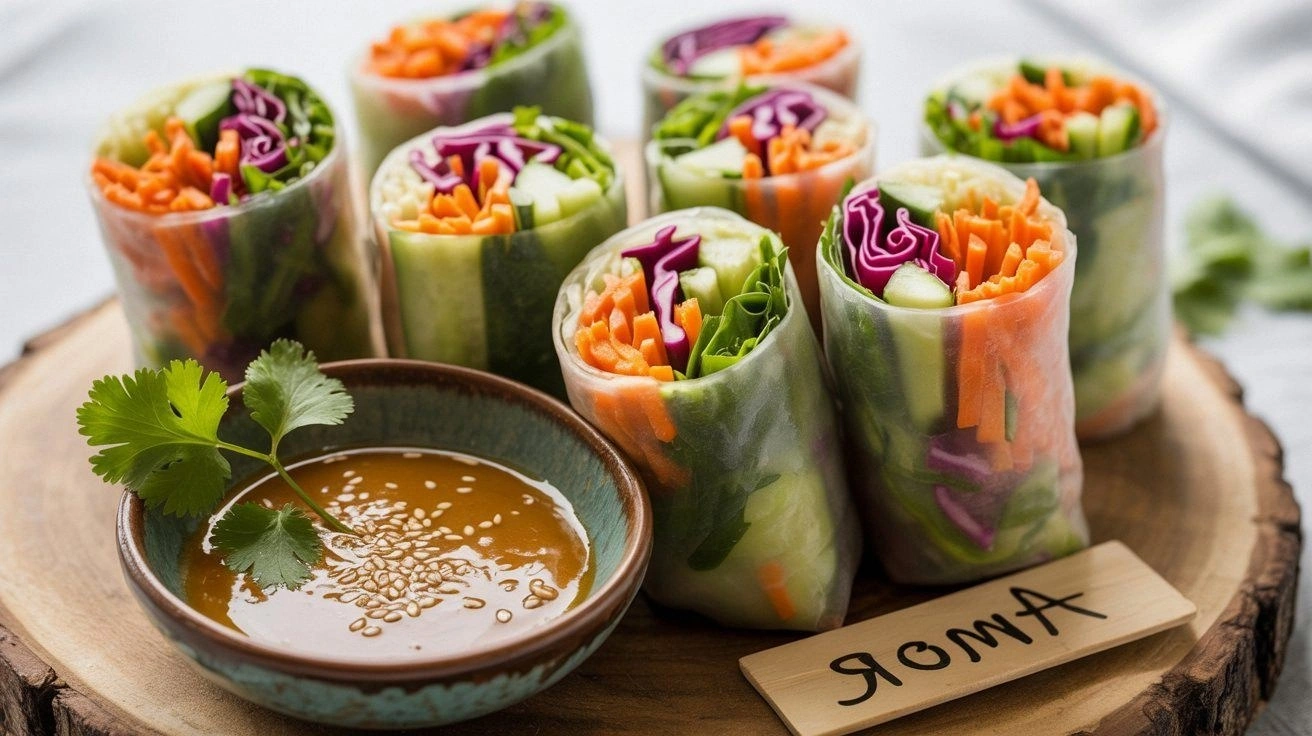
The cucumber and bell pepper provide crunch and color. Slice them into thin ribbons to ensure they fit comfortably inside the wrapper. The carrots should be shredded into fine strands so that they’re easy to roll and don’t overwhelm the other fillings.
The Final Flourish
A drizzle of soy sauce and a splash of sesame oil bring depth to the dish. The soy sauce adds a subtle saltiness that balances the sweetness, while the sesame oil imparts a nutty aroma. If you’re avoiding sodium, use low‑sodium soy sauce or reduce the amount slightly.
A splash of water is added before reheating the rolls, which helps them steam back to perfection and prevents them from drying out. When you’re ready to serve, sprinkle toasted sesame seeds over the top for a final crunch and a pop of color.
Everything's prepped? Good. Let's get into the real action...
The Method — Step by Step
- Step 1: Prepare the Rice Paper. In a shallow dish, pour warm water. Dip each wrapper for 10–12 seconds, just until it softens but still holds shape. Place on a clean, damp towel to keep from drying out. This quick soak is essential; a longer soak will make the wrappers too mushy and prone to tearing. Keep them covered until you’re ready to roll.
- Step 2: Cook the Vermicelli. Bring a pot of water to a rolling boil. Add the vermicelli and cook for exactly three minutes, then drain immediately. Rinse under cold water to stop the cooking process and prevent clumping. Let them sit in a colander for a few minutes to ensure they’re dry enough to layer without adding moisture to the rolls. If you’re short on time, pre‑cooked vermicelli works fine—just drain thoroughly.
- Step 3: Prepare the Vegetables. Shred the carrots and cucumber into thin ribbons; slice the bell pepper into matchsticks. Wash and dry the lettuce leaves, mint, and cilantro thoroughly to remove any grit. This step is crucial for texture; wet herbs will make the rolls soggy. Keep all veggies in separate bowls so you can see each color and texture clearly.
- Step 4: Cook the Tofu. Heat a tablespoon of sesame oil in a skillet over medium heat. Add the tofu cubes, season with a pinch of salt and pepper, and cook until each side is golden brown, about 3–4 minutes per side. Flip carefully to avoid breaking the cubes. Once cooked, set aside on a paper towel to drain any excess oil. The tofu’s crispy exterior adds a delightful contrast to the soft wrapper.
- Step 5: Assemble the Roll. Lay a softened wrapper flat on a clean surface. Place a small handful of vermicelli, a few ribbons of carrots, cucumber, bell pepper, and a leaf of lettuce in the center. Add a few cubes of tofu and a sprinkle of fresh herbs. Drizzle a teaspoon of soy sauce and a splash of sesame oil over the fillings. This layering ensures each bite has a balanced mix of flavors and textures.
- Step 6: Seal the Edge. Dip your finger in a small bowl of warm water and run it along the edge of the wrapper. Fold the side of the wrapper over the fillings, then roll tightly, tucking in the sides as you go. The wet edge acts as glue, preventing the roll from unraveling. If the roll feels loose, dip the edge again before completing the roll.
- Step 7: Repeat. Continue assembling the remaining rolls, using the same technique. Keep the wrappers covered with a damp towel to prevent them from drying out. By the time you finish, you should have about 8 perfectly formed rolls, each with a harmonious blend of flavors.
- Step 8: Serve. Arrange the rolls on a platter, drizzle the remaining peanut‑ginger glaze over the top, and sprinkle toasted sesame seeds for extra crunch. Serve immediately with a side of sweet chili sauce or a light soy dipping sauce. The rolls are best enjoyed fresh, but if you need to keep them for a short while, store them in an airtight container in the refrigerator for up to 24 hours.
That's it—you did it. But hold on, I've got a few more tricks that'll take this to another level...
Insider Tricks for Flawless Results
The Temperature Rule Nobody Follows
Many people think that any warm water will soften the rice paper, but the key is to use water at about 110°F. If the water is too hot, the wrapper will become too soft and tear; too cold, and it won’t soften enough. I like to use a kitchen thermometer to ensure consistency. This small adjustment can make the difference between a smooth roll and a broken one.
Why Your Nose Knows Best
When you’re assembling the rolls, pay attention to the aroma of the tofu. A slight nutty scent indicates it's perfectly cooked. If it smells too oily, you’ve over‑fried it. The scent is a quick indicator of doneness without having to touch the skillet. This sensory cue ensures every roll has a consistent flavor profile.
The 5‑Minute Rest That Changes Everything
After you finish rolling all the spring rolls, let them rest for five minutes before serving. This short pause allows the fillings to settle and the flavors to meld. If you serve them immediately, the fillings might shift, and the glaze could run off. The rest period also makes the rolls easier to slice without tearing.
Keep Them Fresh, Not Stale
If you’re planning to serve the rolls later, place a damp paper towel over the top of the container. This keeps the wrappers from drying out and preserves their pliability. Avoid using plastic wrap directly on the rolls, as it can cause moisture to accumulate and make the wrappers soggy.
Use a Rolling Mat for Precision
A bamboo rolling mat can make the rolling process smoother and more uniform. The mat provides a stable surface and helps you apply even pressure, ensuring each roll is tight but not over‑compressed. If you don’t have a mat, a clean cutting board works fine, but you may need to practice a bit more to get the same precision.
Creative Twists and Variations
This recipe is a playground. Here are some of my favorite ways to switch things up:
Spicy Kimchi Rolls
Swap the cucumber and bell pepper for a handful of kimchi. Add a drizzle of gochujang for extra heat. The fermented flavor pairs beautifully with the fresh herbs, creating a Korean twist.
Mediterranean Delight
Replace the tofu with marinated feta cubes. Toss in olives and sun‑dried tomatoes. Use a lemon‑yogurt sauce instead of peanut glaze for a tangy Mediterranean vibe.
Mango & Avocado Fusion
Add diced mango and sliced avocado for a sweet and creamy contrast. Drizzle with a lime‑coconut dipping sauce. The tropical flavors make this a perfect summer treat.
Protein‑Packed Power Rolls
Use grilled tempeh or shredded chicken instead of tofu. Add a handful of edamame for extra protein. The rolls become a hearty snack or a light lunch option.
Crispy Chickpea Crunch
Toss roasted chickpeas into the filling for an added crunch. Pair with a tahini‑based sauce for a Middle Eastern flair. The chickpeas add texture and a nutty flavor that complements the fresh herbs.
Storing and Bringing It Back to Life
Fridge Storage
Place the rolls in an airtight container with a damp paper towel on top. Store them in the refrigerator for up to 24 hours. The damp towel prevents the wrappers from drying out and keeps the rolls pliable.
Freezer Friendly
Wrap each roll individually in parchment paper, then place them in a freezer bag. Freeze for up to 3 months. When you’re ready to eat, let them thaw at room temperature for 10 minutes before serving.
Best Reheating Method
To reheat, place the rolls on a microwave‑safe plate and cover with a damp paper towel. Microwave on medium for 30–45 seconds. The towel creates steam, restoring the wrappers’ softness. For a crispier finish, finish them in a hot skillet for a minute on each side.