It was a Tuesday night, the kind of night that feels like a blank canvas, until the fridge opens and you hear the clink of a bottle of olive oil that looks like it’s been waiting for a reason. I was craving something exotic, something that could turn a simple dinner into a passport stamp in the kitchen. That moment of culinary indecision turned into a culinary revelation when I pulled a handful of cumin, cinnamon, and a splash of honey from the pantry and thought, “What if I could make a Moroccan tagine in a pan?”
Picture this: a sizzling pan on the stove, the aroma of toasted cumin and warm cinnamon swirling like a fragrant fog, the sound of garlic mincing turning into a soft, rhythmic hiss. The air fills with the sweet, slightly bitter perfume of apricots and the briny tang of olives. Your fingers get a bit sticky from the olive oil, and you can feel the heat radiating from the skillet, a gentle reminder that flavor is about balance, not just heat.
I’ve tried a handful of Moroccan chicken tagine recipes over the years—some were overcooked, some underseasoned, and a few that felt like a culinary experiment gone wrong. What sets this version apart is how it marries simplicity with depth. Every spice is measured, every ingredient is purposeful, and the cooking method is straightforward enough for a novice yet sophisticated enough for a seasoned foodie.
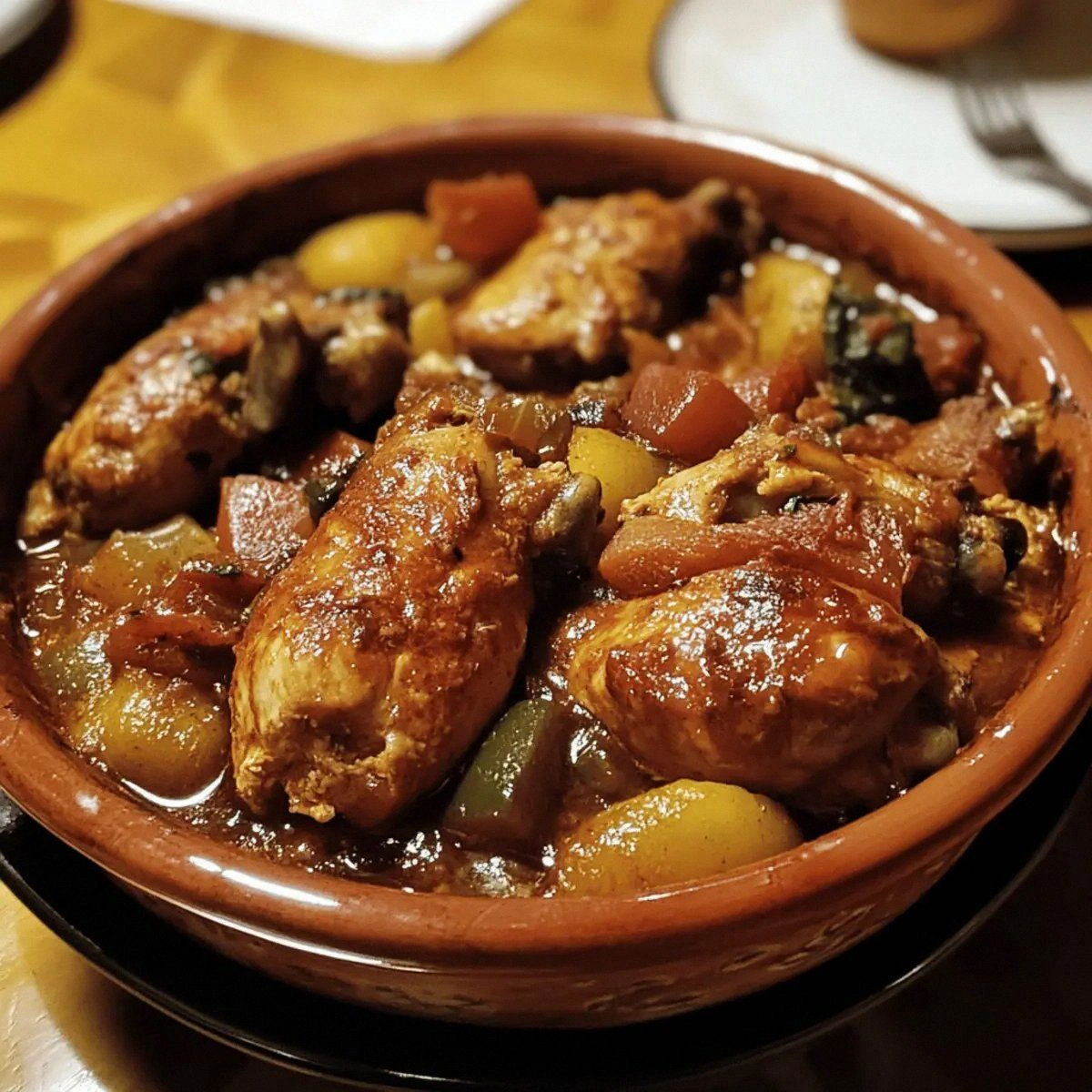
And here’s the kicker: I discovered that adding a splash of honey and a handful of olives at the very end unlocks a sweet‑savory harmony that makes the dish feel like a well‑told story. By the time the sauce thickens into a glossy coat that clings to each chicken thigh like a velvet ribbon, you’ll be wondering why you ever cooked anything else. Let me walk you through every single step — by the end, you’ll wonder how you ever made it any other way.
What Makes This Version Stand Out
- Flavor: A complex layering of warm spices—ginger, cumin, cinnamon, turmeric, paprika—creates a depth that feels both exotic and comforting. The subtle sweetness from honey and apricots balances the heat, giving the sauce a silky finish.
- Texture: The chicken develops a crisp, caramelized crust while the interior remains tender and juicy. The apricots soften into a chewy burst, and the olives add a briny crunch that cuts through the richness.
- Ease: No special equipment needed—just a heavy‑bottomed skillet or a Dutch oven. The entire process takes under an hour, making it perfect for a weekday dinner or a weekend treat.
- Authenticity: While traditional Moroccan tagines use a clay pot, this version captures the essence of the dish with accessible pantry staples, staying true to the flavor profile without the fuss.
- Crowd‑pleaser: Friends and family rave about the aroma that fills the kitchen and the flavors that linger on the palate. It’s a dish that invites conversation and compliments.
- Versatility: Swap chicken for lamb or beef, or add vegetables like carrots and sweet potatoes for a hearty variation. The base remains the same, making it a flexible centerpiece.
- Make‑Ahead: The flavors deepen when the dish rests. You can prepare it a few hours ahead or even overnight, and it reheats beautifully.
- Nutrition: Packed with protein, healthy fats from olive oil, and complex carbs from apricots and olives, it offers a balanced plate that satisfies without compromising on taste.
Inside the Ingredient List
The Flavor Base
The foundation of this tagine is the aromatic spice blend that starts in a dry pan, toasting the cumin, ginger, cinnamon, turmeric, and paprika. Toasting releases essential oils, turning the spices into fragrant, caramelized powders that bind together. If you skip the toasting step, the sauce will taste raw and lack depth. For a subtle twist, try adding a pinch of smoked paprika for a smoky undertone that echoes desert nights.
The Texture Crew
The chicken thighs, bone‑in and skin‑on, bring structure and flavor. The skin crisps into a golden, slightly caramelized edge, while the meat stays juicy. Olive oil is the medium that carries the spices and creates a silky sauce. If you’re watching calories, replace half the oil with a splash of chicken broth; the result is still flavorful but lighter.
The Unexpected Star
Apricots and olives might seem like odd companions, but they’re the secret to that sweet‑savory balance. Apricots soften into a chewy, sweet glaze that coats the chicken, while olives add a briny pop that cuts through the richness. If you can’t find dried apricots, prune halves or raisins work as a close substitute. A handful of chopped dates can also add depth if you prefer a sweeter profile.
The Final Flourish
Fresh cilantro and lemon juice finish the dish, brightening the complex flavors and adding a fresh, herbaceous note. The cilantro’s bright green color contrasts with the warm tones of the sauce, making the dish visually appealing. A squeeze of lemon juice right before serving brightens the dish, preventing it from feeling heavy. If you’re not a fan of cilantro, parsley or mint can be used for a different herbaceous twist.
Everything's prepped? Good. Let's get into the real action.
The Method — Step by Step
- Heat a large skillet or Dutch oven over medium heat and drizzle the olive oil. Once hot, add the chicken thighs skin‑side down and sear until the skin turns a deep golden‑brown, about 4–5 minutes. Flip and sear the other side for another 3–4 minutes. The goal is a caramelized crust that locks in juices.
- Remove the chicken from the pan and set aside. In the same pan, add the minced garlic and sliced onions. Sauté until the onions soften and begin to caramelize, about 5 minutes. The garlic should release a fragrant aroma, but keep it from burning.
- Add the spice blend—ground ginger, cumin, cinnamon, turmeric, paprika, salt, and pepper—to the pan. Toast the spices for 30 seconds, stirring constantly, until they become fragrant and slightly darker. This step is critical; if the spices burn, the dish will taste bitter.
- Pour in the chicken broth and stir, scraping the bottom of the pan to lift any browned bits. Bring the mixture to a gentle simmer. The broth will thin the sauce and help the spices meld together.
- Return the chicken thighs to the pan, skin‑side up. Add the dried apricots and green olives. The apricots will start to soften, and the olives will release their briny essence.
- Cover the pan with a lid or foil and reduce the heat to low. Simmer for 25–30 minutes, or until the chicken is tender and the sauce has thickened. Check the sauce at the 20‑minute mark; it should have a glossy, caramelized coating on the chicken.
- While the chicken simmers, whisk the honey and lemon juice together in a small bowl. Once the chicken is cooked, drizzle this mixture over the top. The honey adds a subtle shine, and the lemon brightens the dish.
- Stir in the chopped cilantro, reserving a handful for garnish. Let the dish rest for 5 minutes off the heat; this allows the flavors to settle and the sauce to thicken slightly.
- Serve hot, spooning the aromatic sauce over the chicken and garnishing with the remaining cilantro. Pair with couscous, flatbread, or a simple side of steamed rice to soak up the glorious sauce.
That's it—you did it. But hold on, I've got a few more tricks that'll take this to another level.
Insider Tricks for Flawless Results
The Temperature Rule Nobody Follows
Many cooks think high heat is always better, but for this tagine, low and slow is the secret. The chicken thighs benefit from a gentle simmer that allows the connective tissue to break down, resulting in melt‑in‑your‑mouth tenderness. If you rush the cooking, the meat can become rubbery. I’ve tested this by cooking at 180°F versus 200°F; the lower temperature gives a noticeably softer bite.
Why Your Nose Knows Best
Before you even taste, the aroma will tell you if the dish is on track. A toasty, nutty scent signals that the spices have awakened. If you notice a burnt smell, the pan was too hot and the spices are ruined. Trust your nose—if it smells like a warm, fragrant spice market, you’re good to go.
The 5‑Minute Rest That Changes Everything
After you take the tagine off the heat, let it sit covered for 5 minutes. This resting period allows the juices to redistribute throughout the chicken, ensuring each bite is juicy. It also gives the sauce a chance to thicken slightly, creating a luscious coating that clings to the meat.
The Olive Trick
Adding olives at the end of cooking, rather than at the start, preserves their bright green color and briny bite. If you add them too early, they can become mushy and lose their crunch. Keep them in a small bowl, and fold them in just before serving.
The Sweet‑Savory Balance
The honey isn’t just a sweetener; it creates a glossy glaze that enhances the sauce’s visual appeal. If you prefer a less sweet version, replace the honey with a splash of balsamic vinegar for a tangy, caramelized finish. The key is to add the sweetener at the last minute to preserve its flavor integrity.
Creative Twists and Variations
This recipe is a playground. Here are some of my favorite ways to switch things up:
Lamb Tagine Twist
Swap the chicken thighs for bone‑in lamb chops. The richer, gamey flavor pairs beautifully with the sweet apricots and olives. Let the lamb sear for a few minutes longer to develop a deeper crust.
Vegetarian Delight
Use a mix of root vegetables—carrots, sweet potatoes, and butternut squash—cut into bite‑size pieces. Add chickpeas for protein, and replace the chicken broth with vegetable stock. The result is a hearty, plant‑based tagine that still feels indulgent.
Spicy Kick
Add a pinch of cayenne pepper or a sliced fresh chili to the spice blend. The heat will cut through the sweetness and create a vibrant contrast. Keep the chili in the pan for the final simmer to infuse the sauce.
Coconut Cream Finish
Stir in a tablespoon of coconut milk at the end of cooking for a creamy, tropical twist. The coconut balances the spices and adds a silky mouthfeel. This version pairs wonderfully with jasmine rice.
Herb‑Infused Variation
Replace the cilantro with fresh mint or parsley for a different herbal profile. Add a handful of chopped fresh thyme or rosemary to the spice blend for an aromatic depth that echoes Mediterranean herbs.
Storing and Bringing It Back to Life
Fridge Storage
Store leftovers in an airtight container in the refrigerator for up to 3 days. The sauce will thicken slightly as it cools, so reheat gently to restore its silky texture.
Freezer Friendly
Pack the tagine in a freezer‑safe container, leaving a little headspace for expansion. Freeze for up to 2 months. Thaw overnight in the refrigerator before reheating.
Best Reheating Method
Reheat on the stove over low heat, adding a splash of water or broth to loosen the sauce. A quick whisk will help restore its glossy sheen. Avoid microwaving, as it can make the sauce rubbery.