Last winter, I was scrambling to salvage a dinner that had gone catastrophically wrong: a pot of rice that had turned into a gloopy, mushy mess. I stared at the steaming bowl, feeling the heat radiate through my fingers, and thought, “If only there was a simpler way to get creamy without the chaos.” That moment sparked a mission to create a risotto that feels like home but requires only one pot. I experimented with different grains, sauces, and timing until I found the perfect balance of Arborio rice, mushrooms, and peas. Now, I’m ready to share the exact recipe that turned my kitchen disaster into a crowd‑pleasing masterpiece.
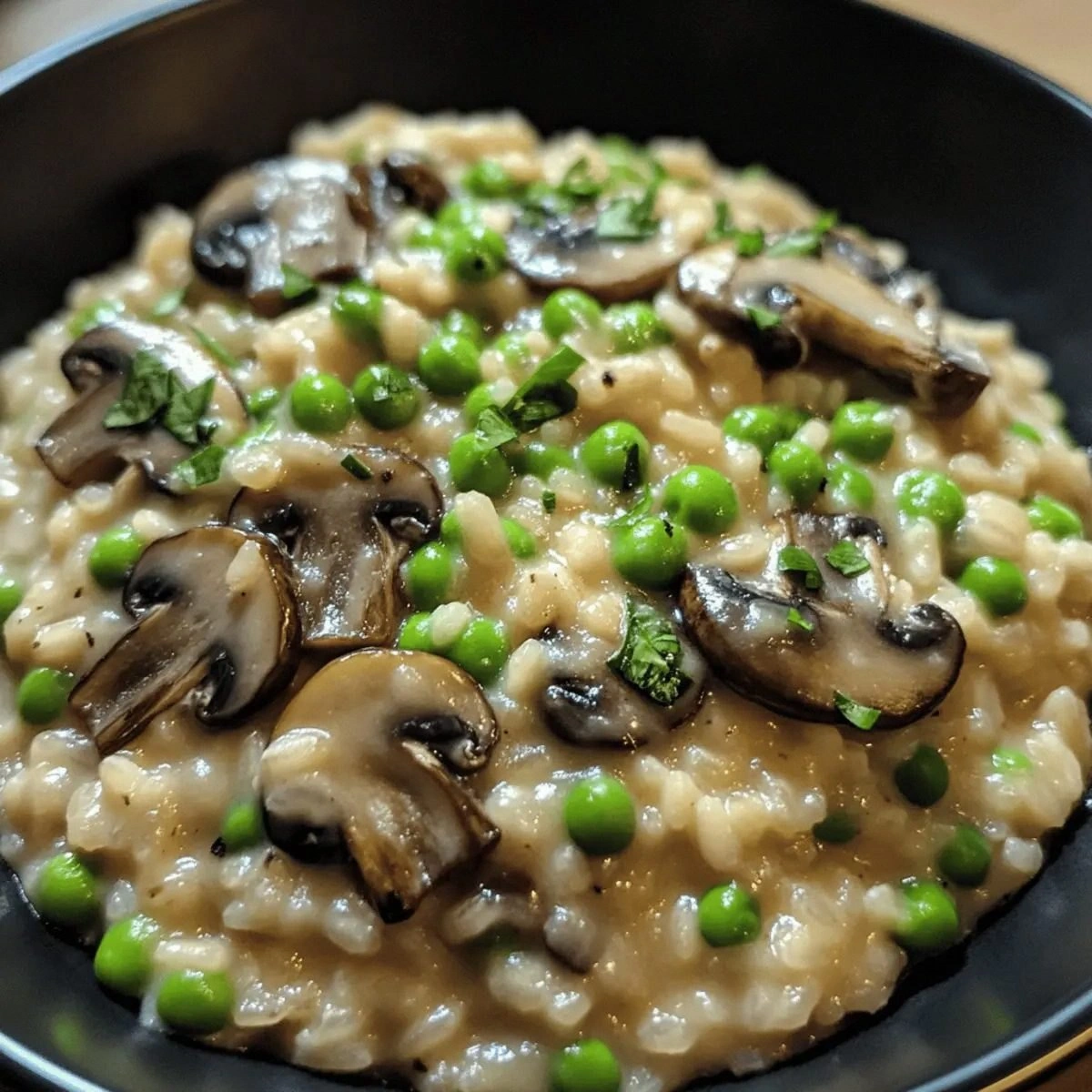
Imagine the aroma of sautéed onions and garlic drifting through the kitchen, mingling with the earthy scent of fresh mushrooms. The sound of the pan sizzling is a promise of flavor to come. As the rice begins to toast, it releases a nutty fragrance that makes your mouth water. The texture of the dish is creamy yet al dente, with each grain perfectly coated in a velvety sauce. When you take that first bite, the peas burst with sweet freshness, cutting through the richness of the Parmesan.
This version stands out because it eliminates the need for constant stirring, letting the rice absorb liquid slowly while the flavors mingle. The use of dry white wine deglazes the pan and adds a subtle acidity that balances the buttery richness. I’ve perfected the timing so the broth is added gradually, preventing the rice from becoming overcooked or undercooked. The final touch of fresh parsley gives a bright, herbaceous finish that lifts the entire dish. The result is a comforting, one‑pot meal that tastes like a chef’s kitchen but is made in minutes.
One secret that most recipes overlook is the trick of adding a small amount of cold broth at the very end to give the risotto a silky sheen. Another is to use a splash of lemon juice to brighten the dish without overpowering the mushrooms. I’ll also reveal how to keep the peas crisp by adding them in the last few minutes of cooking. These subtle touches elevate the dish from good to unforgettable.
I dare you to taste this and not go back for seconds, because the flavors will linger long after the last spoonful. Picture yourself pulling this out of the pot, the whole kitchen smelling incredible, and everyone asking for the recipe. This is hands down the best version you’ll ever make at home, and I’ve got all the tricks to make it foolproof. Let me walk you through every single step — by the end, you’ll wonder how you ever made it any other way.
What Makes This Version Stand Out
- One‑Pot Simplicity: The entire risotto cooks in a single pan, eliminating the need for multiple dishes. This saves time, reduces cleanup, and keeps the kitchen organized. It’s ideal for busy evenings or when you want to keep the stove clear.
- Instant Creaminess: The combination of Arborio rice and butter creates a naturally creamy texture without the need for heavy cream. The rice’s starches release slowly, coating each grain in a velvety sauce. The result is a rich mouthfeel that feels indulgent yet light.
- Mushroom Depth: Using cremini mushrooms adds an umami punch that balances the mildness of the peas. The sautéed mushrooms develop a slightly caramelized edge that enhances the overall flavor profile. They also provide a satisfying chew that contrasts the tender rice.
- Pea Perfection: Fresh or frozen peas contribute a pop of color and a sweet, grassy note. They remain bright and crisp when added in the final minutes, preventing them from becoming mushy. The peas also add a subtle sweetness that complements the savory broth.
- Wine deglaze: A splash of dry white wine deglazes the pan, loosening flavorful browned bits. The acidity cuts through the richness, creating a balanced taste. It also imparts a subtle fruity undertone that elevates the dish.
- Parmesan Finish: Grated Parmesan melts into the risotto, adding nutty flavor and a creamy consistency. It also contributes a slight saltiness that rounds out the dish. The cheese’s texture gives the risotto a luxurious mouthfeel.
- Fresh Parsley Garnish: A sprinkle of parsley adds color, freshness, and a hint of herbal brightness. It provides a visual contrast to the earthy tones of mushrooms and rice. The parsley also offers a subtle peppery note that lifts the overall flavor.
Alright, let’s break down exactly what goes into this masterpiece...
Inside the Ingredient List
The Flavor Base
Onions and garlic form the aromatic foundation of this risotto. Their gentle caramelization releases a sweet, savory depth that anchors every bite. Skipping them would leave the dish feeling flat and underdeveloped. If you’re short on time, a quick sauté of minced onion and garlic in a splash of olive oil will suffice, but the longer you let them soften, the richer the base becomes.
Mushrooms are the star of the flavor base, providing umami and a satisfying bite. Sautéed until they release their juices, they develop a subtle caramelization that adds complexity. If you use a mix of shiitake and button mushrooms, the dish gains an even richer profile. When selecting mushrooms, look for firm caps without dark spots; a bright, clean appearance guarantees freshness.
The Texture Crew
Arborio rice is the cornerstone of this risotto’s creamy texture. Its high starch content turns the liquid into a silky sauce as it cooks. Using a different grain, such as basmati, will result in a drier, less cohesive dish. The rice should be toasted until lightly translucent, which signals that it’s ready to absorb the broth.
The broth provides the liquid that coax the rice’s starches into a velvety sauce. A low‑sodium chicken or vegetable broth works best, allowing you to control the salt level. If you prefer a richer flavor, a homemade stock will elevate the dish, but store‑bought broth is perfectly fine for a quick meal. Keep the broth warm; adding cold liquid can slow the cooking process.
Peas add color and a sweet burst that balances the earthy mushrooms. Fresh peas keep their bright green hue and crunch, while frozen peas are a convenient option. If using frozen peas, thaw them briefly and pat dry to avoid excess moisture. Adding peas too early will cause them to overcook and lose their vibrant texture.
The Unexpected Star
Dry white wine adds acidity that brightens the dish and helps break down the starches in the rice. A splash of wine deglazes the pan, lifting the browned bits that carry flavor. If you’re avoiding alcohol, a splash of apple cider vinegar or lemon juice can provide a similar tang.
Parmesan cheese melts into the risotto, giving it a nutty, savory depth. Grated Parmesan should be added at the end to prevent it from clumping. If you’re looking for a vegan alternative, nutritional yeast offers a cheesy flavor with a lower fat content.
The Final Flourish
Butter adds richness and helps create a glossy, silky sauce. Use unsalted butter so you can control the salt level more precisely. A tablespoon of butter is enough to coat the rice without overwhelming the other flavors.
Fresh parsley brightens the dish with a clean, herbaceous note. It adds a pop of color that makes the risotto look as good as it tastes. If parsley is out of season, a small handful of basil or chives can provide a similar fresh lift.
Salt and pepper are essential for seasoning, but they’re added to taste. Start with a small pinch of salt and adjust after the rice has absorbed most of the broth. Black pepper adds a subtle heat that complements the earthy mushrooms.
Everything’s prepped? Good. Let’s get into the real action...
The Method — Step by Step
- Begin by washing and chopping the onion into finely diced pieces. Peel and mince the garlic cloves until they’re almost translucent. Slice the mushrooms into even strips to ensure they cook evenly. Set aside all the aromatics and mushrooms for the next step.
- Heat a large, heavy‑bottomed skillet over medium heat. Add the butter and let it melt, watching for a slight browning of the milk solids. Once the butter is foamy, toss in the onion and garlic. Sauté until the onion turns translucent and the garlic releases a fragrant aroma, about three to four minutes.
- Add the sliced mushrooms to the pan. Stir frequently so they release their juices and develop a golden edge. The mushrooms should become tender and slightly caramelized. If you notice excess moisture, let the pan sit uncovered for a minute to evaporate it.
- Pour in the Arborio rice, stirring constantly so each grain is coated in butter. Toast the rice until it turns a light golden hue and the edges become translucent, about two minutes. This step is crucial for releasing the starch that will create the creamy base.
- Deglaze the pan with the dry white wine, swirling the pot to lift the browned bits off the bottom. Let the wine reduce by half, which takes about three minutes, allowing the alcohol to evaporate while the liquid stays flavorful.
- Begin adding the warm broth one ladle at a time, stirring constantly. Wait until the liquid is almost fully absorbed before adding the next ladle. This slow, steady addition ensures the rice cooks evenly and releases its starches gradually.
- When the rice is about halfway cooked, stir in the peas. This timing keeps them bright and crisp, preventing them from overcooking. Continue adding broth until the rice is tender but still slightly firm to the bite.
- Once the rice has reached the right consistency, stir in the grated Parmesan and the remaining butter. The cheese should melt smoothly, creating a glossy, velvety sauce. Season with salt and pepper to taste, adjusting as needed.
- Remove the pan from heat and let the risotto rest for two minutes. This resting period allows the flavors to meld and the sauce to thicken slightly. Finally, sprinkle fresh parsley on top for a burst of color and freshness.
- Serve immediately, spooning the risotto into warmed bowls. The dish should be creamy, aromatic, and full of texture. Each bite should feel like a comforting hug, with the earthy mushrooms and sweet peas dancing on your palate.
That’s it — you did it. But hold on, I’ve got a few more tricks that will take this to another level...
Insider Tricks for Flawless Results
The Temperature Rule Nobody Follows
Maintaining a gentle simmer throughout the cooking process is essential. A rolling boil can cause the rice to cook unevenly, leading to pockets of mush. Keep the heat low enough that the broth stays warm but doesn’t bubble vigorously. This subtle temperature control ensures a silky, cohesive sauce.
Why Your Nose Knows Best
The aroma of the risotto changes dramatically at each stage. When the rice is toasted, you’ll notice a nutty scent; when the wine reduces, a fruity perfume emerges. If the dish smells flat, it likely needs more time or a splash of wine. Trusting your nose will help you catch subtle cues before the rice overcooks.
The 5‑Minute Rest That Changes Everything
After removing the pan from heat, let the risotto sit for five minutes. This pause allows the starches to settle and the sauce to thicken into a silky glaze. It also gives the flavors a chance to meld, resulting in a more harmonious bite. Skipping this step often leaves the risotto feeling under‑seasoned.
The Right Ladle Size
Using a ladle that’s too small forces you to add broth too frequently, disrupting the cooking rhythm. A standard 1/2‑cup ladle strikes the right balance, letting you add liquid in manageable increments. This technique keeps the rice from cooling and helps maintain a steady simmer.
The Secret of Fresh Herbs
Fresh parsley is the classic garnish, but other herbs can change the flavor profile dramatically. A handful of chopped basil adds sweetness; a sprinkle of thyme brings earthiness. Experimenting with herbs lets you tailor the dish to your taste or the season.
The Timing of Butter
Adding butter at the end of cooking gives the risotto a glossy finish and a rich mouthfeel. If you add it too early, it can separate and create a greasy texture. Keep the final butter addition to the last minute, and whisk it in quickly for a silky coat.
Creative Twists and Variations
This recipe is a playground. Here are some of my favorite ways to switch things up:
Creamy Spinach and Sunflower Seed Version
Add a handful of fresh spinach during the final stir to introduce a subtle earthiness. Toast sunflower seeds in a dry pan until golden, then sprinkle them on top for a nutty crunch. The seeds add protein and a textural contrast that pairs beautifully with the creamy risotto.
Vegan Mushroom & Pea Risotto
Replace butter with olive oil and use a plant‑based broth. Swap Parmesan for nutritional yeast to achieve a cheesy flavor without dairy. Finish with a drizzle of vegan cream for an extra silky texture. This version keeps all the comforting qualities while being fully plant‑based.
Truffle Oil Twist
After the risotto is finished, drizzle a small amount of truffle oil over the top. The earthy aroma elevates the dish to a gourmet level. Pair it with a glass of full‑bodied white wine for an indulgent dinner experience.
Mediterranean Chickpea Variation
Fold in a cup of cooked chickpeas during the final stir for extra protein and a Mediterranean flair. Add a pinch of smoked paprika and a squeeze of lemon juice to brighten the flavor. The chickpeas give the dish a hearty bite while maintaining the creamy base.
Spicy Cajun Kick
Stir in a teaspoon of Cajun seasoning with the onions and garlic for a subtle heat. Add a splash of hot sauce at the end for an extra punch. The spicy undertone complements the earthy mushrooms and sweet peas, creating a complex flavor profile.
Storing and Bringing It Back to Life
Fridge Storage
Cool the risotto completely before transferring it to an airtight container. Store in the refrigerator for up to 3 days. The creamy texture may thicken, so add a splash of warm broth or milk when reheating to restore the silky consistency.
Freezer Friendly
For longer storage, portion the risotto into freezer‑safe containers and freeze for up to 2 months. Thaw overnight in the refrigerator before reheating. The dish may lose some of its original texture, but a gentle stir and a bit of broth will revive it.
Best Reheating Method
Reheat the risotto over low heat in a saucepan, stirring frequently. Add a splash of water or broth to loosen the sauce. Heat until the risotto is steaming, but avoid boiling to preserve the creamy texture.