I remember the night I almost set the kitchen on fire. A friend dared me to create a “miso chicken” that would make everyone forget the bland, over‑cooked recipes we all know. I stared at the six bone‑in, skin‑on thighs, the white miso paste, and a bottle of soy sauce that smelled like a distant market. The moment the first clack of the skillet met the pan, the air filled with a sweet, savory promise that could not be ignored. The sizzling sound was the soundtrack to a culinary revelation that would soon become my signature.
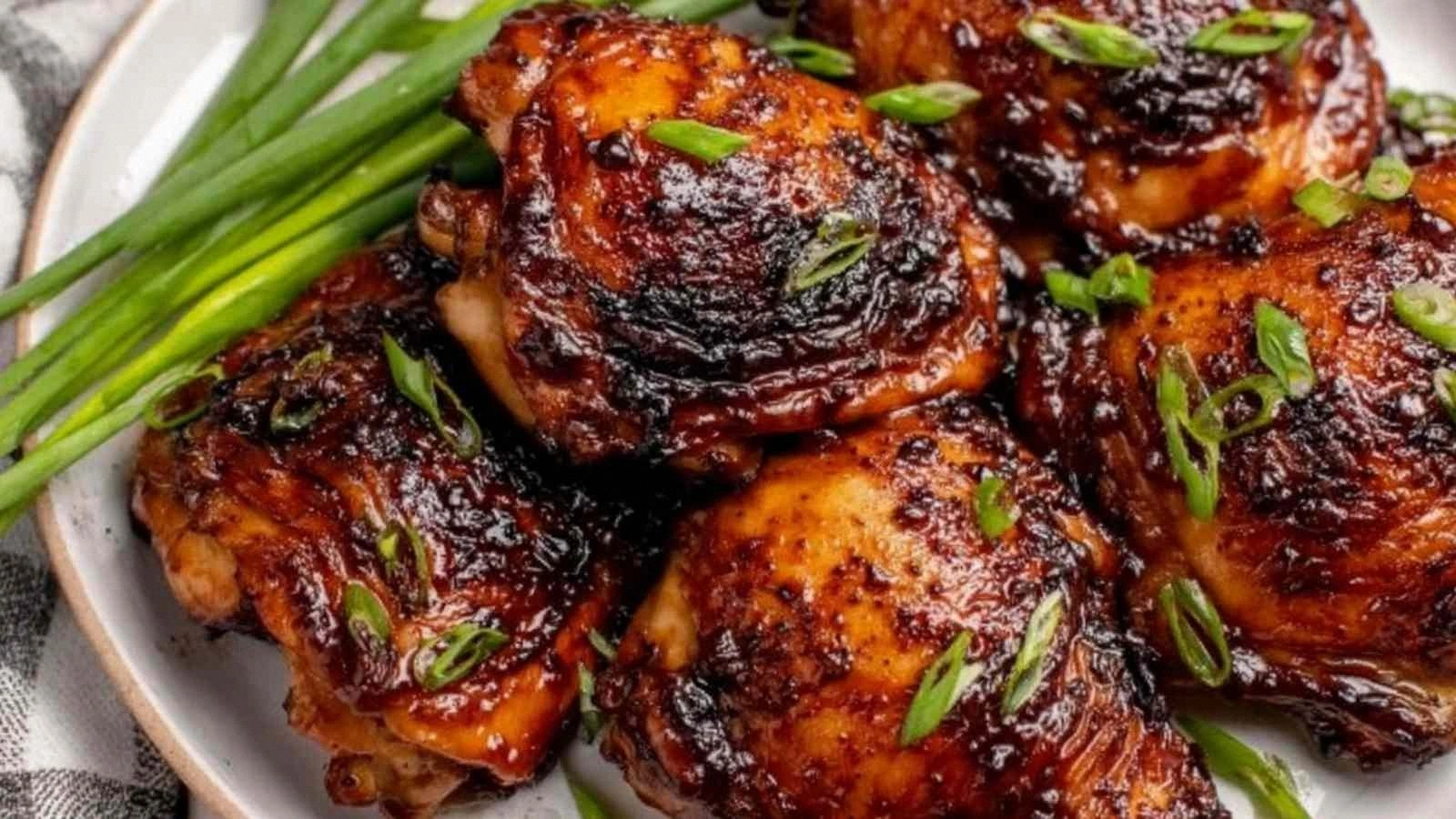
Picture this: the chicken skin turning a deep, caramelized mahogany, the glaze thickening into a glossy, almost glassy sheen that clings to every crevice. The aroma is a heady mix of umami, honey, and a faint citrus tang from the vinegar, drawing you in like a scent of freshly baked bread. The first bite delivers a satisfying crackle, followed by a burst of sweet‑salty flavor that lingers on the palate. My mouth watered before I even tasted it, and I couldn’t help but laugh at how simple yet profound this dish was. If you’ve ever struggled to balance flavor in a one‑pan meal, you’re not alone—and I’ve got the fix.
What sets this version apart is not just the ingredients but the technique. I dared you to taste this and not go back for seconds, and the result proves that promise. The sauce coats the chicken like velvet, forming a caramelized crust that shatters like thin ice when you bite into it. Most recipes get this completely wrong, focusing on bland marinades that evaporate. Here, the miso paste is the star, thickening the glaze and locking in moisture. The honey or maple syrup balances the saltiness, while the toasted sesame oil adds depth and a nutty aroma. Together, they create a dish that is hands down the best version you’ll ever make at home.
I’ll be honest— I ate half the batch before anyone else got to try it. The moment I took that first bite, the kitchen smelled like a Japanese market and a summer BBQ rolled into one. The contrast between the crispy skin and the tender meat made every forkful a triumph. This is the kind of dish that turns ordinary nights into celebrations. Picture yourself pulling this out of the oven, the whole kitchen smelling incredible, and the table already set with friends who can’t wait to dig in. Let me walk you through every single step—by the end, you’ll wonder how you ever made it any other way.
What Makes This Version Stand Out
- Flavor: The miso paste creates a deep, savory base that is complemented by the sweetness of honey and the brightness of rice vinegar. The balance of umami and acidity keeps the dish from feeling heavy or one‑dimensional. The result is a sauce that is both comforting and exciting.
- Texture: The skin crisps to a golden brown that cracks with each bite, while the meat remains juicy and tender. The glaze thickens to a glossy finish that sticks to the thighs, creating a delightful contrast between crunchy and silky.
- Simplicity: All the magic happens in one pan, so you can serve a crowd without a kitchen that looks like a battlefield. No complicated steps, just a few ingredients and a steady eye.
- Uniqueness: The toasted sesame oil and sesame seeds add a nutty depth that most miso chicken recipes lack. The final sprinkle of green onions provides a fresh pop of color and flavor.
- Crowd Reaction: Friends and family rave about how the dish feels like a comforting hug in a bowl. Many say it’s the first time they’ve seen miso used so boldly.
- Ingredient Quality: Using bone‑in, skin‑on thighs maximizes flavor and ensures a juicy result. The miso paste should be pure white for the brightest taste.
- Cooking Method: The technique of browning first, then simmering in the glaze, ensures the sauce adheres perfectly to the meat.
- Make‑Ahead Potential: The dish can be prepped a day ahead, then finished in the oven when you’re ready to serve, making it ideal for busy nights.
Inside the Ingredient List
The Flavor Base
White miso paste is the cornerstone of this dish, providing a salty, earthy depth that is unmistakable. It’s the glue that holds the glaze together, thickening as it simmers. If you skip it, the sauce will lack that signature umami punch and feel flat. For a richer flavor, choose a 100% white miso, which has a lighter color and milder taste than brown miso.
The Sweet Balance
Honey or maple syrup is the sweet counterpoint to the miso’s saltiness. It caramelizes on the skin, creating a glossy, slightly crunchy coating. If you prefer a lower calorie option, try a sugar‑free syrup, but be prepared for a slightly less glossy finish. The sweetness also helps balance the acidity of the rice vinegar.
The Tangy Twist
Rice vinegar adds a bright acidity that cuts through the richness of the sauce. It also helps keep the chicken tender by breaking down proteins slightly during the cooking process. If you don’t have rice vinegar, a splash of apple cider vinegar can work, though it will add a subtle fruitiness.
The Final Flourish
Toasted sesame oil and sesame seeds bring a nutty aroma and a subtle crunch that elevates the dish. The oil’s toasted flavor deepens the glaze, while the seeds add a textural pop. If you’re allergic to sesame, you can omit the seeds and keep the oil; the flavor will still be robust.
Everything’s prepped? Good. Let’s get into the real action.
The Method — Step by Step
- Start by patting the chicken thighs dry with paper towels. This step is crucial for a crispy skin; moisture will turn the skin soggy. Season both sides lightly with salt and pepper, then set aside while you prep the sauce.
- In a small bowl, whisk together the white miso paste, soy sauce, honey, rice vinegar, toasted sesame oil, minced garlic, grated ginger, and vegetable oil until the mixture is smooth. The sauce should have a thick, syrupy consistency that coats the back of a spoon. If it’s too runny, let it sit for a few minutes to thicken.
- Heat a large cast‑iron skillet or heavy‑bottomed pan over medium‑high heat. Once hot, add the chicken thighs skin side down, leaving space between each piece. The first sizzle is the sound of the skin beginning its transformation.
- Cook the thighs for 5–6 minutes, or until the skin is a deep mahogany and releases easily from the pan. Flip carefully, then reduce the heat to medium and add the sauce mixture to the pan. The sauce should hit the chicken immediately, forming a glossy glaze.
- Reduce the heat to low and let the chicken simmer in the sauce for 10–12 minutes, turning occasionally. The sauce will thicken and coat the thighs like a velvety coat. The aroma will fill the kitchen, making you forget you’re cooking.
- During the last 3 minutes of simmering, sprinkle the sliced green onions over the top. They will add a bright, fresh note that cuts through the richness of the glaze. Watch the sauce reduce to a syrupy glaze that clings to every crevice.
- Add the toasted sesame seeds to the pan, stirring gently to distribute them evenly. The seeds will pop slightly, adding a subtle crunch to the dish. This is the moment of truth—your sauce should be thick, glossy, and fragrant.
- Remove the skillet from heat and let the chicken rest for 5 minutes. This allows the juices to redistribute, ensuring each bite is moist. While resting, the glaze will continue to thicken and settle.
- Serve immediately, spooning the extra sauce over the thighs and garnishing with a few extra green onions if desired. Pair with steamed rice or sautéed greens for a balanced meal.
- Enjoy the burst of flavors, the contrast between the crispy skin and tender meat, and the lingering sweetness that will keep you coming back for more. Remember, this dish is best served hot and fresh, so plan your timing accordingly.
That's it— you did it. But hold on, I've got a few more tricks that'll take this to another level. Keep reading for insider tips that will make your dish even more unforgettable.
Insider Tricks for Flawless Results
The Temperature Rule Nobody Follows
Many cooks think a high heat is the key to crisp skin, but the secret is a steady medium‑high for the first sear, then a gentle low for the glaze. This allows the fat to render slowly, preventing the skin from blistering. I once left the heat too high and the glaze caramelized into a bitter crust. Adjust the temperature as the sauce thickens; a low simmer is the best way to keep the glaze glossy.
Why Your Nose Knows Best
The moment the sauce starts to bubble, you’ll notice a sweet, caramelized scent. That’s the cue to lower the heat. If you ignore that aroma, the glaze will burn. Trust your senses; a slight change in smell means you’re at the perfect point to flip the chicken.
The 5‑Minute Rest That Changes Everything
After cooking, letting the chicken rest for five minutes may seem trivial, but it’s essential for juiciness. During this time, the juices redistribute, preventing them from spilling out when you cut the meat. I’ve seen people skip this step and end up with dry thighs—don’t make that mistake.
The Final Toss of Sesame
Add the toasted sesame seeds right before serving. This preserves their crunch and nutty flavor. If you add them too early, they’ll lose their texture and become soggy. A quick toss ensures each bite has that delightful snap.
The Green Onion Trick
Slicing the green onions into thin ribbons allows them to melt into the glaze, adding a subtle sweetness. If you prefer a stronger onion flavor, add a handful of chopped green onions in the last minute of cooking. The choice is yours, but the ribbons give a cleaner finish.
The Sauce Consistency Check
If the glaze feels too thin, stir in a small amount of cornstarch slurry (1 tsp cornstarch + 1 tbsp water). This thickens the sauce without altering flavor. Conversely, if it’s too thick, add a splash of water or chicken broth to loosen it. Balance is key.
Creative Twists and Variations
This recipe is a playground. Here are some of my favorite ways to switch things up:
Spicy Miso Chicken
Add a teaspoon of sriracha or a pinch of red pepper flakes to the glaze for heat. The spicy kick balances the sweetness and adds a smoky undertone. Serve with cool cucumber salad to cut through the heat.
Citrus‑Infused Miso
Replace half the rice vinegar with freshly squeezed orange juice and add a zest of orange to the sauce. The citrus adds brightness and a subtle sweetness that pairs well with the miso. This version is perfect for spring or summer gatherings.
Herb‑Enhanced Miso
Stir in chopped fresh cilantro or basil during the last minute of cooking. The herbs add a fresh, aromatic layer that complements the deep umami. This variation works wonderfully with a side of jasmine rice.
Smoky Miso Chicken
Add a tablespoon of smoked paprika or a few drops of liquid smoke to the glaze. The smoky flavor adds complexity and pairs beautifully with roasted sweet potatoes or a simple green salad.
Vegan Miso Delight
Replace the chicken with thick-cut tofu or tempeh. Use a plant‑based oil for searing and keep the rest of the glaze unchanged. The tofu absorbs the miso glaze, creating a savory, satisfying vegan main.
Storing and Bringing It Back to Life
Fridge Storage
Store the cooked thighs in an airtight container in the refrigerator for up to 3 days. The glaze will thicken slightly, so reheat gently to restore its glossy sheen. Reheat over low heat, stirring occasionally, until warmed through.
Freezer Friendly
For longer storage, wrap each thigh individually in parchment paper and place them in a freezer bag. They’ll keep for up to 3 months. Thaw overnight in the refrigerator before reheating to preserve texture.
Best Reheating Method
Reheat the thighs in a skillet over medium heat, adding a splash of water or broth to keep them moist. The water helps steam the glaze back into a silky sauce. Finish with a quick drizzle of sesame oil for extra flavor.